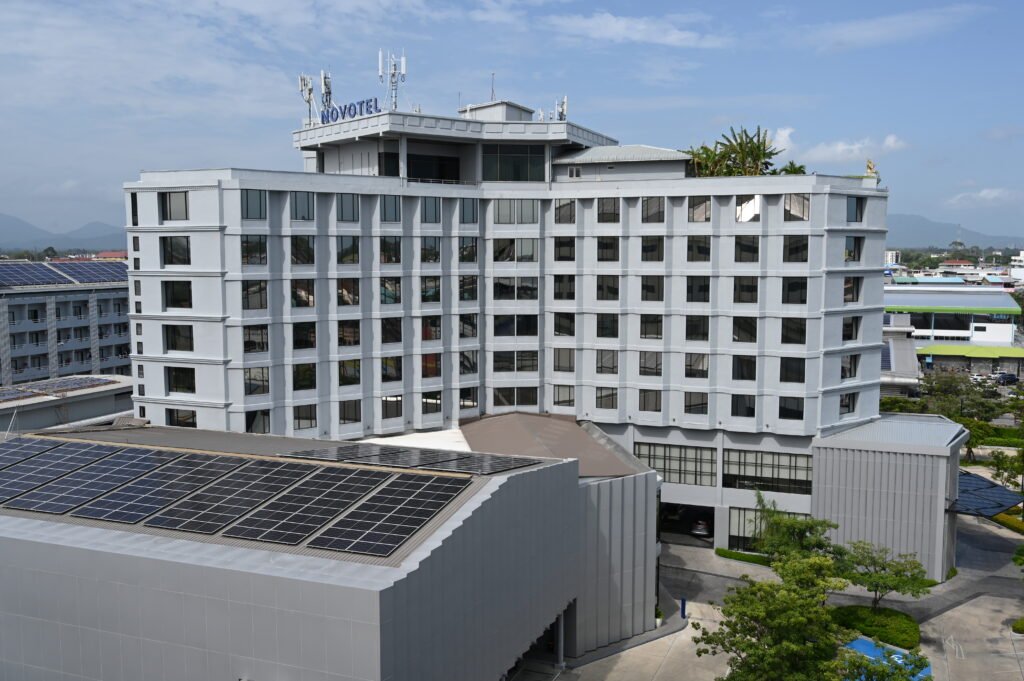
Green building, also called sustainable architecture, refers to the design and construction of structures that reduce environmental impact through energy efficiency, resource conservation, and healthier indoor environments across a building’s full life span. Rather than treating sustainability as an afterthought, green building integrates ecological considerations into every stage of design, from site selection and material sourcing to long-term operation and eventual demolition or reuse.
The movement gained significant momentum beginning in the 1990s as concerns about climate change, resource depletion, and indoor air quality converged with advances in building science, giving architects and engineers new tools to measure and improve a building’s environmental performance well beyond simple energy-saving gestures.
Core Principles of Sustainable Design
Green building rests on several interconnected principles, including minimizing energy consumption through efficient insulation, orientation, and mechanical systems, reducing water use through fixtures and landscaping suited to local climate, and selecting materials with lower embodied carbon and reduced toxicity. Site design also plays a role, since preserving existing vegetation and managing stormwater runoff reduces a project’s broader ecological footprint.
Equally important is designing for occupant health and comfort, since buildings account for a substantial share of time people spend indoors, making ventilation, natural light, and nontoxic materials central considerations rather than secondary concerns layered onto an otherwise conventional design.
Certification Systems and Standards
Several voluntary certification programs have emerged to formalize and verify green building claims, with LEED, developed by the U.S. Green Building Council, among the most widely recognized internationally, awarding points across categories such as energy use, water efficiency, materials, and indoor environmental quality to determine certification levels.
Other prominent systems include BREEAM in the United Kingdom and the Living Building Challenge, which sets even more stringent net-positive energy and water requirements. These frameworks give architects, developers, and tenants a common language for comparing building performance across projects and regions.
Energy Efficiency and Renewable Integration
Reducing operational energy demand remains a central focus of green building, achieved through high-performance building envelopes, efficient heating and cooling systems, and smart controls that adjust lighting and climate based on occupancy and daylight availability. Many projects now aim for net-zero energy, generating as much renewable energy on-site as they consume annually.
Solar panels, geothermal heat pumps, and increasingly sophisticated building management systems have become standard components of ambitious green building projects, allowing buildings to actively participate in broader renewable energy grids rather than simply consuming electricity passively.
Sustainable Materials and Embodied Carbon
Beyond operational energy, green building increasingly accounts for embodied carbon, the greenhouse gas emissions associated with extracting, manufacturing, and transporting building materials before a structure is even occupied. Mass timber, recycled steel, and low-carbon concrete alternatives have gained attention as ways to reduce this upfront carbon footprint.
Material selection also considers durability and recyclability, since a building designed for easy disassembly can have its components reused or recycled at the end of its life, reducing landfill waste compared to conventional demolition practices that treat materials as disposable.
Indoor Environmental Quality
Green buildings prioritize indoor air quality through the use of low-emission materials, adequate ventilation, and filtration systems that reduce exposure to volatile organic compounds and particulate pollutants, addressing a health dimension that conventional construction has often overlooked.
Access to natural daylight and views of the outdoors, sometimes incorporated through biophilic design principles, has also been linked in research to improved occupant wellbeing, productivity, and even reduced recovery times in healthcare settings designed with these considerations in mind.
Economic Considerations and Return on Investment
While green building features can increase upfront construction costs, studies have increasingly shown that energy savings, reduced maintenance, and higher occupant satisfaction can offset these costs over a building’s operational life, sometimes within just a few years for straightforward efficiency measures.
Market demand has also shifted, with many commercial tenants and homebuyers now actively seeking certified green buildings, giving developers an additional incentive beyond regulatory compliance or personal environmental commitment to pursue sustainable design strategies.
Policy Support and Future Directions
Many governments have introduced building codes, tax incentives, or mandatory disclosure requirements that push the construction industry toward greener practices, with some cities requiring new municipal buildings to meet specific certification thresholds as a matter of policy.
Looking ahead, the green building movement continues to expand its scope toward whole-life carbon accounting, climate resilience, and circular economy principles, reflecting a broader shift from treating sustainability as an optional upgrade to viewing it as a baseline expectation for responsible construction.
Architecture schools and professional licensing bodies have steadily expanded sustainability requirements within their curricula and continuing education programs, reflecting an industry-wide recognition that green building competency is becoming a baseline professional expectation rather than a specialized niche skill.
Retrofitting older buildings to meet modern green standards has also become an active area of practice, since replacing existing structures outright is often far more carbon-intensive than upgrading insulation, windows, and mechanical systems within a building that already stands.
FAQ
What is the difference between green building and sustainable architecture?
The terms are largely interchangeable, both referring to design and construction practices that reduce environmental impact, though sustainable architecture sometimes emphasizes broader design philosophy while green building often refers more specifically to measurable performance standards.
What is LEED certification?
LEED is a widely used green building certification system that awards points across categories such as energy, water, materials, and indoor environmental quality, with different certification levels based on total points earned.
Does green building cost more than conventional construction?
Upfront costs can be higher for certain features, but many studies show that energy savings and other benefits offset this cost over a building’s operational life, often within a few years.
More in Architecture
Editorially reviewed by Specialty Digest Editorial TeamLast reviewed November 4, 2026Researched and drafted with AI assistanceReport an issue