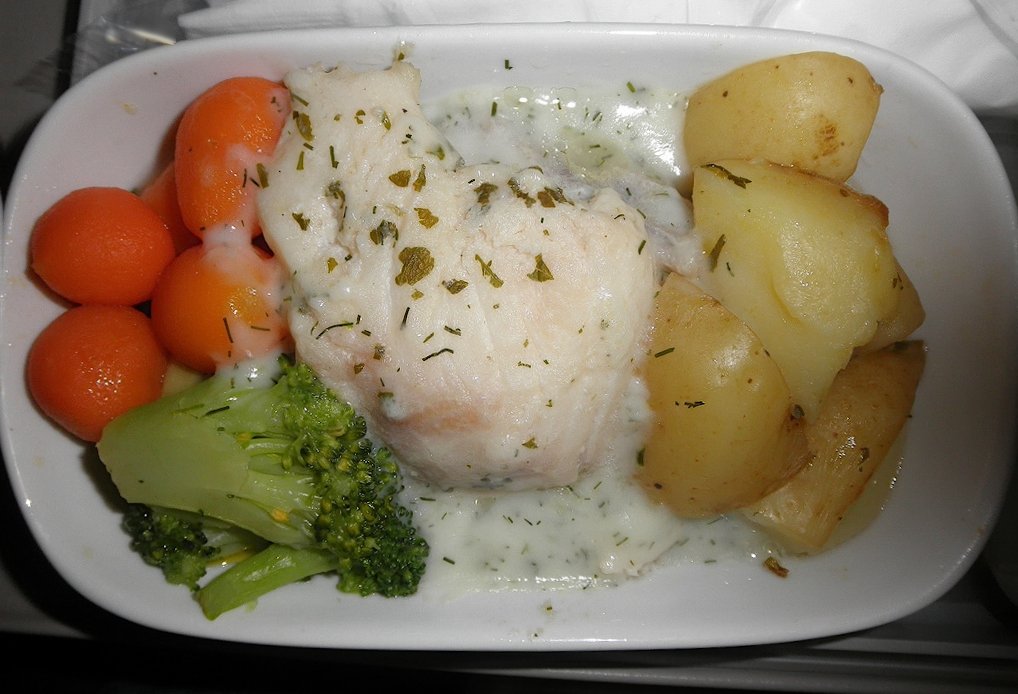
A mother sauce is one of a small set of foundational sauces in classical French cuisine from which many smaller, derivative sauces are built. The chef Auguste Escoffier codified the system in the early twentieth century, organizing French sauce-making into a teachable structure still used in culinary schools today.
The Five Mother Sauces
Bechamel is a white sauce made by whisking milk into a butter-and-flour roux, forming the base for dishes like macaroni and cheese and many gratins. Veloute follows the same roux method but uses a light stock, chicken, veal, or fish, instead of milk, producing a pale, savory sauce. Espagnole is a brown sauce built on a dark roux and brown stock, often with tomato and mirepoix, serving as the base for demi-glace. Hollandaise is an emulsified sauce of egg yolk and melted butter, acidified with lemon juice or vinegar, rather than a roux-based sauce, and it underlies dishes like eggs benedict. Tomato sauce, the fifth mother sauce, is built from cooked tomatoes and aromatics rather than a roux or emulsion, giving the system a sauce that is often vegetable-based rather than dairy or stock-based.
Derivative Sauces
Each mother sauce supports a family of small sauces made by adding specific flavorings. Mornay sauce adds cheese to bechamel; sauce supreme adds cream and mushroom to veloute; bordelaise adds red wine and shallot to espagnole; bearnaise adds tarragon and shallot to hollandaise; and sauce provencale adds garlic and herbs to a tomato base. This branching structure is the system’s core teaching value, since learning five techniques unlocks dozens of named sauces without memorizing each one as an isolated recipe.
Legacy and Critique
The mother sauce system remains a standard part of culinary education worldwide, prized for its logical, teachable structure. Some modern chefs argue it undersells the diversity of global sauce traditions, which include entirely separate lineages like Asian fermented sauces or Latin American salsas that do not fit the French framework. Even so, within Western professional kitchens the five mother sauces remain the common reference point for describing how a new sauce is built and classified.
Regional Sauce Traditions Beyond the French System
Escoffier’s five mother sauces describe French cuisine specifically, and other culinary traditions have their own foundational sauces that serve a comparable organizing role. Italian cuisine often treats a basic tomato sauce and a bechamel-like besciamella as core building blocks for pasta dishes and lasagna. Mexican cuisine builds many dishes from a small set of foundational salsas and moles, complex sauces built from chilies, spices, and sometimes chocolate, that function similarly to French mother sauces as bases for countless regional variations. Recognizing these parallel systems helps explain why the mother sauce concept, while specifically French in origin, resonates as a teaching tool: most culinary traditions independently arrive at a small set of foundational sauces that unlock a much larger repertoire.
Modern Kitchen Practice
Many contemporary restaurant kitchens have moved away from maintaining all five mother sauces daily, instead keeping stock, a few core emulsions, and pan sauces built to order, reflecting lighter modern menus that favor fresher, less heavily sauced dishes than classical French service. Even so, the mother sauces remain the reference vocabulary culinary students learn first, since understanding how bechamel differs from veloute, or why hollandaise is an emulsion rather than a roux-based sauce, gives cooks a shared technical language. Chefs who never make a traditional espagnole in their career still rely on the underlying principles, thickening with roux, finishing with butter, balancing acid and fat, that the mother sauce system was designed to teach.
Common Mistakes
A broken hollandaise, where the emulsion separates into oily and watery layers, is among the most common sauce failures, usually caused by overheating the egg yolks or adding butter too quickly. A lumpy bechamel typically results from adding cold milk to a hot roux too fast, or from insufficient whisking, while a thin espagnole often means the stock was not reduced long enough to concentrate flavor and body. Culinary instructors use these predictable failure modes as teaching moments, since recognizing why a sauce broke is often more instructive than simply following the recipe correctly the first time.
Sauce Service and Plating Context
How a sauce is applied to a finished plate matters nearly as much as how it was made, with classical French service often pooling sauce beneath a protein or drawing it in a controlled line, while some modern plating serves sauce on the side in a small vessel, letting diners control the amount themselves. This presentation choice reflects a broader shift in fine dining toward diner agency, where even a technically masterful mother-sauce preparation is now sometimes treated as an optional accompaniment rather than an inseparable part of the dish as originally conceived.
Teaching Order in Culinary School
Most culinary programs teach the five mother sauces in a specific sequence, typically starting with bechamel because its roux technique transfers directly to veloute, before moving to the more complex espagnole, which demands a longer reduction and more advanced stock knowledge. Hollandaise is usually taught separately and later, since its emulsion technique, built on temperature-sensitive egg yolks rather than a roux, requires an entirely different kind of attention and is considered one of the more failure-prone techniques for beginning cooks to master.
This graduated teaching order, simple roux work first and temperamental emulsions last, reflects a broader pattern in culinary education, where foundational techniques are deliberately sequenced so early failures are cheap and later, more demanding techniques are attempted only once fundamental control has already been demonstrated.
More in Culinary Arts
Key facts
- Escoffier codified five mother sauces in the early 1900s.nBechamel, veloute, espagnole, hollandaise, and tomato sauce are the five.nEach mother sauce supports derivative sauces made by adding specific flavorings.nThe system remains standard in culinary education today.
Related concepts
Quick checkWhat are the five classical French mother sauces?Show answer
The five mother sauces are bechamel, veloute, espagnole, hollandaise, and tomato sauce, each the base for a family of derivative sauces.
Sources
- Larousse Gastronomique, Escoffier's Le Guide Culinaire
Editorially reviewed by Specialty Digest Editorial TeamLast reviewed November 3, 2026Researched and drafted with AI assistanceReport an issue