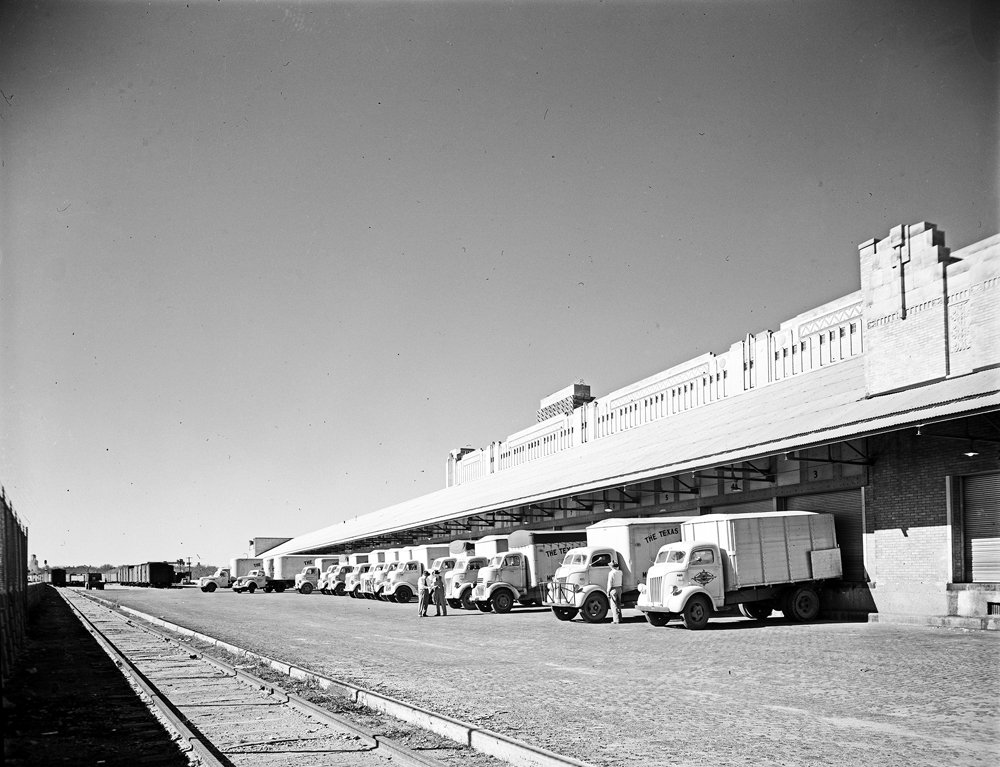
How Cross-Docking Works
Cross-docking is a distribution practice in which incoming shipments are unloaded from inbound trucks or containers and transferred directly to outbound vehicles, with little or no time spent in warehouse storage. Goods typically move across a dock floor from one loading bay to another rather than being shelved.
Why Companies Use Cross-Docking
Cross-docking reduces handling costs because goods are touched fewer times, and it speeds delivery since products are not held in storage waiting for the next outbound shipment. It also reduces the warehouse space needed, since cross-docked goods require minimal or no long-term storage capacity.
Common Applications
Cross-docking is widely used in retail distribution, where products from multiple suppliers are consolidated and sorted for delivery to individual stores. It is also common for perishable goods such as fresh produce, where minimizing time in transit and storage preserves product quality and shelf life.
Requirements for Success
Effective cross-docking requires precise scheduling and coordination between inbound and outbound carriers, accurate advance shipment information, and a facility layout designed for fast transfer. Because there is little buffer inventory, any delay on the inbound side can directly disrupt outbound shipments.
Types of Cross-Docking
Pre-distribution cross-docking has the receiving facility already know, before goods arrive, exactly which outbound shipment each item belongs to, often because the destination was decided by the shipper before the truck left. Post-distribution cross-docking instead sorts and allocates goods to destinations after arrival, based on real-time orders or inventory needs, offering more flexibility but requiring faster on-site decision-making.
Facility Design for Cross-Docking
A cross-dock facility is typically designed as a long, narrow building with loading docks lining both long sides, allowing goods to move in a relatively straight line from inbound to outbound trailers. This layout minimizes the distance goods travel across the facility floor. Dock door scheduling software helps coordinate truck arrivals and departures to keep goods flowing continuously rather than accumulating in staging areas.
Industries That Rely on Cross-Docking
Beyond retail and perishable goods, cross-docking is widely used in parcel and less-than-truckload freight, where shipments from many customers are consolidated by destination at a hub facility before being loaded onto outbound trucks headed to a specific region. This hub-and-spoke pattern is central to how major parcel carriers achieve nationwide next-day and two-day delivery service.
Technology Supporting Cross-Docking
Successful cross-docking depends heavily on advance shipment notifications from suppliers, which tell the receiving facility exactly what is arriving, in what quantity, and when, before the truck reaches the dock. This information lets warehouse staff pre-plan outbound assignments so goods can be sorted and loaded immediately upon arrival rather than waiting for inspection and data entry to catch up.
Limitations of Cross-Docking
Cross-docking works best for predictable, high-volume flows with reliable partners; it is poorly suited to goods requiring quality inspection, products with highly variable demand, or situations where suppliers cannot reliably provide advance shipment data. Facilities that attempt cross-docking without this reliability often end up accumulating unplanned storage anyway, undermining the cost and speed benefits the practice is meant to deliver.
Cross-Docking and Transportation Cost
By consolidating freight from multiple suppliers into fuller outbound loads, cross-docking can reduce per-unit transportation costs even as it also reduces warehousing costs, a combination that makes it attractive for high-volume retail and parcel networks. This consolidation effect is one reason cross-docking has become foundational to how major parcel and retail distribution networks operate at scale.
Cross-Docking in Parcel Networks
Major parcel carriers rely on a hub-and-spoke cross-docking model, where packages from a wide geographic area flow into a central hub, are sorted by destination, and are immediately loaded onto outbound trucks or aircraft bound for the next hub or final delivery region. This model lets carriers achieve nationwide delivery speed without each origin facility needing a direct route to every possible destination.
Measuring Cross-Dock Efficiency
Cross-dock performance is measured through metrics such as dwell time, which tracks how long goods actually sit at the facility between inbound and outbound movement, and dock utilization, which measures how fully each dock door’s capacity is being used across a shift. Facilities aim to keep dwell time as close to zero as the operation allows, since any extended dwell undermines the core purpose of cross-docking.
Cross-Docking and Supplier Coordination
Successful cross-docking depends on suppliers delivering goods already sorted or labeled for their final destination whenever possible, shifting some of the sorting burden upstream and further reducing the time goods must spend at the cross-dock facility itself.
Seasonal Peaks and Cross-Docking
Retailers often rely most heavily on cross-docking during peak seasonal periods, when the volume of inbound goods needing rapid redistribution to stores spikes well above the facility’s normal baseline flow.
Cross-Docking Investment Decisions
Deciding whether to build a cross-docking capability requires analyzing shipment volume, supplier reliability, and product characteristics, since the upfront facility design and technology investment only pays off when inbound and outbound flows are large and predictable enough to sustain continuous, well-coordinated movement through the dock.
Cross-Docking Error Recovery
Because goods move quickly with minimal inspection, errors in a cross-dock facility can propagate downstream faster than in a traditional warehouse, making robust scanning checkpoints and clear escalation procedures for mis-sorted shipments essential to prevent a single mistake from reaching multiple final destinations.
Cross-Docking and Inventory Visibility
Because goods pass through a cross-dock facility so quickly, maintaining accurate real-time inventory visibility during the brief window goods are on-site requires tightly integrated scanning and data systems, since even a short lag in updating records can cause downstream orders to be mis-assigned.
As e-commerce and same-day delivery expectations continue to grow, cross-docking is likely to expand further into smaller urban fulfillment facilities designed to move parcels quickly toward final-mile delivery vehicles.
More in Logistics and Supply Chain Management
Key facts
- Array
Quick checkWhat is the main benefit of cross-docking?Show answer
It reduces storage time and handling costs by transferring goods directly from inbound to outbound transportation.
Sources
- Array
Editorially reviewed by Specialty Digest Editorial TeamLast reviewed November 4, 2026Researched and drafted with AI assistanceReport an issue