What Logistics Management Covers
Logistics management coordinates the physical flow of goods from suppliers through production to the end customer. It covers transportation planning, warehousing, inventory positioning, packaging, and order fulfillment. A logistics manager decides how goods move, where they are stored, and how quickly they reach their destination.
Core Activities
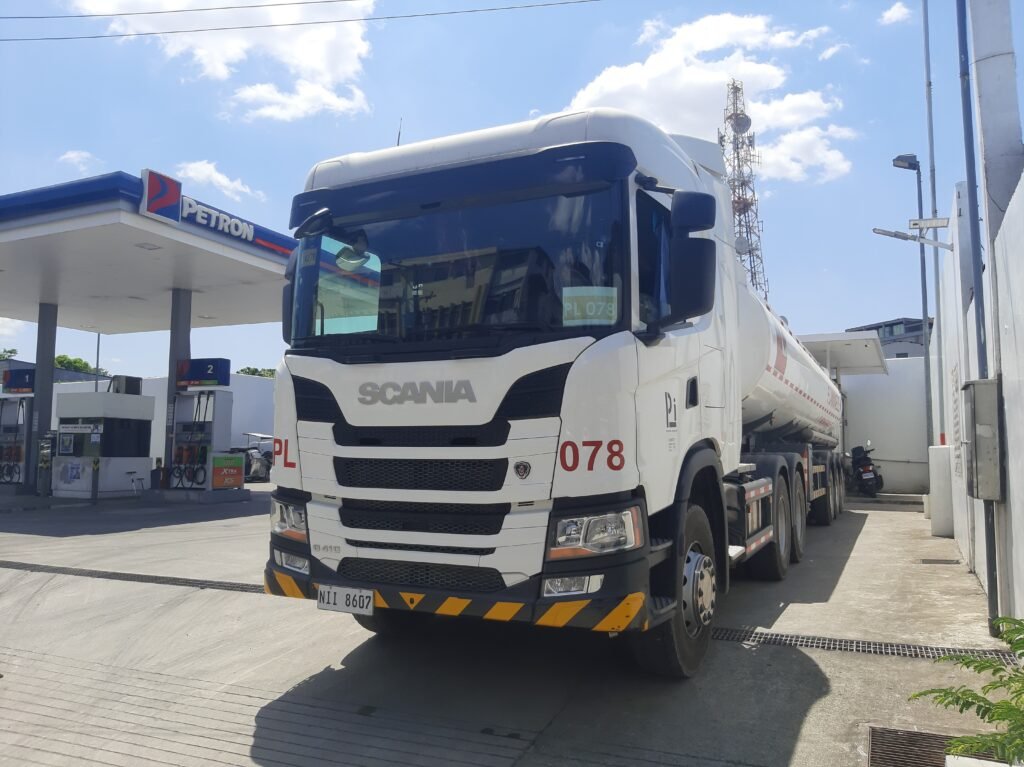
The discipline includes inbound logistics, which brings raw materials and components into a facility, and outbound logistics, which moves finished goods to distributors, retailers, or consumers. Transportation mode selection, carrier negotiation, route planning, and freight consolidation are everyday logistics decisions that directly affect delivery speed and cost.
Logistics Versus Supply Chain Management
Logistics management is often confused with supply chain management, but the two are not identical. Logistics is the operational function focused on moving and storing goods. Supply chain management is the broader strategic discipline that also includes supplier selection, demand planning, and cross-company coordination. Logistics operates inside the larger supply chain.
Technology and Measurement
Modern logistics relies on transportation management systems, warehouse management systems, and real-time tracking to coordinate shipments. Performance is measured through metrics such as on-time delivery rate, order cycle time, and cost per unit shipped, which help managers identify bottlenecks and improve service levels.
Inbound and Outbound Logistics
Inbound logistics manages the flow of raw materials, components, and supplies from vendors into a company’s production facilities or distribution centers. It includes vendor scheduling, receiving inspection, and transportation of purchased goods. Outbound logistics, by contrast, manages the movement of finished goods from the company toward wholesalers, retailers, or final customers, including order processing, packaging, and last-mile delivery. Both flows must be coordinated so that material arrives in time for production and finished goods ship without delay.
Transportation Mode Selection
A central logistics decision is choosing among transportation modes: truck, rail, ocean, air, or intermodal combinations. Trucking offers flexibility and door-to-door service for shorter distances. Rail and ocean shipping are slower but far cheaper per unit for bulk or long-distance freight. Air freight is the fastest and most expensive option, reserved for urgent or high-value shipments. Logistics managers weigh transit time, cost, reliability, and shipment characteristics when selecting a mode or combination of modes.
Third-Party Logistics and Outsourcing
Many companies outsource part or all of their logistics operations to third-party logistics providers rather than operating their own fleets and warehouses. This allows a business to convert fixed logistics costs into variable costs and gain access to established transportation networks and expertise, particularly useful for companies expanding into new geographic markets.
Logistics Technology and Systems
Transportation management systems (TMS) help logistics teams plan shipments, select carriers, and track freight in transit, often automating rate comparisons across multiple carriers to find the lowest-cost option that still meets delivery requirements. Warehouse management systems (WMS) coordinate storage and order fulfillment within a facility. Together, TMS and WMS platforms, often linked to enterprise resource planning software, give logistics managers a unified view of inventory and shipments across the network.
Measuring Logistics Performance
Logistics performance is tracked through metrics such as on-time delivery rate, which measures the percentage of shipments arriving within the promised window; order cycle time, the total time from order placement to delivery; and cost per unit shipped, which captures transportation efficiency. Perfect order rate, combining accuracy, timeliness, and condition into a single measure, is increasingly used as a comprehensive indicator of overall logistics quality.
Global and Cross-Border Logistics
International logistics adds complexity beyond domestic shipping, including customs clearance, import and export documentation, tariff classification, and compliance with each country’s trade regulations. Freight forwarders often specialize in managing these cross-border requirements on behalf of shippers, coordinating multiple transportation modes and handling documentation so that goods clear customs without unnecessary delay.
Logistics Careers and Organization
Logistics functions within a company are typically led by a logistics or supply chain director overseeing teams responsible for transportation, warehousing, and customer order fulfillment. Larger organizations often separate inbound and outbound logistics into distinct teams with their own carrier relationships and performance targets, while coordinating closely through shared planning systems to avoid conflicting priorities between procurement and distribution.
Sustainability in Logistics
Logistics operations are a significant source of carbon emissions, driving growing interest in route optimization, modal shifts toward rail and ocean freight where feasible, and investment in electric or alternative-fuel delivery vehicles. Many large shippers now publish logistics-related emissions targets and work with carriers and logistics providers that can demonstrate measurable progress toward reducing the environmental footprint of freight transportation.
Logistics Network Resilience
A well-designed logistics network builds in redundancy, such as alternative carriers and backup routes, so that a single disrupted lane does not halt deliveries entirely. Logistics managers increasingly run contingency drills to test how quickly their network can reroute shipments when a primary transportation corridor becomes unavailable.
Logistics and Customer Experience
Delivery speed, accuracy, and communication have become a visible part of the overall customer experience, especially in e-commerce, where tracking notifications and realistic delivery windows directly shape how customers perceive a brand even when the actual product itself meets expectations. Logistics teams increasingly coordinate closely with customer service departments to manage expectations when delays occur, recognizing that proactive communication about a late shipment often preserves customer trust better than silence followed by a surprise delay.
Future Trends in Logistics
Emerging trends in logistics include greater use of predictive analytics to anticipate disruptions before they occur, increased adoption of autonomous vehicles and drones for certain delivery segments, and growing pressure to shorten delivery windows further as consumer expectations continue to rise across both retail and business-to-business markets.
More in Logistics and Supply Chain Management
Key facts
- Array
Quick checkWhat is the main goal of logistics management?Show answer
Delivering goods to the right place at the right time and cost while meeting customer service requirements.
Sources
- Array
Editorially reviewed by Specialty Digest Editorial TeamLast reviewed November 4, 2026Researched and drafted with AI assistanceReport an issue