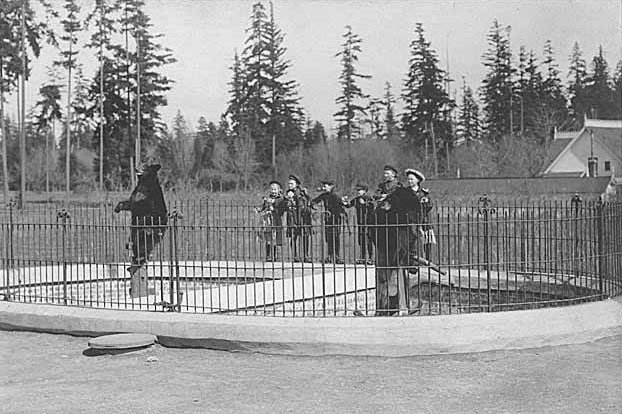
Evolution of Zoo and Aquarium Practice
Modern zoo and aquarium management has shifted substantially from earlier models emphasizing display and entertainment toward an integrated mission combining animal welfare, conservation, education, and scientific research. This evolution reflects both advancing scientific understanding of animal cognition and welfare needs and growing public expectation that these institutions justify their existence through genuine conservation contribution rather than novelty display alone. Accreditation bodies such as the Association of Zoos and Aquariums now set detailed standards governing animal care, safety, and conservation engagement.
Exhibit Design and Animal Welfare
Contemporary exhibit design increasingly prioritizes naturalistic habitats that support species-appropriate behavior, movement, and social structure, moving away from older, smaller barred-cage enclosures toward larger, enriched environments designed around a species’ specific behavioral and physiological needs. Behavioral enrichment programs, including novel feeding puzzles, varied environmental stimuli, and opportunities for choice and control within the enclosure, aim to reduce stereotypic behaviors associated with chronic stress or understimulation that were historically common in captive wildlife settings.
Cooperative Breeding and Genetic Management
Accredited institutions participate in coordinated breeding programs, often called Species Survival Plans in North America, which use studbook records tracking lineage and genetic relationships across the entire managed population to guide breeding recommendations. This coordination prevents inbreeding within the limited gene pool available in captivity and maintains demographic stability, sometimes requiring animals to be transferred between institutions for breeding purposes based on genetic rather than purely logistical considerations.
Conservation and Research Contributions
Many accredited zoos and aquariums fund and staff in-situ conservation projects in the wild, leveraging visitor revenue and institutional expertise to support field research, anti-poaching efforts, and habitat protection beyond their own facility grounds. Captive populations also provide research opportunities difficult to conduct in wild settings, including detailed physiological and behavioral studies that have informed broader conservation science, veterinary medicine, and reintroduction protocol development for numerous species.
Ethical Debates and Public Perception
Zoos and aquariums continue to face ethical scrutiny regarding the appropriateness of captivity for certain species, particularly large, highly mobile, or socially complex animals such as elephants and cetaceans, whose welfare needs are difficult to fully meet within any captive setting regardless of facility quality. This ongoing debate has driven some institutions to phase out exhibits for particularly challenging species while others have invested heavily in demonstrating that high-quality care and genuine conservation contribution can justify continued, carefully managed captive programs for appropriate species.
Visitor Education and Conservation Messaging
Education represents a core mission component for accredited zoos and aquariums, with exhibit interpretation, guided programs, and school partnerships designed to build public understanding of wildlife biology and conservation challenges. Research on visitor learning outcomes has shaped increasingly sophisticated exhibit design and interpretive messaging strategies, aiming to translate a memorable animal encounter into lasting behavioral change or support for conservation action beyond the immediate visit itself.
Financial Sustainability and Operating Models
Zoo and aquarium operating models vary from government-funded municipal institutions to private nonprofit organizations dependent on admission revenue, memberships, and philanthropic support. Financial sustainability challenges have intensified as animal care standards, enclosure requirements, and conservation program costs have risen, prompting many institutions to diversify revenue streams through special events, corporate partnerships, and expanded membership programs while still maintaining their core welfare and conservation commitments.
Animal Transfers and Transport
Moving animals between accredited institutions, whether for breeding program needs or facility transitions, requires careful planning around transport stress, regulatory compliance, and receiving-facility readiness. Specialized protocols govern crate design, sedation decisions, and acclimation periods following transport, reflecting accumulated welfare knowledge about minimizing the physiological and psychological stress associated with relocating animals, particularly large or socially complex species, between different captive environments.
Research Contributions Beyond Conservation
Beyond direct conservation applications, zoos and aquariums have contributed meaningfully to veterinary medicine, nutrition science, and basic biological research, since captive settings allow controlled observation and sample collection difficult or impossible to achieve with wild populations. Findings from captive animal research have informed treatment protocols subsequently applied to both captive and wild populations, illustrating how the scientific research mission intersects with and reinforces the conservation and welfare missions these institutions pursue simultaneously.
Welfare Assessment Standards
Accredited institutions increasingly use formal, science-based welfare assessment protocols to evaluate individual animal wellbeing on an ongoing basis, examining behavioral, physiological, and health indicators rather than relying solely on enclosure design standards as a proxy for welfare outcomes. This shift toward outcome-based welfare assessment reflects growing scientific sophistication in understanding animal emotional and psychological states, moving the field beyond earlier assumptions that adequate physical care alone guaranteed good welfare for captive wildlife.
As public expectations and scientific understanding continue to advance, accredited zoos and aquariums face ongoing pressure to demonstrate that their conservation and welfare contributions genuinely justify the resources invested in maintaining high-quality captive animal care programs.
Ongoing accreditation review and public transparency about both successes and shortcomings help maintain accountability across the industry as a whole.
Institutions that most successfully balance these competing demands tend to treat conservation, education, and welfare as mutually reinforcing rather than competing priorities within a single operating mission.
That integrated approach reflects how far the field has come from its earlier, more display-focused roots over the past several decades.
Looking ahead, continued scientific advancement in animal welfare assessment will likely further refine how these institutions design and evaluate their care programs.
Continued refinement benefits animals and visitors alike across every accredited institution pursuing this integrated mission.
That shared commitment ultimately defines the modern conservation mission these institutions continue to pursue.
That careful balance continues to define the field’s best practice standards.
Key facts
- Array
Quick checkWhat is the purpose of a Species Survival Plan in accredited zoo breeding programs?Show answer
A Species Survival Plan coordinates breeding decisions for a given species across multiple accredited institutions, using studbook data to manage genetic diversity and avoid inbreeding within a limited captive population, which helps maintain a genetically healthy insurance population that could support conservation efforts such as reintroduction if ever needed.
Sources
- Array
Editorially reviewed by Specialty Digest Editorial TeamLast reviewed November 4, 2026Researched and drafted with AI assistanceReport an issue