Packaging design is the discipline of creating the containers, labels, and protective materials that hold, present, and communicate information about a product, combining practical engineering concerns such as protection and shelf stability with visual communication goals such as brand identity and consumer appeal at the point of sale.
Effective packaging design must simultaneously satisfy multiple, sometimes competing demands, including protecting the contents during shipping and storage, communicating essential product information clearly, standing out on a crowded retail shelf, and increasingly, minimizing environmental impact through sustainable materials and reduced excess material.
Functional Requirements and Protection
Packaging must first and foremost protect its contents from damage during manufacturing, shipping, storage, and handling, requiring designers to understand a product’s specific vulnerabilities, whether to impact, moisture, light exposure, or temperature fluctuation, and engineer appropriate structural and material solutions accordingly.
Beyond physical protection, packaging often serves additional functional roles such as tamper evidence, which signals to consumers whether a product has been opened or compromised before purchase, and portion control, which can influence how a product is used and perceived by the people buying it.
Visual Branding and Shelf Impact
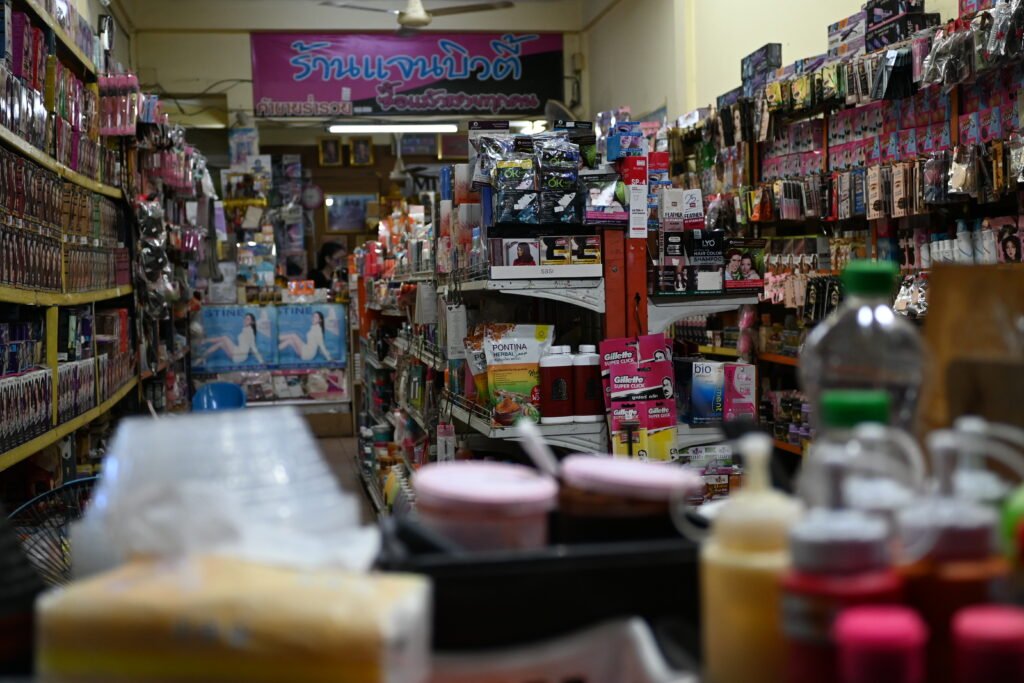
On crowded retail shelves, packaging design must capture attention and communicate brand identity within the few seconds a typical shopper spends scanning a product category, making color, typography, and imagery critical tools for standing out while still remaining recognizable as part of a broader brand family.
Consistency across a brand’s product line, achieved through shared visual elements such as consistent color schemes or logo placement, helps build consumer recognition over time, allowing shoppers to identify familiar products quickly even amid significant shelf clutter and competing visual noise from rival brands.
Structural Design and Material Engineering
Structural packaging designers work closely with materials engineers to determine the right combination of cardboard, plastic, glass, metal, or emerging alternative materials for a given product, balancing cost, protective performance, manufacturing feasibility, and environmental considerations throughout the development process.
Innovations in structural design, such as packaging that doubles as a dispensing mechanism or folds into an alternate use after the original product is consumed, demonstrate how thoughtful engineering can add functional value beyond simple containment, differentiating a product through genuine utility rather than surface decoration alone.
Regulatory Requirements and Label Information
Packaging design must accommodate mandatory regulatory information, including ingredient lists, nutritional information, safety warnings, and barcodes, requiring designers to integrate these required elements without compromising overall visual appeal or brand presentation across varying package sizes and shapes.
Regulations vary significantly across countries and product categories, meaning that packaging intended for international markets often requires careful adaptation to satisfy differing labeling requirements while maintaining consistent core brand identity across the various regional versions of a single product.
Sustainable Packaging and Environmental Considerations
Growing environmental concern has pushed packaging design toward reduced material use, recyclable or compostable materials, and designs that minimize excess void space during shipping, reflecting both regulatory pressure and shifting consumer expectations around corporate environmental responsibility.
Some companies have pursued more radical sustainable packaging innovations, including refillable container systems and material alternatives derived from agricultural byproducts, though widespread adoption of these approaches remains constrained by cost, consumer habit, and existing retail and distribution infrastructure built around conventional packaging formats.
Consumer Psychology and Purchase Decisions
Research into consumer behavior has demonstrated that packaging design meaningfully influences purchase decisions, with factors such as perceived quality, size, and even weight affecting how consumers judge a product’s value before ever trying the contents inside the package itself.
Color psychology plays a particularly significant role in packaging design, with certain colors consistently associated with specific product categories or qualities across many markets, though designers must also account for cultural variation in color meaning when designing packaging intended for international distribution.
Digital Printing and Customization Trends
Advances in digital printing technology have made smaller production runs and customized packaging increasingly economically feasible, allowing brands to produce limited editions, personalized packaging, or region-specific variations without the prohibitive setup costs historically associated with traditional printing methods.
This flexibility has enabled packaging strategies such as seasonal redesigns and personalized name printing that would have been economically impractical under older printing technology, giving brands new tools for engaging consumers and creating a sense of novelty within established product lines.
Unboxing has also become a significant consideration for packaging designers, particularly for products sold online, since the moment a customer opens a delivered box now functions as a meaningful brand touchpoint that many companies deliberately design to feel memorable and shareable on social media.
Testing packaging designs with real consumers before full production remains standard practice at larger companies, since structural prototypes and printed mockups can reveal problems with opening mechanisms, label legibility, or overall shelf impression that internal design reviews alone frequently fail to catch.
Packaging engineers also increasingly collaborate with logistics teams early in the design process, since a container’s dimensions directly affect shipping efficiency and warehouse storage density across an entire supply chain.
FAQ
What are the main functions of packaging design?
Packaging design must protect product contents, communicate essential information, support brand identity and shelf appeal, and increasingly address environmental sustainability, balancing these functional and communicative goals simultaneously.
How does packaging design affect consumer purchase decisions?
Research shows packaging influences perceived product quality and value, with factors such as color, structural weight, and visual design affecting consumer judgment before a product is ever used or tested.
What is sustainable packaging design?
Sustainable packaging design emphasizes reduced material use, recyclable or compostable materials, and minimized shipping waste, responding to both regulatory pressure and growing consumer environmental concern.
Editorially reviewed by Specialty Digest Editorial TeamLast reviewed November 4, 2026Researched and drafted with AI assistanceReport an issue