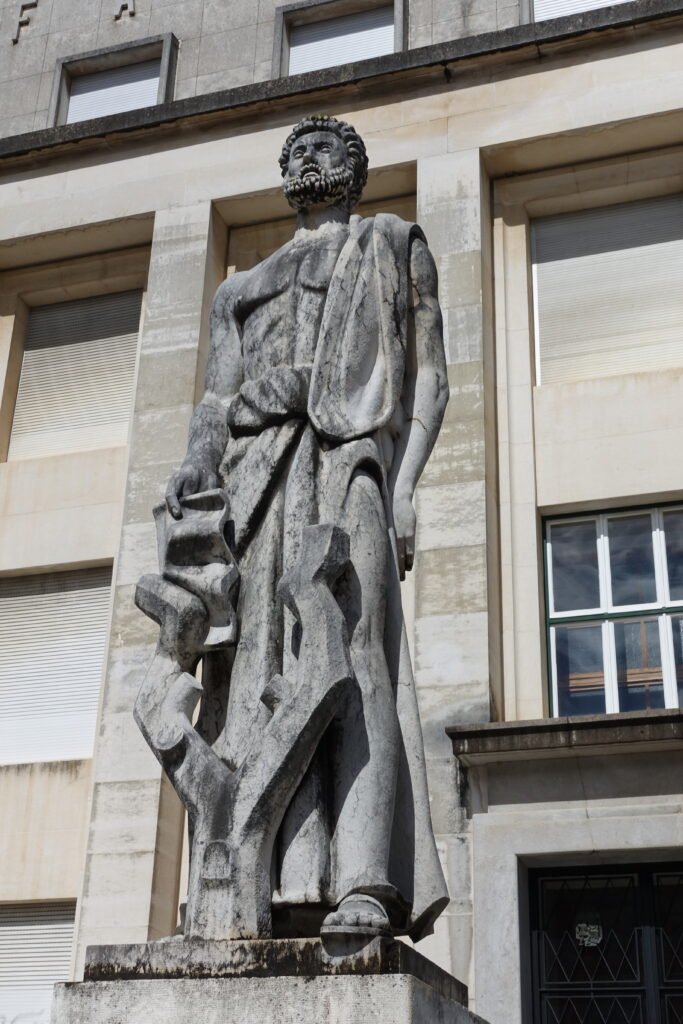
Metaphysics is the branch of philosophy that investigates the fundamental nature of reality, existence, and being, asking what exists and how the things that exist are structured and related to one another. Where physics studies the specific laws governing the physical universe, metaphysics asks more basic questions that sit beneath and beyond any particular scientific
Metaphysics Read More »
The branch of philosophy investigating the fundamental nature of reality, existence, and being.
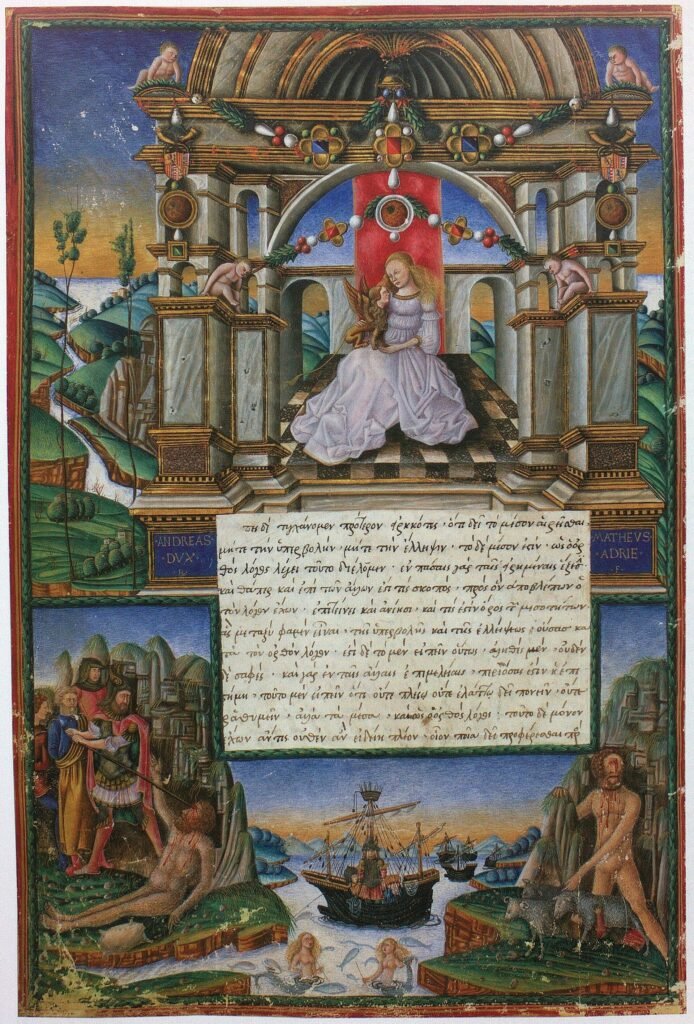
The Nicomachean Ethics is Aristotle’s treatise on how human beings can live well, built around happiness, the virtues of character and intellect, pleasure and friendship. It is the later of his two surviving works on ethics and the one that scholars usually study. Its central claim is that a good life consists in the active
Nicomachean Ethics Read More »
Nicomachean Ethics is Aristotle's treatise on happiness, virtue and friendship, one of the founding works of Western ethics.
In simple terms Occam’s razor says that when two explanations account for the same evidence, the one assuming less is usually the better bet. It is not a law of nature. It is a working preference, a way of deciding where to start when the evidence alone cannot separate two ideas. How it works Philosophers
Occam’s razor Read More »
Occam's razor is the rule of thumb that when two explanations fit the evidence equally well, you should prefer the one assuming less.
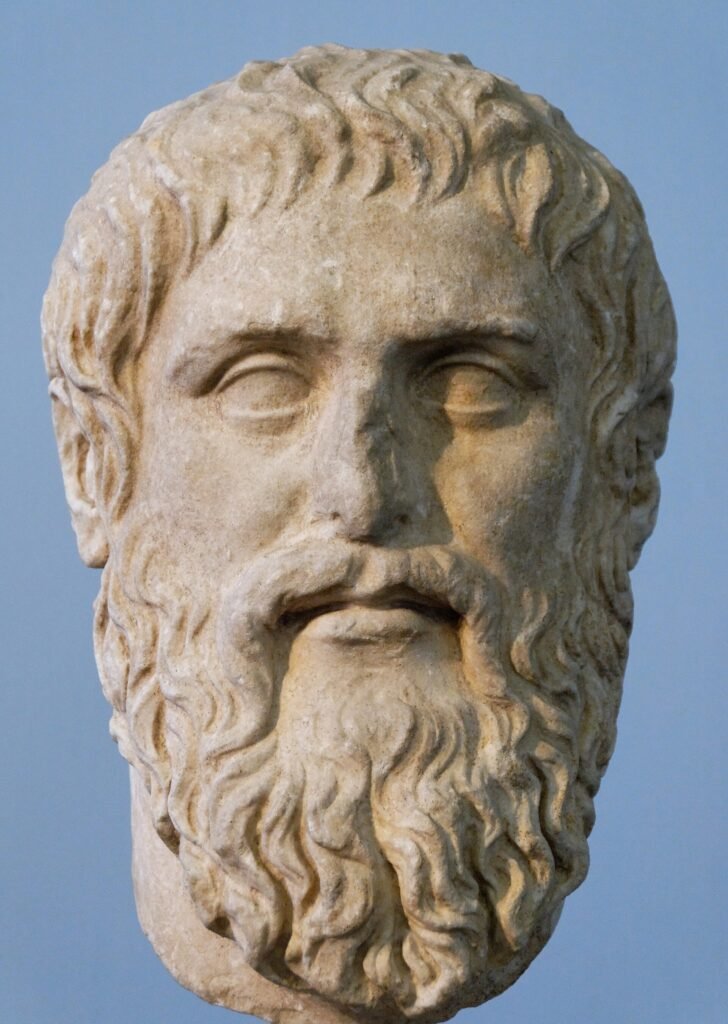
Plato was an Athenian philosopher who lived from about 428 or 427 BCE to about 348 or 347 BCE. He studied under Socrates, taught Aristotle, and wrote dialogues such as the Republic that shaped Western thought. He also founded the Academy, a school outside Athens that is traditionally regarded as the first university in the
Plato Read More »
Athenian philosopher (about 428 to 348 BCE) who wrote dialogues such as the Republic, taught Aristotle and founded the Academy.
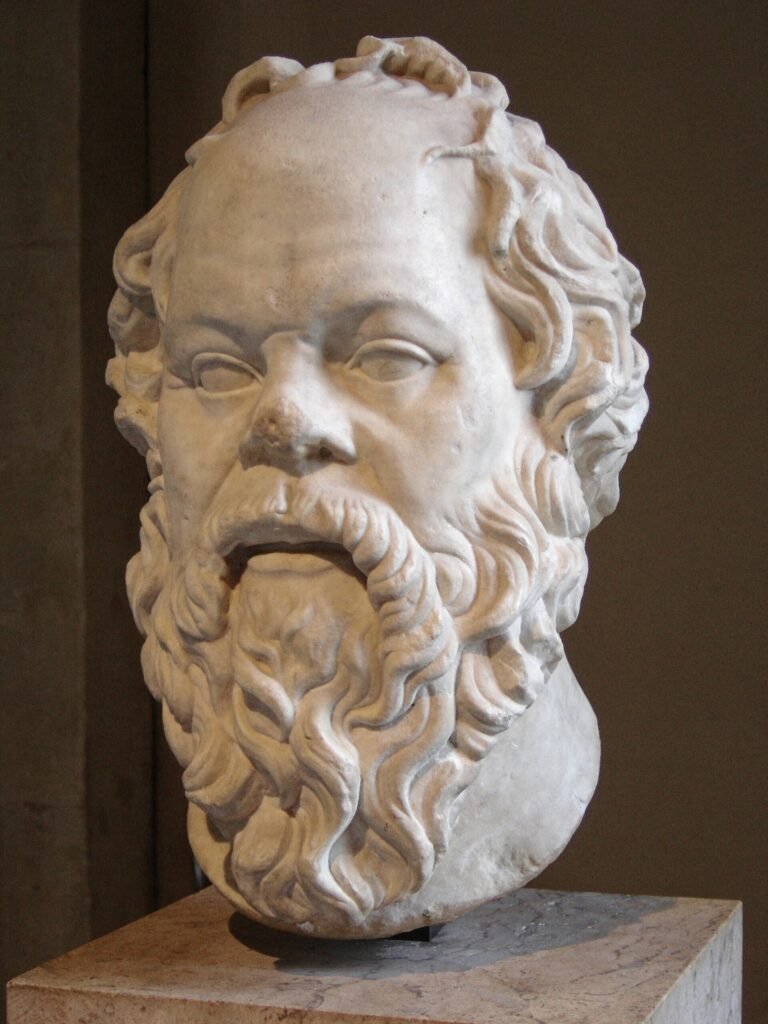
Socrates was an Athenian philosopher who lived from about 470 or 469 BCE until 399 BCE. He wrote nothing himself, and he is known mainly through the accounts of Plato, Xenophon and Aristophanes. He is remembered for questioning people about how to live well, for his claim that he knew nothing of real importance, and
Socrates Read More »
Athenian philosopher (about 470 to 399 BCE) who questioned others about how to live, wrote nothing, and was executed after a trial for impiety.
The Republic is a philosophical dialogue by Plato, written in the fourth century BCE, in which Socrates and his companions ask what justice is and whether a just person is happier than an unjust one. Its Greek title is Politeia. To answer, the speakers design an imagined ideal city, called the Kallipolis, and compare its
The Republic Read More »
The Republic is Plato's ten-book dialogue asking what justice is and whether the just person is happier than the unjust.