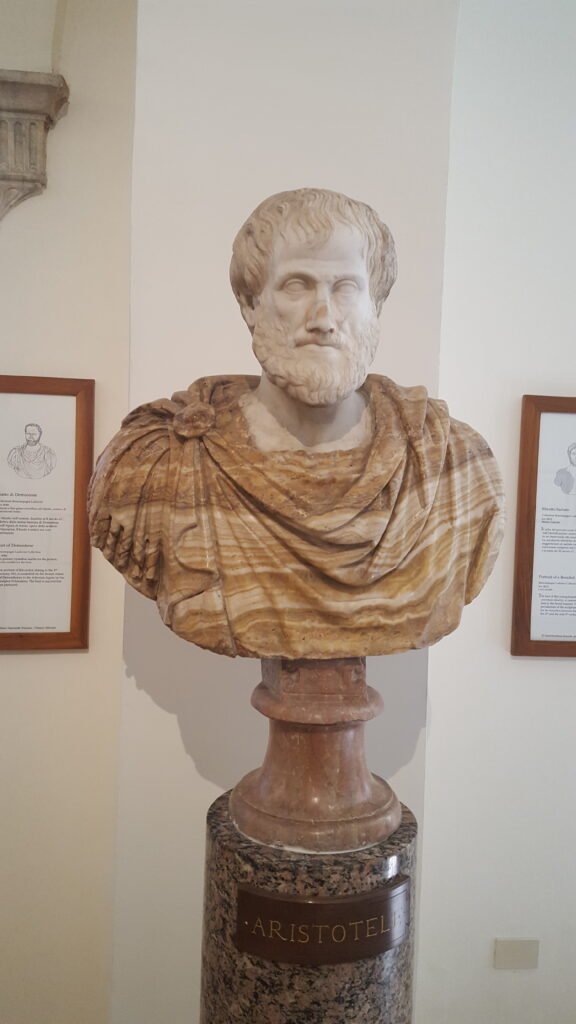
Aristotle (384 to 322 BCE) was an ancient Greek philosopher and scientist who studied under Plato, tutored Alexander the Great and founded his own school, the Lyceum, in Athens. He wrote on logic, metaphysics, ethics, politics, poetry and biology. Only about thirty-one of his works survive, but they shaped philosophy in Europe, the Middle East
Aristotle Read More »
An ancient Greek philosopher and scientist, Plato's student and Alexander the Great's tutor, who founded the Lyceum and shaped logic, ethics and science.
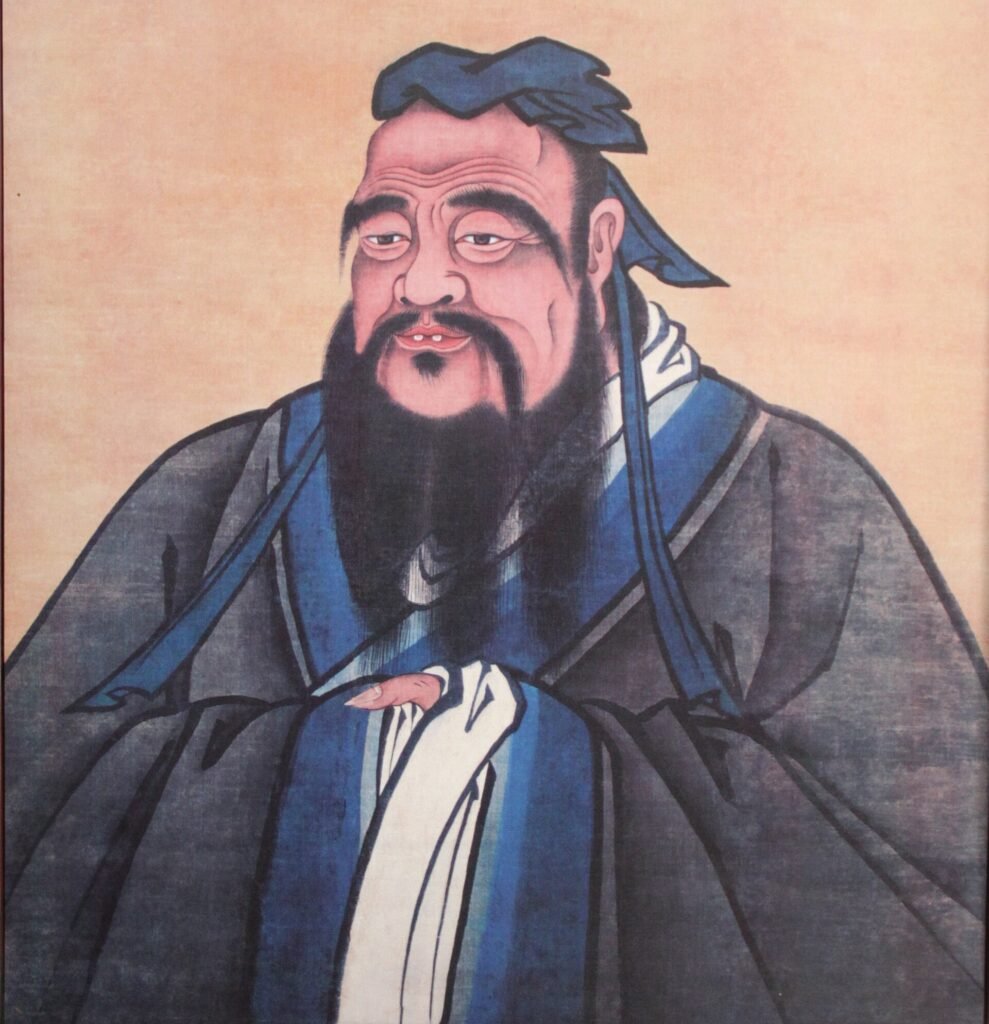
Confucius (traditionally 551 to 479 BCE) was a Chinese teacher and thinker whose conversations with students, recorded in the Analects, became the foundation of Confucianism. His name is a Latinized form of Kong Fuzi, meaning “Master Kong.” Little about his life can be confirmed, because the earliest accounts were written decades to centuries after his
Confucius Read More »
Chinese teacher and thinker (traditionally 551 to 479 BCE) whose sayings, recorded in the Analects, shaped East Asian ethics, education and government.
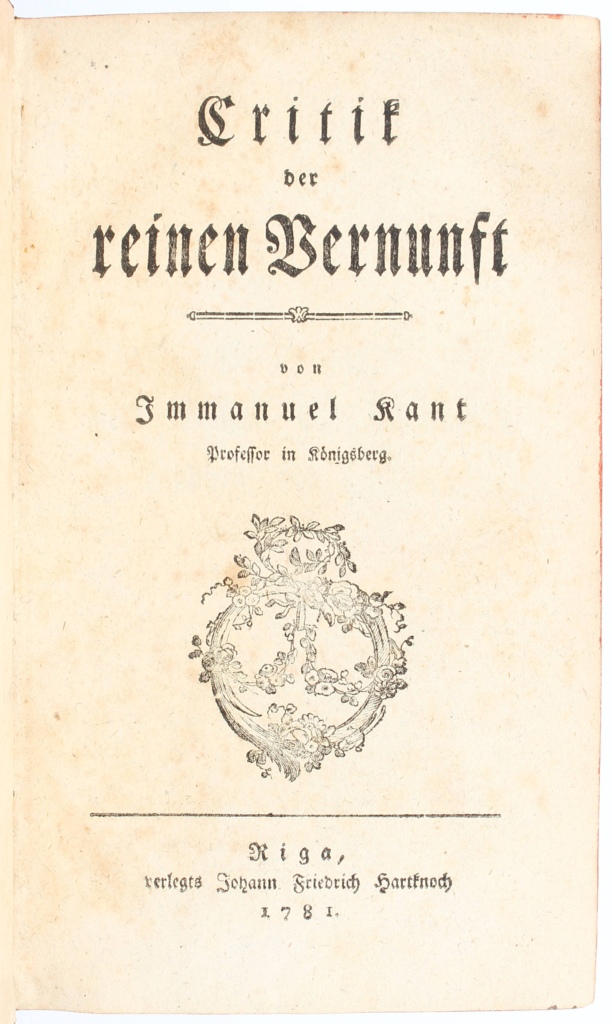
The Critique of Pure Reason is Immanuel Kant’s 1781 work of philosophy that asks what human reason can and cannot know independently of experience. Its answer is that knowledge is limited to the world as it appears to us, and that traditional metaphysical claims about the soul, the universe as a whole and God lie
Critique of Pure Reason Read More »
Critique of Pure Reason is Immanuel Kant's 1781 work arguing that human knowledge is limited to experience and that metaphysics must be reformed.
In simple terms Epistemology is the branch of philosophy that asks what knowledge is, where it comes from, and how far it reaches. The name joins two Greek words: episteme, which can be translated as knowledge, understanding or acquaintance, and logos, which can be translated as account, argument or reason. [1] The label is only
Epistemology Read More »
Epistemology is the branch of philosophy that studies knowledge: what it is, where it comes from and how much of it we can have.
Ethics is the branch of philosophy concerned with questions of right and wrong conduct, moral values, and how people ought to live. It asks not simply what people do believe about morality, but what they should believe, examining whether moral claims can be justified, how competing moral obligations should be weighed, and what makes an
Ethics Read More »
The branch of philosophy concerned with right and wrong conduct, moral values, and how people ought to live.
Existentialism is a philosophical movement, prominent especially in Europe during the nineteenth and twentieth centuries, that emphasizes individual existence, radical freedom, and the personal responsibility each person bears for creating meaning in a universe that does not supply it ready-made. Rather than treating human beings as having a fixed nature or predetermined purpose, existentialist thinkers
Existentialism Read More »
A philosophical movement emphasizing individual freedom, personal responsibility, and the creation of meaning in an indifferent universe.
Free will is the capacity of agents to make genuinely their own choices among real alternatives, in a way that makes them the true source of their actions rather than mere links in a chain of events determined entirely by prior causes. The question of whether humans actually have free will, and what exactly having
Free Will Read More »
The capacity of agents to make genuinely their own choices among real alternatives, central to debates over moral responsibility.
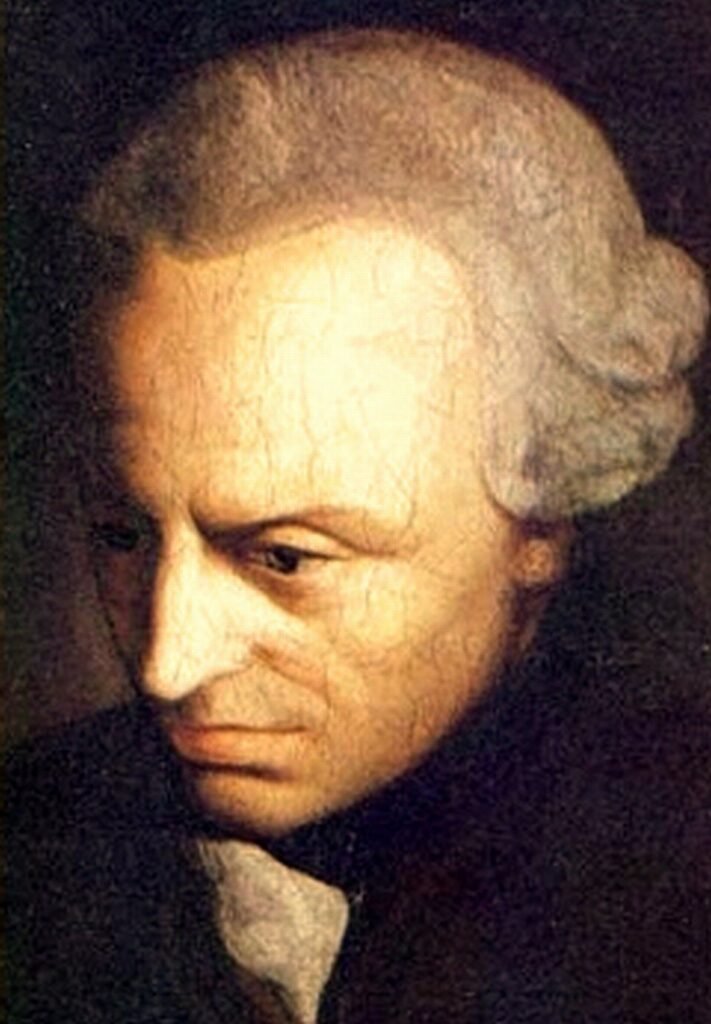
Immanuel Kant (1724 to 1804) was a German philosopher from Königsberg who argued that human knowledge is shaped by the structure of the mind and that moral duty rests on reason alone. His Critique of Pure Reason (1781) reshaped the study of knowledge and reality, and his ethics of duty remains a standard reference point
Immanuel Kant Read More »
German philosopher who argued that knowledge is shaped by the mind and that moral duty rests on universal reason.
Logic is the systematic study of valid reasoning, concerned with identifying which patterns of inference reliably lead from true premises to true conclusions and which patterns, despite sometimes feeling persuasive, do not. As a branch of philosophy with deep connections to mathematics and, more recently, computer science, logic provides tools for evaluating whether an argument’s
Logic Read More »
The systematic study of valid reasoning, concerned with which patterns of inference reliably lead from true premises to true conclusions.
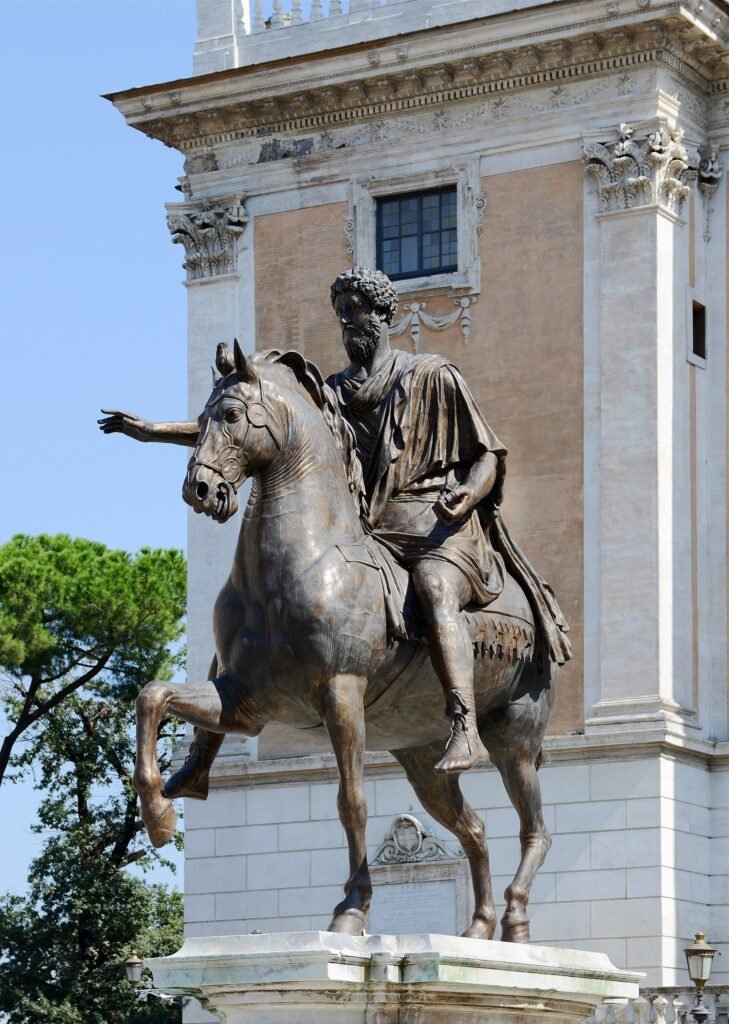
The Meditations is a collection of private reflections written in Greek by the Roman emperor Marcus Aurelius, who ruled from 161 to 180 CE, in which he reminds himself how to live by the principles of Stoic philosophy. It is divided into twelve books, and at least part of it was written during the last
Meditations Read More »
Meditations is a set of private Stoic reflections in twelve books, written in Greek by the Roman emperor Marcus Aurelius.