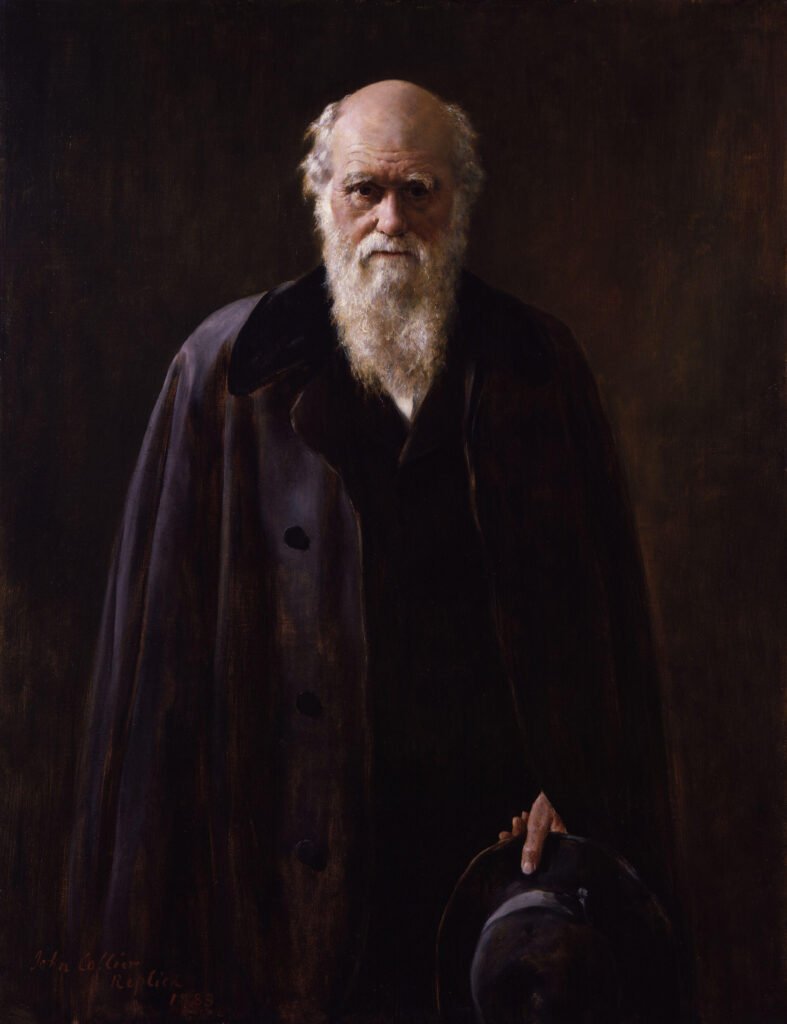
Evolution is the process by which populations of living organisms change in their genetic characteristics across successive generations, ultimately producing the enormous diversity of life found on Earth today from shared common ancestors. The modern understanding of evolution rests chiefly on the theory of natural selection, proposed jointly by Charles Darwin and Alfred Russel Wallace
Evolution Read More »
The process by which populations of organisms change genetically across generations, producing the diversity of life on Earth.
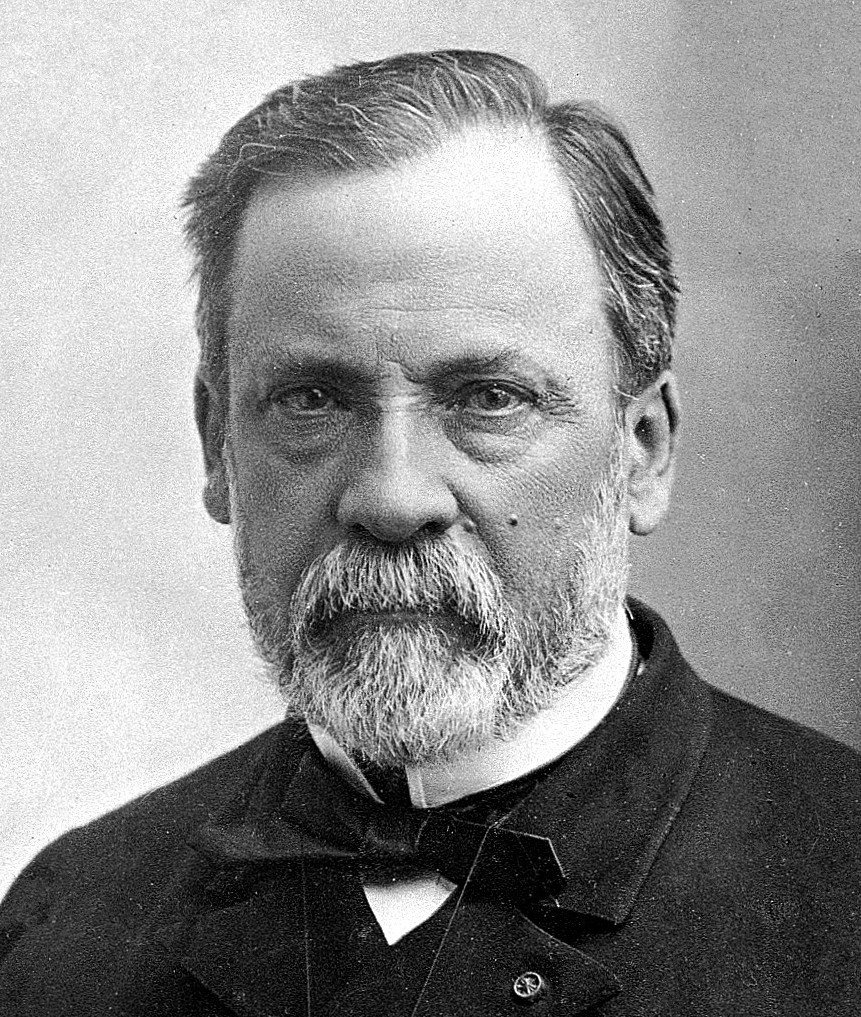
Louis Pasteur (1822 to 1895) was a French chemist and microbiologist whose experiments helped establish the germ theory of disease. He showed that microbes cause fermentation and spoilage, developed early vaccines against anthrax and rabies, and founded the research institute that bears his name. The heating process called pasteurization is named after him. Early life
Louis Pasteur Read More »
Louis Pasteur was a French chemist and microbiologist whose work on fermentation and vaccines helped establish the germ theory of disease.
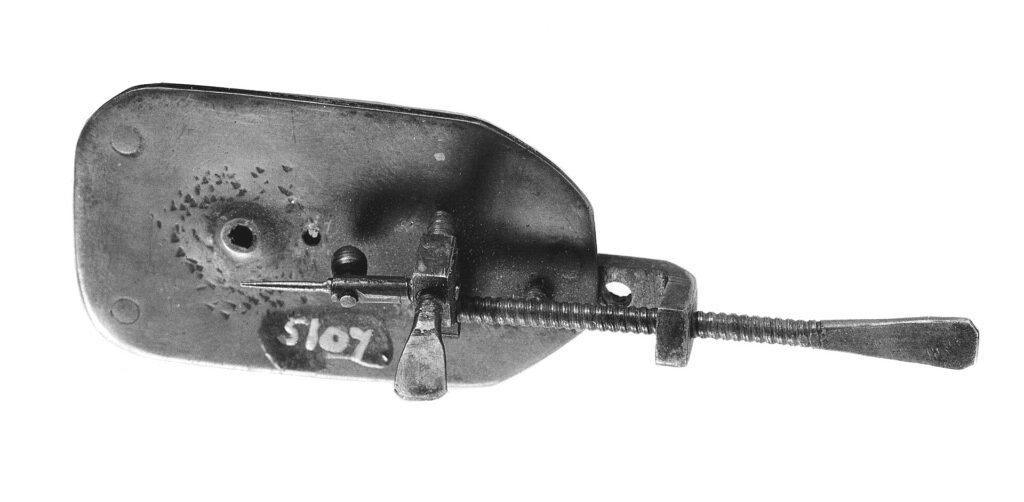
A microscope is an instrument that magnifies objects too small to see with the naked eye. The first compound microscopes appeared in the Netherlands around 1590, Robert Hooke used one to describe cells in 1665, and electron microscopes developed from the early 1930s extended the view to the scale of molecules. History of the microscope
Microscope Read More »
An instrument that magnifies objects too small to see by eye; compound microscopes appeared around 1590 and electron microscopes in the 1930s.
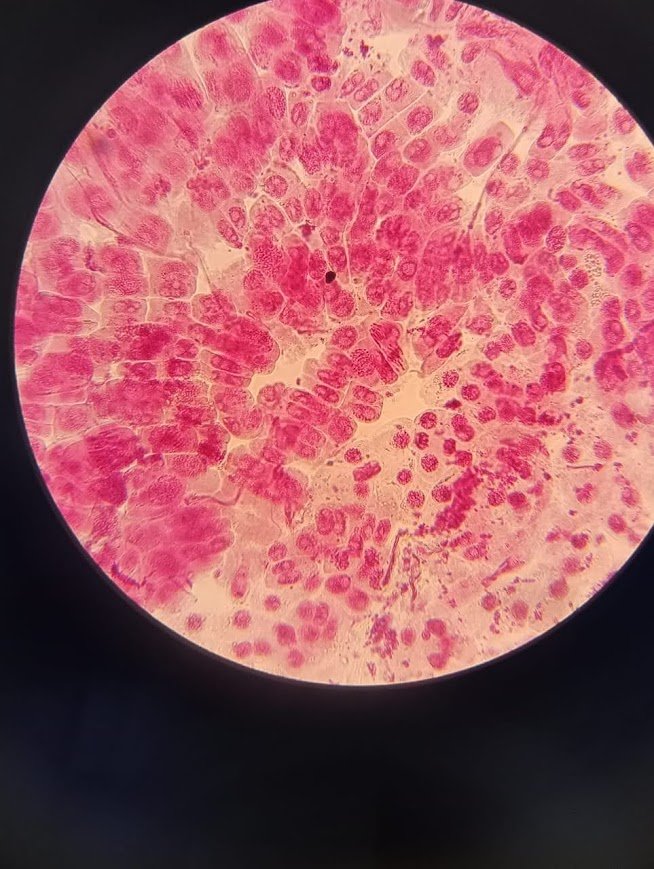
Mitosis is the process by which a single eukaryotic cell divides to produce two genetically identical daughter cells, each containing a complete copy of the original cell chromosomes. Mitosis is the mechanism behind growth, tissue repair, and the replacement of worn-out cells in multicellular organisms, and it is distinct from meiosis, the related process that
Mitosis Read More »
The process by which a eukaryotic cell divides to produce two genetically identical daughter cells.
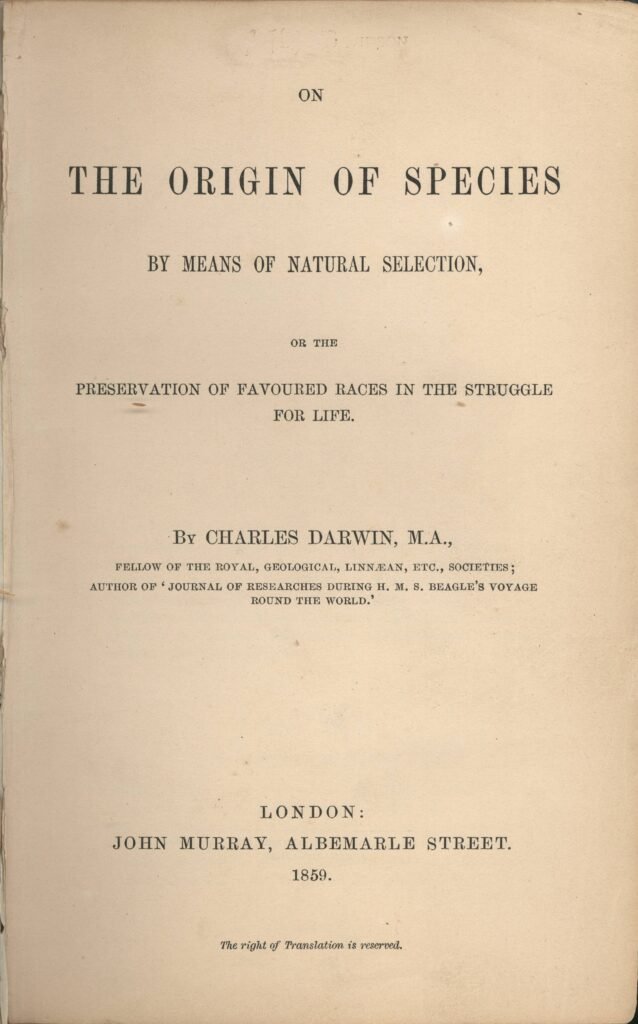
On the Origin of Species is a scientific book by the English naturalist Charles Darwin, published in London on 24 November 1859. It presents the case that species are not fixed but change over generations, and that the main mechanism of change is natural selection. It is regarded as the founding work of evolutionary biology.
On the Origin of Species Read More »
Charles Darwin's 1859 book presenting the theory that species change over time through natural selection.
In simple terms Photosynthesis is how plants, algae and some bacteria make their own food. They use energy from sunlight to turn carbon dioxide and water into sugars. Oxygen comes out as a byproduct. Almost every breath you take depends on it. How it works Three inputs are needed: carbon dioxide, water and light. Carbon
Photosynthesis Read More »
Photosynthesis is how plants, algae and some bacteria use sunlight to turn carbon dioxide and water into sugars, releasing oxygen.