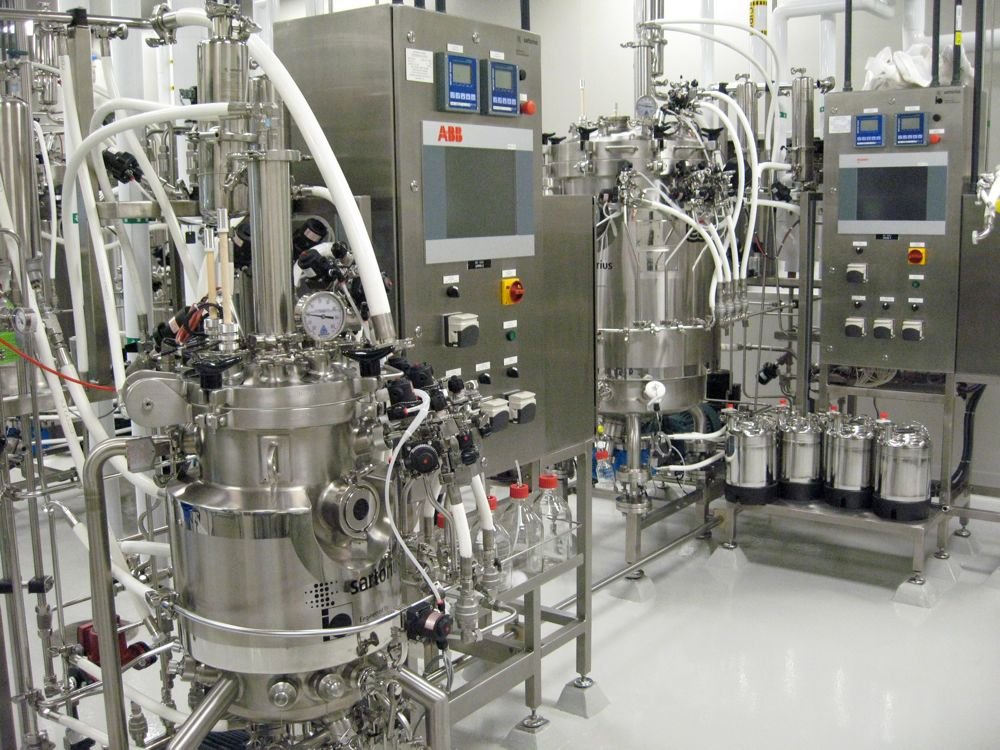
Biotechnology is the use of living organisms, cells or cell components, such as enzymes, to make products or develop new technologies. The journal Nature describes it as a broad discipline in which biological processes, organisms, cells or cellular components are exploited to develop new technologies. It covers old practices such as brewing and bread-making as
Biotechnology Read More »
Biotechnology uses living organisms, cells or cell components to make medicines, crops, foods and materials, and to develop new technologies.
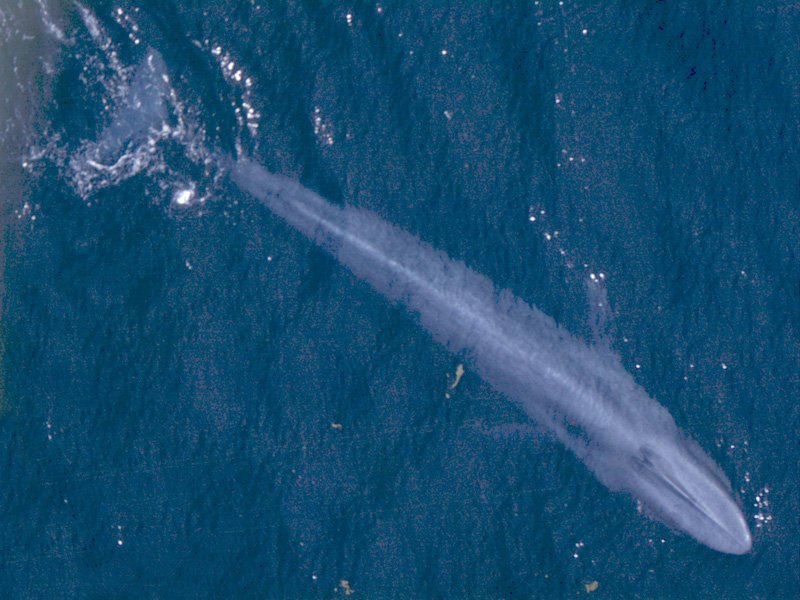
The blue whale (Balaenoptera musculus) is a marine mammal and the largest animal known to have ever lived. NOAA Fisheries reports that the biggest individuals reach about 110 feet in length and more than 330,000 pounds. Blue whales live in every ocean except the Arctic, feed almost entirely on krill, and are listed as an
Blue whale Read More »
The largest animal known to have lived, a baleen whale that feeds on krill and is listed as endangered.
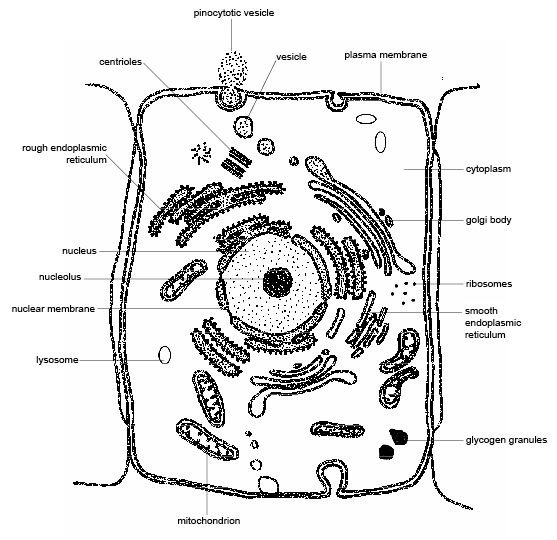
A cell is the smallest structural and functional unit of life, capable of carrying out all the basic processes that define something as living, including metabolism, growth, and reproduction. Every known living organism is composed of one or more cells, from single-celled bacteria to the roughly 37 trillion cells that make up an adult human
Cell (Biology) Read More »
The smallest structural and functional unit of life, capable of metabolism, growth, and reproduction.
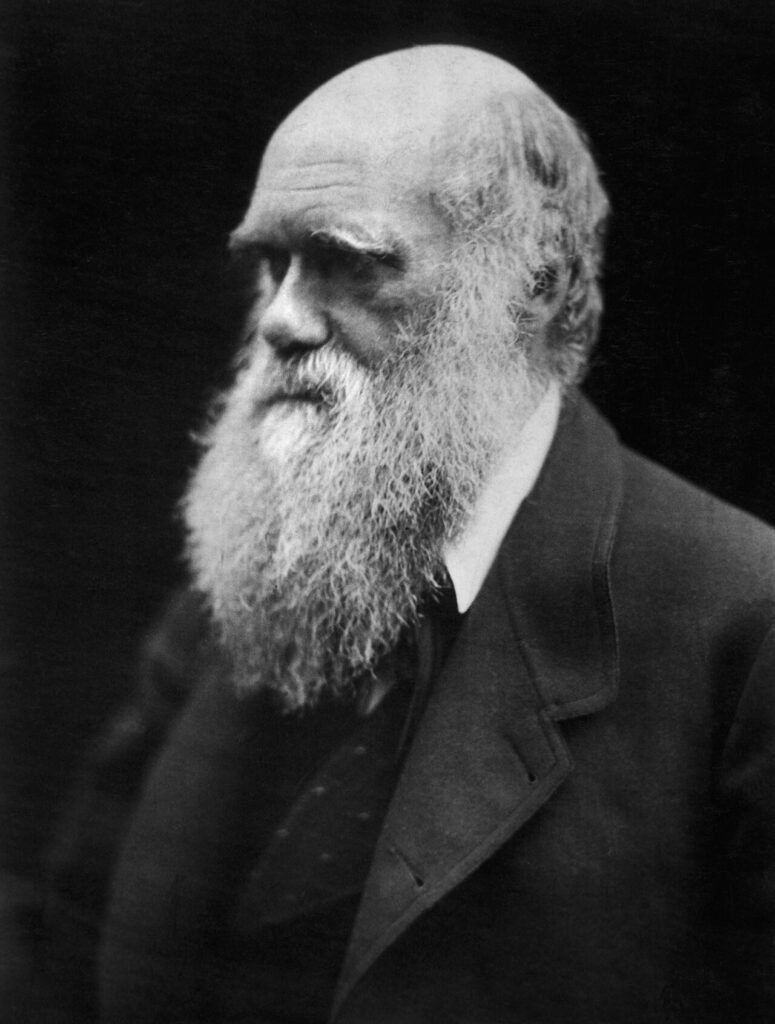
Charles Darwin (1809 to 1882) was an English naturalist who explained how species change over time through natural selection. His book On the Origin of Species, published in November 1859, made the case for evolution by this mechanism and became one of the most influential works in the history of science. Alfred Russel Wallace reached
Charles Darwin Read More »
An English naturalist who proposed that species evolve through natural selection, set out in On the Origin of Species in 1859.
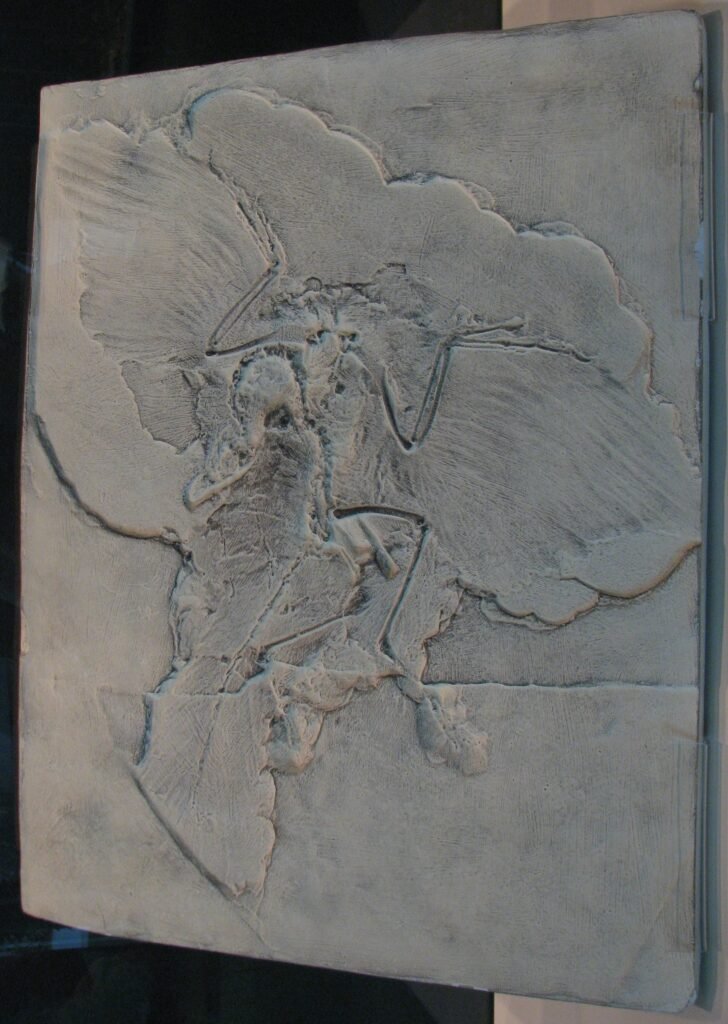
Archaeopteryx is a small feathered dinosaur of the Late Jurassic whose fossils were first found in 1861 in the Solnhofen limestone of Bavaria, Germany. The find combined dinosaur and bird features in one animal and became one of the best-known examples of a transitional fossil. Background The Solnhofen Limestone is a fine-grained rock formed about
Discovery of Archaeopteryx Read More »
The 1861 find of feathered fossils in Bavaria showed an animal with both dinosaur and bird features, now a classic transitional fossil.
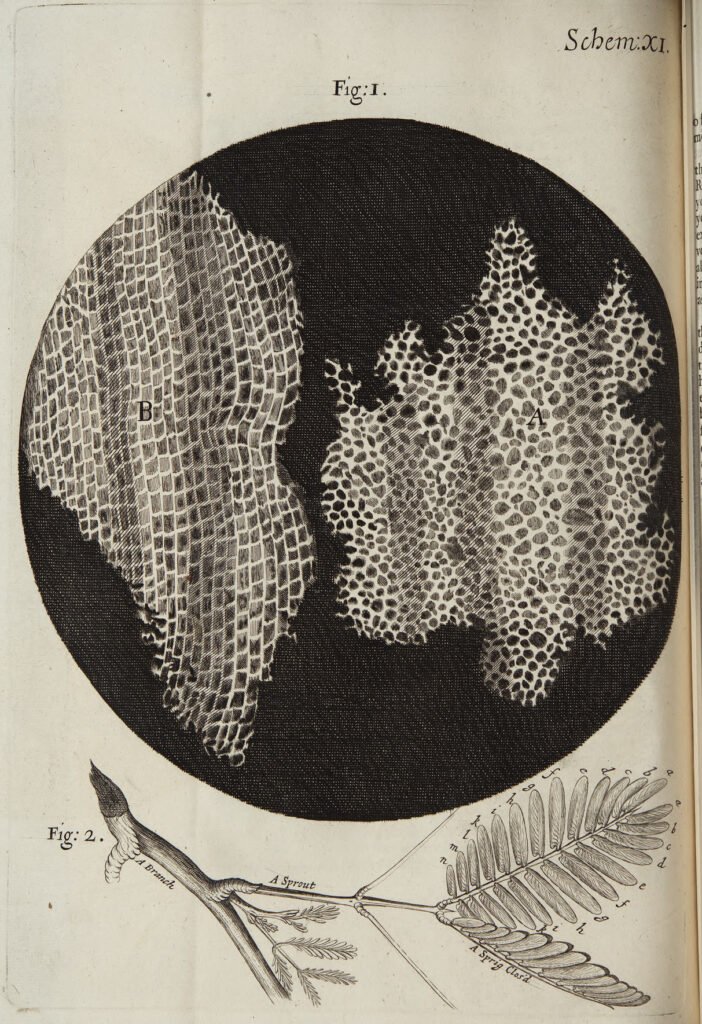
The discovery of cells began in 1665, when the English scientist Robert Hooke examined a thin slice of cork under a microscope and described its honeycomb-like chambers as “cells.” A few years later the Dutch merchant Antony van Leeuwenhoek became the first person to observe living single-celled organisms, which he called animalcules. Their work opened
Discovery of cells Read More »
The 1665 description of cork cells by Robert Hooke and the 1670s observation of living microorganisms by Antony van Leeuwenhoek.
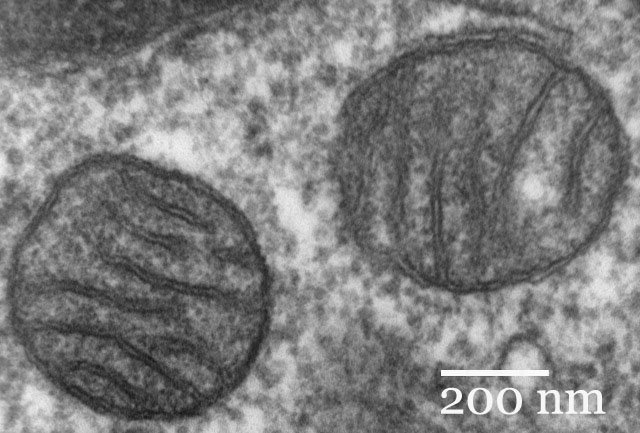
The discovery of mitochondria was a gradual process that ran from the first description of the structures by Rudolf Albrecht von Kölliker in 1857 to their naming by Carl Benda in 1898 and, in the 20th century, to the realization that they make the cell’s energy-carrying molecule ATP and descend from bacteria. Mitochondria are small
Discovery of mitochondria Read More »
The 1857 to 1898 description and naming of mitochondria by Kölliker, Altmann and Benda, followed by the finding that they power cells.
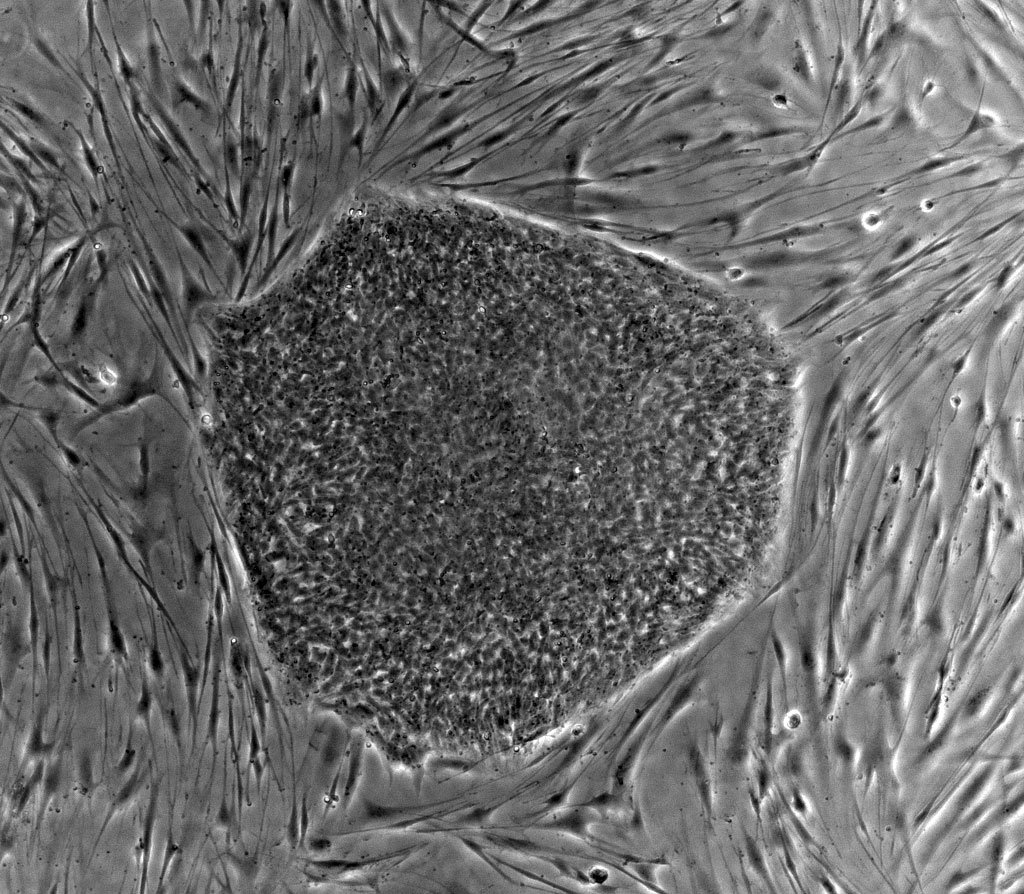
The discovery of stem cells was a series of findings between the early 1900s and the 2000s showing that some cells can renew themselves and give rise to specialized cell types. The key steps were the identification of blood-forming stem cells by James Till and Ernest McCulloch in the early 1960s, the culture of mouse
Discovery of stem cells Read More »
The finding, from the early 1960s to 2006, that some cells renew themselves and form specialized cells, led by Till, McCulloch, Evans, Thomson and Yamanaka.
The discovery of viruses was the finding, made in the 1890s, that some infectious diseases are caused by agents smaller than bacteria. Dmitri Ivanovsky and Martinus Beijerinck showed this for tobacco mosaic disease, and Friedrich Loeffler and Paul Frosch reached a similar conclusion for foot-and-mouth disease in 1898. Background In the late 19th century tobacco
Discovery of viruses Read More »
The 1890s finding by Ivanovsky, Beijerinck, Loeffler and Frosch that some infectious diseases are caused by agents smaller than bacteria.
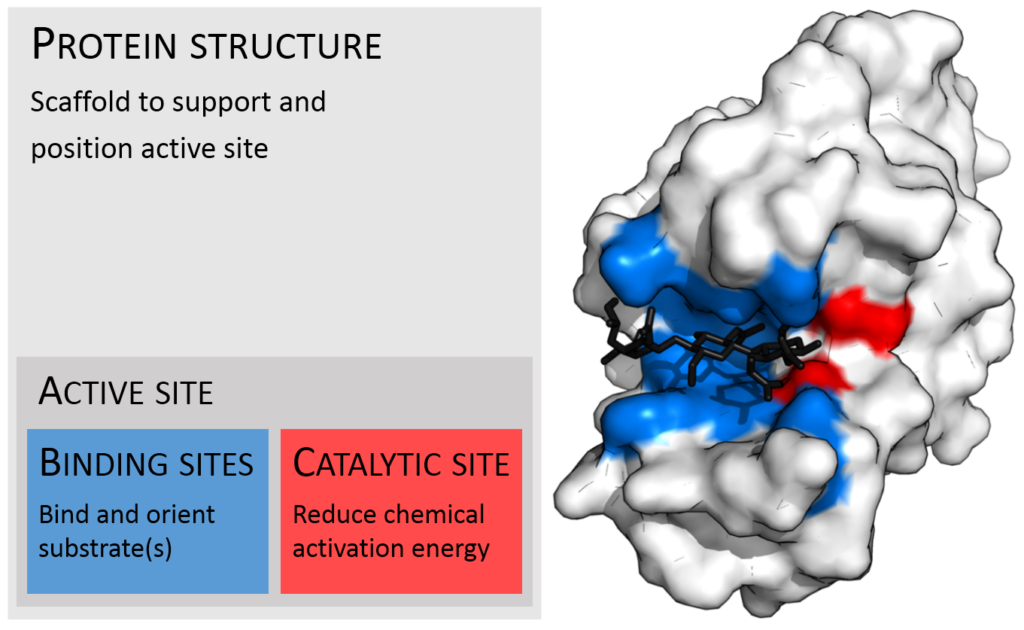
An enzyme is a biological molecule, almost always a protein, that speeds up a specific chemical reaction inside a living organism without itself being permanently changed or consumed in the process. Enzymes act as biological catalysts, often accelerating reactions that would otherwise occur far too slowly to sustain life, sometimes by factors of a million
Enzyme Read More »
A biological molecule, almost always a protein, that speeds up a specific chemical reaction without being consumed.