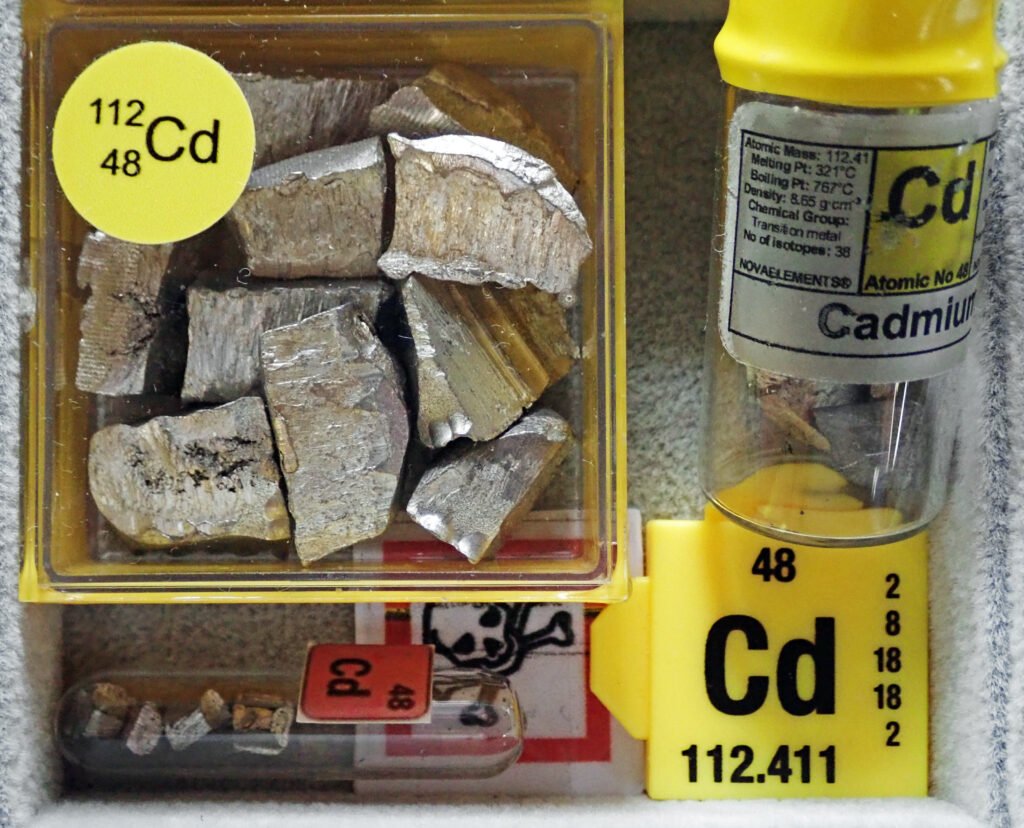
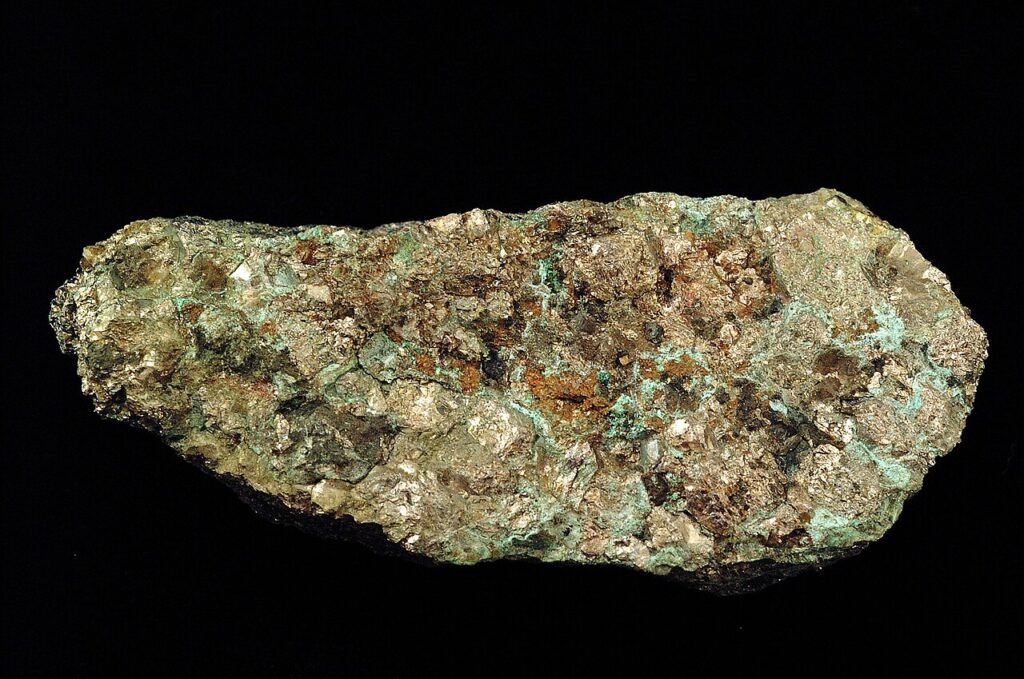
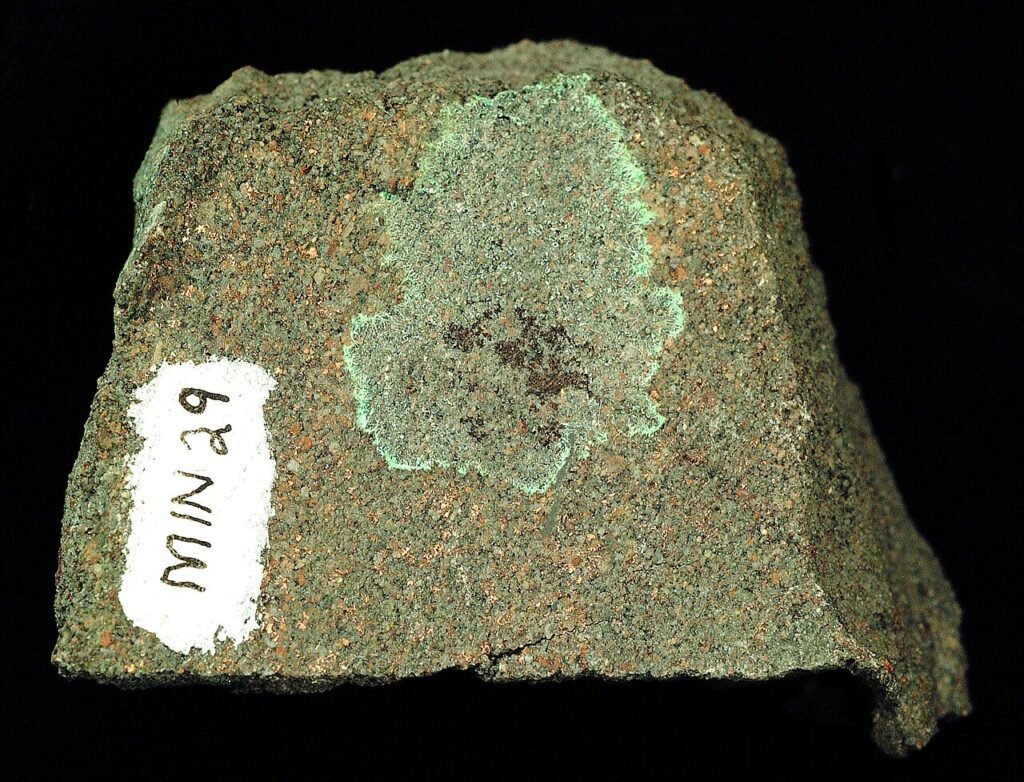
Cadmium is the chemical element with atomic number 48 and the symbol Cd. It is a silvery transition metal with a bluish tinge in group 12 of the periodic table. Cadmium is toxic and carcinogenic, and most of the metal produced has gone into rechargeable nickel-cadmium batteries, although many of its uses are now being
Cadmium Read More »
A silvery, toxic transition metal with atomic number 48 that is obtained from zinc refining and used mainly in nickel-cadmium batteries.
Calcium is the chemical element with atomic number 20 and the symbol Ca. It is a soft, silvery-white alkaline earth metal in group 2 of the periodic table, and it is the fifth most abundant metal in the Earth’s crust. Calcium is essential to bones, teeth and shells, and its compounds, such as limestone, are
Calcium Read More »
A soft, silvery-white alkaline earth metal with atomic number 20 that is essential to bones, teeth and shells.
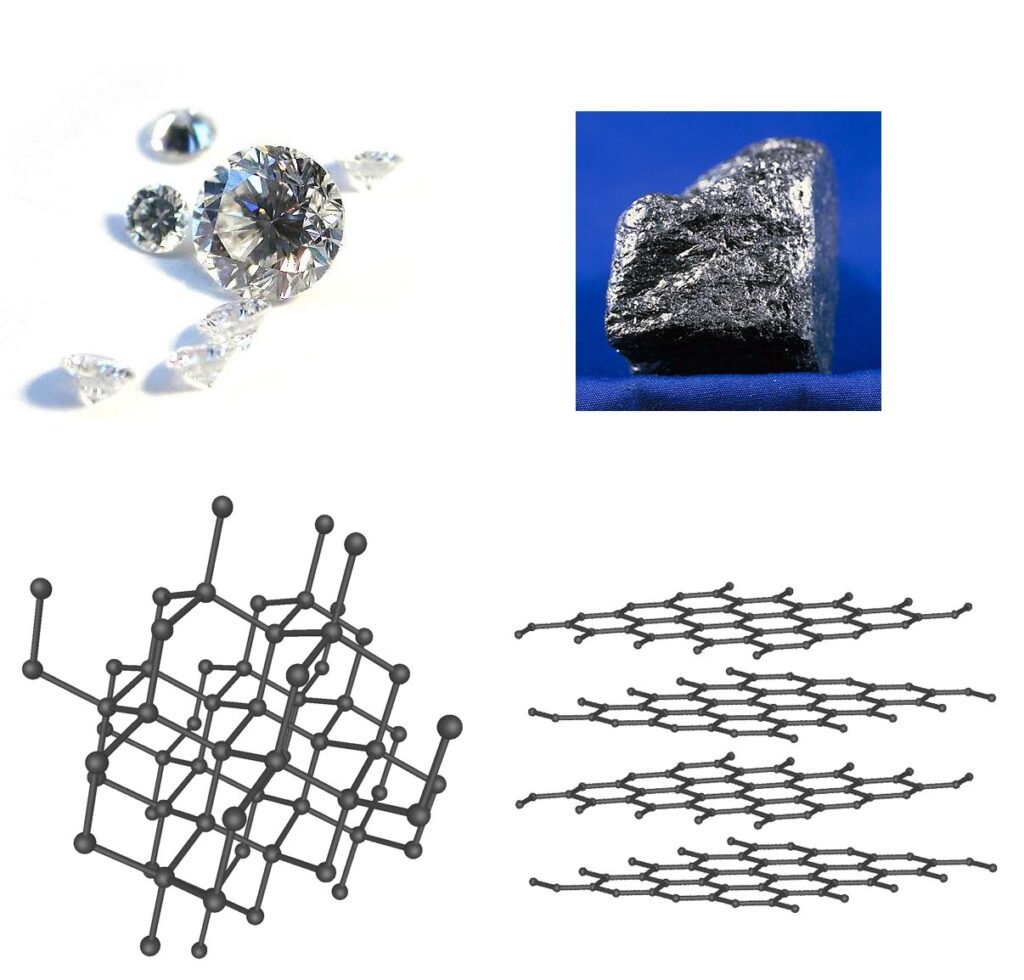
Carbon is the chemical element with atomic number 6 and the symbol C. It is a nonmetal in group 14 of the periodic table, and it is the element on which all known life is built. Carbon occurs in several very different forms, including soft graphite, hard diamond and the nanoscale materials called fullerenes and
Carbon Read More »
A nonmetal with atomic number 6 that forms diamond, graphite and the chains of organic chemistry, making it the basis of known life.
In simple terms A catalyst makes a chemical reaction go faster. It takes part in the reaction, then comes out unchanged and ready to work again. It does not force a reaction that could not happen anyway. It shortens the route to one that was already possible. How it works IUPAC defines a catalyst as
Catalyst (chemistry) Read More »
A catalyst is a substance that speeds up a chemical reaction without being consumed and without changing the reaction's overall energy balance.
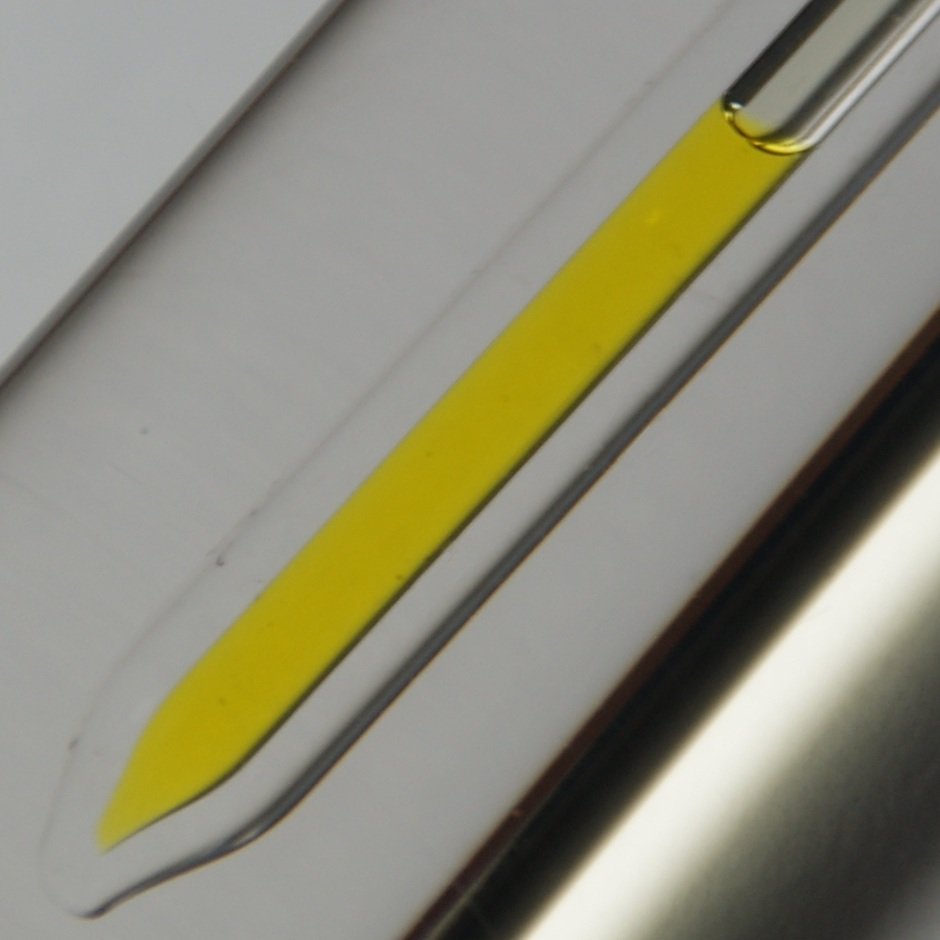
Chlorine is the chemical element with atomic number 17 and the symbol Cl. It is a yellow-green gas with a sharp, choking smell, and it belongs to the halogens in group 17 of the periodic table. Chlorine is toxic as a gas, yet its compounds are everywhere, from table salt to drinking water treatment and
Chlorine Read More »
A yellow-green, toxic gas with atomic number 17 that is used to disinfect water and to make plastics such as PVC.
Chromium is the chemical element with atomic number 24 and the symbol Cr. It is a hard, silvery metal with a faint blue tinge, and it belongs to group 6 of the periodic table. Chromium is best known for two jobs: it is the ingredient that makes stainless steel resist rust, and it supplies the
Chromium Read More »
A hard, silvery transition metal with atomic number 24, used to make stainless steel and chrome plating.
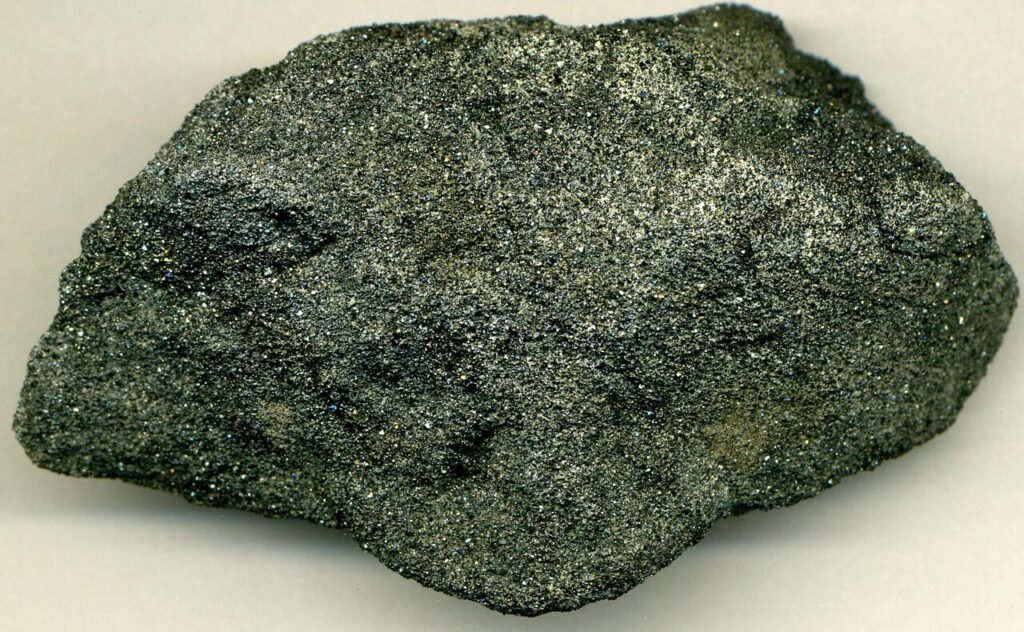
Cobalt is the chemical element with atomic number 27 and the symbol Co. It is a lustrous, silvery-blue, magnetic metal in group 9 of the periodic table. Cobalt has been valued for centuries as the source of a brilliant blue color, and today it is also important in strong magnets, high-temperature alloys and medicine. History
Cobalt Read More »
A lustrous, silvery-blue, magnetic metal with atomic number 27, used in magnets, alloys and blue pigments.
Copper is the chemical element with atomic number 29 and the symbol Cu. It is a reddish-gold metal in group 11 of the periodic table that is easily worked and drawn into wire. Copper conducts both heat and electricity very well, and most of it is used in electrical equipment, construction and industrial machinery. History
Copper Read More »
A reddish-gold metal with atomic number 29 that conducts heat and electricity well and is used in wiring and bronze.
In simple terms A covalent bond is what holds two atoms together when they share electrons. Molecules are built from them. Sharing suits atoms whose outer electron shells are incomplete. Each atom contributes, and both end up more stable than they were apart. How it works IUPAC describes a covalent bond as a region of
Covalent bond Read More »
A covalent bond holds two atoms together through shared electrons, creating a dense region of electron charge between their nuclei.
The periodic table is an arrangement of the chemical elements by increasing atomic number, laid out so that elements with similar chemical behavior line up in columns. The Russian chemist Dmitri Mendeleev published the first widely influential version in 1869, and he used the gaps in it to predict elements that nobody had yet found.
Discovery of the periodic table Read More »
Dmitri Mendeleev’s 1869 arrangement of the elements by weight and chemical behavior, which predicted undiscovered elements and became the periodic table.