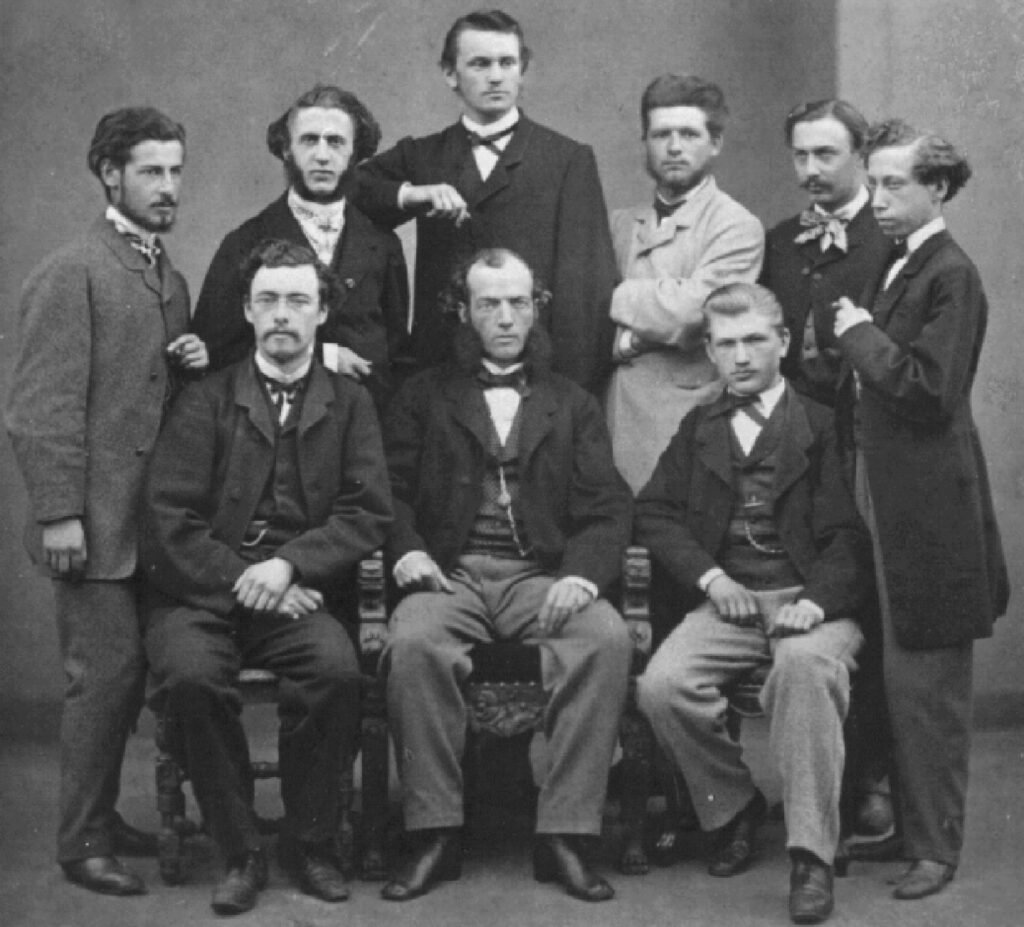
The structure of benzene, a ring of six carbon atoms, was worked out over more than a century. Michael Faraday first isolated the substance in 1825, August Kekulé proposed the ring in 1865, and X-ray crystallography in the late 1920s showed that the ring is flat and symmetrical. Background In the early nineteenth century London
Discovery of the structure of benzene Read More »
Faraday isolated benzene in 1825, Kekulé proposed its ring in 1865, and Lonsdale’s 1929 crystallography showed a flat hexagon of equal bonds.
Dynamite is an explosive made by absorbing nitroglycerin in an inert material so that it can be handled and transported more safely. It was patented in 1867 by the Swedish inventor Alfred Nobel, who also devised the blasting cap used to set it off. Dynamite made roads, tunnels, canals and mines cheaper to build in
Dynamite Read More »
An explosive made by absorbing nitroglycerin in an inert earth so it can be handled safely, patented by Alfred Nobel in 1867.
Fluorine is the chemical element with atomic number 9 and the symbol F. It is a very pale yellow-green gas in group 17, the halogens, and it is the most reactive of all the elements. In nature it occurs only in compounds, and the fluoride ions in those compounds are familiar from toothpaste, drinking water
Fluorine Read More »
A pale yellow-green gas, atomic number 9, the most reactive element, found as fluorides used in toothpaste, plastics and nuclear fuel processing.
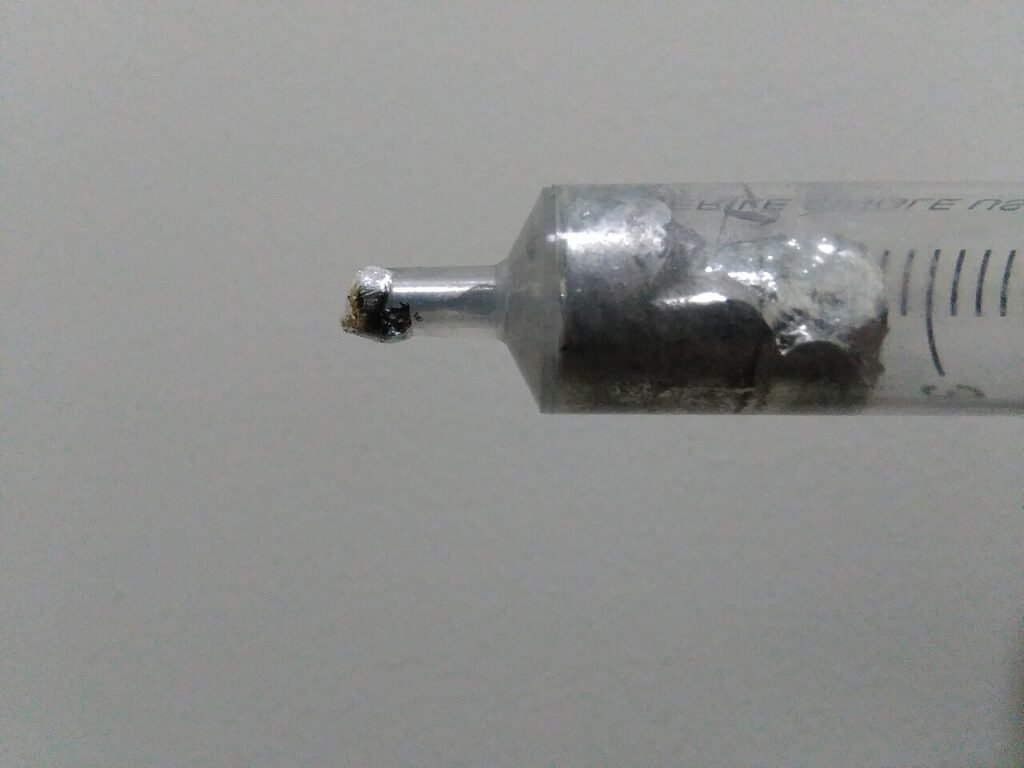
Gallium is the chemical element with atomic number 31 and the symbol Ga. It is a soft, silvery-white metal in group 13 of the periodic table, similar in appearance to aluminum. Gallium melts at a temperature just below that of the human body, and it is an important ingredient in modern semiconductors and light-emitting diodes.
Gallium Read More »
A soft, silvery-white metal with atomic number 31 that melts near 30 degrees Celsius and is used in semiconductors and LEDs.
Gold is the chemical element with atomic number 79 and the symbol Au. It is a soft, yellow metal that is chemically unreactive, dissolving only in a special acid mixture. Gold has been used for jewelry, coins and ornament since prehistoric times, and it is now also important in electronics, dentistry and chemical manufacturing. History
Gold Read More »
A soft, yellow, chemically unreactive metal with atomic number 79, used for jewelry, coinage and electronics.
Gunpowder, also called black powder, is a mixture of saltpeter (potassium nitrate), sulfur and charcoal that burns very quickly and can drive projectiles from a barrel. Chinese alchemists developed it before the 11th century, and its use in weapons spread across Asia and into Europe in the 13th and 14th centuries. History of gunpowder Gunpowder
Gunpowder Read More »
A mixture of saltpeter, sulfur and charcoal that burns rapidly to propel projectiles, developed by Chinese alchemists before the 11th century.
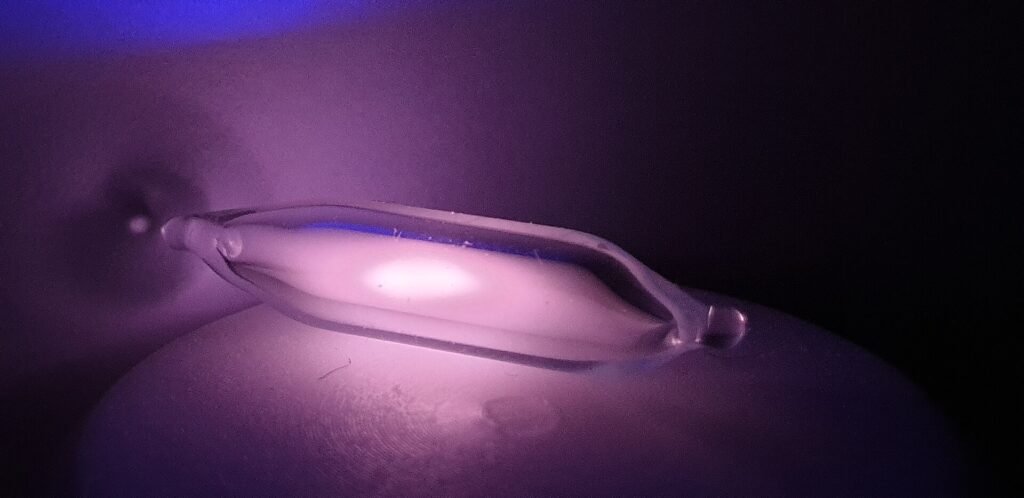
Helium is the chemical element with atomic number 2 and the symbol He. It is a colorless, odorless gas that is almost completely unreactive, and it is the first member of the noble gas family in group 18 of the periodic table. After hydrogen it is the second most abundant element in the universe, yet
Helium Read More »
The second-lightest chemical element, atomic number 2, an inert colorless gas and the second most abundant element in the universe.
Hydrogen is the chemical element with atomic number 1, the lightest and simplest of all the elements. Its neutral atom contains one proton and one electron. Under ordinary conditions it exists as a colorless, odorless, tasteless gas made of two-atom molecules written H2. Hydrogen is the most plentiful element in the universe, and it powers
Hydrogen Read More »
The lightest chemical element, atomic number 1, a colorless gas that is the most abundant element in the universe.
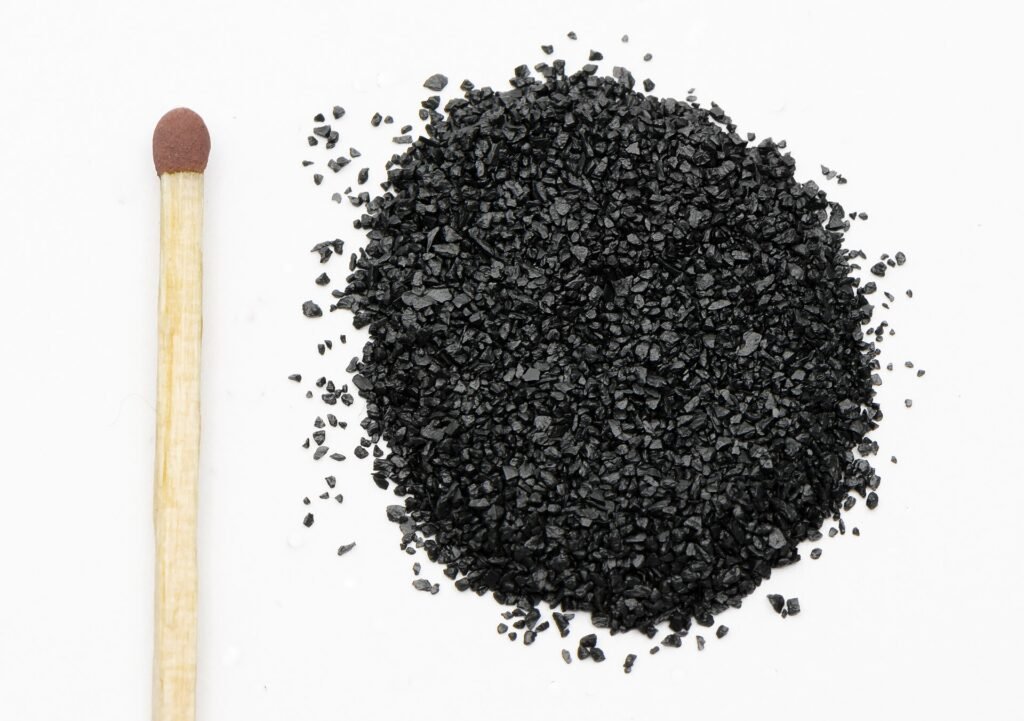
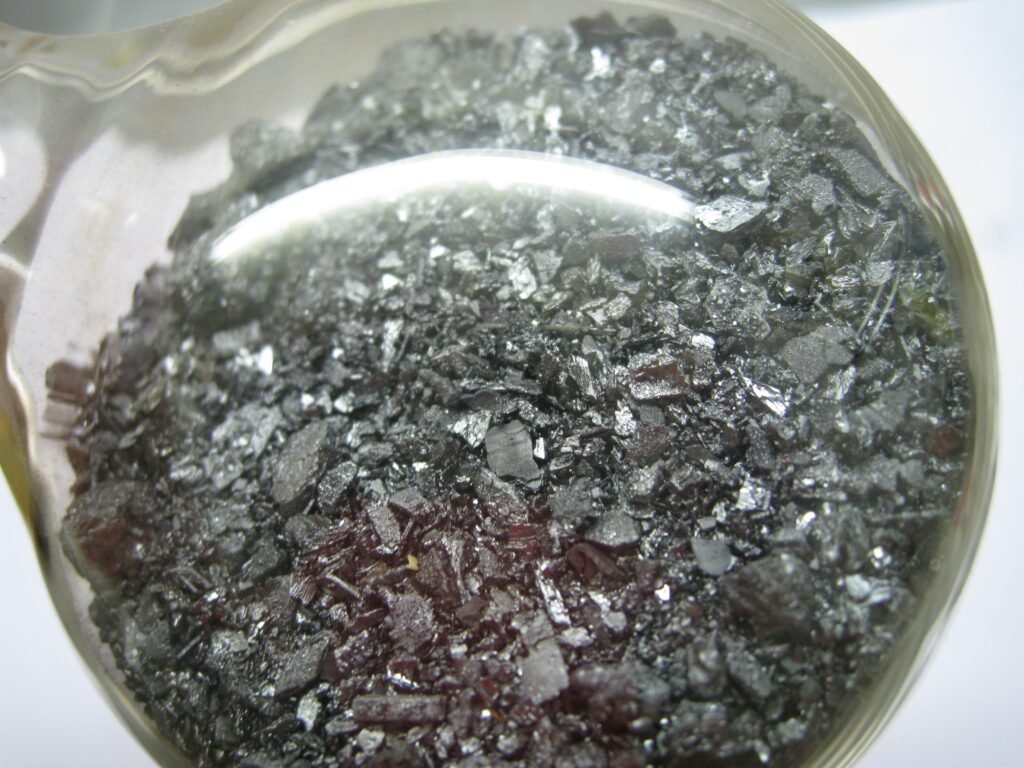
Iodine is the chemical element with atomic number 53 and the symbol I. It is a black, shiny, crystalline solid in group 17 of the periodic table, and when heated it forms a purple vapor. Iodine is an essential nutrient for humans, needed by the thyroid gland, and it is added in small amounts to
Iodine Read More »
A black, shiny halogen solid with atomic number 53 that forms purple vapor and is essential to the thyroid gland in humans.
Iron is the chemical element with atomic number 26 and the symbol Fe. It is a shiny, grayish metal in group 8 of the periodic table that rusts in damp air. Even so, it is the most important of all metals: about 90 percent of the metal refined today is iron, most of it made
Iron Read More »
A shiny, grayish metal with atomic number 26 that is the main ingredient of steel and essential to life.