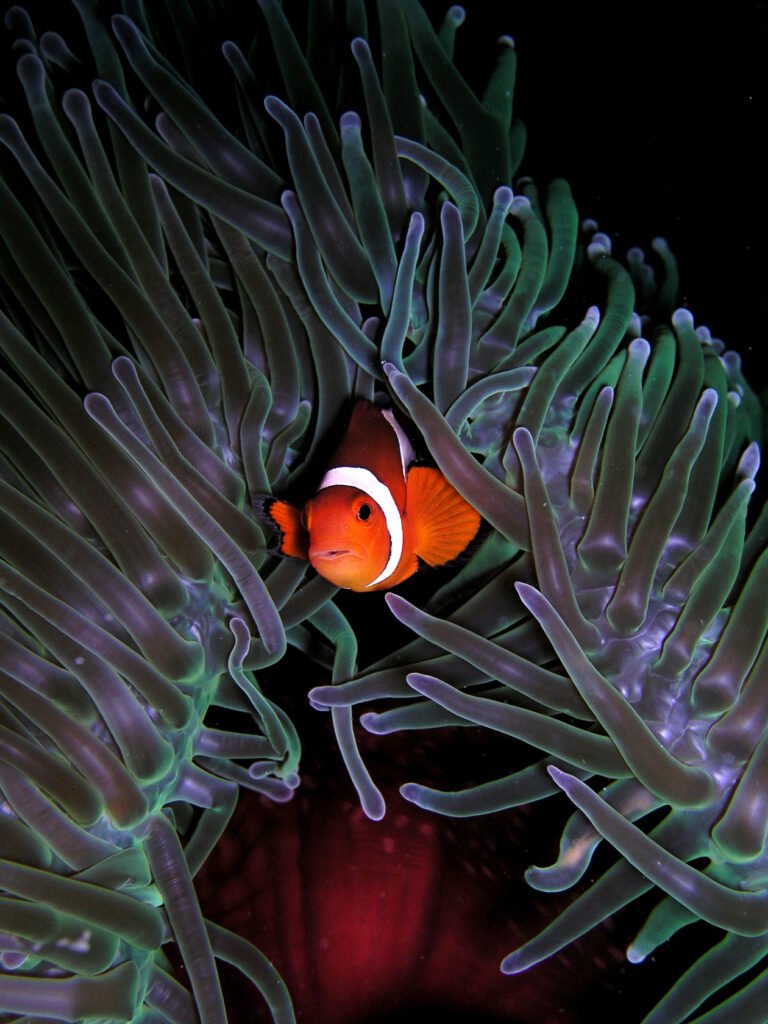
Symbiosis is a close, long-term biological interaction between two different species living in direct contact with one another, a relationship that can benefit both species, benefit one while harming or having no effect on the other, or in some classifications, benefit one while actively harming the other. The term comes from Greek roots meaning “living together,” and symbiotic relationships are found throughout every major ecosystem on Earth, from coral reefs to the human gut, where microbial communities play essential roles in digestion and immune function.
Biologists typically divide symbiotic relationships into several broad categories based on how each partner is affected: mutualism, in which both species benefit; commensalism, in which one species benefits while the other is largely unaffected; and parasitism, in which one species benefits at the direct expense of the other. Some researchers also recognize amensalism, in which one species is harmed while the other is unaffected, though this category is less consistently included in basic symbiosis frameworks.
Mutualistic Relationships
Mutualism represents some of the most ecologically significant symbiotic relationships, including the partnership between flowering plants and their pollinators, in which plants gain reproductive assistance while pollinators receive nectar or pollen as a food source. Coral reefs depend on a mutualistic relationship between coral animals and microscopic algae called zooxanthellae, which live within coral tissue and provide the coral with energy through photosynthesis in exchange for a protected living environment and access to nutrients.
Mycorrhizal fungi form another widespread mutualistic relationship, connecting with the root systems of the vast majority of land plant species to exchange soil nutrients and water for carbohydrates produced through photosynthesis, a relationship so fundamental to plant nutrition that many forest and grassland ecosystems would struggle to function without it.
Commensalism and Parasitism
Commensal relationships are common throughout nature, such as cattle egrets that follow grazing animals to feed on insects stirred up as the larger animals move through grass, benefiting the bird while having little measurable effect on the grazing animal itself. Many epiphytic plants, which grow on the surface of trees without drawing nutrients directly from them, represent another classic example of commensalism.
Parasitic relationships, by contrast, involve one organism benefiting at the clear expense of the other, ranging from internal parasites such as tapeworms that live within a host’s digestive system to external parasites such as ticks that feed on a host’s blood. Parasites have evolved an extraordinary range of strategies for locating hosts, evading immune responses, and in some cases altering host behavior to improve their own transmission to new hosts.
Symbiosis in Evolution
Some of the most significant events in the history of life are now understood to have originated through symbiotic relationships that became permanent over evolutionary time, a process called endosymbiosis. The mitochondria found in nearly all complex cells, and the chloroplasts found in plant cells, are both believed to have originated as free-living bacteria that were engulfed by an ancestral cell and eventually became permanent, essential components of that cell rather than separate organisms.
This endosymbiotic theory, first proposed in detail by biologist Lynn Margulis in the 1960s, fundamentally reshaped scientific understanding of how complex cellular life evolved, suggesting that cooperation between organisms, not just competition, has been a central driving force throughout evolutionary history.
Symbiosis and Human Health
The human body hosts trillions of microorganisms, collectively known as the human microbiome, many of which exist in a largely mutualistic relationship with their host, aiding digestion, synthesizing certain vitamins, and helping train the immune system, in exchange for a stable, nutrient-rich environment in which to live. Disruptions to this microbial community, whether through antibiotic use, diet, or illness, have been linked to a growing range of health effects, making the human microbiome an active area of medical research.
Some human pathogens represent the parasitic end of the symbiotic spectrum, deriving resources from the human body while causing disease, and understanding the specific symbiotic strategies these organisms use to evade the immune system has become an important focus for developing new treatments and vaccines.
Symbiosis Under Environmental Stress
Many symbiotic relationships are sensitive to environmental change, a vulnerability dramatically illustrated by coral bleaching, in which rising ocean temperatures cause corals to expel their symbiotic algae, leaving the coral without its primary energy source and often leading to its death if temperatures do not return to normal quickly enough. This breakdown of a fundamental mutualistic relationship under climate stress has become one of the most visible and consequential examples of how symbiosis can fail when environmental conditions shift beyond what the partnership evolved to tolerate.
Researchers studying coral resilience have found that some coral populations host more heat-tolerant strains of symbiotic algae, a discovery that has spurred interest in whether deliberately introducing more resilient algal partners could help some reef systems better withstand continued ocean warming in the coming decades.
FAQ
What are the three main categories of symbiosis?
The three main categories are mutualism, in which both species benefit; commensalism, in which one benefits while the other is largely unaffected; and parasitism, in which one benefits at the other’s expense.
What is endosymbiotic theory?
Endosymbiotic theory holds that mitochondria and chloroplasts originated as free-living bacteria that were engulfed by an ancestral cell and became permanent, essential parts of it, a process first proposed in detail by biologist Lynn Margulis.
Why does coral bleaching happen?
Coral bleaching occurs when rising ocean temperatures cause corals to expel their symbiotic algae, removing the coral’s main energy source and often leading to its death if conditions do not improve quickly.
More in Ecology
Related concepts
Editorially reviewed by Specialty Digest Editorial TeamLast reviewed November 4, 2026Researched and drafted with AI assistanceReport an issue