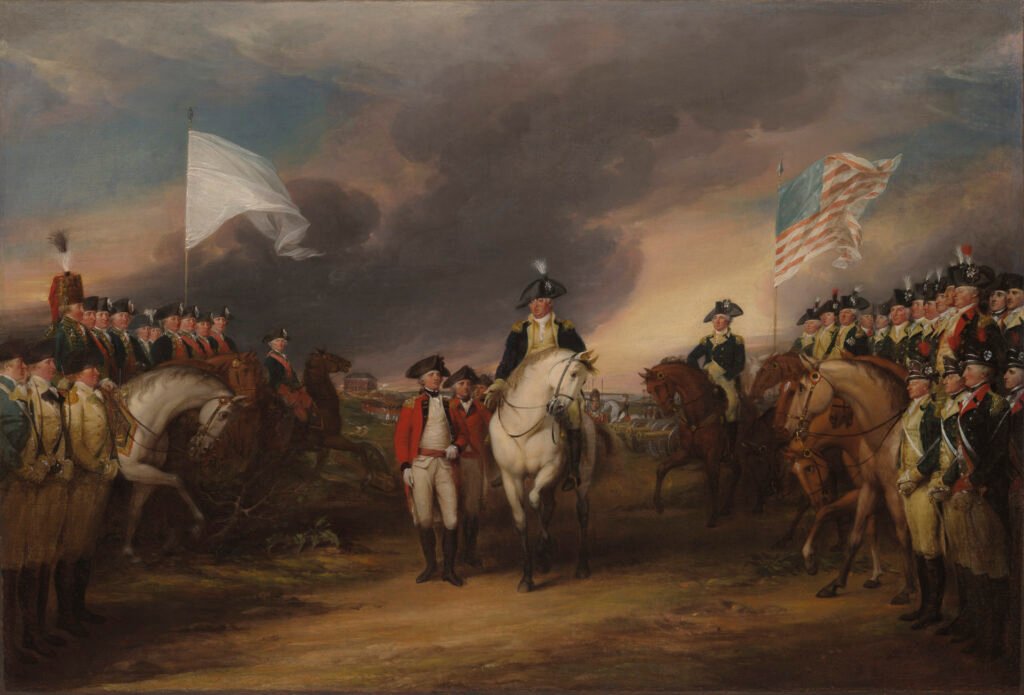
The American Revolution was the political upheaval and war, fought from 1775 to 1783, in which thirteen British colonies in North America broke away from Great Britain and became the United States. It grew out of disputes over taxation and self-government, turned into open war when fighting broke out in Massachusetts on 19 April 1775,
American Revolution Read More »
The American Revolution was the 1775 to 1783 conflict in which thirteen British colonies won independence and formed the United States.
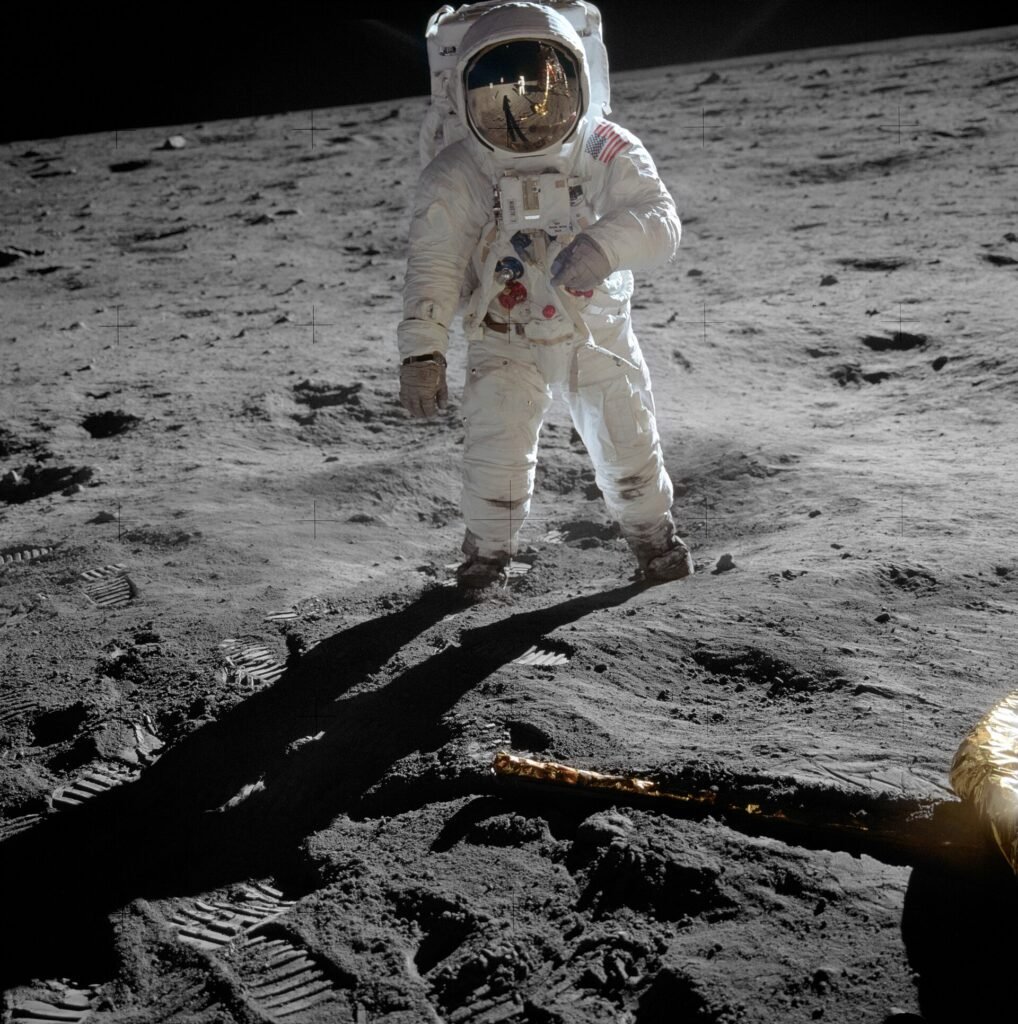
The Apollo 11 moon landing was the first time humans landed on the Moon. The astronauts Neil Armstrong and Buzz Aldrin set the lunar module Eagle down in the Sea of Tranquility on 20 July 1969. [1] The NASA mission met a national goal set by President John F. Kennedy in 1961, and the crew
Apollo 11 moon landing Read More »
The Apollo 11 moon landing was the first crewed landing on the Moon, completed by Armstrong and Aldrin on 20 July 1969.
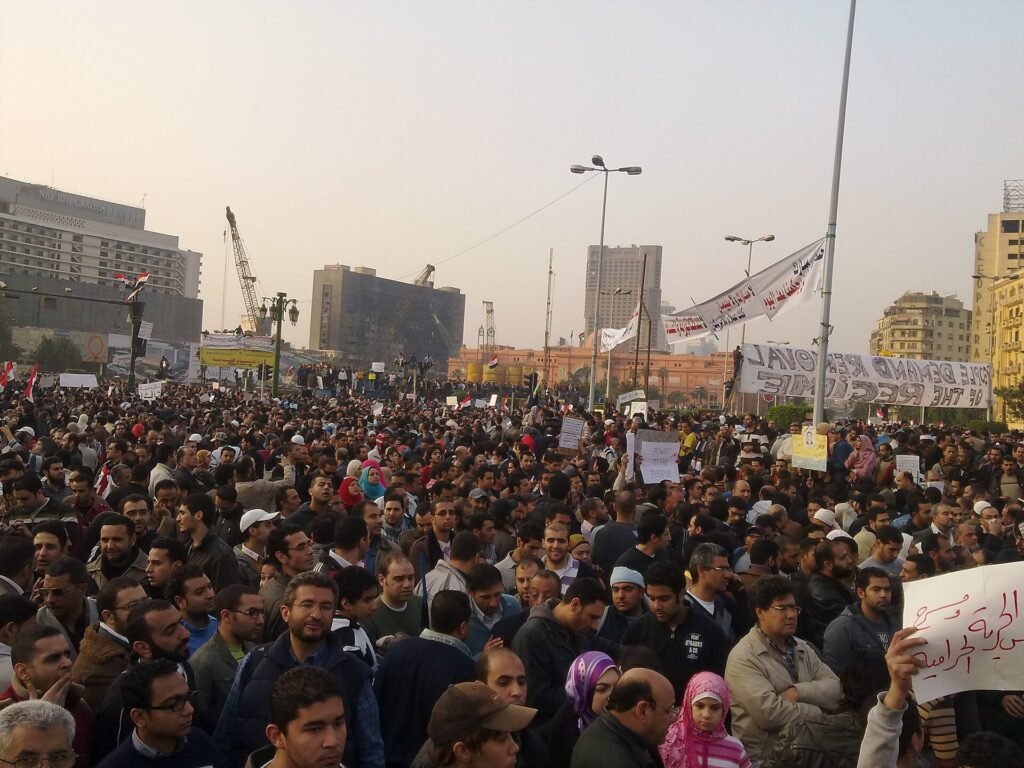
The Arab Spring was a wave of protests and uprisings against authoritarian governments that began in Tunisia in December 2010 and spread across the Middle East and North Africa in 2011. It removed long-serving rulers in Tunisia, Egypt, Libya and Yemen, and it led to civil wars in Libya, Yemen and Syria. Background to the
Arab Spring Read More »
A wave of protests and uprisings that began in Tunisia in December 2010 and toppled rulers in Tunisia, Egypt, Libya and Yemen in 2011.
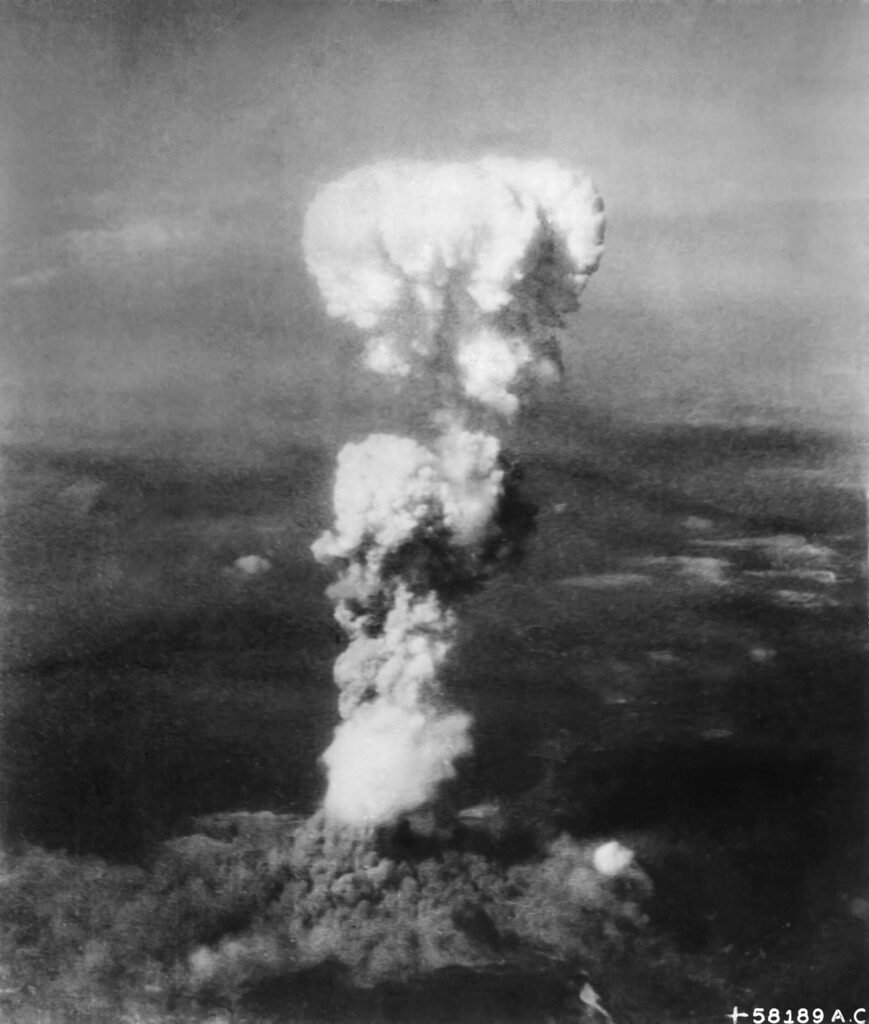
The atomic bombings of Hiroshima and Nagasaki were the first and only uses of nuclear weapons in war. The United States dropped a uranium bomb on Hiroshima on 6 August 1945 and a plutonium bomb on Nagasaki on 9 August 1945, killing tens of thousands of people at once and many more in the following
Atomic bombings of Hiroshima and Nagasaki Read More »
The US atomic bombings of two Japanese cities on 6 and 9 August 1945, the only use of nuclear weapons in war, days before Japan surrendered.
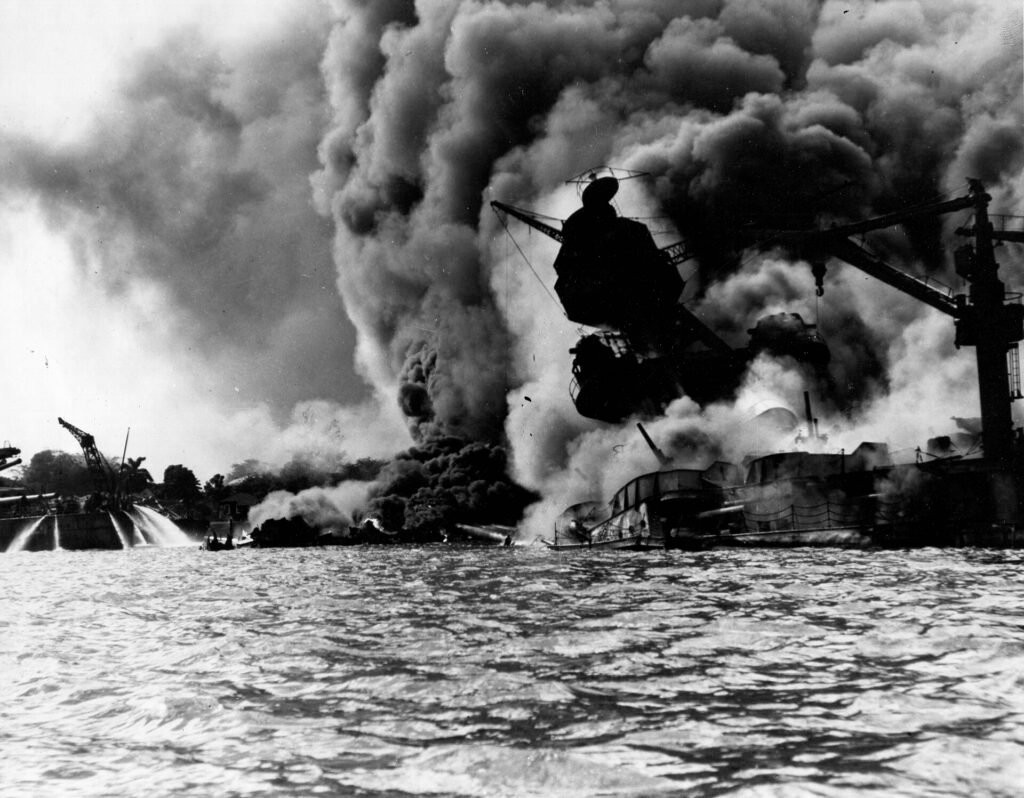
The attack on Pearl Harbor was a surprise Japanese air and naval strike on the United States Pacific Fleet at Oahu, Hawaii, on Sunday, 7 December 1941. More than 2,400 Americans were killed, and the United States entered World War II the following day. The raid sank or damaged many ships and aircraft, but the
Attack on Pearl Harbor Read More »
The surprise Japanese air raid on the US Pacific Fleet in Hawaii on 7 December 1941, which brought the United States into World War II.
Attu and Kiska are two islands in the far western Aleutians that Japanese forces occupied on June 6–7, 1942, the only part of North America occupied by Axis forces in World War II. U.S. forces recaptured Attu in the Battle of Attu from May 11 to 29, 1943, and landed on Kiska on August 15,
Attu and Kiska in World War II Read More »
Attu and Kiska were occupied by Japan in June 1942 and retaken by the Allies in 1943.
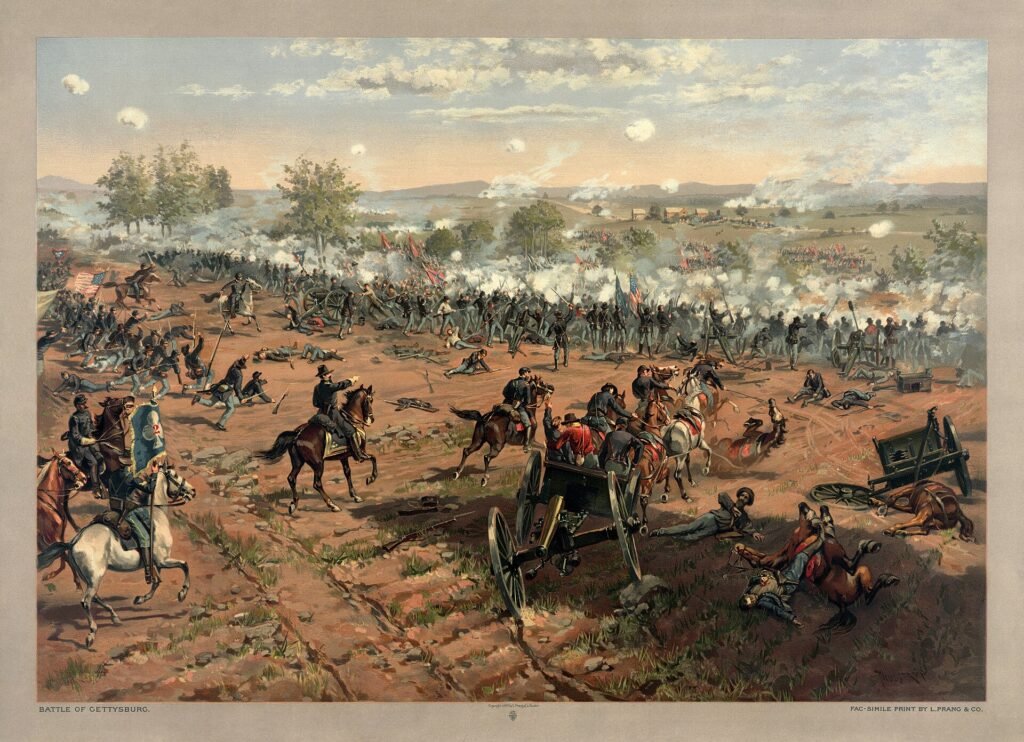
The Battle of Gettysburg was fought from 1 to 3 July 1863 around the town of Gettysburg, Pennsylvania, between the Union Army of the Potomac and the Confederate Army of Northern Virginia. It was the largest battle of the American Civil War and, by most estimates, the bloodiest, with more than 50,000 casualties. The Union
Battle of Gettysburg Read More »
The Battle of Gettysburg was the 1 to 3 July 1863 Civil War battle in Pennsylvania that ended Robert E. Lee's invasion of the North.
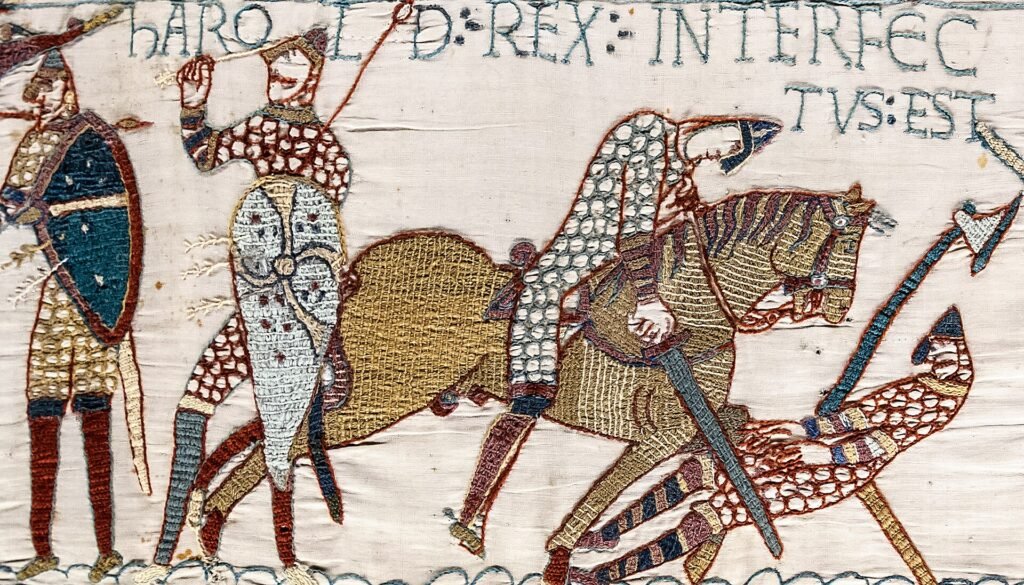
The Battle of Hastings was fought on 14 October 1066, when the Norman army of William, Duke of Normandy, defeated the English army of King Harold II on a ridge about seven miles from Hastings in southern England. Harold was killed in the fighting, and William was crowned king of England on Christmas Day. The
Battle of Hastings Read More »
The Battle of Hastings was the 14 October 1066 victory of William of Normandy over King Harold II, which began the Norman Conquest of England.
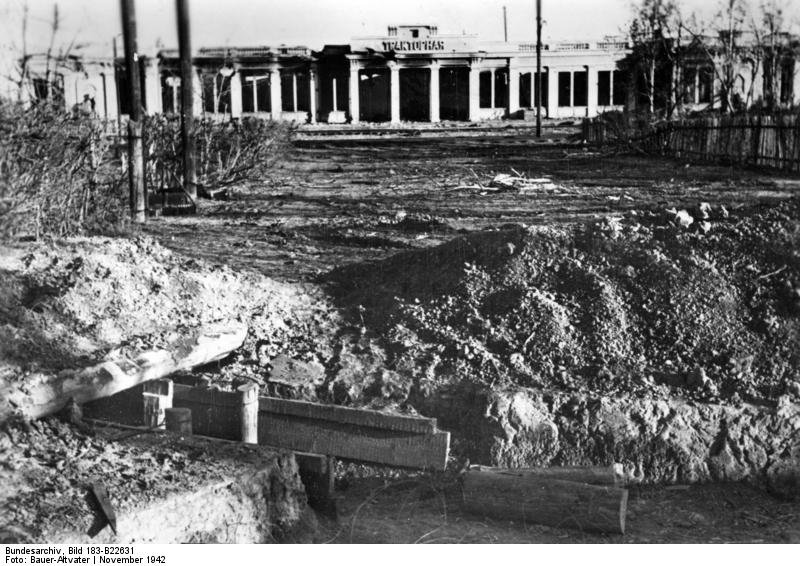
The Battle of Stalingrad was a major battle of World War II fought from 17 July 1942 to 2 February 1943 between German-led Axis forces and the Soviet Red Army for control of the city of Stalingrad, now Volgograd, on the Volga River in the Soviet Union. It ended with the surrender of the German
Battle of Stalingrad Read More »
The Battle of Stalingrad was the Soviet encirclement and defeat of Germany's Sixth Army in 1942 and 1943.
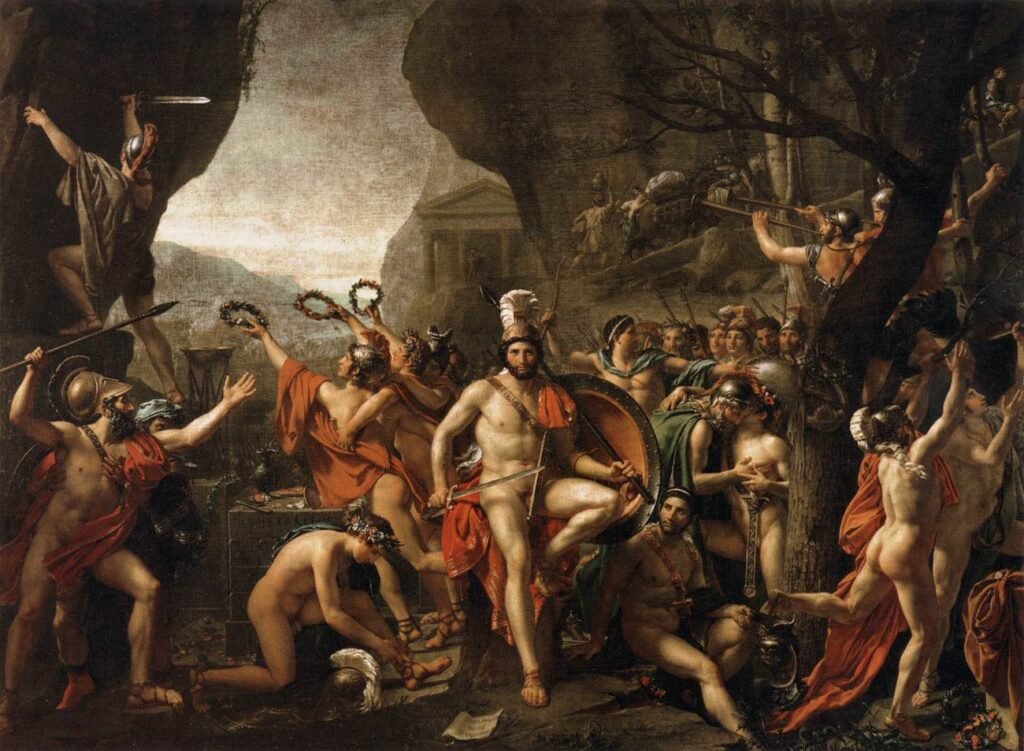
The Battle of Thermopylae was a three-day battle fought in August 480 BCE between a Greek alliance led by the Spartan king Leonidas and the invading Persian army of King Xerxes I. It took place at a narrow coastal pass in northern Greece. Although the Greeks were greatly outnumbered and were ultimately defeated, their stand
Battle of Thermopylae Read More »
The Battle of Thermopylae was the August 480 BCE stand of Leonidas and a small Greek force against the Persian army of Xerxes I.