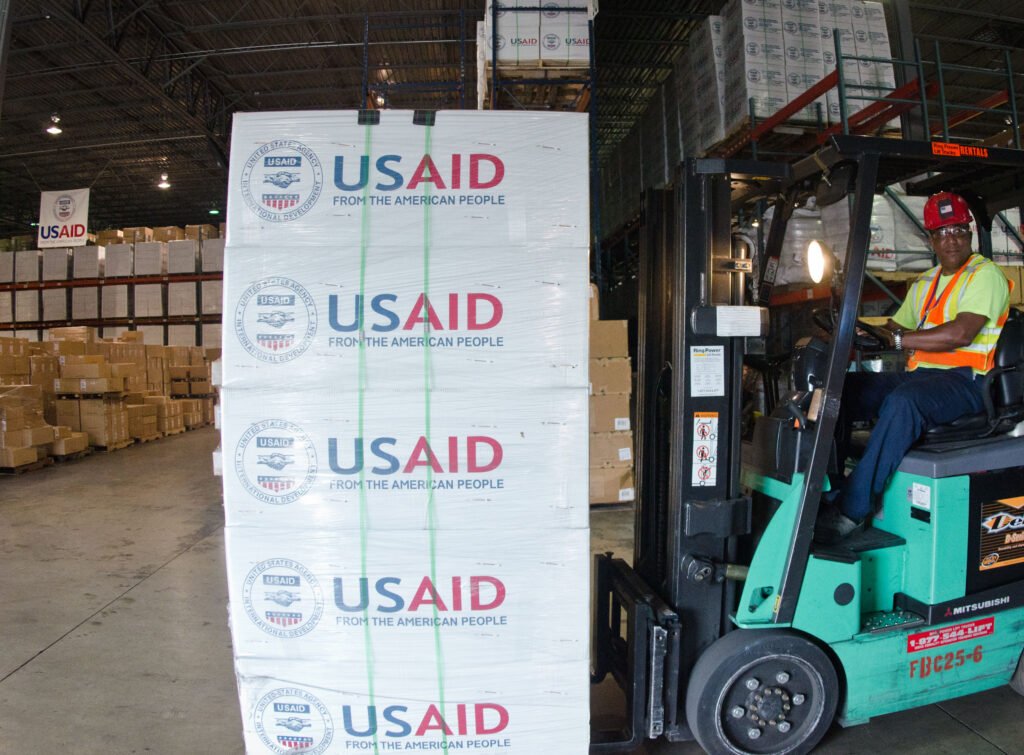
Core Warehouse Processes
Warehouse management covers everything that happens inside a warehouse between the arrival of goods and their departure. The main process steps are receiving incoming shipments, put-away into storage locations, order picking, packing, and shipping. Each step must be coordinated so that inventory is accurately tracked throughout.
Warehouse Management Systems
A warehouse management system (WMS) is software that directs and tracks warehouse activity in real time. It tells workers where to place incoming goods, generates optimized picking routes, and updates inventory records as items move. Many WMS platforms integrate with transportation and order management systems for end-to-end visibility.
Slotting and Layout
Slotting optimization assigns storage locations based on how frequently an item is ordered, its size, and how it is typically picked. Fast-moving items are placed near packing and shipping areas to minimize travel time, while slower-moving stock can be placed farther away, improving overall picking efficiency.
Labor and Automation
Warehouse operations increasingly combine human labor with automation such as conveyor systems, automated storage and retrieval systems, and mobile robots. Labor management modules within a WMS track picker productivity and help balance workloads, while automation reduces travel time and picking errors in high-volume facilities.
Receiving and Put-Away
Receiving is the first step in warehouse operations, where incoming shipments are checked against purchase orders, inspected for damage, and logged into inventory records. Put-away follows, placing received goods into designated storage locations based on product type, size, and demand pattern. Errors at this stage, such as mislabeled locations, can cause picking delays and inventory discrepancies later.
Order Picking Methods
Order picking is often the most labor-intensive warehouse activity. Discrete picking has a single worker gather all items for one order at a time. Batch picking groups multiple orders together so a worker collects items for several orders in a single pass. Zone picking assigns workers to fixed areas of the warehouse, with orders moving between zones until complete. The right method depends on order volume, SKU variety, and warehouse layout.
Warehouse Performance Metrics
Common warehouse performance metrics include order accuracy, picking productivity measured in lines picked per hour, inventory accuracy from cycle counts, and dock-to-stock time, which measures how quickly received goods become available for picking. Tracking these metrics over time helps warehouse managers identify process bottlenecks and justify investment in automation or layout changes.
Warehouse Automation
Automated storage and retrieval systems use robotic cranes or shuttles to store and retrieve pallets or bins without direct human handling, dramatically increasing storage density and retrieval speed in high-volume facilities. Mobile robots can also guide human pickers through optimized routes or transport items between zones, reducing the walking time that traditionally consumes a large share of a picker’s shift.
Cycle Counting
Cycle counting is a method of verifying inventory accuracy by counting a small subset of items on a regular, rotating schedule rather than shutting down operations for one large annual physical count. This approach catches and corrects discrepancies continuously, keeping inventory records more reliable throughout the year while minimizing disruption to daily warehouse operations.
Warehouse Safety
Because warehouses combine heavy equipment, elevated storage racks, and significant foot and vehicle traffic, safety programs addressing forklift operation, proper lifting technique, and rack load limits are a core part of warehouse management. Regular safety audits and clear traffic patterns separating pedestrians from vehicle lanes help reduce the injury rates historically associated with warehouse work.
Warehouse Layout Design
Warehouse layout decisions, including aisle width, rack height, and the placement of receiving and shipping docks relative to storage areas, directly affect how efficiently goods can move through a facility. A well-designed layout minimizes the distance traveled during picking and put-away, while also ensuring compliance with fire safety codes and providing enough clearance for forklifts and other material-handling equipment to operate safely.
Seasonal Warehouse Operations
Many warehouses experience sharp seasonal volume swings, particularly around major shopping periods, requiring temporary labor, extended operating hours, and sometimes overflow storage space leased specifically for peak season. Planning for these swings well in advance, including training temporary staff and testing systems under higher loads, helps warehouses avoid service failures during their highest-stakes periods of the year.
Cross-Training Warehouse Staff
Many warehouses cross-train workers across receiving, picking, and shipping roles so labor can flex to wherever volume is highest on a given day, improving overall facility throughput without needing to hire additional specialized staff for each individual function.
Returns Processing in Warehouses
Many general-purpose warehouses also handle a share of reverse logistics, setting aside dedicated space and staff for inspecting and reprocessing returned goods separately from the main forward-flow picking and shipping operation.
Integrating Warehouse and Transportation Planning
Warehouse operations do not function in isolation from transportation planning; outbound shipment schedules determine when orders must be picked and staged, while inbound delivery appointments determine when receiving labor is needed. Close coordination between warehouse management and transportation teams, often through shared scheduling software, helps avoid situations where goods are ready to ship but no truck is available, or a truck arrives before its shipment has been prepared.
Choosing Between In-House and Outsourced Warehousing
Companies weigh operating their own warehouse against leasing space from a third-party logistics provider, considering factors such as control over operations, capital investment requirements, and how predictable their volume is, with highly seasonal businesses often preferring the flexibility of outsourced warehouse capacity.
Documenting Warehouse Procedures
Standard operating procedures covering receiving checks, put-away rules, and picking sequences help new warehouse staff ramp up quickly and ensure consistency across shifts, reducing the variation in accuracy and speed that can occur when procedures exist only as informal knowledge passed between experienced workers.
More in Logistics and Supply Chain Management
Key facts
- Array
Quick checkWhat does a warehouse management system do?Show answer
It coordinates receiving, storage, picking, and shipping to track inventory location and guide warehouse labor.
Sources
- Array
Editorially reviewed by Specialty Digest Editorial TeamLast reviewed November 4, 2026Researched and drafted with AI assistanceReport an issue