Origins of Just-in-Time
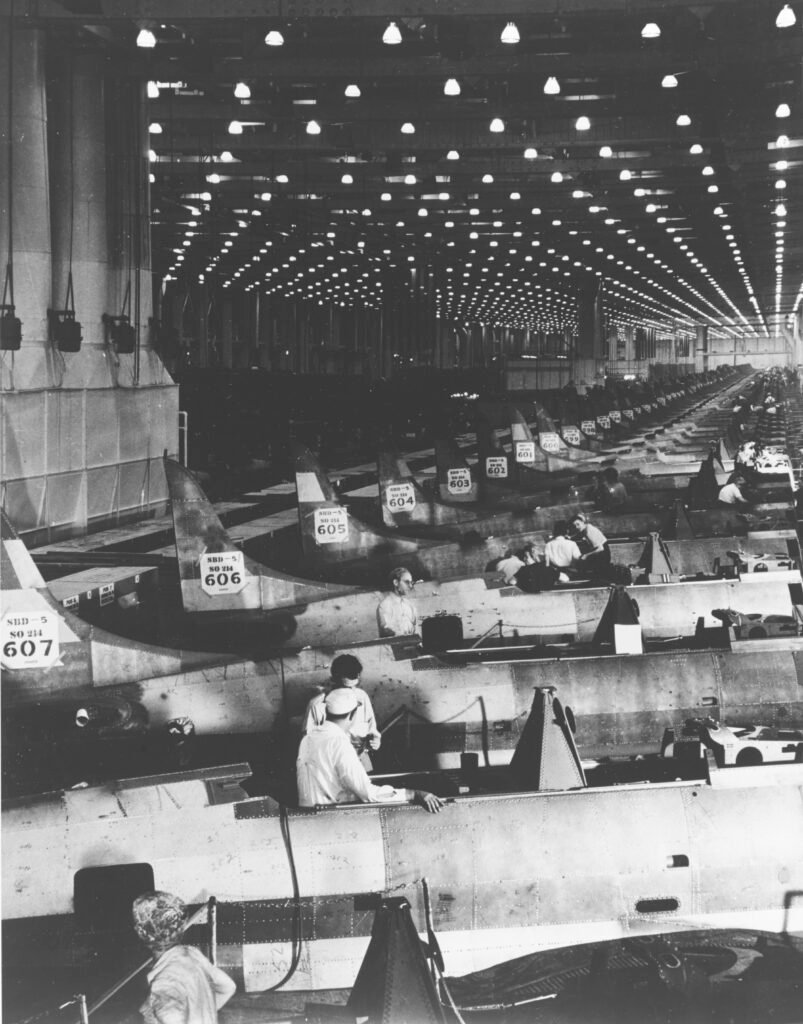
Just-in-time inventory emerged from the Toyota Production System, developed in Japan in the decades following World War II. The approach sought to eliminate waste by producing only what was needed, when it was needed, in the quantity needed, rather than building up large stockpiles of parts and finished goods.
How JIT Works
Under a just-in-time system, materials and components arrive from suppliers shortly before they are needed in production, rather than being stored in advance. Production is pulled by actual customer demand rather than pushed based on forecasts. This keeps inventory levels, and the capital tied up in them, as low as possible.
Benefits and Requirements
JIT reduces warehousing costs, lowers the risk of holding obsolete stock, and can improve cash flow since less capital sits in inventory. It requires highly reliable suppliers, short and predictable lead times, and strong coordination between production scheduling and procurement, since there is little buffer stock to absorb disruptions.
Risks and Criticism
Because JIT systems hold minimal inventory, they are vulnerable to supply chain disruptions such as natural disasters, supplier failures, or transportation delays. Events such as global shipping disruptions have led many companies to reconsider pure JIT in favor of hybrid approaches that maintain some strategic buffer stock for critical components.
JIT and Kanban Systems
Just-in-time production is often implemented using kanban, a visual signaling system that triggers replenishment only when a downstream process actually consumes materials. A kanban card or electronic signal tells an upstream station to produce or deliver exactly the quantity needed, preventing overproduction and keeping work-in-process inventory low throughout the production line. This pull-based signaling is central to how JIT systems coordinate without centralized scheduling.
Supplier Relationships Under JIT
Because JIT systems hold little buffer stock, they depend heavily on close, long-term relationships with reliable suppliers who can deliver small quantities frequently and consistently on schedule. Many JIT adopters locate key suppliers near their own facilities, share production schedules in advance, and build in quality controls at the supplier level to prevent defective parts from disrupting the line.
JIT Outside Manufacturing
While JIT originated in automotive manufacturing, the underlying principle, minimizing inventory by aligning supply closely with actual demand, has been applied in retail, food service, and healthcare. Retailers use JIT-inspired replenishment to restock shelves based on real point-of-sale data rather than fixed schedules, reducing backroom storage needs.
Measuring JIT Performance
Companies running JIT systems closely track metrics such as inventory turnover, work-in-process levels, and production lead time to confirm the system is operating as intended. A rising trend in work-in-process inventory often signals a bottleneck somewhere in the line, since JIT is designed to keep material flowing continuously rather than accumulating at any single station.
Total Quality Management and JIT
JIT systems are closely linked to total quality management practices, since there is little buffer stock to absorb defective parts. A defect discovered at one station under JIT can halt the entire line almost immediately, which creates strong pressure to catch and fix quality problems at their source rather than inspecting finished goods at the end of the process.
Hybrid Approaches
Following major global supply disruptions, many manufacturers adopted hybrid inventory strategies sometimes called “just-in-case” buffers layered onto JIT principles, maintaining small strategic reserves of the most critical, hardest-to-replace components while still applying JIT discipline to less critical materials. This hybrid approach aims to preserve most of JIT’s efficiency benefits while reducing vulnerability to single-source disruptions.
Layout and Cell Design Under JIT
Factories running just-in-time production often reorganize equipment into cells arranged around the sequence of operations a product requires, rather than grouping machines by type in separate departments. This cellular layout shortens the distance materials travel between steps and makes problems visible immediately, since work-in-process cannot accumulate between stations the way it can in a traditional batch-and-queue factory layout.
Training and Workforce Flexibility
JIT systems depend on a flexible, cross-trained workforce capable of shifting between tasks as demand or line balance requires, since rigid, single-task job assignments make it harder to respond quickly to the small, frequent adjustments JIT production demands. Many companies combine JIT adoption with broader workforce training programs aimed at building this flexibility across their production teams.
Measuring Success Beyond Inventory Levels
Beyond raw inventory levels, companies evaluate JIT success through defect rates, on-time internal delivery between production stages, and overall equipment effectiveness, since the system’s real goal is smooth, waste-free flow rather than low inventory as an end in itself.
Limitations in Variable-Demand Environments
JIT works best where demand is relatively stable and predictable; industries with highly volatile or seasonal demand often find pure JIT difficult to sustain and blend it with modest buffer stock to absorb short-term swings without abandoning its efficiency principles.
JIT in the Context of Lean Manufacturing
Just-in-time inventory is one pillar of the broader lean manufacturing philosophy, which also emphasizes continuous improvement, waste elimination, and respect for workers closest to the production process. Many organizations introduce JIT as part of a larger lean transformation rather than as a standalone inventory tactic, recognizing that reducing inventory alone without addressing underlying process inefficiencies can simply expose problems without actually solving them.
Communicating JIT Changes to Suppliers
Shifting to a just-in-time delivery schedule requires clear advance communication with suppliers about new delivery frequency, lot size, and quality expectations, since suppliers accustomed to shipping large infrequent batches must restructure their own production and transportation planning to support smaller, more frequent deliveries reliably.
JIT Adoption Challenges
Smaller manufacturers sometimes struggle to adopt JIT fully because they lack the purchasing volume needed to negotiate the frequent, small-batch delivery commitments that larger companies can secure from suppliers, making partial JIT adoption more realistic for many mid-sized operations than a complete system overhaul.
More in Logistics and Supply Chain Management
Key facts
- Originated with the Toyota Production System in Japan
- Reduces carrying costs by minimizing stock on hand
- Requires reliable suppliers and short lead times to avoid stockouts
Quick checkWhat is the main benefit of just-in-time inventory?Show answer
It reduces inventory carrying costs by receiving materials only as they are needed for production.
Sources
- Council of Supply Chain Management Professionals, CSCMP Glossary
- U.S. Bureau of Transportation Statistics
Editorially reviewed by Specialty Digest Editorial TeamLast reviewed November 4, 2026Researched and drafted with AI assistanceReport an issue