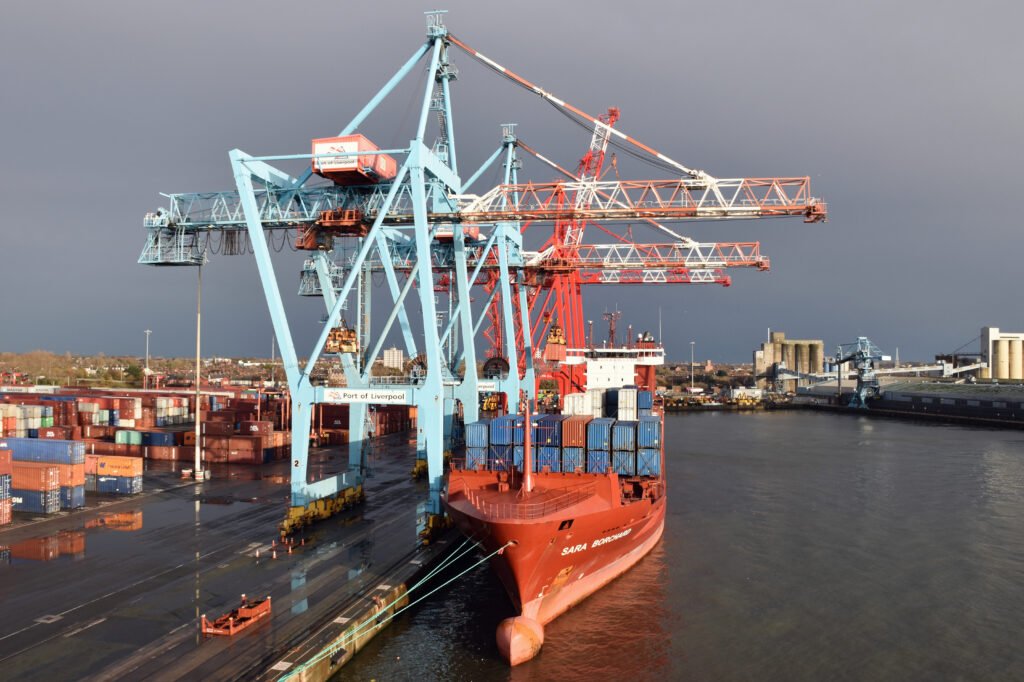
What a 3PL Provider Does
A third-party logistics provider takes over one or more logistics functions on behalf of a client company. Typical services include warehousing, inventory management, order fulfillment, transportation, and sometimes freight forwarding or customs brokerage. Clients pay for these services instead of building and operating their own logistics infrastructure.
Why Companies Use 3PL Providers
Outsourcing to a 3PL lets a company convert fixed logistics costs into variable costs tied to actual volume, and avoid large capital investment in warehouses, vehicles, and technology. It also gives smaller companies access to logistics networks and expertise that would otherwise be out of reach, and lets them scale capacity up or down with demand.
3PL Versus 4PL
A fourth-party logistics (4PL) provider sits above individual 3PLs, managing and coordinating multiple logistics providers on a client’s behalf without necessarily owning any transportation or warehouse assets itself. A 4PL acts as a single point of accountability across an entire logistics network.
E-Commerce and Fulfillment
3PL providers play a major role in e-commerce, operating fulfillment centers that store merchant inventory, pick and pack orders, and ship directly to consumers. This model, sometimes bundled with marketplace platforms, lets online retailers offer fast shipping without operating their own warehouses.
Choosing a 3PL Provider
Companies evaluate 3PL providers on factors such as geographic coverage, warehouse capacity, technology integration, pricing structure, and industry-specific expertise. A provider serving e-commerce clients, for example, needs different capabilities than one specializing in temperature-controlled food distribution or heavy industrial freight. Contracts often include service-level agreements specifying order accuracy and delivery time targets.
Asset-Based Versus Non-Asset-Based Providers
Asset-based 3PL providers own their own trucks, warehouses, and equipment, giving them direct control over capacity and service quality. Non-asset-based providers, sometimes called logistics brokers, instead arrange transportation and warehousing through a network of carriers and facility partners without owning the underlying assets themselves, often providing more flexibility and broader geographic reach.
Integration With Client Systems
Modern 3PL relationships depend on close technology integration, with the provider’s warehouse and transportation systems connected to the client’s order management and inventory systems through electronic data interchange or application programming interfaces. This integration gives the client real-time visibility into inventory levels, order status, and shipment tracking despite the logistics function being handled externally.
Pricing Models
3PL providers price their services through various models, including per-transaction fees for activities like picking and packing, storage fees based on space or pallet positions occupied, and fixed monthly retainers for dedicated account management. Some contracts use gain-sharing arrangements that reward the provider for exceeding agreed performance targets, aligning incentives between the client and the logistics provider.
Risks of Outsourcing Logistics
Outsourcing logistics to a 3PL introduces dependency on an external partner’s performance and reduces a company’s direct control over customer-facing delivery experiences. If a 3PL provider experiences capacity constraints, labor shortages, or financial difficulty, the client’s own customer service can suffer. Companies typically mitigate this risk through service-level agreements, performance monitoring, and sometimes by maintaining relationships with more than one provider.
Specialized 3PL Services
Some 3PL providers focus on specific industries or shipment types, such as temperature-controlled logistics for pharmaceuticals and food, hazardous materials handling, or oversized freight for industrial equipment. These specialized providers maintain the specific licenses, equipment, and expertise required, which general-purpose logistics providers typically lack.
Global 3PL Networks
Large multinational 3PL providers operate networks spanning dozens of countries, allowing a single client contract to cover warehousing and transportation across multiple regions with consistent service standards and unified reporting. This global reach is particularly valuable for companies expanding into new international markets without the time or capital needed to build local logistics infrastructure from scratch.
The Growth of the 3PL Industry
The third-party logistics industry has grown substantially alongside the expansion of global trade and e-commerce, with providers increasingly offering value-added services beyond basic warehousing and transportation, such as kitting, light assembly, and reverse logistics processing. This expansion reflects a broader shift toward treating logistics as a specialized, outsourceable function rather than a core activity every company must manage entirely in-house.
Contract Length and Flexibility
3PL contracts range from short-term, transactional agreements covering a single peak season to multi-year strategic partnerships involving dedicated facilities built specifically for one client, with longer contracts typically offering lower per-unit pricing in exchange for committed volume.
Exit Strategies
Companies negotiating 3PL contracts increasingly plan exit provisions in advance, specifying data ownership, transition timelines, and inventory handover procedures, so that switching providers or bringing logistics back in-house does not disrupt operations if the relationship ends.
3PL Performance Monitoring
Clients typically monitor 3PL performance through regular business reviews covering on-time delivery, order accuracy, inventory accuracy, and cost trends, comparing actual results against the service-level agreement negotiated at the start of the relationship. Persistent underperformance against these targets often triggers a formal corrective action process before a client considers switching providers, since transitioning logistics operations to a new provider carries its own cost and disruption risk.
Insurance and Liability in 3PL Relationships
3PL contracts specify liability limits and insurance requirements covering loss or damage to goods while in the provider’s custody, an important protection for clients since the provider, not the original manufacturer, physically controls the product during storage and transportation.
3PL and Peak Season Flexibility
A major advantage of using a 3PL is the ability to flex warehouse and labor capacity up during peak seasons without the client needing to invest in permanent infrastructure that would sit underused for the rest of the year, letting the provider absorb volume swings across its broader client base.
More in Logistics and Supply Chain Management
Key facts
- Array
Quick checkWhat services does a 3PL provider typically offer?Show answer
Warehousing, transportation, order fulfillment, and sometimes freight forwarding and customs brokerage.
Sources
- Array
Editorially reviewed by Specialty Digest Editorial TeamLast reviewed November 4, 2026Researched and drafted with AI assistanceReport an issue