What Reverse Logistics Covers
Reverse logistics manages the flow of goods moving backward through the supply chain, from the customer back toward the manufacturer or a disposal point. This includes product returns, warranty repairs, recalls, recycling, and end-of-life disposal. It is the mirror image of traditional forward logistics, which moves goods toward the customer.
Why Reverse Logistics Matters
The growth of e-commerce has sharply increased the volume of product returns, since online shoppers cannot try items before purchase and return rates are correspondingly higher than in physical retail. Efficient reverse logistics processes reduce the cost of handling these returns and can recover value from returned goods rather than treating them as pure loss.
Value Recovery Options
Returned or end-of-life products can be resold as-is, refurbished and resold at a discount, disassembled for usable parts, or recycled for raw materials. Choosing the right path depends on the product condition, cost of processing, and demand for the recovered item, and is often decided through a returns disposition process.
Operational Challenges
Reverse logistics is often more complex and costly than forward logistics because return volumes and conditions are unpredictable, and specialized processing facilities and inspection steps are needed. Companies increasingly use dedicated returns centers and software to speed inspection, grading, and routing of returned goods.
The Returns Process
A typical returns process begins when a customer initiates a return, often through an online portal that generates a prepaid shipping label. The item travels back to a returns processing center, where it is inspected, graded for condition, and routed to its next destination, whether that is restocking, refurbishment, liquidation, or disposal. Fast, accurate grading at this stage strongly affects how much value a company can recover.
Reverse Logistics for Recycling and Disposal
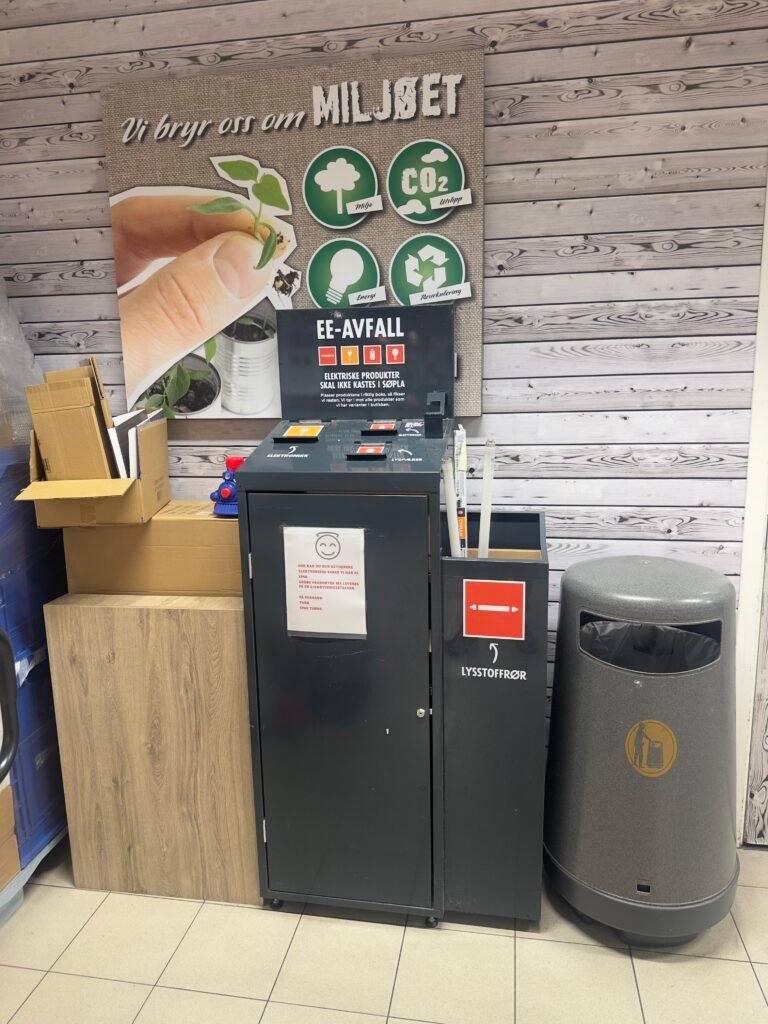
Beyond customer returns, reverse logistics also covers the collection and processing of end-of-life products for recycling or safe disposal, an area increasingly shaped by environmental regulation. Electronics manufacturers, for example, often operate take-back programs that collect old devices for component recovery or responsible recycling, both to comply with regulations and to recover valuable materials.
Challenges in Reverse Logistics
Reverse logistics is inherently harder to plan than forward logistics because the timing, volume, and condition of returns are unpredictable. Packaging may be damaged or missing, and products may need specialized testing before a disposition decision can be made. Companies increasingly invest in dedicated returns centers and automated grading technology to speed this process and reduce cost per return.
Technology in Reverse Logistics
Returns management software helps retailers track returned items from initial customer request through final disposition, often integrating with carrier systems to generate shipping labels and with warehouse systems to log items upon arrival at a returns center. Radio-frequency identification and barcode scanning speed the grading and sorting process, reducing the time an item spends in reverse logistics limbo.
Reverse Logistics and Sustainability
Reverse logistics increasingly intersects with corporate sustainability goals, as companies seek to reduce landfill waste by maximizing the resale, refurbishment, or recycling of returned and end-of-life products. Extended producer responsibility regulations in some regions legally require manufacturers of products like electronics and batteries to fund or operate take-back and recycling programs.
Cost of Returns
The cost of processing a single return, covering reverse shipping, inspection, repackaging, and any markdown needed to resell the item, can approach or exceed the original profit margin on the sale. This has pushed many retailers to redesign product pages, sizing tools, and return policies specifically to reduce unnecessary returns rather than only optimizing how returns are processed after the fact.
Retail Returns Policy Design
Retailers deliberately design return policies, including time windows, restocking fees, and proof-of-purchase requirements, to balance customer satisfaction against the operational cost of reverse logistics. A generous, no-questions-asked policy can boost sales by reducing purchase risk for customers, but it also increases return volume and the associated reverse logistics burden, requiring retailers to calculate the net effect carefully.
B2B Versus B2C Reverse Logistics
Reverse logistics in business-to-business settings often involves fewer but larger-volume returns, such as a retailer returning unsold seasonal inventory to a manufacturer, while business-to-consumer reverse logistics involves high volumes of individual returns, each requiring separate handling and inspection. These different patterns require different processing infrastructure and staffing models within a returns center.
Reverse Logistics Partnerships
Some companies outsource reverse logistics entirely to specialized third-party providers focused on returns processing, who can achieve efficiencies through scale across many clients that a single retailer’s in-house operation could not easily match on its own.
Warranty and Repair Logistics
Warranty repair programs form a distinct branch of reverse logistics, routing defective products to repair centers rather than disposition centers, then shipping repaired units back to customers, a process requiring close coordination with parts inventory and skilled technician scheduling.
Reverse Logistics Metrics
Companies track reverse logistics performance through metrics such as return rate, average time from return initiation to final disposition, and recovery value as a percentage of the original sale price, using these figures to identify which product categories or vendors generate disproportionate returns and to target process improvements where they will have the greatest financial impact.
Customer Communication During Returns
Clear, timely communication about return status, including confirmation of receipt and expected refund timing, significantly affects customer satisfaction with the returns experience, often shaping repeat purchase behavior as much as the original product quality or delivery experience did.
Measuring Reverse Logistics Sustainability Impact
Companies increasingly report metrics such as the percentage of returned goods successfully resold or recycled rather than landfilled, treating reverse logistics performance as part of their broader environmental reporting alongside traditional cost and speed metrics.
More in Logistics and Supply Chain Management
Key facts
- Array
Quick checkWhat is reverse logistics?Show answer
The process of moving goods backward through the supply chain for returns, repair, recycling, or disposal.
Sources
- Array
Editorially reviewed by Specialty Digest Editorial TeamLast reviewed November 4, 2026Researched and drafted with AI assistanceReport an issue