Summative assessment is an evaluation of student learning conducted at the end of an instructional period, such as a unit, course, or school year, designed to measure what students have learned rather than to guide ongoing instruction. Common forms Summative assessments include final exams, end-of-unit tests, standardized state assessments, and culminating projects or portfolios submitted
Summative assessment Read More »
An evaluation of student learning conducted at the end of an instructional period to measure final achievement.
Overview Sunni Islam is the largest branch of Islam, followed by the great majority of Muslims worldwide, and is distinguished from Shia Islam primarily by its acceptance of the early caliphs chosen by the Muslim community after the Prophet Muhammad death as his legitimate successors. The term Sunni derives from sunnah, referring to the example
Sunni Islam Read More »
The largest branch of Islam, holding that the early caliphs chosen by the Muslim community after the Prophet death were legitimate leaders.
A superconductor is a material that, below a specific critical temperature, conducts electricity with exactly zero electrical resistance and expels magnetic fields from its interior, a phenomenon known as the Meissner effect. Once an electric current is set flowing in a superconducting loop, it can in principle persist indefinitely without any power source driving it,
Superconductor Read More »
A material that conducts electricity with zero resistance below a critical temperature.
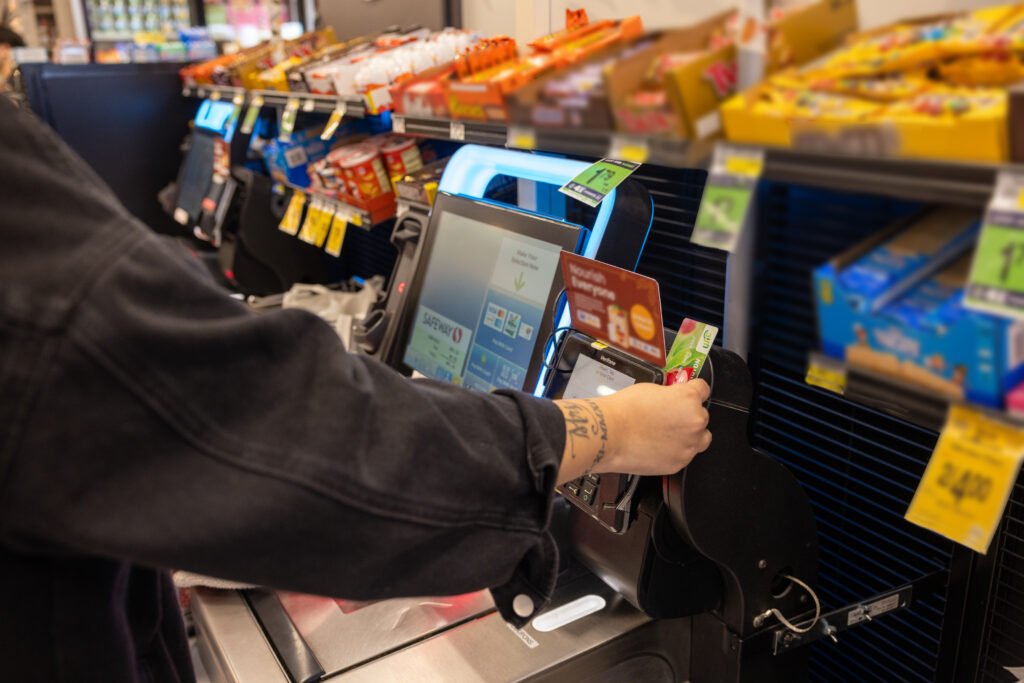
Overview The Supplemental Nutrition Assistance Program, widely known by its former name food stamps, is the largest federal nutrition assistance program in the United States. It provides eligible low-income individuals and families with monthly benefits loaded onto an Electronic Benefit Transfer card, which functions similarly to a debit card and can be used to purchase
Supplemental Nutrition Assistance Program Read More »
A federal program, commonly known as SNAP or food stamps, that provides eligible low-income individuals and families with funds to purchase food.
Supply and demand is the economic model describing how the price and quantity of a good or service are determined by the interaction of buyers and sellers in a market. It is one of the most fundamental frameworks in economics, used to explain everything from grocery prices to housing markets to the price of oil.
Supply and Demand Read More »
An economic model describing how the price of a good is determined by the relationship between how much of it producers supply and how much consumers demand.
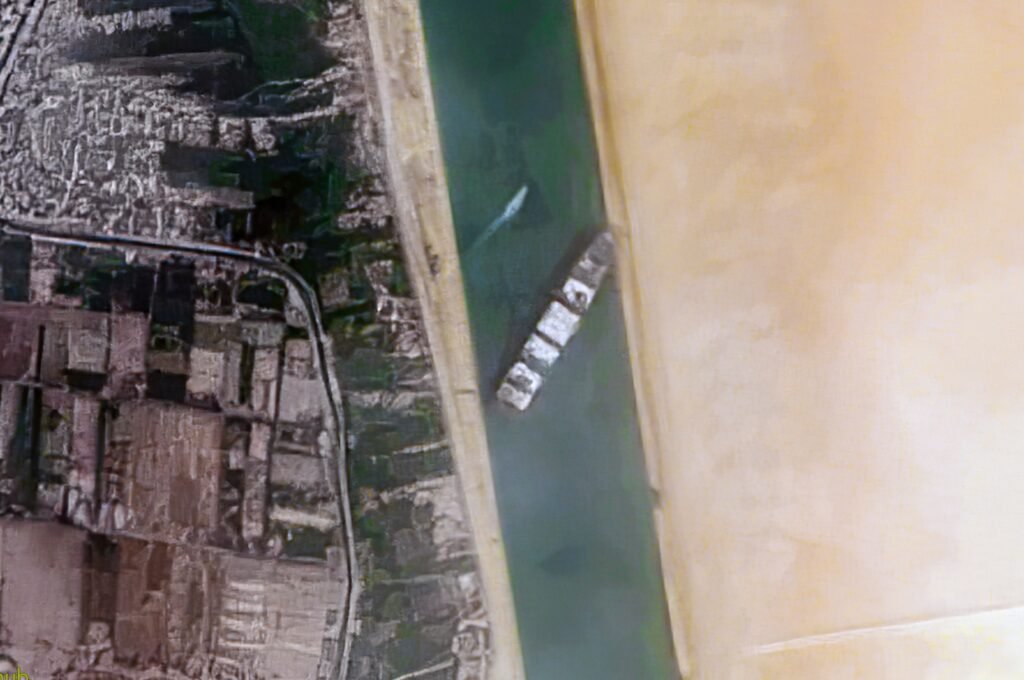
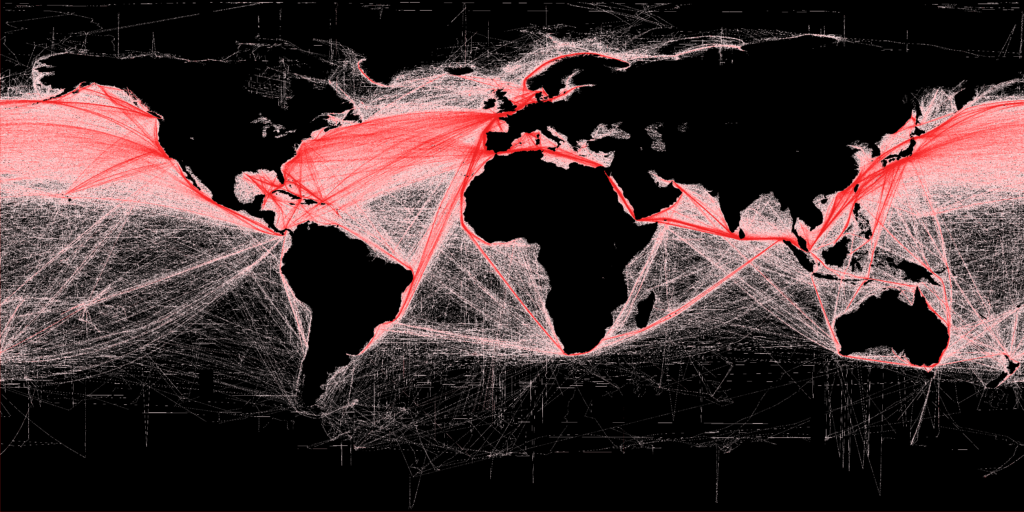
Supply chain management is the coordinated oversight of the flow of goods, information, and finances as a product moves from raw materials through manufacturing and distribution to the end customer. It spans sourcing, production, logistics, and inventory, with the aim of delivering products efficiently while minimizing cost and disruption. Origins of the term The phrase
Supply Chain Management Read More »
The coordinated management of the flow of goods, information, and finances as a product moves from raw materials to the end customer.
What Supply Chain Resilience Means Supply chain resilience is the capacity of a supply chain to anticipate potential disruptions, absorb their impact, and recover operations quickly, with minimal damage to cost, quality, or delivery performance. A resilient supply chain is not necessarily the cheapest one, but it is one that keeps functioning when conditions change
Supply Chain Resilience Read More »
Supply chain resilience is the ability of a supply chain to anticipate, absorb, and recover quickly from disruptions while maintaining continuity of operations.
Surrealism is a twentieth-century cultural and artistic movement that sought to unlock the creative potential of the unconscious mind, rejecting rational control over art and writing in favor of dreamlike imagery and chance. Formally founded in Paris in 1924, it grew to encompass painting, literature, photography, and film, and remains one of the most recognizable
Surrealism Read More »
A 20th-century movement seeking to unlock the unconscious mind through dreamlike imagery, automatic writing, and chance.
In simple terms A suspension bridge hangs its roadway, called the deck, from cables strung between two or more tall towers. [1] Thinner vertical cables, called suspenders, connect the deck to a pair of main cables that sweep down from each tower and are anchored firmly into the ground or bedrock at both ends of
Suspension bridge Read More »
A suspension bridge hangs its roadway from cables strung between tall towers, with the cables anchored into the ground at each end.
Sustainability is the capacity to maintain a process, activity, or system over the long term without depleting the resources or degrading the conditions it depends on. In environmental and development contexts, the term most often refers to meeting human needs in ways that do not undermine the natural systems, resources, and social conditions future generations
Sustainability Read More »
Sustainability is the capacity to maintain a process or system over the long term without depleting the resources or conditions it depends on.