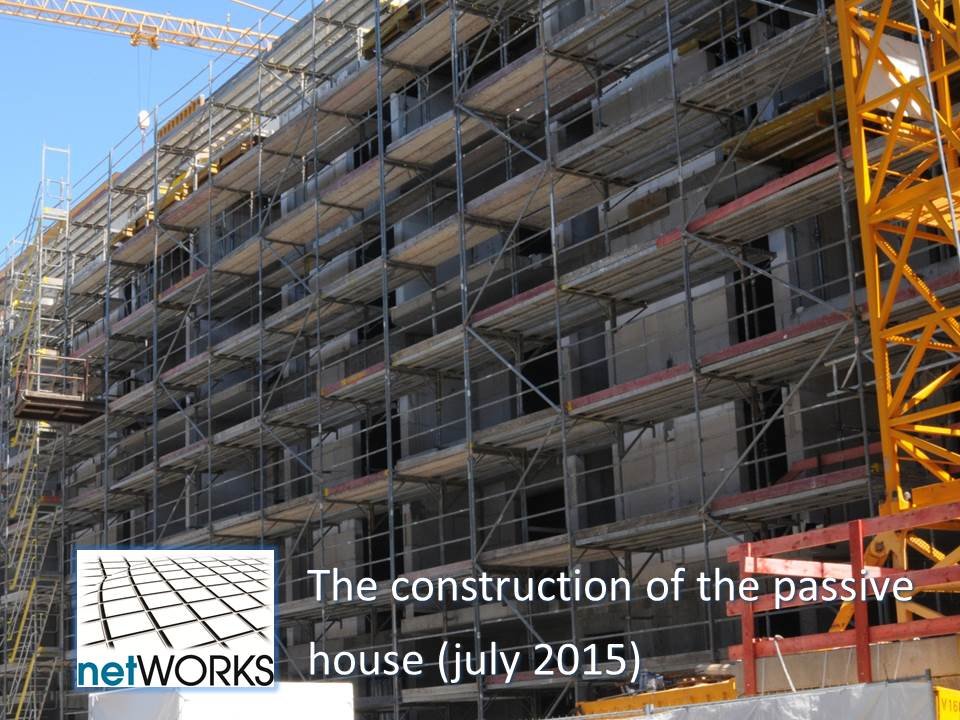
Sustainable architecture is the design and construction of buildings intended to minimize negative environmental impact across their entire life cycle, from the extraction of raw materials through construction, decades of operation, and eventual demolition or reuse. It treats a building not as a finished object but as an ongoing exchange of energy, water, and materials
Sustainable Architecture Read More »
Building design and construction aimed at minimizing environmental impact across a building's full life cycle.
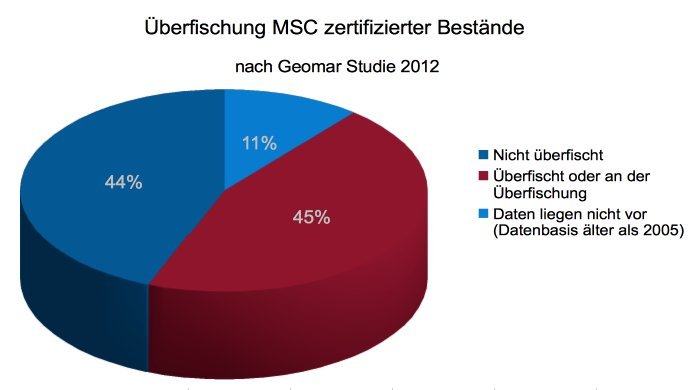
Sustainable fisheries are fishing operations and management systems designed to harvest fish and other seafood at rates that maintain healthy populations and ecosystems over the long term. The goal is to balance current economic and food needs against the biological limits of the species being caught, so that fishing can continue indefinitely without depleting the
Sustainable Fisheries Read More »
Fishing practices and management systems that keep fish populations healthy over the long term.
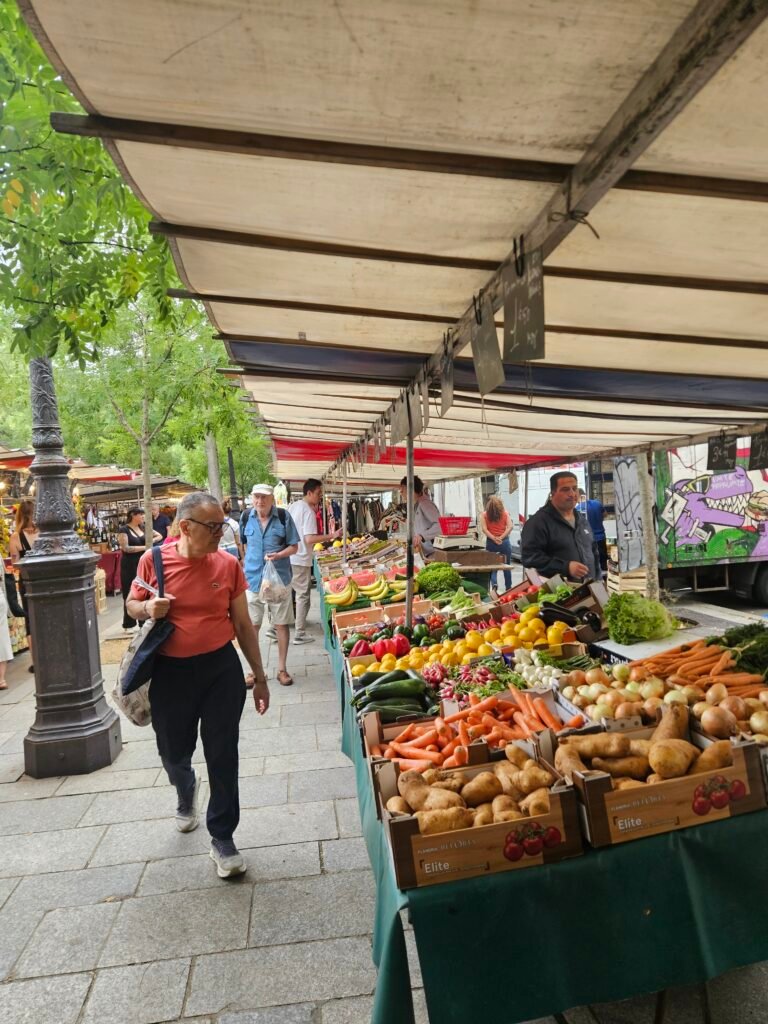
Overview Sustainable food and beverage sourcing involves selecting ingredients and suppliers with consideration for environmental impact, ethical labor practices, and the long-term availability of key resources. Local and Seasonal Sourcing Many restaurants prioritize local and seasonal sourcing to reduce transportation-related emissions and support regional agricultural economies, while also often benefiting from fresher ingredients and the
Sustainable Food and Beverage Sourcing Read More »
Sustainable food and beverage sourcing involves selecting ingredients and suppliers based on environmental impact, ethical labor practices, and long-term resource availability.
Sustainable forestry is the practice of managing forest resources to meet present timber, recreation, and ecological needs without compromising the forest’s ability to provide those same benefits to future generations. Core Principles Sustainable forestry balances three interdependent goals: maintaining long-term timber productivity, conserving biodiversity and water quality, and supporting the economic and cultural needs of
Sustainable Forestry Read More »
The practice of managing forests to meet current timber and ecological needs without reducing their capacity to provide those benefits in the future.
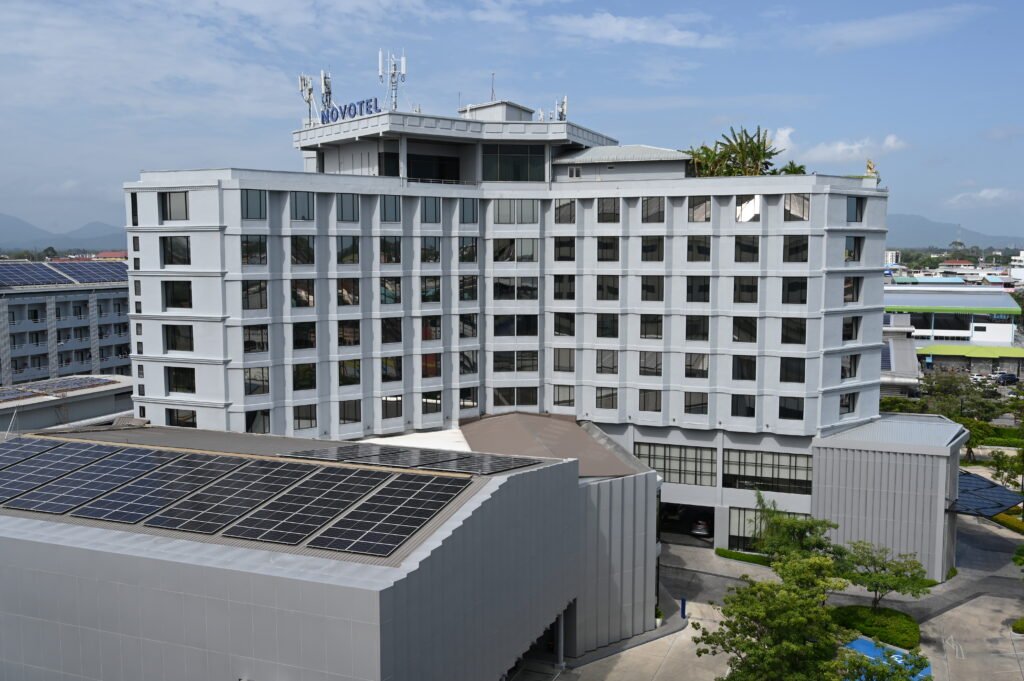
Core Principles Sustainable tourism refers to an approach to developing and managing travel destinations that explicitly accounts for long-term environmental, social, and economic consequences rather than prioritizing short-term visitor numbers or revenue alone. The concept emerged from broader sustainable development thinking in the late twentieth century and has been formally promoted by international bodies such
Sustainable Tourism Read More »
Sustainable tourism is an approach to travel and destination management that seeks to minimize negative environmental, social, and economic impacts while maximizing long-term benefits for host communities.
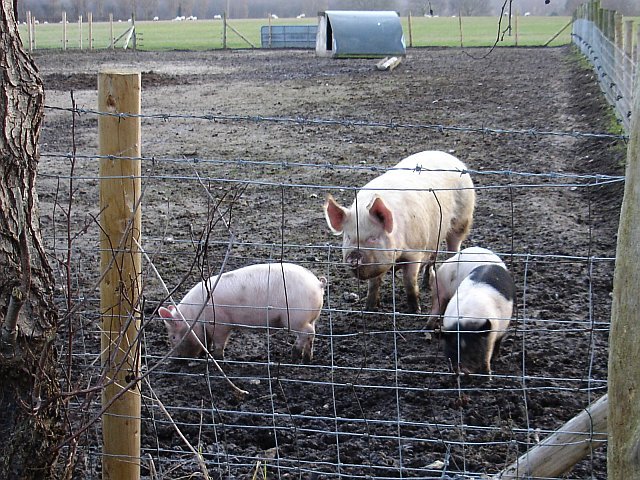
Production Phases and Farm Specialization Swine production moves through distinct phases, including breeding and gestation, farrowing when sows give birth, a nursery phase for young weaned pigs, and a growing-finishing phase during which pigs reach market weight, with some operations managing all phases on a single farm under a farrow-to-finish model while others specialize in
Swine Production Read More »
Swine production is the raising of pigs for pork, encompassing breeding, farrowing, nursery, and growing-finishing phases across both large commercial operations and smaller farms.
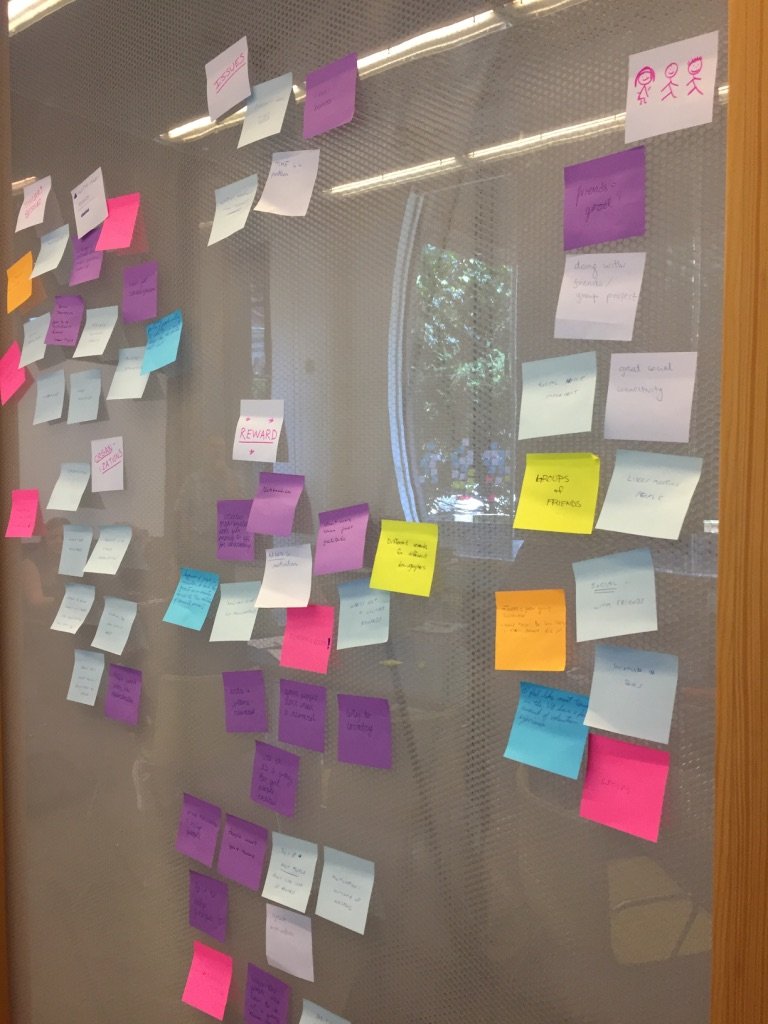
SWOT analysis is a strategic planning framework that evaluates an organization’s internal strengths and weaknesses alongside external opportunities and threats. By organizing these four categories on a simple grid, businesses can assess their current position and identify strategic priorities before committing to a plan. The four categories Strengths and weaknesses describe internal factors within the
SWOT Analysis Read More »
A strategic planning framework that evaluates an organization's internal strengths and weaknesses alongside external opportunities and threats.
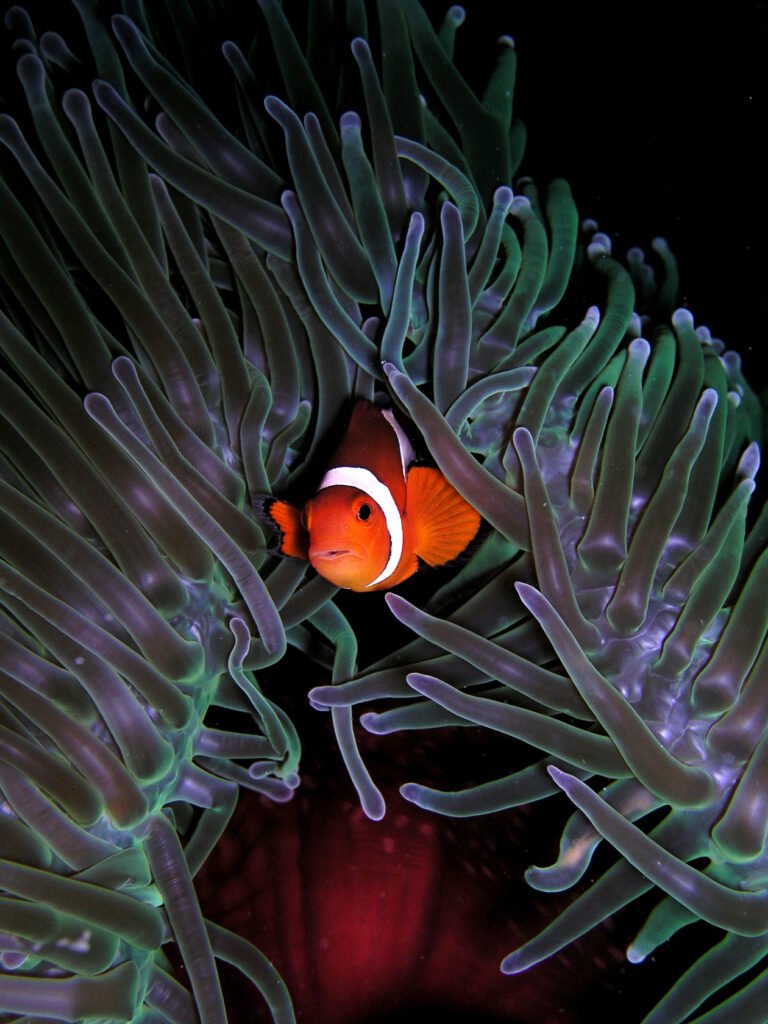
Symbiosis is a close, long-term biological interaction between two different species living in direct contact with one another, a relationship that can benefit both species, benefit one while harming or having no effect on the other, or in some classifications, benefit one while actively harming the other. The term comes from Greek roots meaning “living
Symbiosis Read More »
Symbiosis is a close, long-term biological interaction between two species that can benefit both, one, or harm one while benefiting the other.
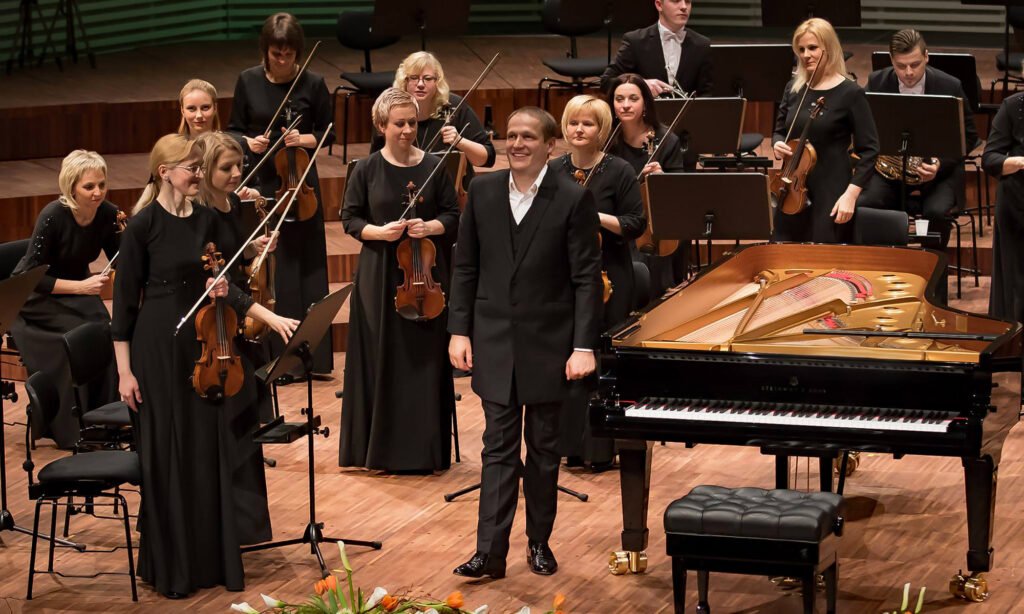
A symphony is an extended multi-movement composition for orchestra, typically lasting between twenty and forty-five minutes and usually built from three or four distinct movements that vary in tempo and character. The word derives from the Greek symphonia, meaning roughly ‘agreement or concord of sound,’ and its meaning shifted considerably over the centuries before settling
Symphony Read More »
An extended multi-movement orchestral composition, typically built from three or four movements of varying tempo.
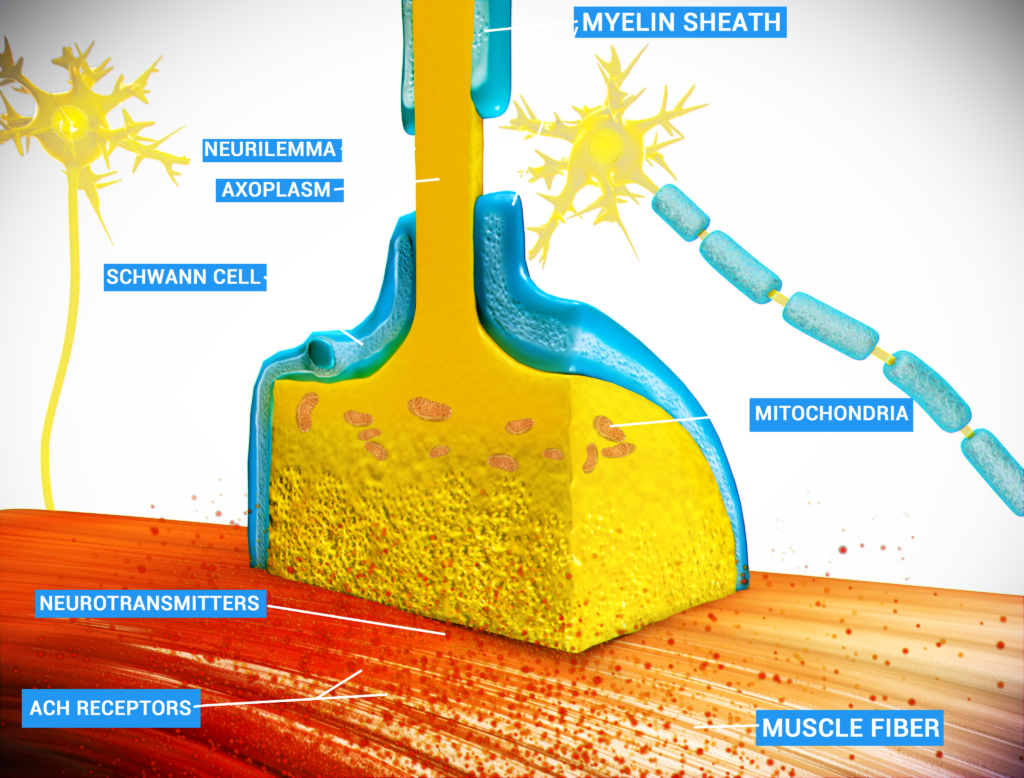
A synapse is the specialized junction where one neuron communicates with another neuron, a muscle cell, or a gland cell, typically by releasing chemical messengers across a microscopic gap. The human brain is estimated to contain well over 100 trillion synapses, and the specific pattern of which neurons connect to which, and how strongly, is
Synapse Read More »
The specialized junction where one neuron communicates with another cell, typically via chemical messengers.