Overview Syncretism describes the process by which elements from two or more distinct religious traditions combine to form new beliefs, rituals, or symbolic systems. Rather than one tradition simply replacing another, syncretism produces a genuinely blended result in which features from multiple sources become integrated, sometimes so thoroughly that practitioners no longer experience them as
Syncretism Read More »
Syncretism is the blending of elements from two or more religious traditions into a new combined set of beliefs and practices.
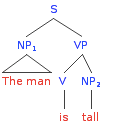
Syntax is the branch of linguistics that studies the rules governing how words combine to form well-formed phrases and sentences within a language. Where other areas of linguistics examine the sounds of speech or the meaning of words, syntax is specifically concerned with structure and order: which arrangements of words a language’s speakers accept as
Syntax Read More »
The branch of linguistics studying the rules governing how words combine into well-formed phrases and sentences.
Overview Talent identification is the process sports organizations use to recognize individuals likely to achieve success in a particular sport based on physical, technical, tactical, and psychological attributes. Programs typically combine standardized physical testing, such as speed and strength assessments, with skill-specific evaluations and increasingly with psychological profiling intended to capture traits like resilience and
Talent Identification Read More »
The process of recognizing and selecting individuals with the physical, technical, and psychological attributes likely to lead to success in a particular sport.
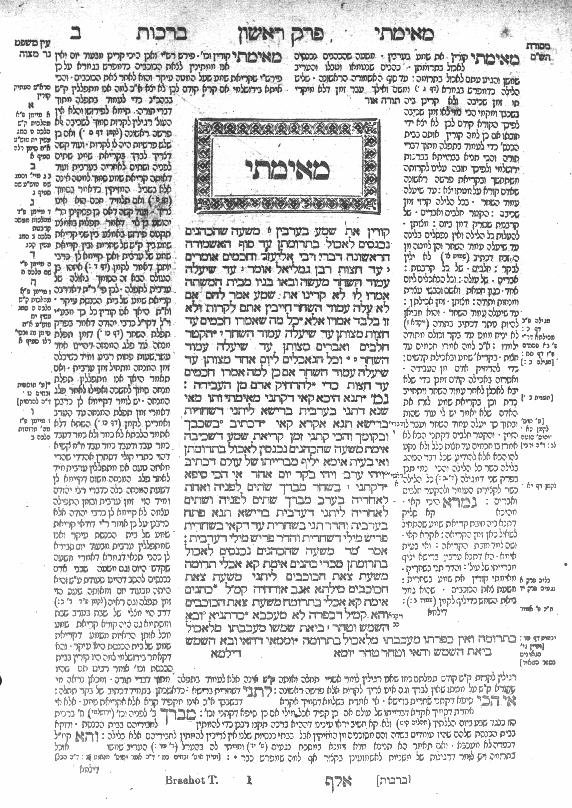
Overview The Talmud is the foundational document of Rabbinic Judaism, a vast compilation of legal reasoning, ethical teaching, and narrative that records centuries of rabbinic discussion. It built upon the Mishnah, an earlier codification of oral law, by gathering extensive commentary and debate known as the Gemara. Structure The Talmud pairs each section of the
Talmud Read More »
The Talmud is the central text of Rabbinic Judaism, recording generations of rabbinic debate on Jewish law and ethics.
Overview The Tao Te Ching, also rendered Daodejing, is a foundational text of Taoist philosophy traditionally attributed to the sage Laozi, though its precise authorship and date of composition remain debated among scholars. Composed of 81 brief, often paradoxical chapters, it explores the nature of the Tao, commonly translated as the Way. Structure The text
Tao Te Ching Read More »
The Tao Te Ching is a foundational text of Taoism traditionally attributed to Laozi, outlining the nature of the Tao and the practice of effortless action.
Taoism, also spelled Daoism, is a Chinese philosophical and religious tradition that centers on living in harmony with the Dao, often translated as “the Way,” the underlying, often indescribable process that gives rise to and flows through all things. Taoism took shape during China’s Warring States period, roughly 450 to 300 BCE, and has since
Taoism Read More »
A Chinese philosophical and religious tradition centered on living in harmony with the Dao, the natural way underlying all things.
Overview Taping and bracing involve applying athletic tape or supportive braces to joints such as ankles, knees, or wrists, serving both to provide mechanical support that limits potentially harmful movement and to offer proprioceptive feedback that helps an athlete sense joint position during activity. Applications in Prevention and Recovery Athletes use taping and bracing both
Taping and Bracing Read More »
The use of athletic tape or supportive braces to stabilize joints, limit harmful movement, or provide proprioceptive feedback during sport participation.
In simple terms A tariff is a tax on goods crossing a border into a country. The importer pays it to the government, usually as a percentage of the shipment value. The World Trade Organization describes tariffs as customs duties that give goods made at home a price advantage over similar goods brought in from
Tariff Read More »
A tariff is a tax a government charges on imported goods, raising their price compared with goods made at home.
Tea processing is the series of steps applied to freshly harvested tea leaves that determines which of the major tea categories, including green, white, oolong, and black tea, the finished product becomes. Remarkably, nearly all true tea originates from the same plant species, Camellia sinensis, meaning processing method rather than plant variety is primarily responsible
Tea Processing Read More »
The series of steps applied to tea leaves, especially oxidation, that determines whether the result is green, black, oolong, or white tea.
Teacher tenure is a job protection status that many public school teachers in the United States can earn after completing a probationary period, typically lasting two to five years depending on the state, during which their performance is evaluated. Once granted tenure, a teacher generally cannot be dismissed without the school district following specific due
Teacher tenure Read More »
A job protection status earned by many public school teachers after a probationary period, requiring due process before dismissal.