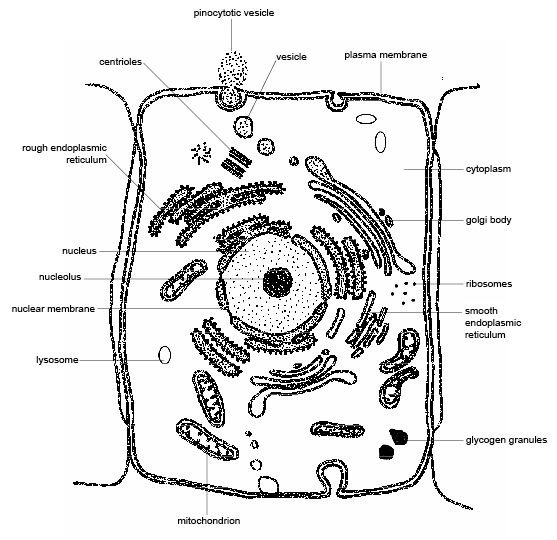
A cell is the smallest structural and functional unit of life, capable of carrying out all the basic processes that define something as living, including metabolism, growth, and reproduction. Every known living organism is composed of one or more cells, from single-celled bacteria to the roughly 37 trillion cells that make up an adult human
Cell (Biology) Read More »
The smallest structural and functional unit of life, capable of metabolism, growth, and reproduction.
In simple terms A central bank is the public institution in charge of a country’s money. It usually issues banknotes, steers interest rates and works to keep prices stable. Some serve a group of countries: the European Central Bank manages the euro for all the countries that share it. It is not a bank for
Central bank Read More »
A central bank is a public institution that manages a country's currency and money supply, sets key interest rates and oversees banking stability.
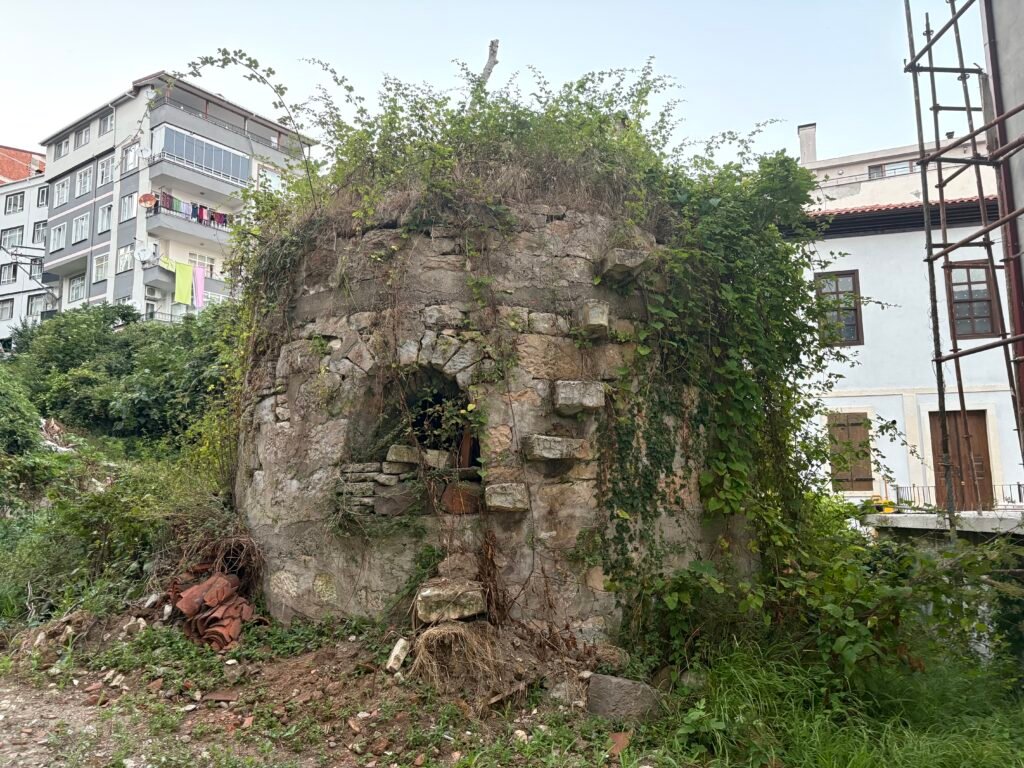
Ceramic is a broad category of hard, brittle, heat-resistant materials made by shaping inorganic, non-metallic compounds, most often containing clay, silicates, or oxides, and then hardening them through firing at high temperature. Ceramics include ancient materials such as fired pottery and brick as well as advanced modern materials engineered for extreme environments, such as the
Ceramic Read More »
A hard, heat-resistant, non-metallic material made by shaping and firing inorganic compounds such as clay, silicates, or oxides.
Tracking Who Has Controlled a Record Chain of custody refers to the documented history of every person or institution that has had control over a record from the moment of its creation to its present location, establishing confidence that the record remains authentic and unaltered. This concept originated largely in legal and forensic contexts before
Chain of Custody Read More »
The documented, unbroken record of who has had control over a set of records from their creation through to their current location.
Change management is the discipline of guiding individuals, teams, and organizations through a transition from a current state to a desired future state, with particular attention to the people side of change rather than just the technical or structural side. Lewin’s three-stage model One of the earliest and most durable frameworks comes from psychologist Kurt
Change management Read More »
The discipline of guiding people and organizations through a transition from a current state to a desired future state.
A change order is a formal document that modifies the original scope, cost, or schedule of a construction contract, used whenever work must deviate from the originally agreed design, plans, or specifications after a contract has already been signed and construction has typically already begun. Change orders are a routine and expected part of most
Change Order Read More »
A formal document modifying the scope, cost, or schedule of a construction contract after it has been signed.
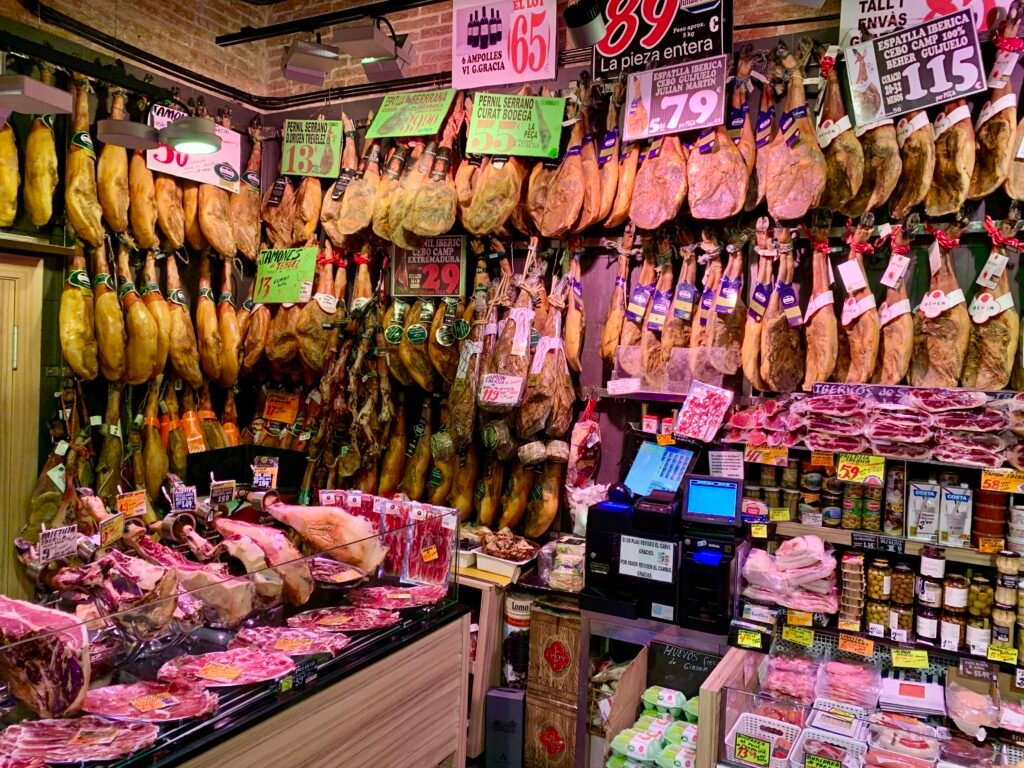
Charcuterie is the branch of culinary practice devoted to preparing and preserving meat, most often pork, through techniques such as curing, smoking, and sausage-making. The word comes from French, combining chair, meaning flesh, and cuit, meaning cooked, and originally described the shops that specialized in prepared pork products before refrigeration existed. Core Preservation Methods Curing
Charcuterie Read More »
The culinary practice of preparing and preserving meat, usually pork, through curing, smoking, and sausage-making.
Charismatic leadership is a style in which a leader influences followers primarily through personal charm, confidence, and the emotional appeal of their vision, rather than through formal position, inherited status, or bureaucratic rules. Followers of a charismatic leader often feel a strong personal devotion to that individual specifically, rather than to the organization or office
Charismatic Leadership Read More »
A leadership style in which a leader influences followers primarily through personal charm, confidence, and the emotional appeal of their vision rather than formal authority.
A charter school is a publicly funded school that operates independently of many of the rules governing traditional public schools, in exchange for meeting specific performance goals set out in a charter agreement with an authorizing body, such as a school district, state agency, or university. The first charter school The modern charter school movement
Charter school Read More »
A publicly funded school that operates with greater independence than traditional public schools, under a performance-based charter agreement.
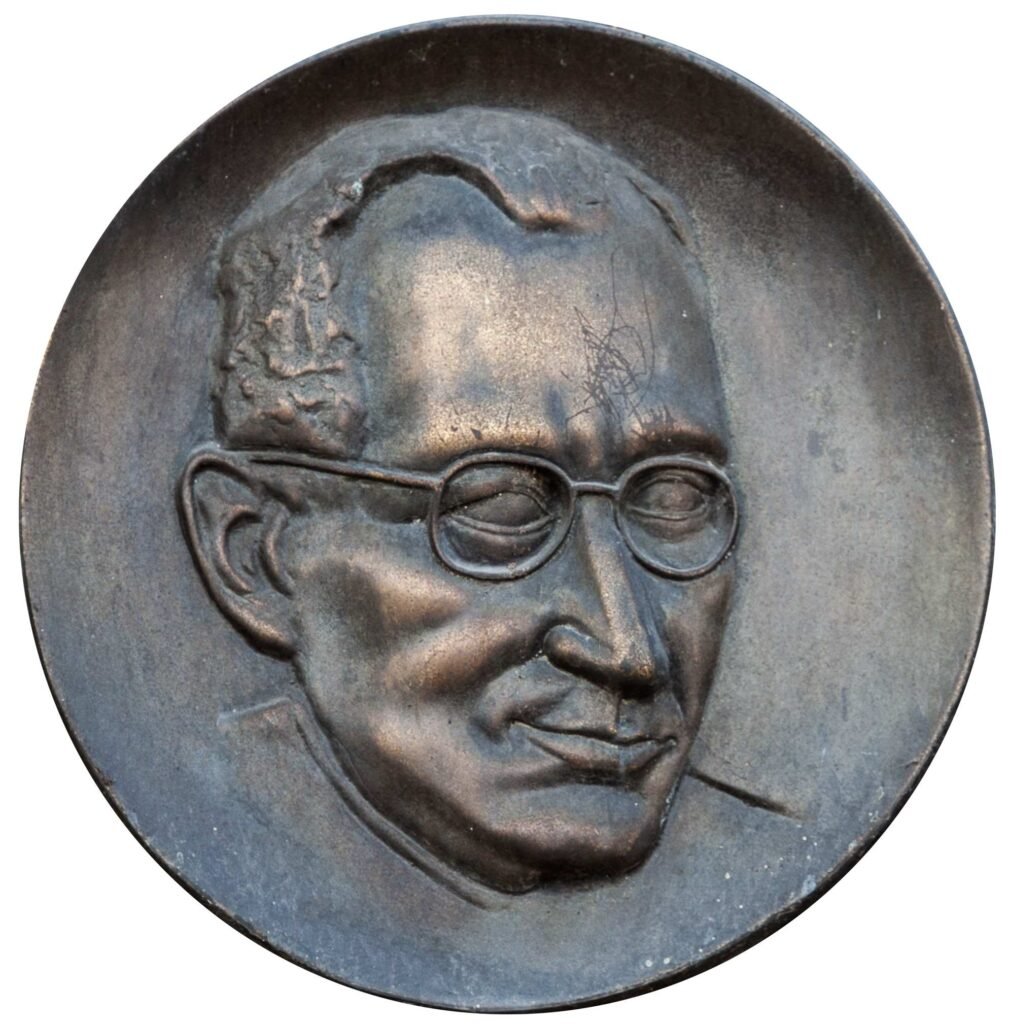
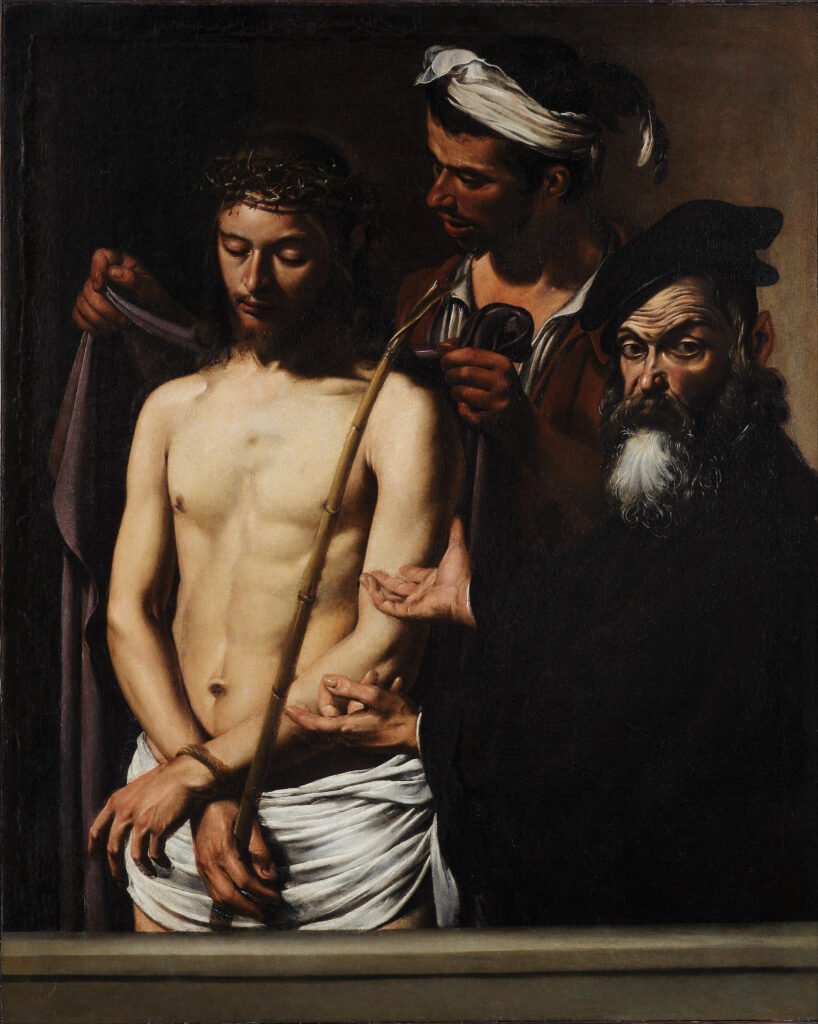
Chiaroscuro, from the Italian words for light and dark, refers to the use of strong contrast between light and shadow within a work of art, a technique artists use to create a sense of volume, drama, and three-dimensional form on a flat surface. Origins of the term The term originally described a specific type of
Chiaroscuro Read More »
The use of strong light-and-dark contrast in art to create a sense of volume and drama.