In simple terms Counterpoint is the technique of combining two or more independent melodic lines in music so that they sound good both on their own and together. [1] Rather than one melody with supporting chords underneath it, counterpoint treats each line as its own voice with its own melodic shape. How it works A
Counterpoint Read More »
Counterpoint is the technique of combining two or more independent melodic lines in music so that each line works on its own and the lines work together.
In simple terms A covalent bond is what holds two atoms together when they share electrons. Molecules are built from them. Sharing suits atoms whose outer electron shells are incomplete. Each atom contributes, and both end up more stable than they were apart. How it works IUPAC describes a covalent bond as a region of
Covalent bond Read More »
A covalent bond holds two atoms together through shared electrons, creating a dense region of electron charge between their nuclei.
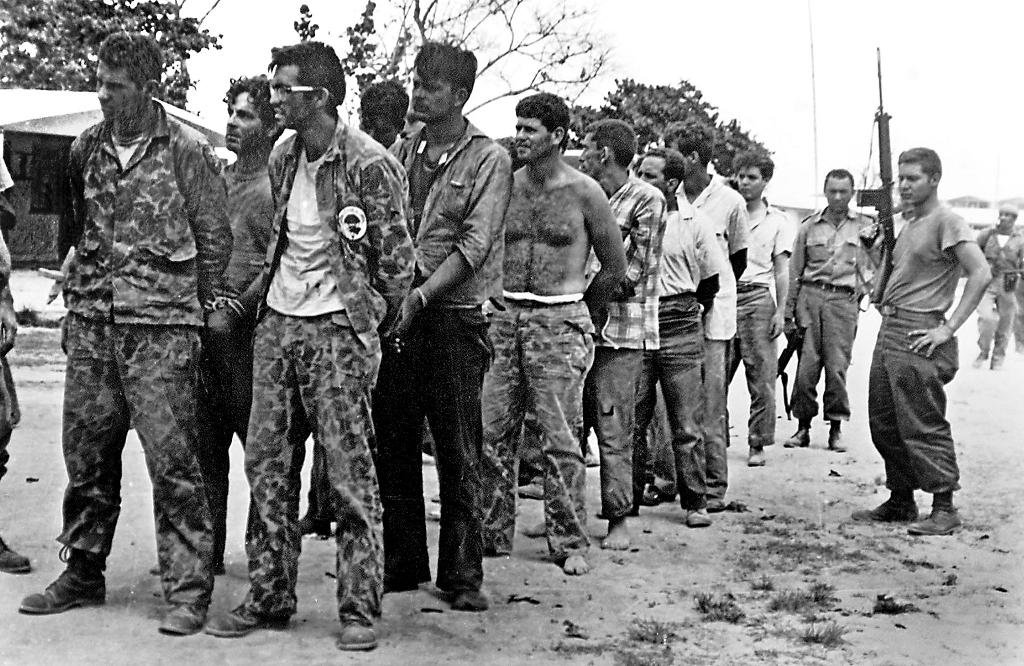
Overview Covert operations are activities a government undertakes to shape events in another country while denying its own involvement. The defining feature is not secrecy about the act itself, which may become publicly visible, but secrecy about who ordered and funded it, allowing the sponsoring government plausible deniability. Forms of Covert Action Covert action takes
Covert Operations Read More »
Covert operations are government actions intended to influence events abroad while concealing the identity of the sponsoring government.
Craft brewing refers to the production of beer by small, independent breweries that emphasize traditional ingredients, flavor innovation, and brewing techniques outside large-scale industrial production. Defining Characteristics Industry bodies such as the Brewers Association define craft breweries by production volume thresholds and independence from ownership by large conglomerates, alongside a traditional or innovative approach to
Craft Brewing Read More »
Beer production by small, independent breweries emphasizing traditional methods, ingredient innovation, and flavor diversity over mass-market scale.
Overview A creed is a formal, typically concise statement of religious belief adopted by a faith community to summarize its core doctrine and provide a shared basis for communal worship and identity. Creeds are often recited collectively during religious services, reinforcing a sense of unity among believers around an agreed set of foundational claims. Historical
Creed Read More »
A formal, often concise statement of religious belief recited or affirmed by members of a faith community as a summary of core doctrine.
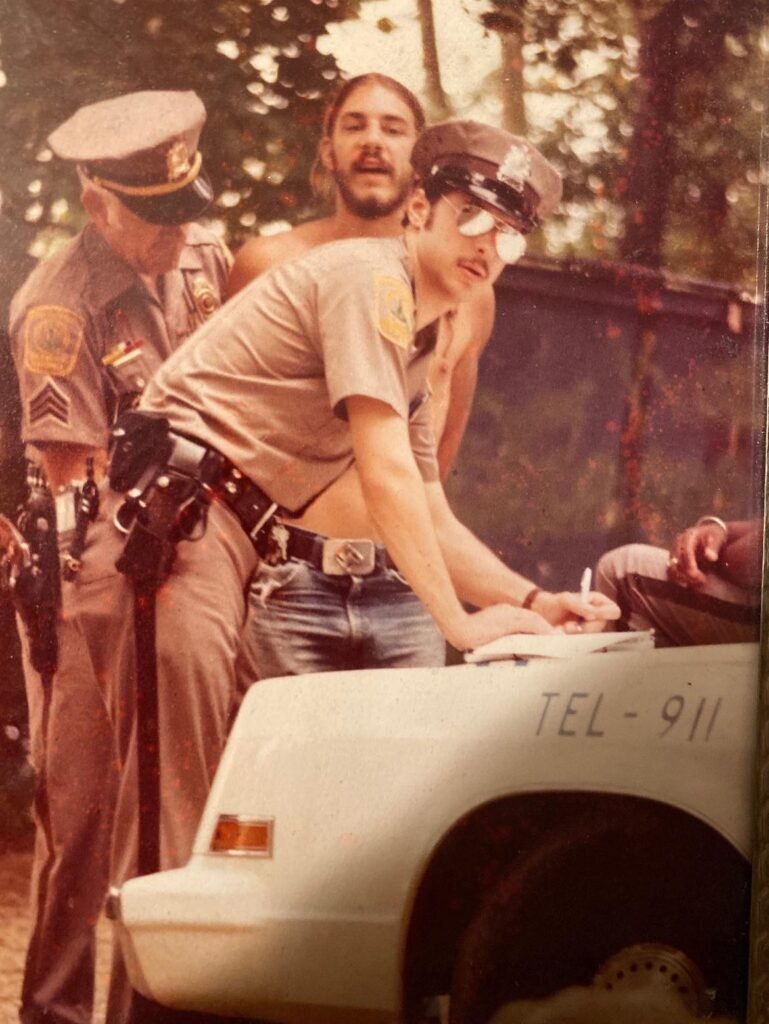
Overview Crime prevention refers to the broad range of strategies intended to reduce the likelihood that crime will occur in the first place, as opposed to responding to crimes after they have been committed. These strategies span multiple approaches, from altering the physical environment to addressing social and economic conditions associated with criminal behavior. Situational
Crime Prevention Read More »
Crime prevention encompasses the strategies and programs aimed at reducing the occurrence of crime before it happens, rather than responding to crime after it has already taken place.
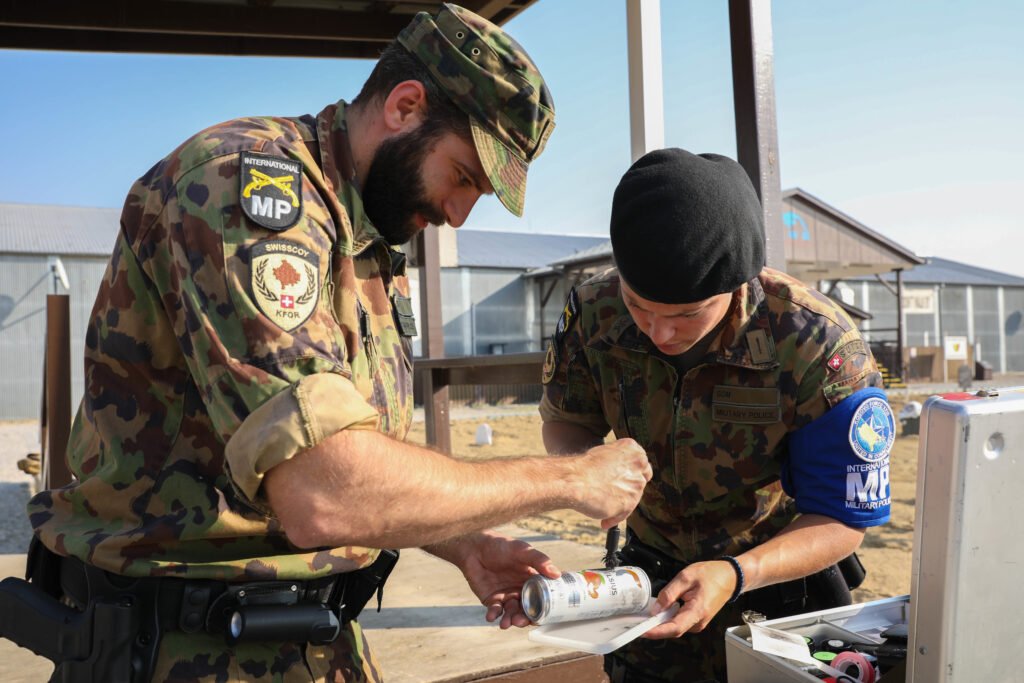
Overview Criminal investigation is the structured process law enforcement agencies use to determine whether a crime has been committed and, if so, to identify and build a case against the individuals responsible. It combines the systematic collection of physical evidence, the gathering of witness and victim statements, and increasingly the analysis of digital records and
Criminal Investigation Read More »
Criminal investigation is the systematic process of gathering, documenting, and analyzing evidence to determine whether a crime occurred and to identify the individuals responsible for it.
Criminal law is the body of law that defines offenses against the public and the state, establishes criminal procedure, and prescribes the punishments that may follow a conviction. Unlike civil law, which resolves private disputes between individuals, criminal law treats certain harmful conduct as an offense against society as a whole, prosecuted by the state
Criminal Law Read More »
The body of law that defines offenses against the state, establishes criminal procedure, and prescribes punishment for violations.
Overview Criminal profiling is an investigative technique in which analysts examine evidence from a crime scene, along with information about the victim and the circumstances of the offense, to construct a description of the likely psychological and behavioral characteristics of an unknown perpetrator. It is most often applied to serious violent crimes, particularly serial offenses
Criminal Profiling Read More »
Criminal profiling is an investigative technique that uses behavioral and psychological analysis of crime scene evidence to develop a description of the likely characteristics of an unknown offender.
Crisis communication exists to keep an organization credible and its audience informed at the exact moment public attention is most intense and least forgiving. The First Hours Response speed in the opening hours of a crisis often matters more than polish, since an information vacuum invites speculation, rumor, and competing narratives that can be far
Crisis Communication Read More »
Crisis communication is the practice of managing information flow during an event that threatens an organization reputation, safety record, or operations.