The International Criminal Court (ICC) is a permanent international tribunal in The Hague that investigates and tries individuals accused of genocide, crimes against humanity, war crimes and the crime of aggression. It is governed by a treaty called the Rome Statute, and it acts as a court of last resort that complements national courts instead
International Criminal Court Read More »
The ICC is a permanent tribunal in The Hague that tries individuals for genocide, crimes against humanity, war crimes and aggression under the Rome Statute.
The International Energy Agency (IEA) is an autonomous intergovernmental body based in Paris, founded in November 1974 within the Organization for Economic Co-operation and Development (OECD). It was set up to help its member countries respond to major oil supply disruptions, and its work has since widened to energy data, analysis, policy advice and technology
International Energy Agency Read More »
The IEA is a Paris-based OECD body founded in 1974 to coordinate responses to oil supply disruptions and now a major source of energy analysis.
The International Labour Organization (ILO) is the United Nations specialized agency that sets international labor standards and promotes social justice and decent work. Created in 1919, it is the only tripartite UN agency: governments, employers and workers of its 187 member states all have a voice in its decisions. History of the International Labour Organization
International Labour Organization Read More »
The International Labour Organization is the tripartite UN agency, created in 1919, that sets international labor standards and promotes decent work.
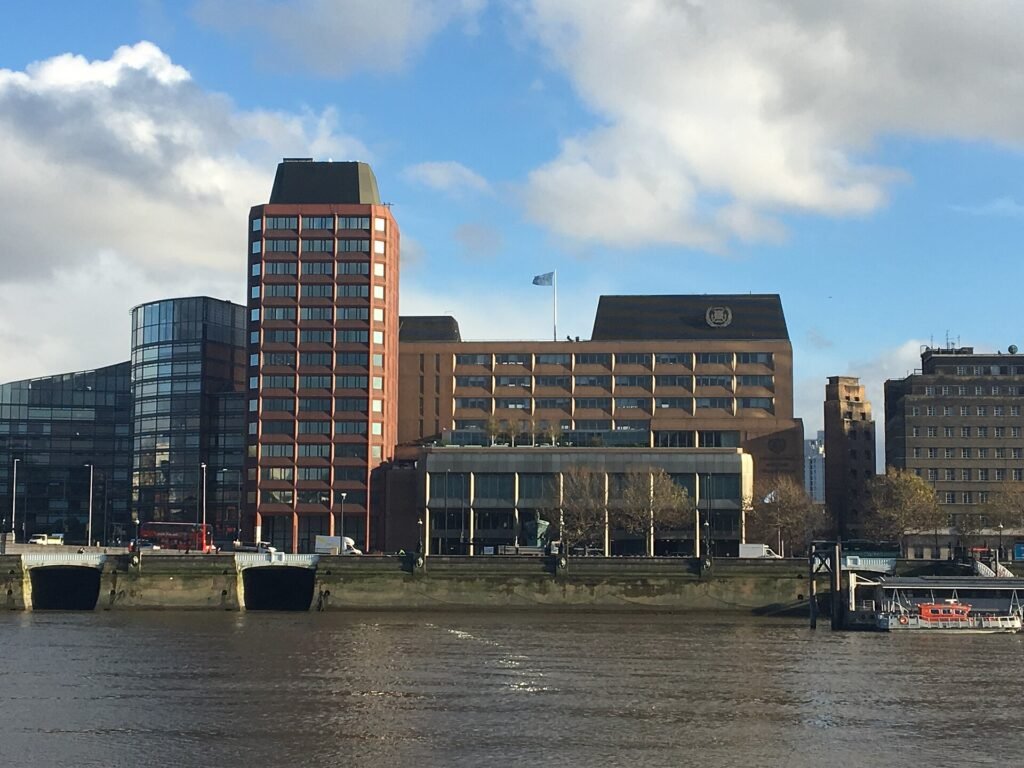
The International Maritime Organization (IMO) is the United Nations specialized agency responsible for the safety and security of shipping and for preventing marine and atmospheric pollution by ships. Headquartered in London, it has 176 Member States and three Associate Members. History and founding of the IMO The best way to improve safety at sea, the
International Maritime Organization Read More »
The United Nations specialized agency, based in London, that sets global standards for the safety, security and environmental performance of international shipping.
The International Monetary Fund, or IMF, is an international organization of 191 member countries that works to promote monetary cooperation, financial stability and sustainable growth. It lends to governments in economic crisis, advises them on policy and trains their officials. It also issues an international reserve asset called Special Drawing Rights. History of the IMF
International Monetary Fund Read More »
The International Monetary Fund is an organization of 191 countries that promotes monetary cooperation and lends to governments facing economic crises.
The International Olympic Committee (IOC) is the international non-governmental organization that leads the Olympic Movement and acts as guardian of the Olympic Games. Founded on 23 June 1894 and based in Lausanne, Switzerland, it describes itself as a not-for-profit body that is entirely privately funded. History and founding of the IOC The IOC was created
International Olympic Committee Read More »
An international non-governmental organization, founded in 1894 and based in Lausanne, that leads the Olympic Movement and oversees the Olympic Games.
The International Organization for Standardization (ISO) is an independent, non-governmental organization of national standards bodies that develops voluntary international standards. It was formally established on 23 February 1947, and its Central Secretariat is in Geneva, Switzerland. History of ISO Efforts to create global standards began in the early twentieth century. The International Federation of the
International Organization for Standardization Read More »
An independent, non-governmental body of national standards organizations, founded in 1947 in Geneva, that develops voluntary international standards.
The International Telecommunication Union (ITU) is the United Nations specialized agency for information and communication technologies. Founded on 17 May 1865 as the International Telegraph Union, it is headquartered in Geneva, Switzerland, and has 194 member states plus more than 1,000 company, university and organization members. History of the ITU The ITU began in 1865
International Telecommunication Union Read More »
The United Nations specialized agency for information and communication technologies, founded in 1865 and based in Geneva, with 194 member states.
The International Union for Conservation of Nature (IUCN) is a membership organization of governments and civil society groups that sets scientific standards for nature conservation and keeps the global Red List of Threatened Species. Established in 1948 and based in Gland, Switzerland, it describes itself as the global authority on the status of the natural
International Union for Conservation of Nature Read More »
The International Union for Conservation of Nature is a global union of governments and groups, founded in 1948, that publishes the Red List.
The Internet Engineering Task Force (IETF) is an open standards organization that develops voluntary technical standards for the Internet. Founded in 1986, it has no formal membership: anyone can take part, and its output is published as Requests for Comments (RFCs). History of the IETF The first IETF meeting took place in January 1986 at
Internet Engineering Task Force Read More »
An open, volunteer-driven standards organization, founded in 1986, that develops voluntary Internet standards and publishes them as RFCs.