A food additive is any substance intentionally added to food during processing or preparation to perform a specific technical function, such as preserving freshness, enhancing flavor or appearance, or improving texture, distinct from ingredients added purely for their nutritional or primary culinary contribution. Food additives range from substances long used in traditional cooking, such as
Food Additive Read More »
Any substance intentionally added to food during processing to perform a specific technical function.
Overview Food and beverage cost control encompasses the practices restaurants use to track and manage the cost of ingredients and beverages relative to the revenue they generate. Standardized Recipes and Portioning Standardized recipes specify exact ingredient quantities and preparation methods, helping ensure that food cost percentages remain consistent and predictable regardless of which kitchen staff
Food and Beverage Cost Control Read More »
Food and beverage cost control is the set of practices used to monitor and manage ingredient, labor, and waste costs relative to menu pricing and sales revenue.
A food chain is the sequence by which energy and matter, in the form of food, pass from one organism to the next. Each organism in the sequence depends on the one before it, starting with a producer that captures energy directly from its environment and ending with the top predator or decomposer that closes
Food chain Read More »
A food chain is the linear sequence of organisms through which energy and matter pass as one feeds on another, from producer to top consumer.
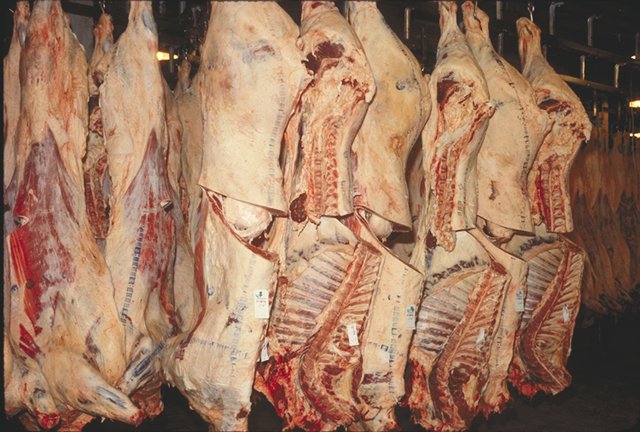
Food grading is the process of evaluating and classifying food products according to quality characteristics such as appearance, size, texture, and composition, distinct from food safety inspection, which focuses on whether a product is safe to eat rather than how it ranks in quality. Grading is often voluntary and paid for by producers seeking a
Food Grading Read More »
The process of evaluating and classifying food products by quality characteristics, distinct from safety inspection.
Food insecurity describes the condition of lacking reliable access to enough affordable, nutritious food to meet a households needs. In the United States, the Department of Agriculture measures food insecurity annually through a household survey, tracking both the share of households affected and the severity of food access problems they report. How Food Banks Operate
Food Insecurity and Food Banks Read More »
The condition of lacking reliable access to enough affordable, nutritious food, and the charitable network of organizations that distribute food to address it.
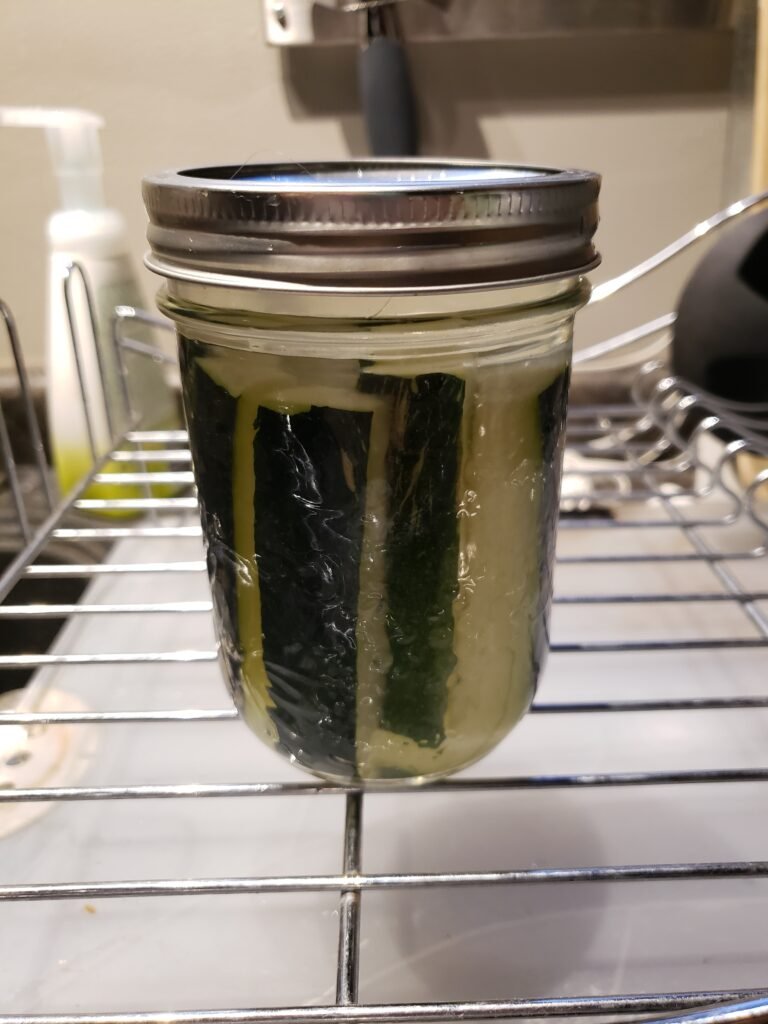
Food preservation encompasses the methods used to prevent or slow the spoilage of food caused by microbial growth, enzymatic activity, and oxidation, extending how long food remains safe and palatable to eat beyond its naturally perishable state. Humans have practiced food preservation for thousands of years through techniques such as drying, salting, and fermenting, and
Food Preservation Read More »
Methods used to prevent or slow food spoilage, extending how long food remains safe and palatable to eat.
Food processing refers to the methods used to transform raw agricultural products and ingredients into food that is safer, more convenient, longer-lasting, or more palatable, ranging from simple techniques like washing and cutting to complex industrial operations involving cooking, mixing, and packaging on a large commercial scale. Food processing exists on a spectrum from minimal
Food Processing Read More »
The methods used to transform raw agricultural products into food that is safer, more convenient, or longer-lasting.
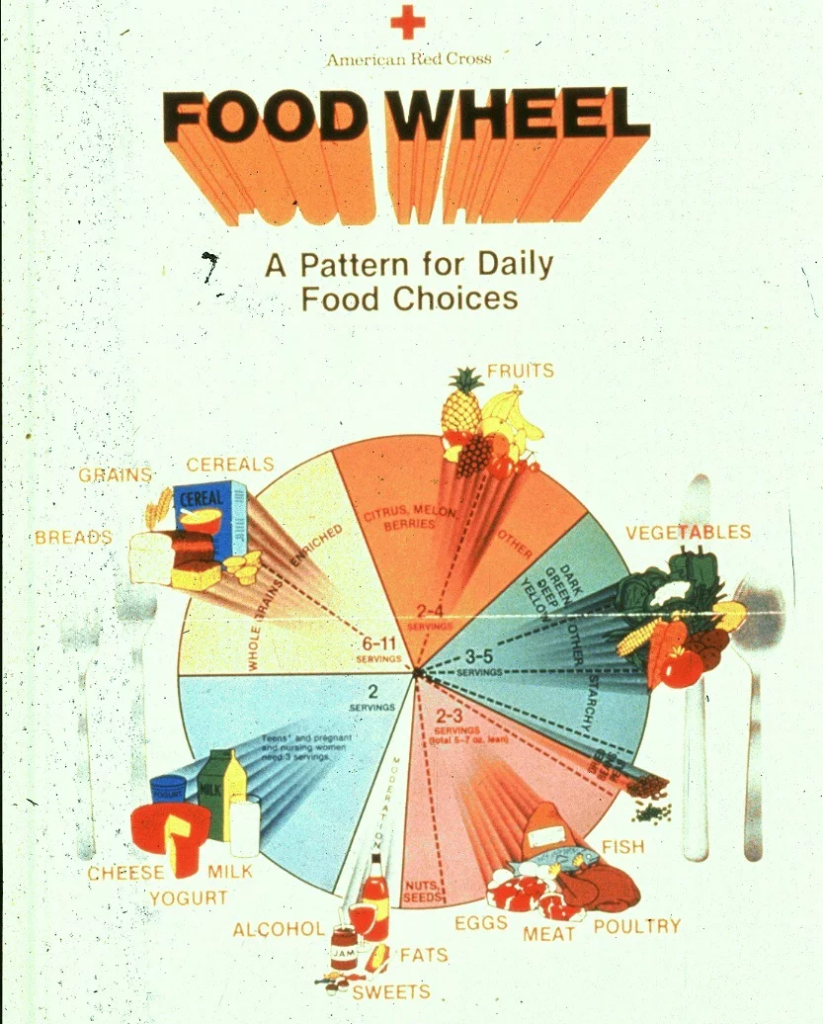
The food pyramid is a graphic representation of recommended daily food group proportions, once the primary visual tool for communicating nutrition guidance before being replaced by alternative formats in several countries. First introduced by Sweden in 1974 and adopted prominently by the United States Department of Agriculture in 1992, the pyramid organized food groups by
Food Pyramid Read More »
A graphic nutrition tool, popularized by the USDA in 1992, representing recommended food group proportions as a pyramid.
A food recall is the removal of a food product from the market because it is found to be unsafe, mislabeled, or otherwise in violation of food safety regulations. Recalls can be initiated voluntarily by a manufacturer or ordered by a regulatory agency, and they range in severity from a minor labeling error to a
Food Recall Read More »
The removal of a food product from the market due to safety violations, mislabeling, or regulatory noncompliance.
Overview Food safety in food service encompasses the practices, training, and regulations designed to prevent foodborne illness through proper food handling, storage, and preparation. Temperature Control Food safety protocols center heavily on temperature control, since the so-called temperature danger zone, roughly between 40 and 140 degrees Fahrenheit, allows bacteria to multiply rapidly if food remains
Food Safety in Food Service Read More »
Food safety in food service covers the practices and regulations that prevent foodborne illness through proper handling, storage, preparation, and temperature control.