In simple terms An arms embargo is a rule that stops weapons and other military goods from reaching a particular country, armed group or person. It is one type of sanction: a penalty that stops short of military force. The aim is to cut off the tools of violence and push the target to change
Arms embargo Read More »
An arms embargo bans supplying weapons, military equipment and related services to a country, group or person to promote peace and security.
Art Deco is a decorative arts and architecture style defined by streamlined geometric forms, bold symmetrical ornament, and an enthusiastic embrace of modern, machine-made materials. It flourished internationally from the 1920s through the 1930s, shaping buildings, furniture, jewelry, fashion, and graphic design with a visual language that one historian described as modernism turned into fashion.
Art Deco Read More »
A decorative arts and architecture style of streamlined geometric forms and machine-age materials, popular in the 1920s-1930s.
Art Nouveau is a decorative style that flourished internationally from roughly 1890 to 1910, characterized by flowing, organic lines drawn from plant forms and a distinctive ambition to unify architecture, furniture, jewelry, and graphic design into a single coordinated visual whole, often called a ‘total work of art.’ Victor Horta and Hotel Tassel Belgian architect
Art Nouveau Read More »
A decorative style of flowing, organic lines drawn from plant forms, flourishing internationally from about 1890 to 1910.
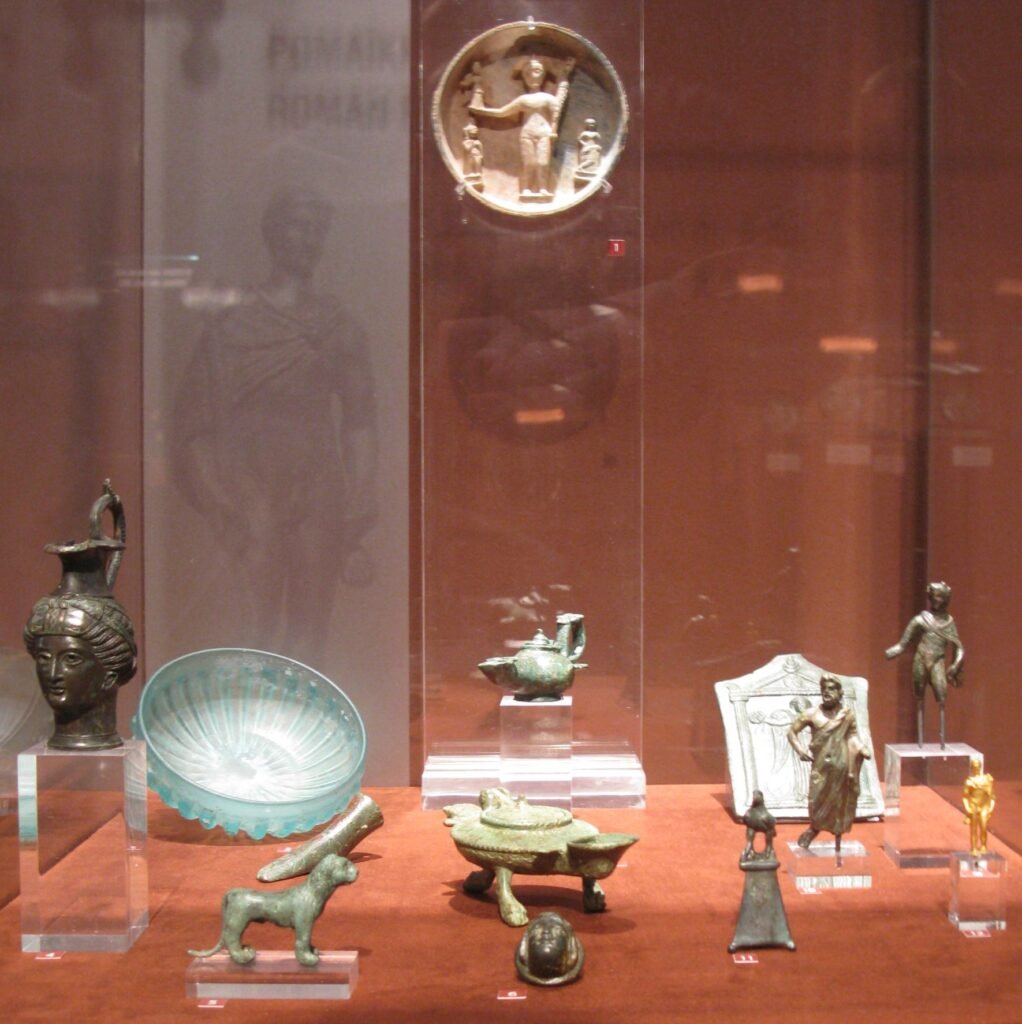
An artifact, in archaeology, is any object that was made, modified, or used by humans and recovered as evidence of past activity. The term covers an enormous range of material, from a roughly flaked stone tool half a million years old to a nineteenth-century coin dropped beneath a city street, but the defining feature is
Artifact Read More »
Any object made, modified, or used by humans and recovered as archaeological evidence.
Artificial intelligence (AI) is the branch of computer science that builds systems able to perform tasks, such as recognizing patterns, making predictions, or generating text and images, that have traditionally required human intelligence. The Organisation for Economic Co-operation and Development (OECD) defines an AI system more precisely as “a machine-based system that, for explicit or
Artificial intelligence Read More »
Artificial intelligence (AI) is the branch of computer science that builds systems able to learn from data and perform tasks requiring human judgment.
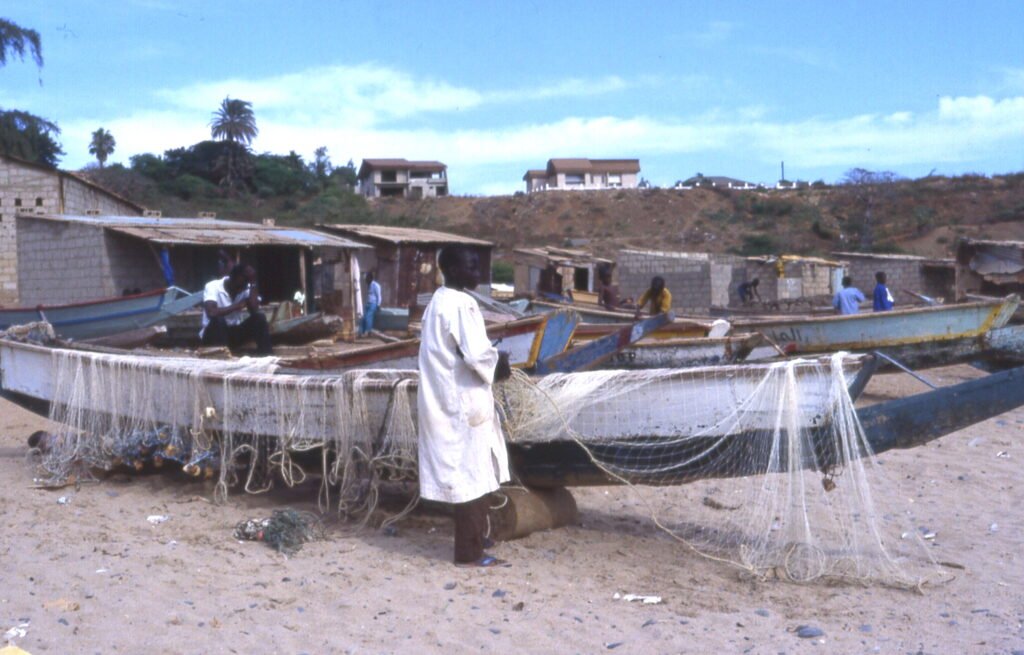
Artisanal fishing is small-scale fishing conducted by individuals or families using relatively simple vessels, gear, and techniques, typically for local consumption or sale rather than large-scale commercial export. It remains a vital source of food and income for coastal and riverine communities across much of the developing world. Characteristic Methods and Gear Artisanal fishers commonly
Artisanal Fishing Read More »
Small-scale fishing by individuals or families for local food and income rather than large export.
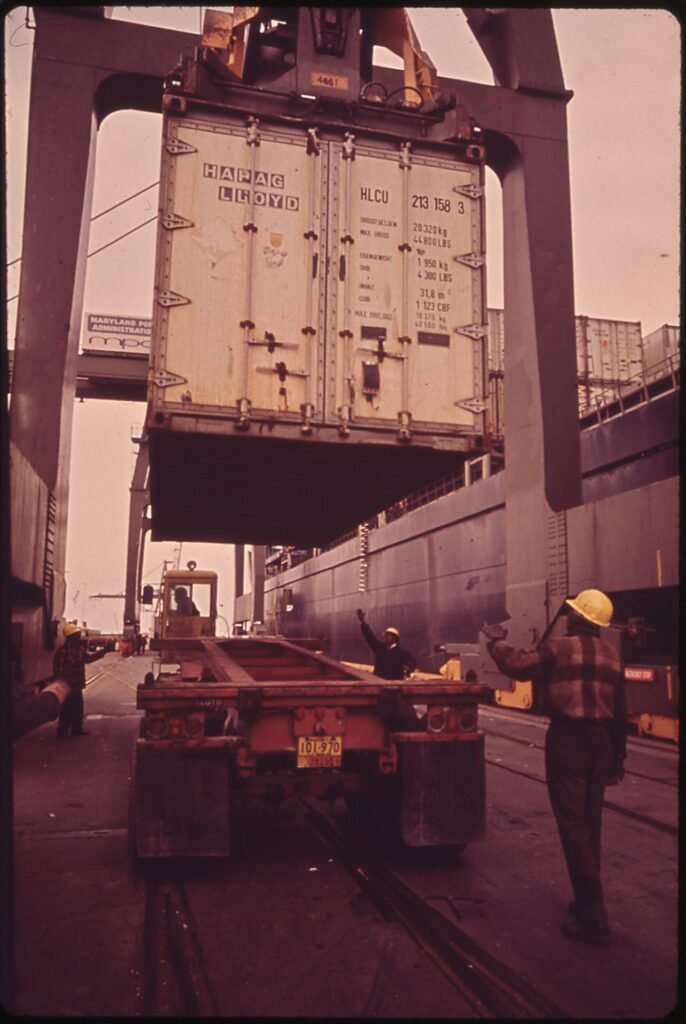
Overview Asset protection encompasses the strategies an organization uses to prevent the loss, theft, or damage of its physical and intellectual property, a term especially common within the retail industry but applicable across many sectors. Modern asset protection programs typically address threats from both outside the organization, such as shoplifting or burglary, and from within,
Asset Protection Read More »
Asset protection is the set of strategies and practices used to prevent loss, theft, or damage to an organizations physical and intellectual property.
Assisted living is a residential care setting that provides housing along with help with daily activities, such as bathing, dressing, and medication management, for people who need some support but not the intensive, round-the-clock skilled medical care that a nursing home provides. It generally falls between fully independent living and nursing home care on the
Assisted Living Read More »
A residential care setting that provides housing along with help with daily activities for people who need some support but not intensive medical care.
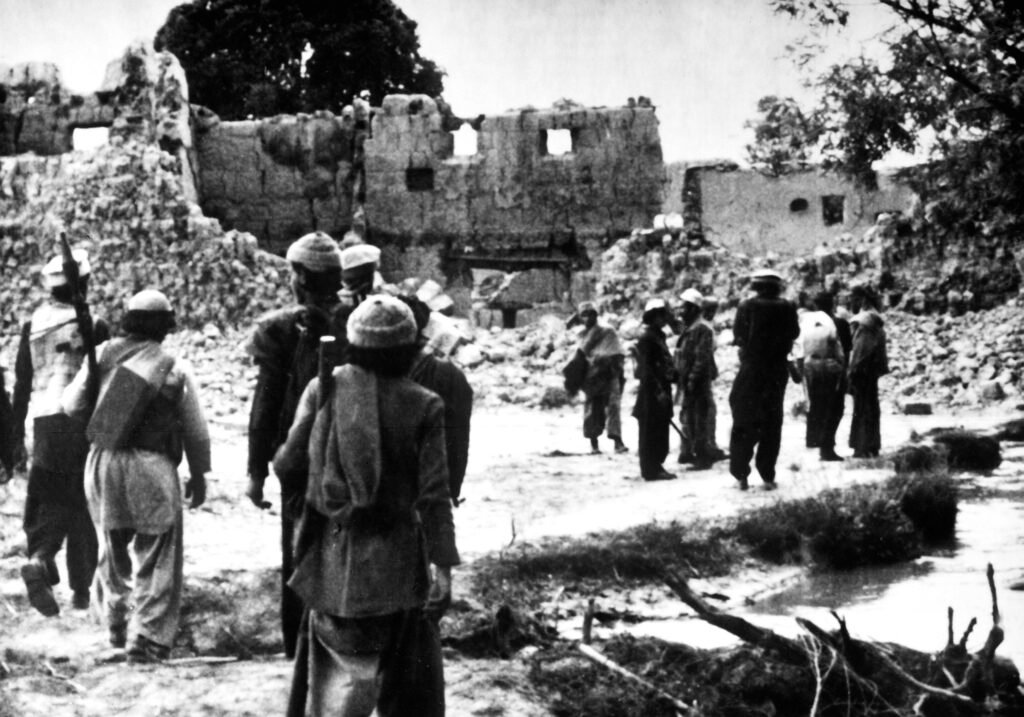
Overview Asymmetric warfare describes conflict between parties with substantially unequal military resources, technology, or organizational strength. Rather than meeting a stronger opponent in open conventional battle, the weaker side adopts tactics designed to avoid its disadvantages while exploiting the stronger sides vulnerabilities. Common tactics Typical asymmetric approaches include guerrilla warfare, in which small, mobile units
Asymmetric Warfare Read More »
Asymmetric warfare is conflict between opponents of significantly different military strength or capability, in which the weaker side avoids direct confrontation and instead uses unconventional tactics to offset its disadvantages.
Atheism is the position that denies or rejects belief in the existence of God or gods. In its broadest sense, the term covers a range of views, from the rejection of specific gods described in particular religious traditions, to a general denial that any god exists, to the stronger claim that the very concept of
Atheism Read More »
The position that denies or rejects belief in the existence of God or gods, distinguished from both theism and agnosticism.