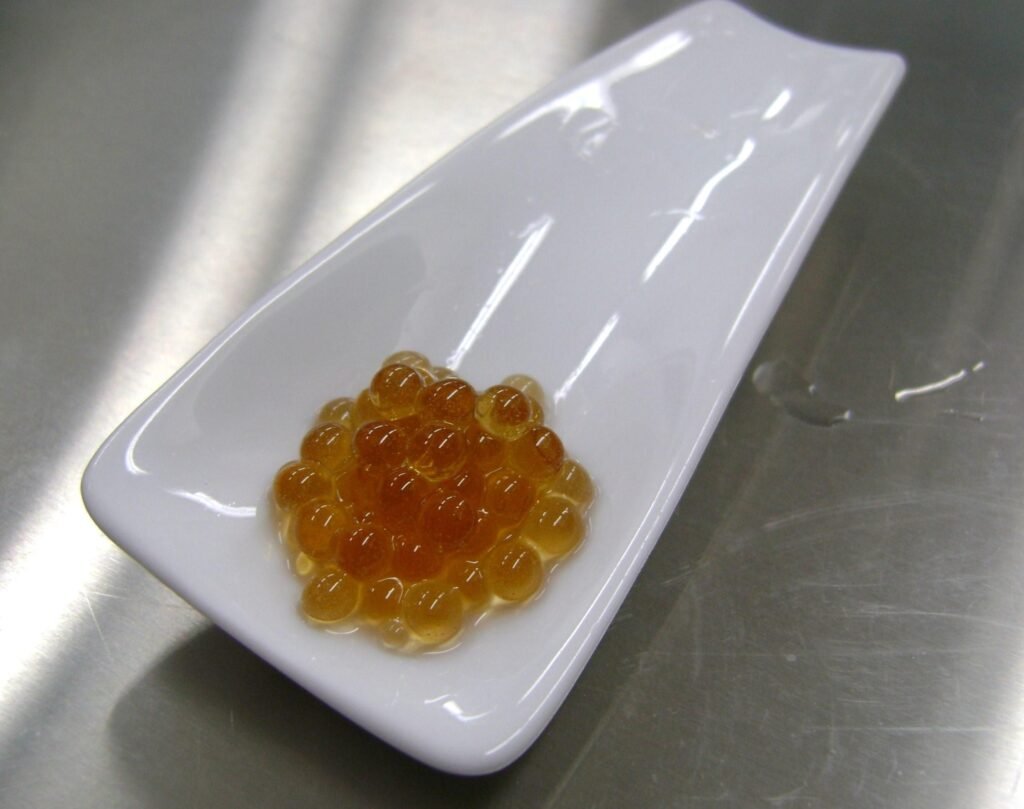
Molecular gastronomy is the scientific study of the physical and chemical transformations that occur during cooking, applied by chefs to create dishes that play with texture, temperature, and form. The term was coined in 1988 by physicist Nicholas Kurti and chemist Herve This, who wanted a formal discipline to explain why classic techniques worked and
Molecular Gastronomy Read More »
The scientific study of physical and chemical changes in cooking, used to create novel textures and dishes.
In simple terms A molecule is a group of atoms bonded together and behaving as one unit. Water is the familiar case: hydrogen and oxygen atoms joined into a single particle. The atoms on their own are gases with nothing watery about them. How it works IUPAC, the body that sets chemical terminology, defines a
Molecule Read More »
A molecule is an electrically neutral group of two or more atoms held together as a single unit by chemical bonds.
In simple terms The moment magnitude scale is the standard way seismologists state how big an earthquake was. It is written Mw, and it has replaced the Richter scale for most serious work. It describes the earthquake at its source. One earthquake has one magnitude, wherever you happened to be standing. How it works The
Moment magnitude scale Read More »
The moment magnitude scale, written Mw, states an earthquake's size from the slip, fault area and rock rigidity at its source.
In simple terms Monetary policy is how a central bank steers an economy by changing the cost of money. Its main lever is a short-term interest rate. Move that rate and the cost of mortgages, business loans and savings tends to move with it. How it works A committee meets on a fixed schedule and
Monetary policy Read More »
Monetary policy is the action a central bank takes to influence how much money is in an economy and what it costs to borrow.
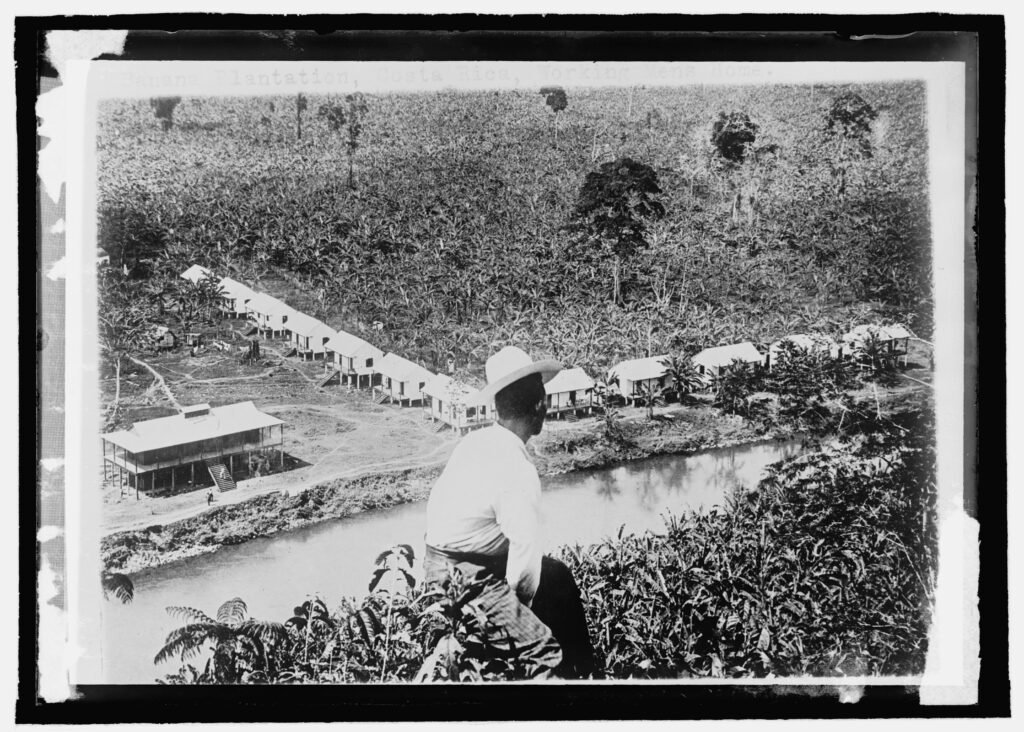
Monoculture is the agricultural practice of growing a single crop species, or in some cases a single genetically similar variety of that crop, across a large area of land, often over many consecutive growing seasons. It stands in contrast to polyculture and crop rotation, which deliberately grow multiple species together or alternate different crops on
Monoculture Read More »
Growing a single crop species or variety across a large area, efficient but vulnerable to pests and disease due to genetic uniformity.
A monsoon is a large-scale seasonal reversal of wind direction that brings a pronounced wet season to a region, most famously across South Asia, but also affecting parts of Africa, Australia, and North America. The term derives from the Arabic word “mawsim,” meaning season, reflecting its long history of importance to sailors and traders who
Monsoon Read More »
A monsoon is a large-scale seasonal reversal of wind direction that brings a pronounced wet season, most notably across South Asia.
In simple terms Montage, in filmmaking, is the technique of assembling a sequence of distinct shots, through editing, to condense time, build an idea, or create meaning that no single shot could carry on its own. [1] How it works A montage sequence typically compresses events that would take far longer in real time into
Montage (filmmaking) Read More »
Montage is the film editing technique of assembling a sequence of distinct shots to condense time, build an idea, or create meaning that no single shot could carry alone.
In simple terms A morpheme is the smallest meaningful unit in a language’s grammar. Cut a word into pieces smaller than its morphemes and the pieces stop meaning anything, which is what separates a morpheme from a syllable. Unladylike has four syllables but three morphemes: un- (not), lady (a female adult human) and -like (having
Morpheme Read More »
A morpheme is the smallest meaningful unit in a language, such as dog, the prefix un- or the plural ending -s.
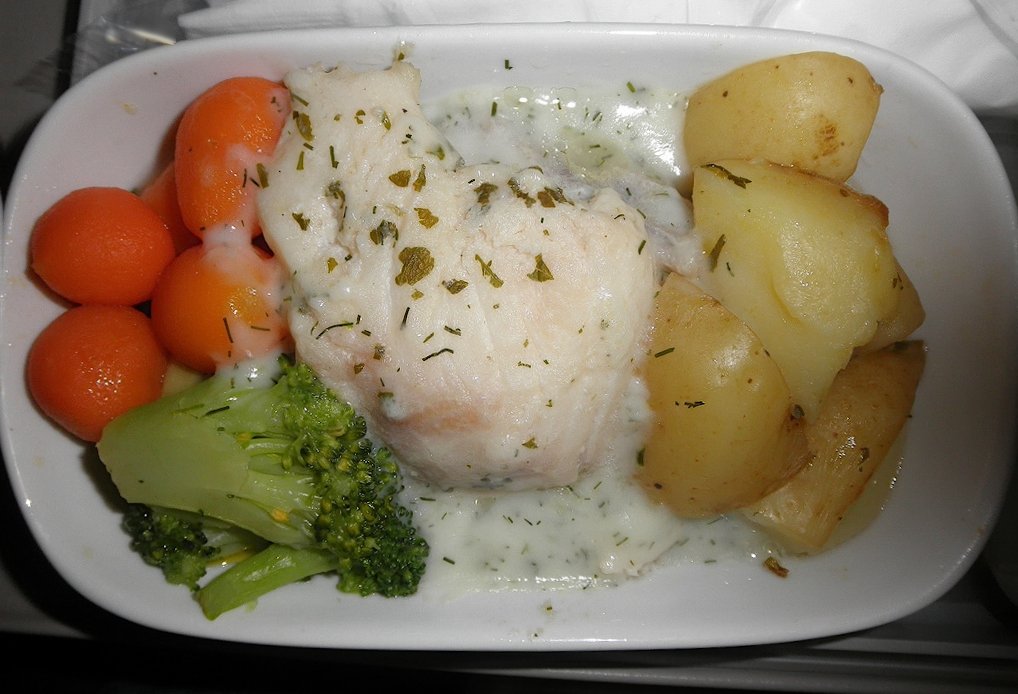
A mother sauce is one of a small set of foundational sauces in classical French cuisine from which many smaller, derivative sauces are built. The chef Auguste Escoffier codified the system in the early twentieth century, organizing French sauce-making into a teachable structure still used in culinary schools today. The Five Mother Sauces Bechamel is
Mother Sauce Read More »
One of five foundational French sauces, codified by Escoffier, from which many derivative sauces are built.
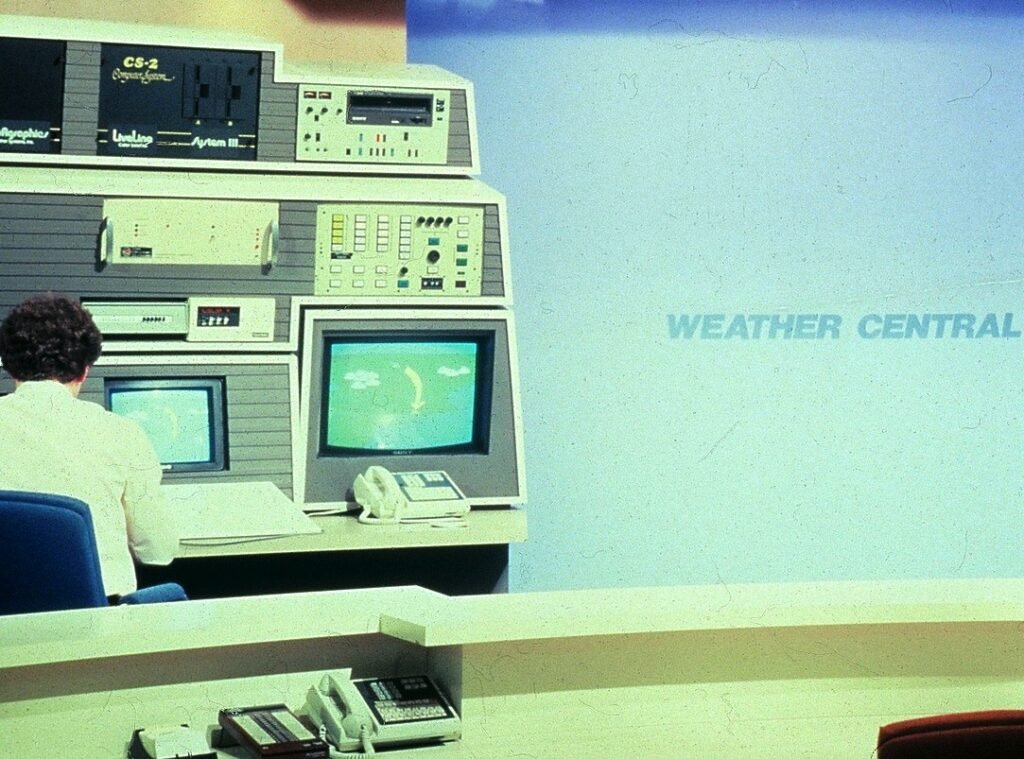
Image: Cromemco System Two (CS-2) in a television station control room used for graphics generation, by Cromemco, licensed CC BY-SA 3.0 via Wikimedia Commons.
Motion Graphics Read More »
A design discipline combining graphic design with animation and sound to create moving visual content for advertising, interfaces, and video.