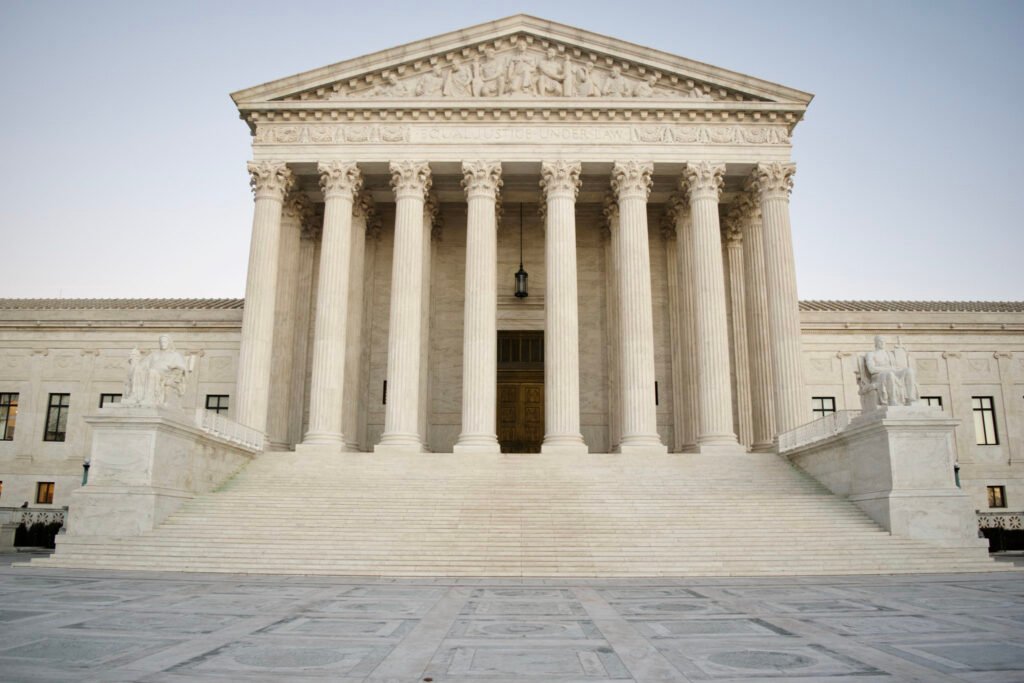
Prior restraint describes government efforts to stop speech before it reaches an audience, a practice that courts in many democracies view with deep skepticism. A Strong Presumption Against It Legal systems that protect press freedom generally require the government to meet an extremely high bar before a court will block publication in advance. Landmark Cases
Prior Restraint Read More »
Prior restraint is government action that blocks speech or publication before it occurs, treated with deep suspicion under most free press traditions.
Privacy rights in media address what a publisher may reveal about a person rather than whether the information published is accurate. Private Facts and Newsworthiness Courts frequently ask whether a disclosed fact is of legitimate public concern before allowing a privacy claim to proceed, since newsworthy information receives broader protection. Intrusion and Surveillance Separate from
Privacy Rights in Media Read More »
Privacy rights in media concern the legal and ethical limits on publishing private facts about individuals, balanced against the public interest in reporting.
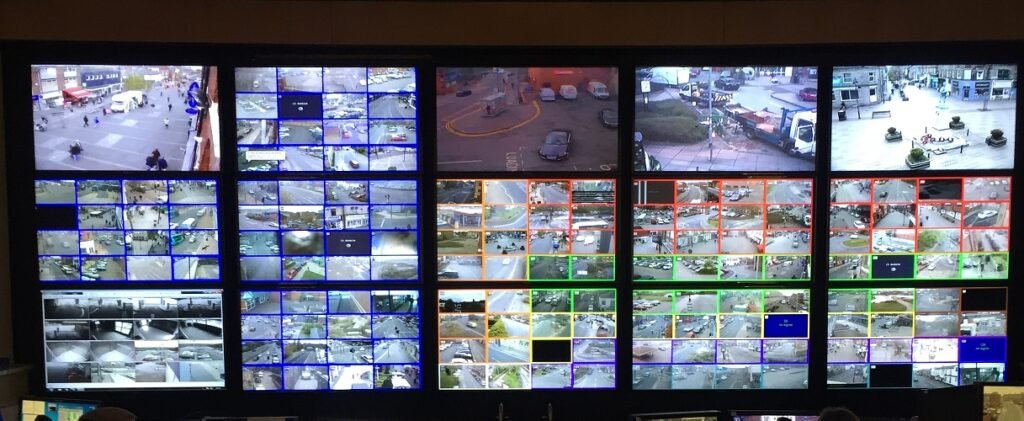
Overview The private security industry consists of companies and individuals paid to protect people, property, and information, filling roles that public police departments either cannot or do not cover. It has grown into a major economic sector in its own right, and in many countries the number of private security employees now exceeds the number
Private Security Industry Read More »
The private security industry encompasses companies and personnel hired to protect people, property, and information outside of government policing.
In simple terms A prognosis is a forecast, not a verdict. It is a medically informed prediction about the likely outcome of a condition. It answers a different question from a diagnosis. Diagnosis names what the problem is. Prognosis estimates where it is heading. How it works Clinicians weigh several things: the type of condition,
Prognosis Read More »
A prognosis is a medically informed estimate of how a condition is likely to develop, and how likely recovery is.
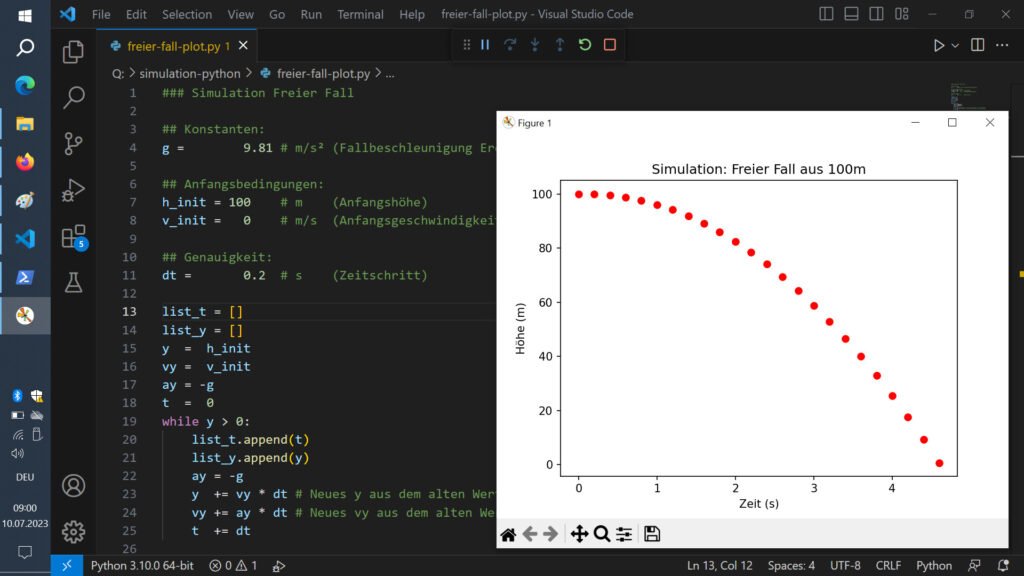
A programming language is a formal system of words, symbols, and rules that lets a person write instructions a computer can carry out. Unlike natural human languages, a programming language has a strict grammar, called syntax, and a precise meaning for every valid statement, called semantics, so that a program’s behavior is unambiguous and repeatable.
Programming Language Read More »
A formal system of symbols and rules used to write instructions that a computer can execute.
In simple terms Progression-free survival, usually shortened to PFS, is a way of measuring whether a treatment is working in a clinical trial. It counts the time from the moment a patient is randomly assigned to a treatment group until the disease objectively worsens or the patient dies, whichever happens first. How it works The
Progression-free survival Read More »
Progression-free survival is the time from randomization in a trial until a patient disease objectively worsens or they die, whichever comes first.
Project-based learning is an instructional approach in which students learn academic content and skills by engaging in extended, real-world projects that culminate in a tangible product or presentation, rather than through a traditional sequence of lectures and isolated assignments. Roots in experiential education Project-based learning traces its philosophical roots to early twentieth-century educational theorist John
Project-based learning Read More »
An instructional approach where students learn content and skills through extended, real-world projects ending in a tangible product.
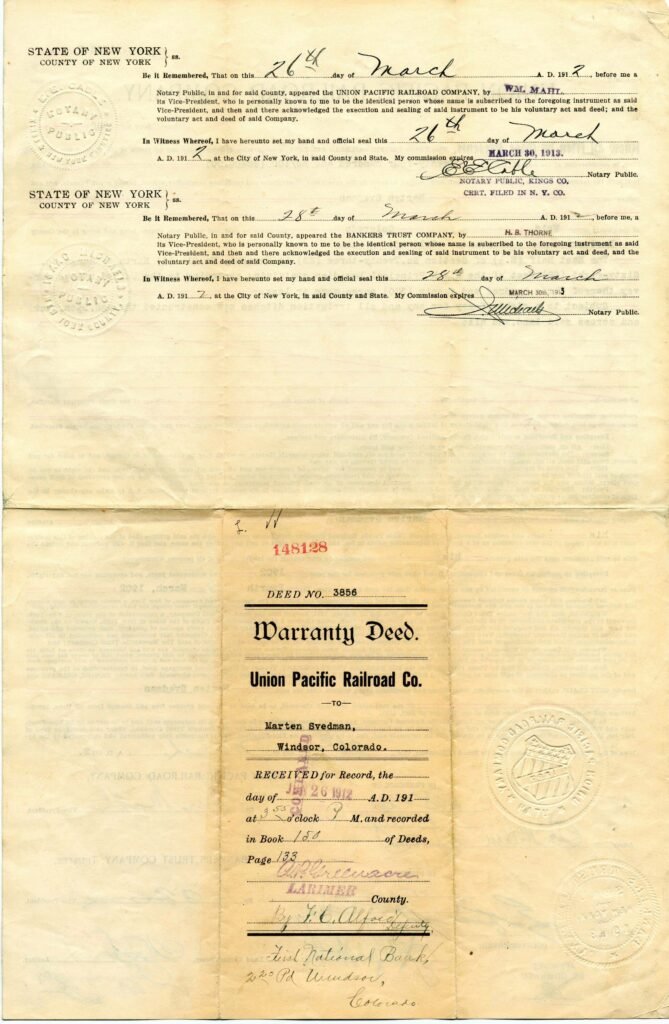
Property law is the body of legal rules that determines who owns a thing, how that ownership can be acquired, transferred, or lost, and what rights an owner holds against everyone else. It covers land and buildings as well as movable objects, and it sits alongside contract law and tort law as one of the
Property Law Read More »
The branch of law defining ownership, possession, and transfer of land and movable things.
A protected area is a clearly defined geographic space that is formally recognized, dedicated, and actively managed, through legal or other effective means, with the long-term goal of conserving nature along with the ecosystem services and cultural values that depend on it. The category covers everything from strictly off-limits wilderness to landscapes where people and
Protected area Read More »
A protected area is a legally recognized and actively managed geographic space dedicated mainly to the long-term conservation of nature.
Classification of Protected Areas Protected areas span a wide spectrum of management approaches, formally categorized by the IUCN from strict nature reserves, which prioritize minimal human disturbance, through national parks and habitat management areas, to multiple-use protected landscapes that permit regulated sustainable activity alongside conservation goals. This classification system helps standardize international reporting and comparison,
Protected Area Management Read More »
The planning, governance, and on-the-ground administration of national parks, reserves, and other legally designated areas set aside for conservation purposes.