An Overnight Coup Ends Brazil’s Monarchy
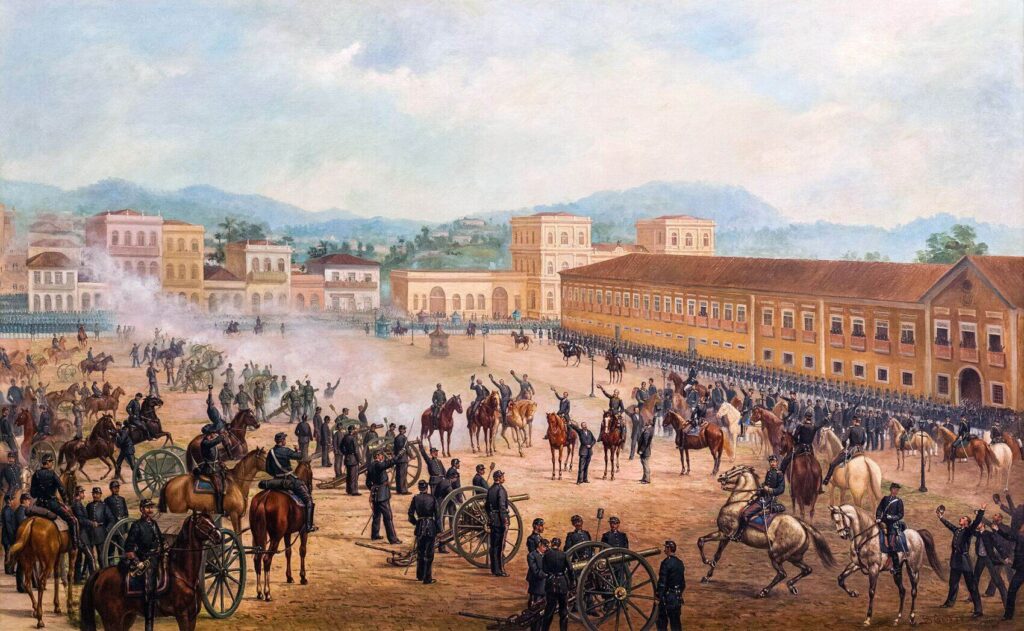
Before dawn on November 15, 1889, soldiers marched into Rio de Janeiro, deposed the government, and within two days persuaded Emperor Pedro II to sail into exile, ending Brazil’s monarchy after sixty-seven years.
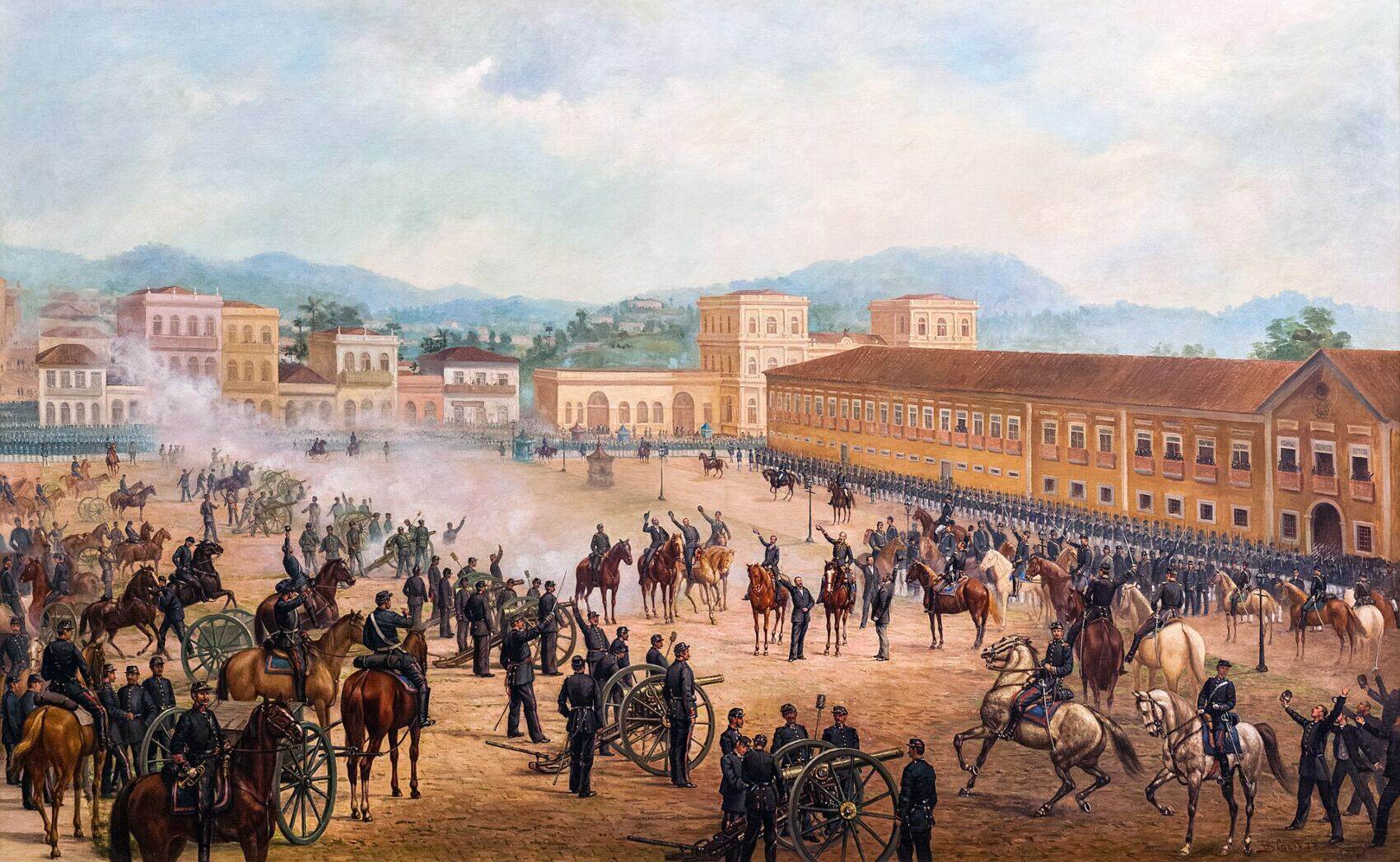
Marshal Deodoro da Fonseca, pushed into action by younger officers and a false rumor that he faced arrest, led a few hundred troops to Rio de Janeiro’s war ministry before sunrise. They arrested the cabinet, and the Baron of Ladario, the navy minister, was shot four times resisting arrest. By that afternoon, Deodoro had proclaimed a republic and formed a provisional government.
The coup ended sixty-seven years of monarchy under the House of Braganza and launched the First Brazilian Republic. Its earliest decrees abolished the lifetime Senate and adopted the flag Brazil still flies today, a transformation Europe’s own monarchies would not see on this scale until the empires that fell around World War I’s Armistice.
Monarchies rarely fall in a single battle. Brazil’s gave way to a few hundred restless soldiers and an emperor too tired to resist, the same slow buildup of internal pressure that our explainer on what actually caused the fall of the Roman Empire traces over centuries, not a single invading army.
People Behind the Story

A reluctant monarchist, Deodoro agreed to lead the uprising only after a false warning that he faced arrest. He became provisional president, though accounts differ on whether he shouted for the republic or, out of habit, for the emperor.

Pedro II had reigned since 1831 and was widely respected, but age and illness left him unable to resist. “I have worked too hard and am tired,” he reportedly said before sailing into exile in Europe two days later.
A military engineer devoted to positivist philosophy, Constant organized the junior officers who carried out the uprising and became the provisional government’s first minister of war.
Key Moments
Dom Pedro I declares Brazil’s independence from Portugal and becomes its first emperor, founding the monarchy this coup will end sixty-seven years later.
Princess Isabel, acting as regent, signs the Golden Law abolishing slavery, a move that cost the monarchy support among former slaveholders who received no compensation.
Deodoro’s troops depose the cabinet and proclaim the republic in Rio de Janeiro.
Pedro II and the imperial family sail from Rio for exile in Europe aboard the steamship Alagoas.
Brazil’s first republican constitution is promulgated, formalizing the federal structure the provisional government had already decreed.
Did you know? Pedro II’s acceptance of a 5,000-contos-de-reis payment as he left Brazil was treated by his own ministers as the closest thing to a formal abdication, since he never signed one himself.
- “Proclamation of the Republic (Brazil),” Wikipedia
- “Brazil: The Collapse of the Empire,” Encyclopaedia Britannica
- Robert Adams Jr. to James G. Blaine, November 19, 1889, Papers Relating to the Foreign Relations of the United States, Office of the Historian
- “Empire of Brazil,” Library of Congress Brazil-U.S. Relations Research Guide
More in History