
Nations Found UNESCO
Six years after global war had leveled cities and broken alliances, representatives of forty-four nations signed a treaty betting that shared classrooms, laboratories and museums could guard peace better than armies had guarded against war.

On November 16, 1945, delegates meeting in London since the start of the month signed the Constitution of the United Nations Educational, Scientific and Cultural Organization, just three weeks after the United Nations itself came into being. The new agency gave governments a standing forum for cooperating on education, science and culture.
UNESCO gave postwar diplomacy a permanent institution built on the idea that durable peace needed shared schools and open scientific exchange, not just treaties between governments. It still runs the world’s most recognized heritage list and leads efforts to protect cultural sites and artifacts from looting and wartime destruction.
UNESCO rested on a specific wager: that cooperation in education and science could do preventive work that armies and borders could not, heading off the hatreds that cause wars before they start. Eight decades later the agency still tracks how many of the world’s children are in school, the same mission in a different century.
People Behind the Story
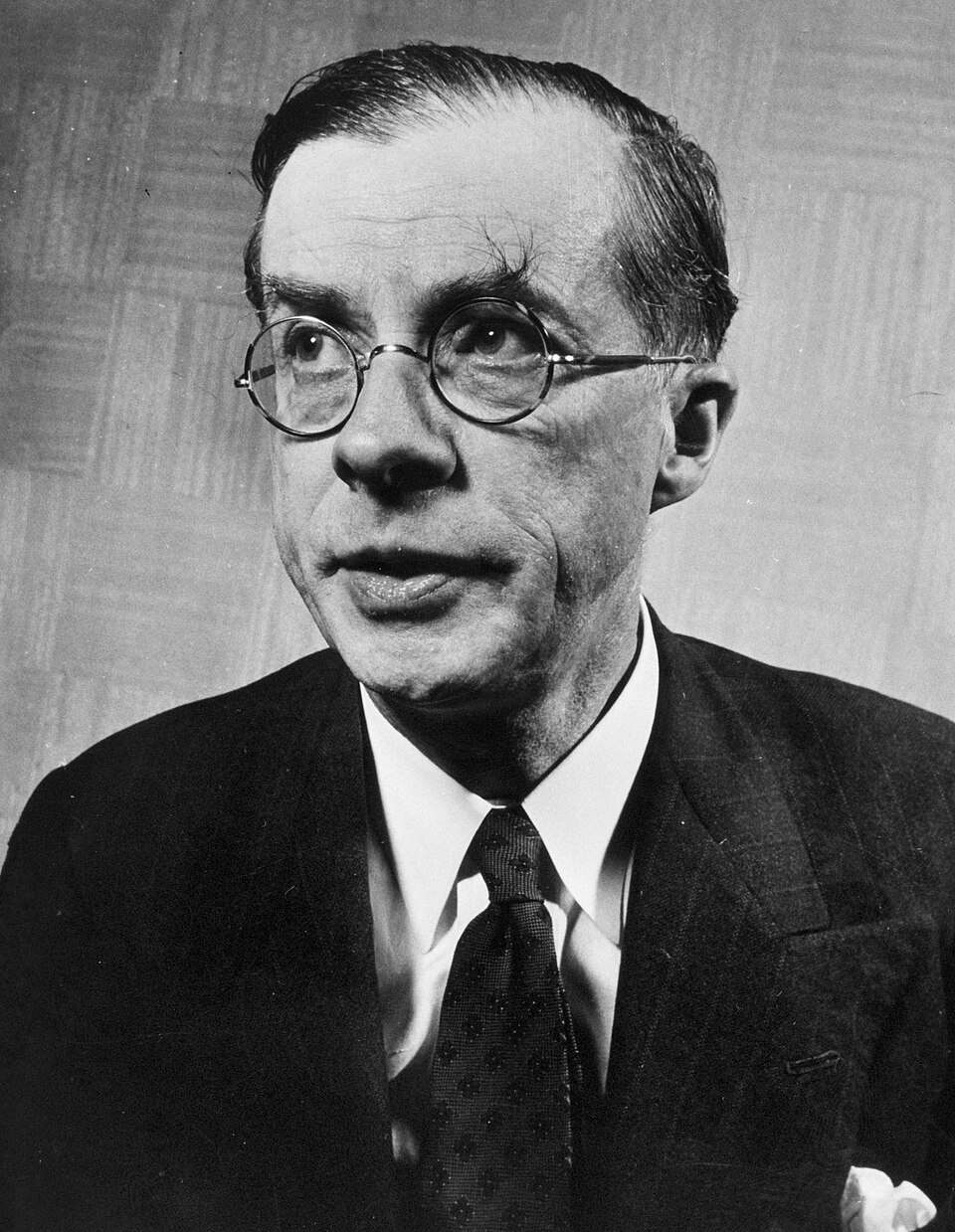
A British biologist and science writer, Huxley led UNESCO’s first two years from its new Paris headquarters, turning a signed constitution into a working organization built on the same belief in universal access to learning that still drives its work today.
Key Moments
Delegates from forty-four governments convene in London for the United Nations Conference for the Establishment of an Educational and Cultural Organization.
The conference closes with the signing of UNESCO’s Constitution, the document the delegates had spent two weeks negotiating.
The United Kingdom becomes one of the first governments to ratify the new constitution.
UNESCO’s Constitution enters into force once twenty governments have ratified it, formally bringing the organization into being.
British biologist Julian Huxley serves as UNESCO’s first Director-General, based at its new Paris headquarters.
Did you know? The conference that founded UNESCO ran for sixteen days, from November 1 to November 16, 1945, inside a London still clearing wartime rubble.
- “UNESCO,” Encyclopaedia Britannica
- “Constitution of UNESCO, London, 16 November 1945,” UK Government Treaty Record
- “Our History,” UNESCO United Kingdom (UK National Commission for UNESCO)
- “Constitution of UNESCO,” Humanist Heritage (Humanists UK)
- UNESCO Archives founding-document photograph, Wikimedia Commons
More in History