A Divided Nation Elects Abraham Lincoln
Running against three rivals in a country already splitting along sectional lines, Abraham Lincoln wins the presidency with under forty percent of the popular vote, and the South begins to leave the Union within weeks.
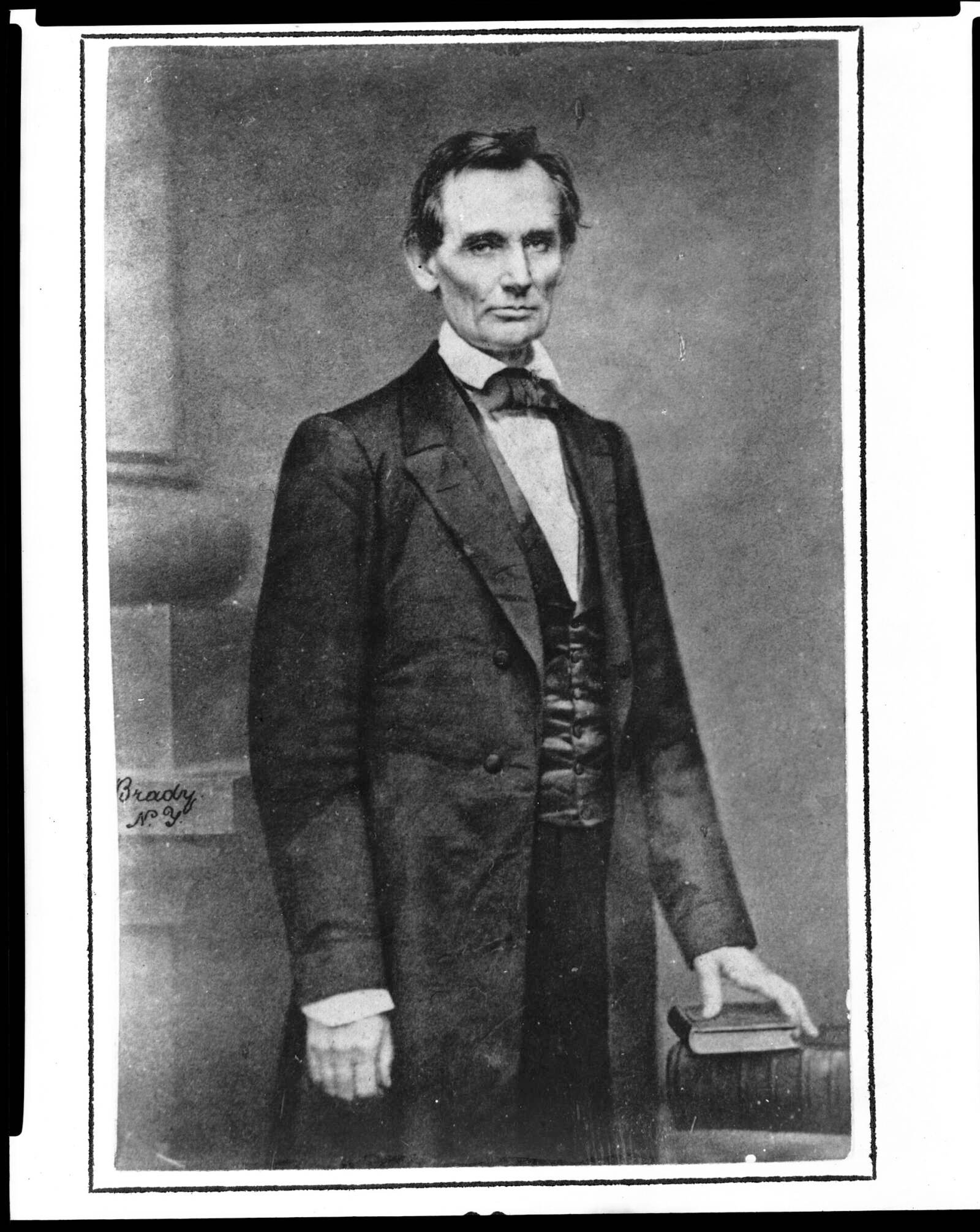
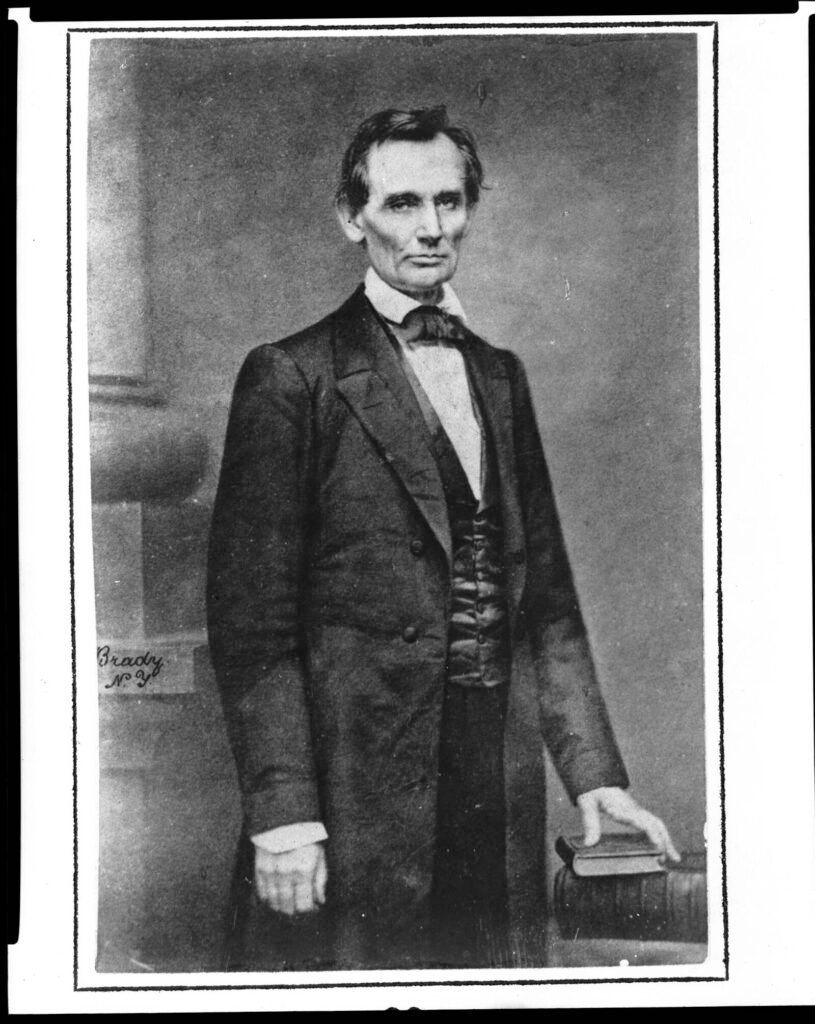
On November 6, 1860, American voters chose among four candidates for president: Republican Abraham Lincoln, Northern Democrat Stephen Douglas, Southern Democrat John Breckinridge, and Constitutional Unionist John Bell. Lincoln took about forty percent of the popular vote but a decisive 180 of 303 electoral votes, carrying every free state except New Jersey, which split its votes with Douglas.
The result proved a purely Northern, antislavery party could win the presidency without a single Southern electoral vote. To many Southern leaders, that made leaving a Union they no longer controlled look safer than staying inside it.
Lincoln won commanding power with a minority of the vote because the field split four ways, and the presidency goes to whoever leads in enough states, not whoever a majority of voters actually chose. That same arithmetic still decides close, multi-candidate elections today.
People Behind the Story
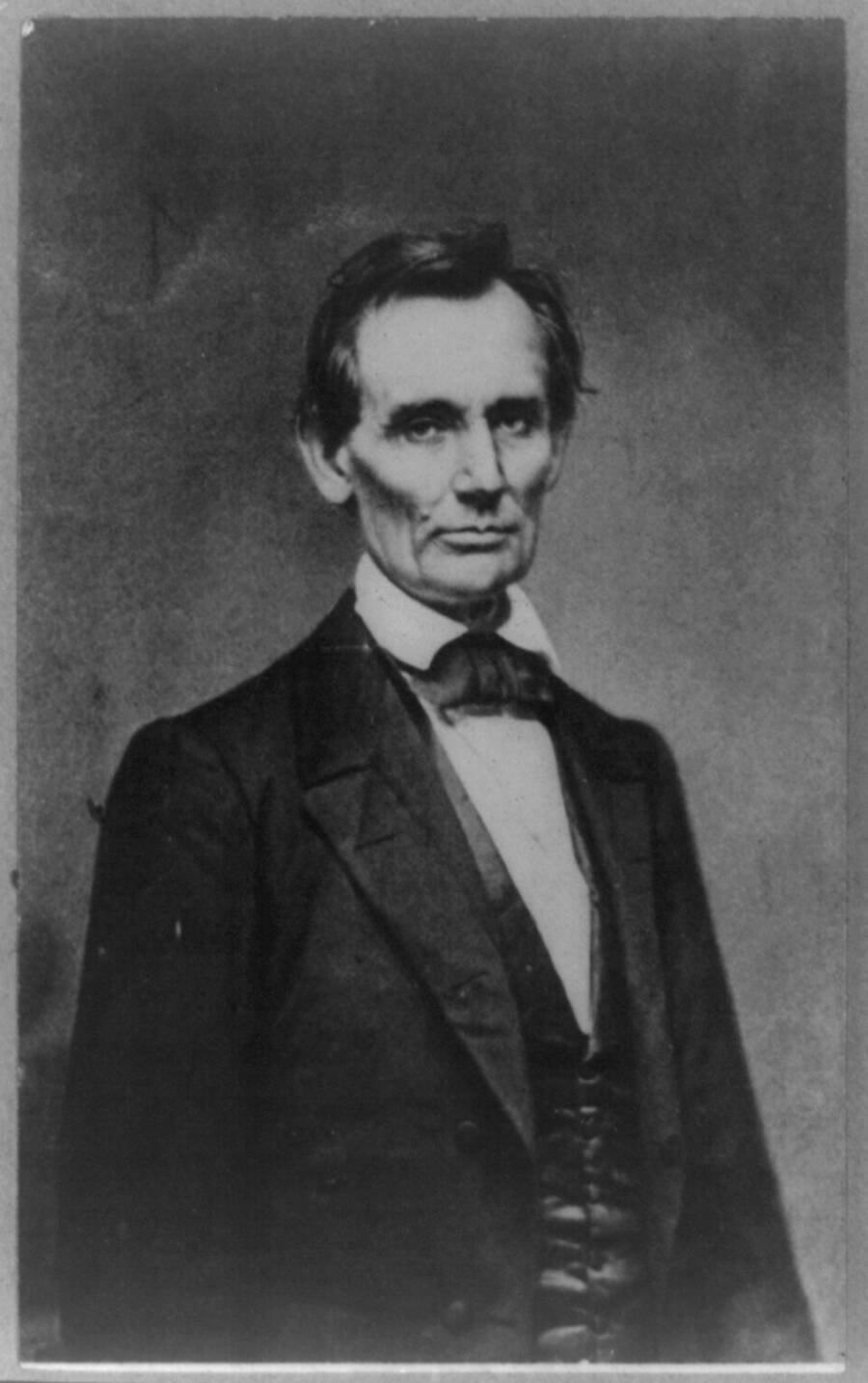
A one-term former congressman largely unknown outside Illinois, Lincoln won the Republican nomination in Chicago in May 1860 on a platform opposing the expansion of slavery into new territories.
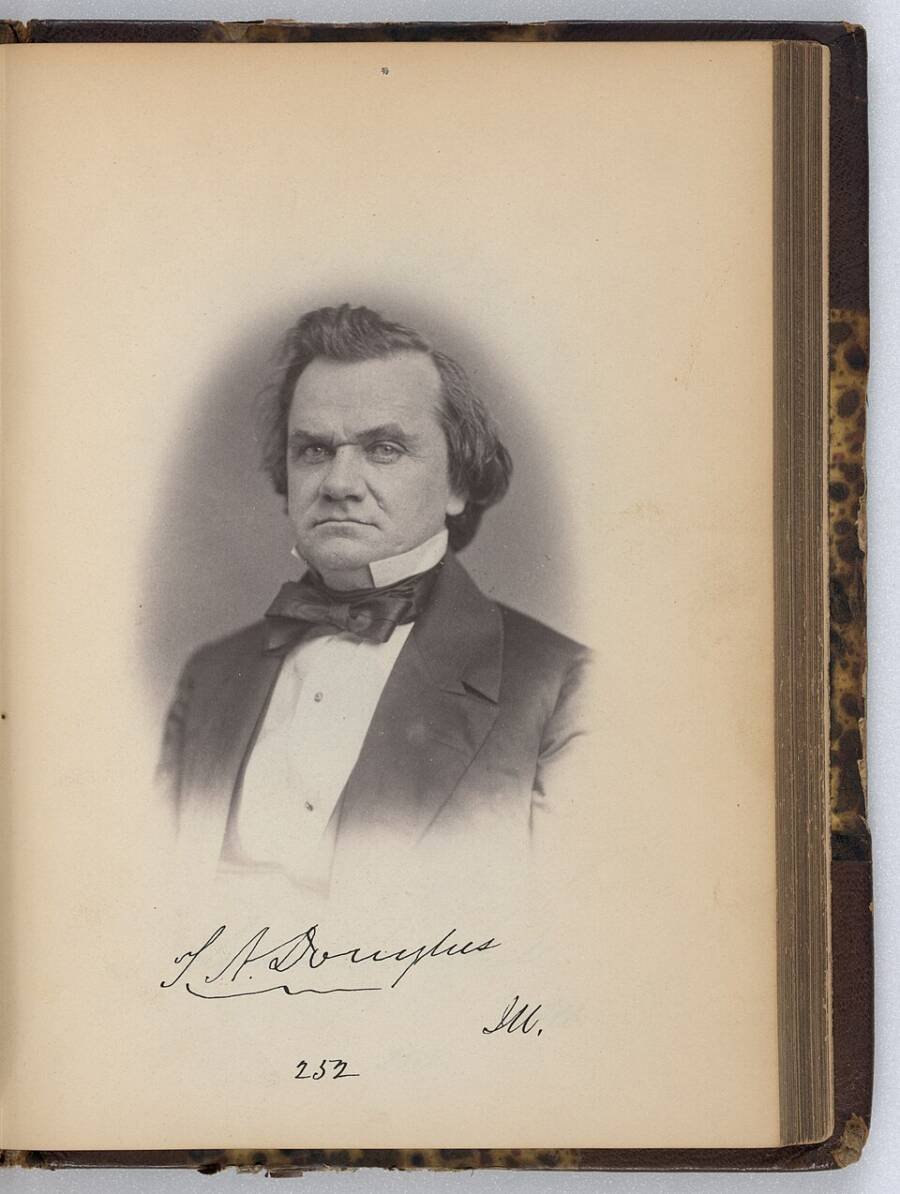
Douglas split his own party by defending popular sovereignty, letting each territory decide on slavery for itself, then finished second in the popular vote but carried only Missouri in the Electoral College.
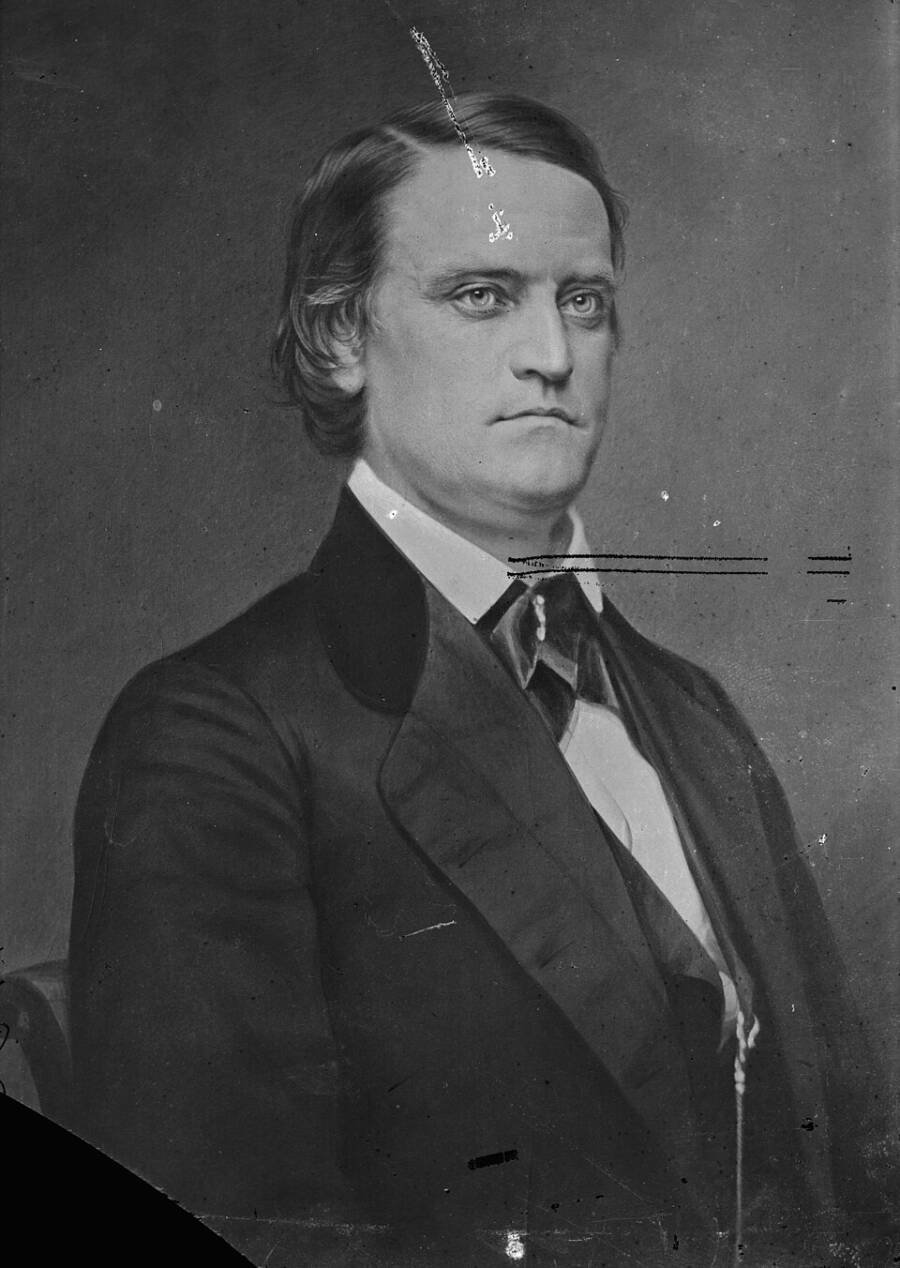
The sitting vice president under James Buchanan, Breckinridge ran as the candidate of Southern Democrats who wanted federal protection for slavery in the territories, and he carried most of the future Confederacy.
Key Moments Timeline
Lincoln wins the presidency with about 40 percent of the popular vote and 180 electoral votes; roughly 81 percent of eligible voters cast ballots that day.
South Carolina becomes the first state to secede from the Union, naming Lincoln’s election as its reason.
Lincoln is inaugurated president and tells the divided country, “We are not enemies, but friends.”
Confederate forces open fire on Fort Sumter in Charleston Harbor, beginning the Civil War.
Did you know? Across the entire South, Lincoln carried only two counties, a measure of how completely his support was confined to the free states.
This edition continues Specialty Digest’s daily walk through turning points in the American presidency: from the day television first carried a president’s words into American homes, to John F. Kennedy’s decision during the Cuban missile crisis, to federal authority confronting Southern resistance again at Little Rock in 1957. The same plurality arithmetic that elected Lincoln still shapes today’s closely watched election forecasts.
More in History