
Lincoln Delivers the Gettysburg Address
In barely two minutes, Lincoln’s Gettysburg Address reframes a war fought over territory as a test of whether a nation built on equality can endure.

On the afternoon of November 19, 1863, President Abraham Lincoln rose to speak at the dedication of the Soldiers’ National Cemetery in Gettysburg, Pennsylvania, four and a half months after the Civil War’s costliest battle was fought on that same ground. Following a two-hour oration from the celebrated orator Edward Everett, Lincoln spoke for roughly two minutes, delivering an address of about 270 words.
Lincoln cast the war as a test of whether a nation “conceived in Liberty” could endure, tying the Union’s cause directly to the Declaration of Independence’s promise that all men are created equal. A war that began over preserving the Union gained a deeper moral purpose in front of a cemetery still being finished.
Everett’s polished two-hour oration faded from memory within years. Lincoln’s two minutes were memorized by schoolchildren for generations after. The Gettysburg Address stands as evidence that clarity and economy of language can outlast length and ornament in shaping how people remember an event.
People Behind the Story
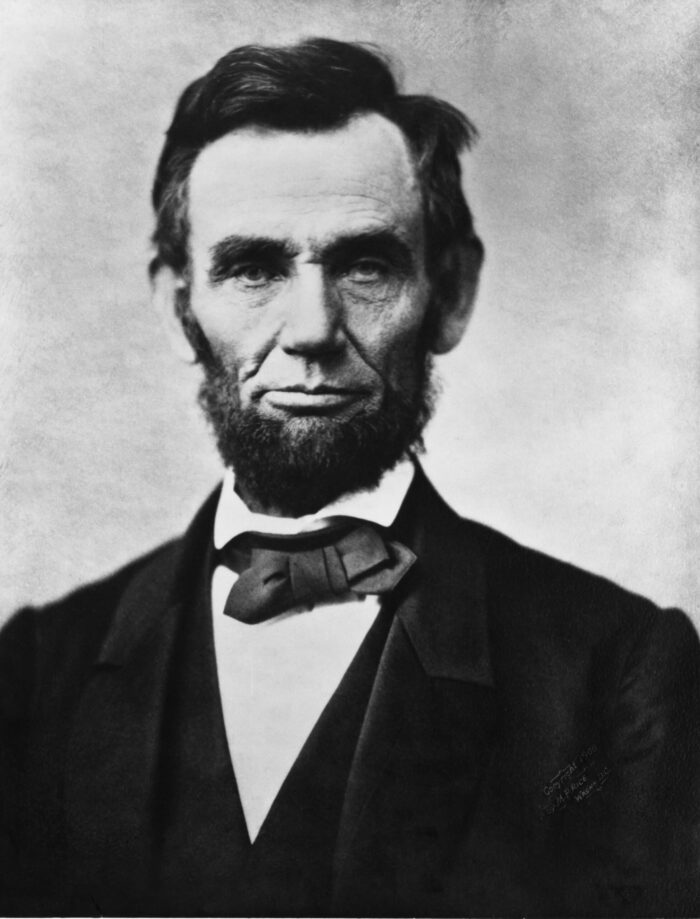
Spoke from his own handwritten draft, eleven days after sitting for this portrait in Alexander Gardner’s Washington studio.

The most sought-after orator of his era, Everett spoke for two hours before Lincoln, then wrote to the president that he wished he had come as near to the day’s meaning in two hours as Lincoln had in two minutes.
Key Moments Timeline
Union and Confederate armies fight the Battle of Gettysburg, the Civil War’s costliest battle and a turning point in the Union’s favor.
Lincoln delivers the Gettysburg Address at the dedication of the Soldiers’ National Cemetery, built on the battlefield where thousands had died months before.
The address is carved into the interior wall of the newly dedicated Lincoln Memorial in Washington, D.C., alongside Lincoln’s second inaugural address.
National Archives researcher Josephine Cobb identifies Lincoln’s figure in the only confirmed photograph taken of him at the ceremony, unnoticed in the image for nearly ninety years.
Did you know? Historians still debate Lincoln’s exact wording: the phrase “under God” is missing from his two earliest handwritten drafts, yet at least three reporters telegraphed it as part of his remarks that same afternoon.
This edition continues Specialty Digest’s walk through turning points in the American presidency: from the divided election that first put Lincoln in office, to how leaders use language to redefine a shared purpose. It joins yesterday’s look at Mickey Mouse’s screen debut in Specialty Digest’s daily walk through history, alongside today’s roundup of what else is happening in the world.
More in History