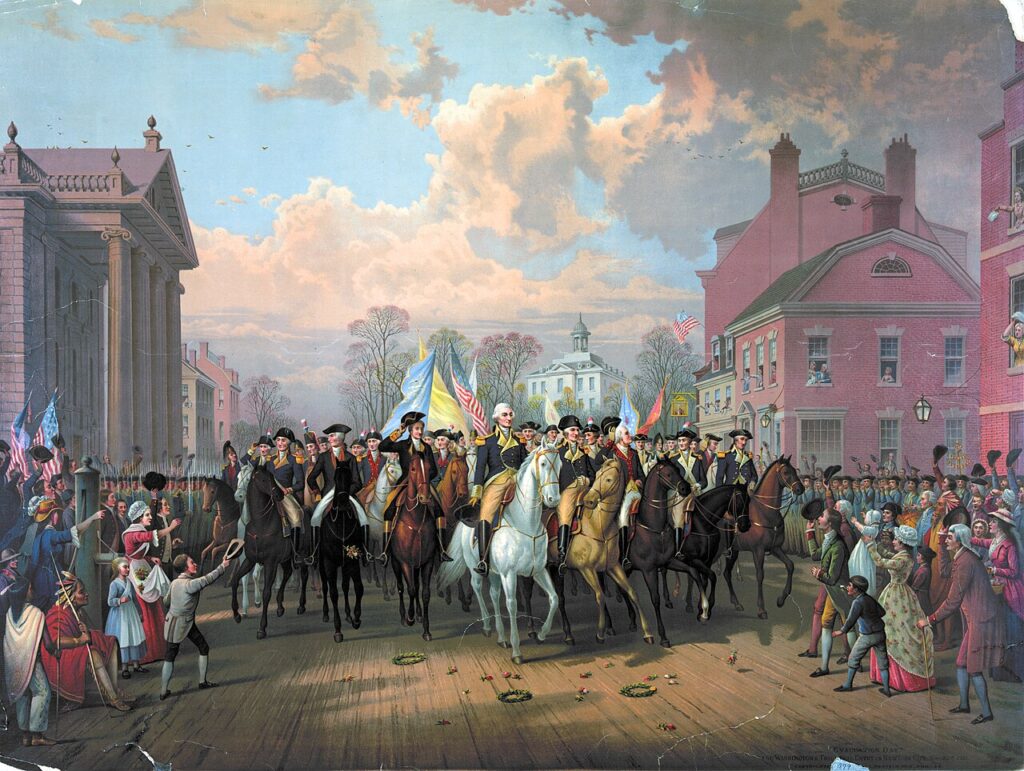
The British Army Leaves New York City
On a cold November morning, the last British soldiers board ships bound for home, and George Washington leads the Continental Army back into a city that had been enemy-held for seven years.
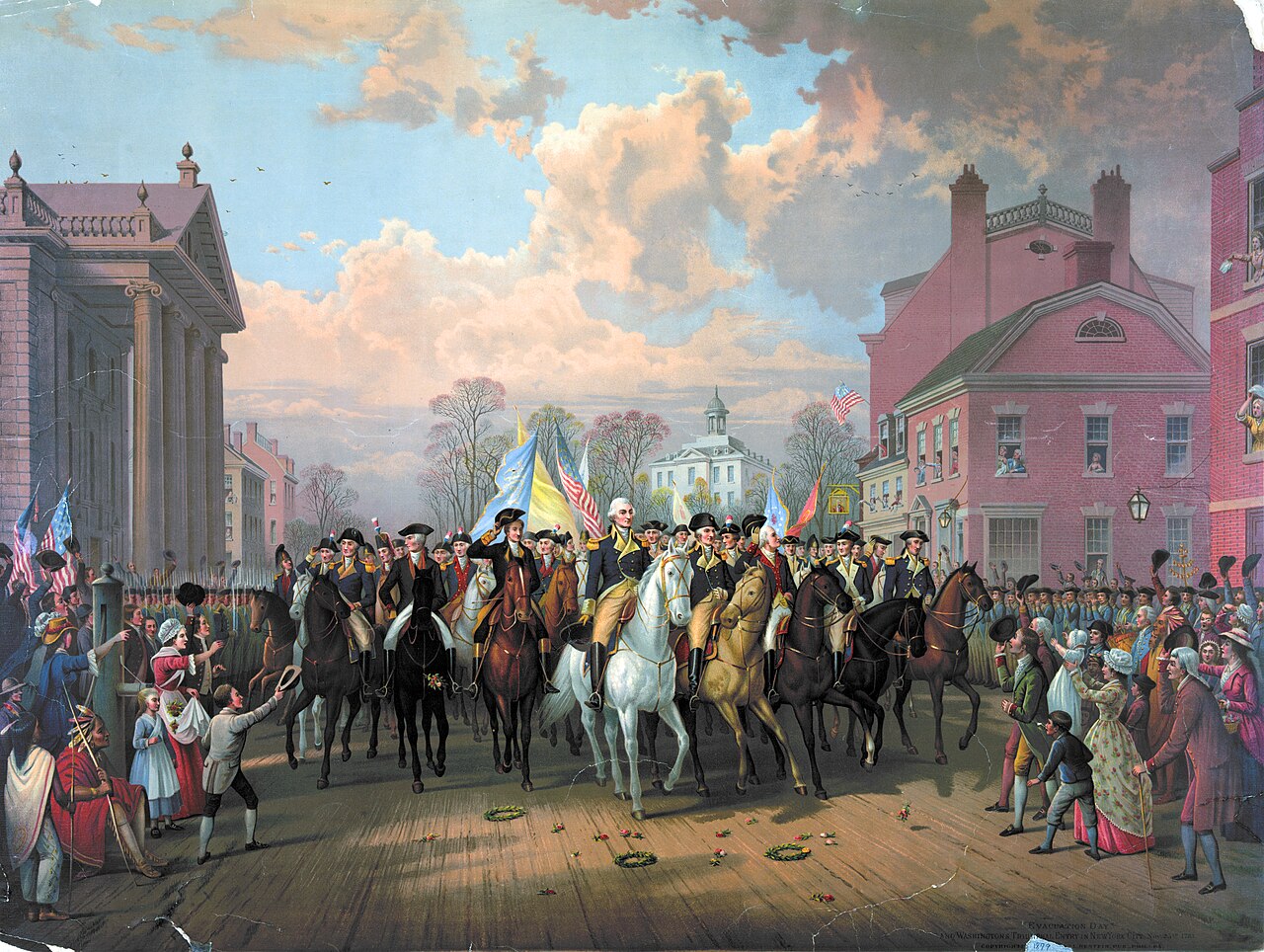
On the morning of November 25, 1783, the last British troops boarded ships in New York harbor, ending a military occupation that began in September 1776. Hours later, George Washington and Governor George Clinton rode into the city at the head of the Continental Army, to cheers from residents who had waited seven years for this day, which New Yorkers would go on to celebrate for more than a century as Evacuation Day.
New York had served as Britain’s military and political headquarters in North America for the entire war. Its peaceful, negotiated handover marked the practical end of British power in the former colonies and let the new United States govern its largest city for the first time.
The most striking thing about November 25 isn’t the entry, it’s what came four weeks later. Washington could have kept his army, and the power that came with it. Instead he resigned his commission and went home, an early demonstration of the idea that political power needs consent to last.
People Behind the Story
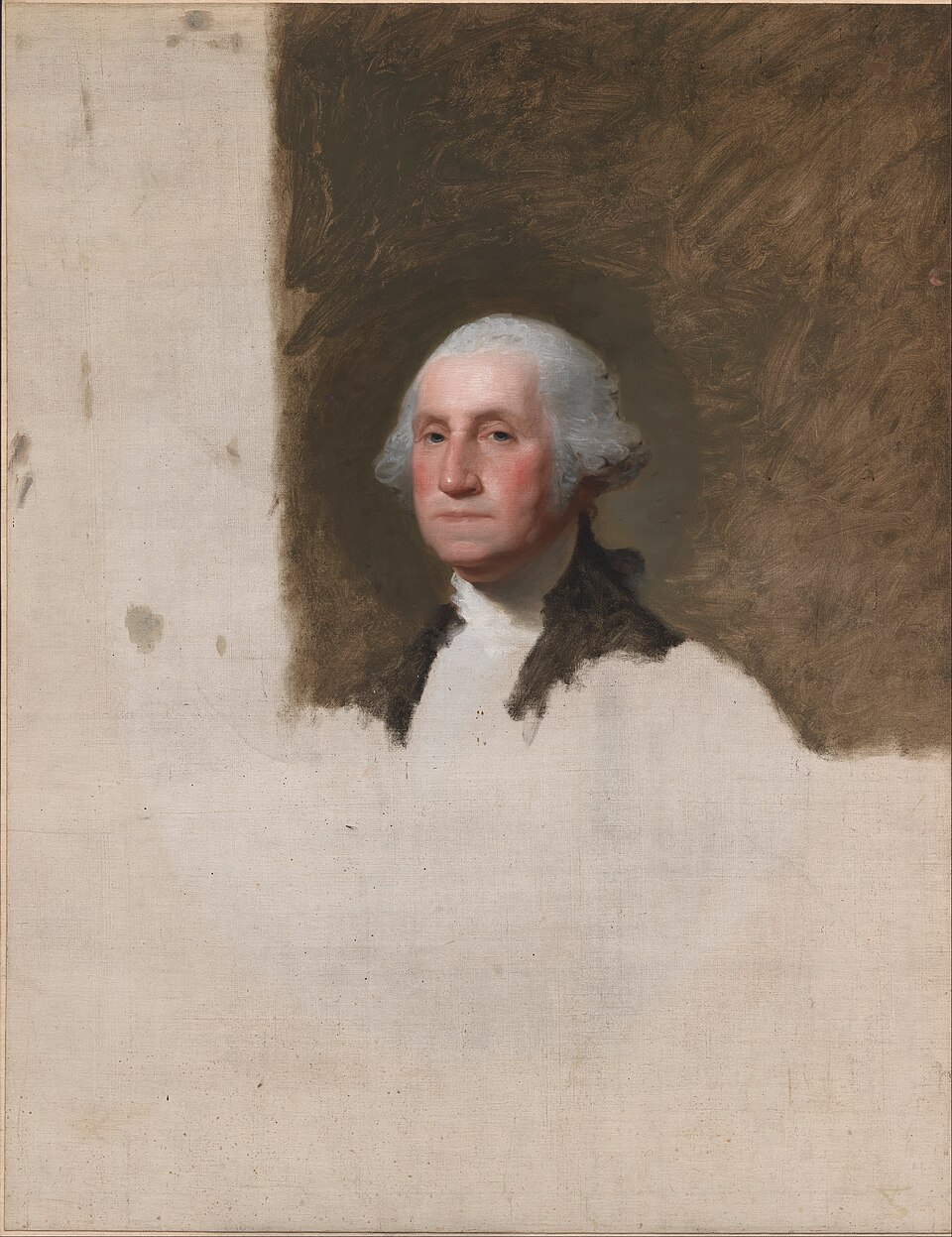
Led his army back into the city he had been forced to abandon in 1776, then gave up command entirely within a month, resigning his military commission to Congress that December.
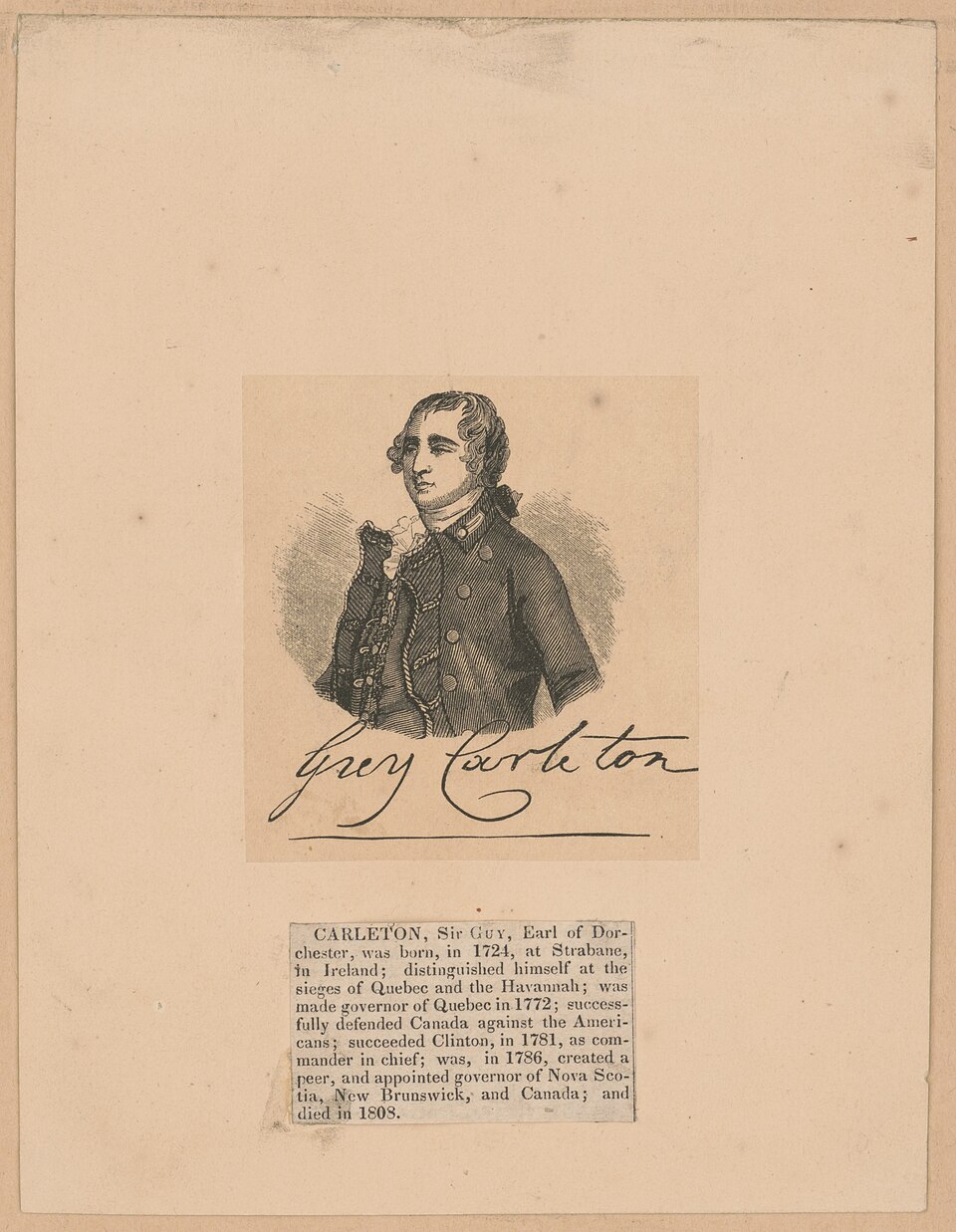
Oversaw an orderly, negotiated withdrawal rather than a chaotic retreat, and insisted Britain honor its wartime promise of freedom to formerly enslaved people who had escaped to British lines, over American objections.

Rode beside Washington at the head of the procession, a deliberate choice by the general to show deference to the state’s own civilian government rather than enter the city as its conqueror.
Key Moments
The Treaty of Paris is signed in France, formally ending the Revolutionary War and recognizing American independence.
The last British troops leave New York Harbor, and Washington leads the Continental Army back into the city.
At Fraunces Tavern, Washington says farewell to his officers, embracing each one in turn before leaving the city for good.
Washington resigns his military commission to Congress in Annapolis, giving up power voluntarily at the height of his popularity.
Did you know? The departing British left a Union flag flying over the fort, its halyard cut and the pole greased end to end so no one could easily raise the American colors. A local sailor climbed it anyway, using cleats nailed into the wood, and ran up the Stars and Stripes just as the last British ships cleared the harbor.
This edition continues Specialty Digest’s walk through moments when power changed hands: from the armistice that silenced the guns of World War I to the divided election that first put Lincoln in office. It joins yesterday’s look at Abel Tasman’s unplanned discovery in Specialty Digest’s daily walk through history, alongside today’s roundup of what else is happening in the world. It continues the next day with George Washington’s 1789 Thanksgiving proclamation.
More in History