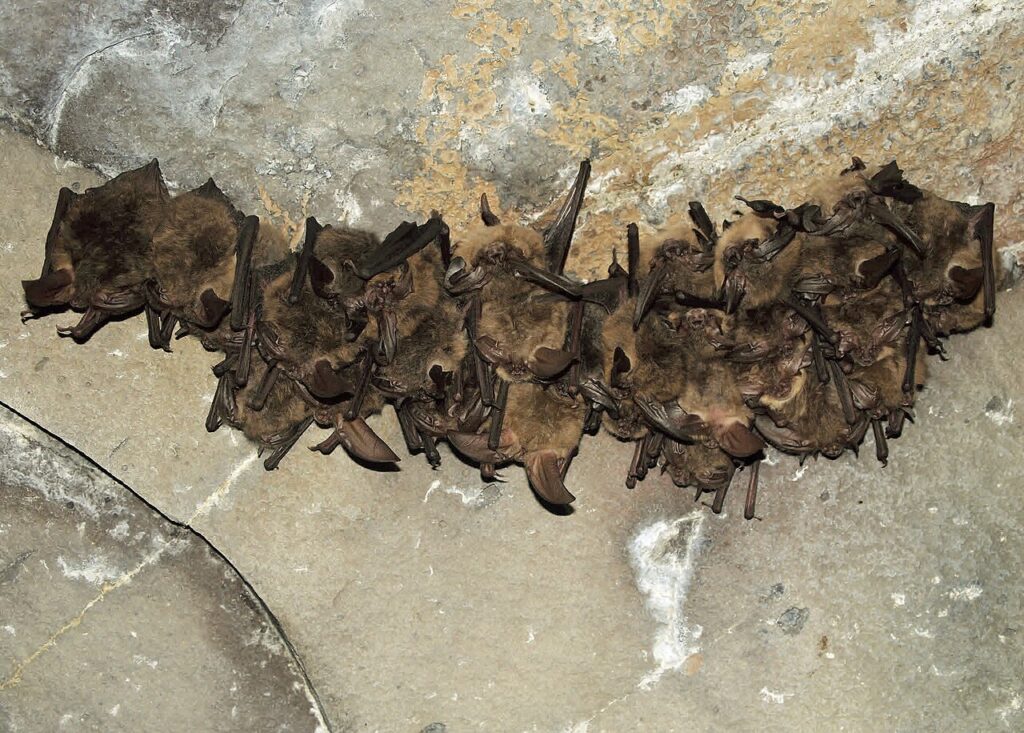
A zoonotic disease, also called a zoonosis, is an illness caused by germs that pass between animals and people. The World Health Organization (WHO) defines a zoonosis as any disease or infection that is naturally transmissible from vertebrate animals to humans.[1] The germs can be viruses, bacteria, parasites or fungi, and the animals that carry them often look healthy, according to the U.S. Centers for Disease Control and Prevention (CDC).[2] This article answers the question of what is a zoonotic disease and how it spreads.
Zoonoses are common. The CDC states that more than 6 in 10 known infectious diseases in people can spread from animals, and about 3 in 4 new or emerging infectious diseases in people come from animals.[2] Well-known examples include rabies, Ebola virus disease, salmonellosis and avian influenza.[1][3] Because the same events affect people, animals and the environment, health agencies treat the topic under a joint framework called One Health.
| Also called | Zoonosis (plural: zoonoses) |
|---|---|
| Causes | Viruses, bacteria, parasites, fungi and, per WHO, some unconventional agents |
| Known types | More than 200 (WHO) |
| Share of human infectious diseases | More than 6 in 10 known diseases; about 3 in 4 emerging diseases (CDC) |
| Main routes | Direct contact, indirect contact, vectors, food, water |
| World Zoonoses Day | 6 July each year (WOAH) |
Definition and terminology
WHO notes that zoonotic agents can be bacterial, viral or parasitic, or can involve unconventional agents, and that transmission may occur through direct contact with animals or through food, water or the environment.[1]
WHO counts more than 200 known types of zoonoses.[1] Some are mild and some are fatal.
Not every disease linked to animals is a zoonosis. Some infections once began in animals but now pass only from person to person. WHO gives HIV as an example: it began as a zoonosis and later became a human-only strain.[1] The study of how diseases spread in populations, known as epidemiology, is the main tool used to trace such events.
How common are zoonoses?
Estimates differ between agencies because they count diseases in different ways, so the figures are approximate. The CDC says that scientists estimate more than 6 in 10 known infectious diseases in people can spread from animals, and that about 3 in 4 new or emerging infectious diseases in people come from animals.[2] The World Organisation for Animal Health (WOAH) states that more than 60 percent of emerging infectious diseases are zoonotic.[3]
The animal side shows a similar pattern. In its first State of the World’s Animal Health report, released in May 2025, WOAH found that nearly half of the diseases notified to it between 2005 and 2023 were zoonotic or capable of spreading between animals.[4] The same report recorded more than 630 million birds lost or culled to avian influenza over two decades, and a doubling of avian influenza outbreaks in mammals in 2024, from 459 to 1,022.[4]
In 2019 the CDC, working with the U.S. Department of Agriculture and the Department of the Interior, listed eight zoonotic diseases of greatest concern in the United States: zoonotic influenza, salmonellosis, West Nile virus, plague, emerging coronaviruses such as SARS and MERS, rabies, brucellosis and Lyme disease. The list drew on a December 2017 prioritization workshop.[5]
How zoonotic diseases spread
The CDC describes five main routes by which germs move from animals to people.[2]
Direct contact
Touching the saliva, blood, urine, mucus, feces or other body fluids of an infected animal can pass on germs. Petting, bites and scratches all count as direct contact.[2] Rabies is a standard example: WHO attributes up to 99 percent of human cases to dogs.[6]
Indirect contact
Germs can also be picked up from places where animals live or roam, or from contaminated objects. The CDC lists aquarium water, pet habitats, chicken coops, barns, soil, plants and pet food and water bowls.[2] The CDC also names petting zoos, fairs, schools, stores and parks as places where exposure can occur.[2]
Vector-borne spread
A vector is a living carrier, such as a tick, mosquito or flea, that passes a germ from one host to another. The CDC includes bites from these three groups of insects and arachnids as a route of zoonotic spread.[2] Two diseases on the CDC’s 2019 priority list, West Nile virus and Lyme disease, are typically spread by mosquito and tick bites.[5]
Foodborne spread
Food is a major route. The CDC names unpasteurized (raw) milk, undercooked meat or eggs, and produce contaminated with animal feces.[2] The heat treatment known as pasteurization kills many milk-borne germs, which is one reason the CDC lists raw milk as a risk. WHO adds that animal-care guidelines in agriculture can reduce foodborne outbreaks linked to meat, eggs, dairy and some vegetables.[1]
Waterborne spread
Drinking or touching water that has been contaminated with an infected animal’s feces can cause illness.[2] WHO stresses clean drinking water, waste removal and protection of surface water as part of control.[1]
Why zoonoses emerge
Most people who catch a zoonosis do so through everyday contact with livestock, pets or wildlife. WHO says people who work with animals, or who live near wilderness or in semi-urban areas with wildlife such as rats, foxes and raccoons, face more exposure.[1] It also names several wider drivers.
- Wild-animal markets. WHO describes markets that sell wild-animal meat or by-products as high risk, because many pathogens in wild populations are new or undocumented.[1]
- Urbanization and habitat loss. WHO says that urban growth and habitat destruction bring people into closer contact with wild animals.[1] WOAH likewise cites climate change, deforestation and intensified livestock production as factors that raise the risk.[3]
- Antimicrobial resistance. WHO notes that heavy antibiotic use in food animals can promote drug-resistant strains that spread quickly between animals and people.[1]
Spillover from animals does not always lead to a large outbreak. Many infections stop after a few cases. When a zoonotic germ adapts to spread easily between people, however, it can cause an epidemic or a pandemic. WHO lists the novel coronavirus that causes COVID-19 as an example of a zoonotic threat with pandemic potential.[1]
Who is most at risk
Anyone can become ill, according to the CDC. Children younger than 5, adults older than 65, pregnant women and people with weakened immune systems are more likely to become very sick or die.[2]
Case study: rabies
Rabies shows both the danger of a zoonosis and the effect of prevention. WHO’s 2021 Global Health Estimates put annual rabies deaths at about 44,000, though the true figure is probably higher because cases are under-reported. Dogs cause up to 99 percent of human cases, and about 40 percent of deaths occur in children under 15.[6]
Once symptoms appear, rabies is almost always fatal, so treatment must begin after a bite and before symptoms start. WHO advises washing the wound with soap and water for at least 15 minutes, then a course of rabies vaccine and, when indicated, rabies immunoglobulin or monoclonal antibodies.[6] More than 29 million people receive a human rabies vaccine each year, and vaccinating dogs is described as the most cost-effective way to prevent human cases.[6] A global plan called “Zero by 30” aims to end human deaths from dog-mediated rabies by 2030.[6] WHO states that rabies is entirely preventable through vaccination and other measures.[1]
Prevention and control
Personal steps
The CDC advises the following steps.[2]
- Wash hands with soap and running water after being around animals, even if no animal was touched. If water is not available, use a hand sanitizer containing at least 60 percent alcohol, though soap and water work better.
- Follow safe pet-care practices.
- Prevent bites from mosquitoes, ticks and fleas.
- Handle food safely for people and animals.
- Avoid animal bites and scratches.
This is general information, not medical advice. A health professional should be consulted after an animal bite or scratch, or after illness that follows animal contact.
Community and agricultural measures
WHO says that prevention methods differ by pathogen, but several work at community level: animal-care guidelines on farms, clean water and waste removal, and education campaigns that promote handwashing and other behavior changes.[1] Controlling antimicrobial resistance is also part of the response.[1] WOAH supports countries in strengthening veterinary services and surveillance, and runs tools that track antimicrobial use in animals.[3] Parasites of animals are a related field, covered under veterinary parasitology.
The One Health approach
Zoonoses cannot be managed by the medical sector alone, so WHO, WOAH, the Food and Agriculture Organization (FAO) and the United Nations Environment Programme (UNEP) promote One Health. In a joint statement of 1 December 2021, the four organizations endorsed the definition of the One Health High-Level Expert Panel: an integrated, unifying approach that aims to sustainably balance and optimize the health of people, animals and ecosystems. The definition recognizes that the health of humans, domestic and wild animals, plants and the wider environment are closely linked and interdependent.[7]
In practice, WHO works with FAO and WOAH on the Global Early Warning System for Major Animal Diseases, which combines the three agencies’ alert systems to give early warning of animal disease threats, including zoonoses, through data sharing and risk assessment.[1] WOAH marks World Zoonoses Day each year on 6 July.[3]
FAQs
What is a zoonotic disease? It is an illness caused by germs that pass between animals and people. WHO defines it as any disease or infection naturally transmissible from vertebrate animals to humans.
How do zoonotic diseases spread? The CDC names five routes: direct contact, indirect contact with contaminated places or objects, bites from vectors such as ticks and mosquitoes, contaminated food, and contaminated water.
Can healthy-looking animals spread zoonotic diseases? Yes. The CDC says animals that carry these germs can appear healthy.
How common are zoonotic diseases? The CDC says more than 6 in 10 known human infectious diseases and about 3 in 4 emerging ones can spread from animals. WHO counts more than 200 types.
Can zoonotic diseases be prevented? Often, yes. Prevention depends on the disease, but handwashing, safe food handling, bite prevention, animal vaccination and clean water all help. Rabies is entirely preventable through vaccination and other measures, according to WHO.
Is HIV a zoonotic disease? HIV began as a zoonosis, according to WHO, but it later became a human-only strain and now spreads between people.
More in Health
- World Health Organization, Zoonoses fact sheet (29 July 2020)
- U.S. Centers for Disease Control and Prevention, About Zoonotic Diseases (updated 7 April 2025)
- World Organisation for Animal Health, World Zoonoses Day (Regional Representation for Africa)
- Down To Earth, coverage of the WOAH State of the World’s Animal Health report (May 2025)
- Contagion Live, 6 in 10 infectious diseases in humans are zoonotic; CDC report lists top US threats (May 2019)
- World Health Organization, Rabies fact sheet (version dated 17 September 2026)
- WHO, FAO, WOAH and UNEP, Tripartite and UNEP support OHHLEP’s definition of One Health (1 December 2021)
Photo: Grand Canyon National Park / Wikimedia Commons / CC BY 2.0