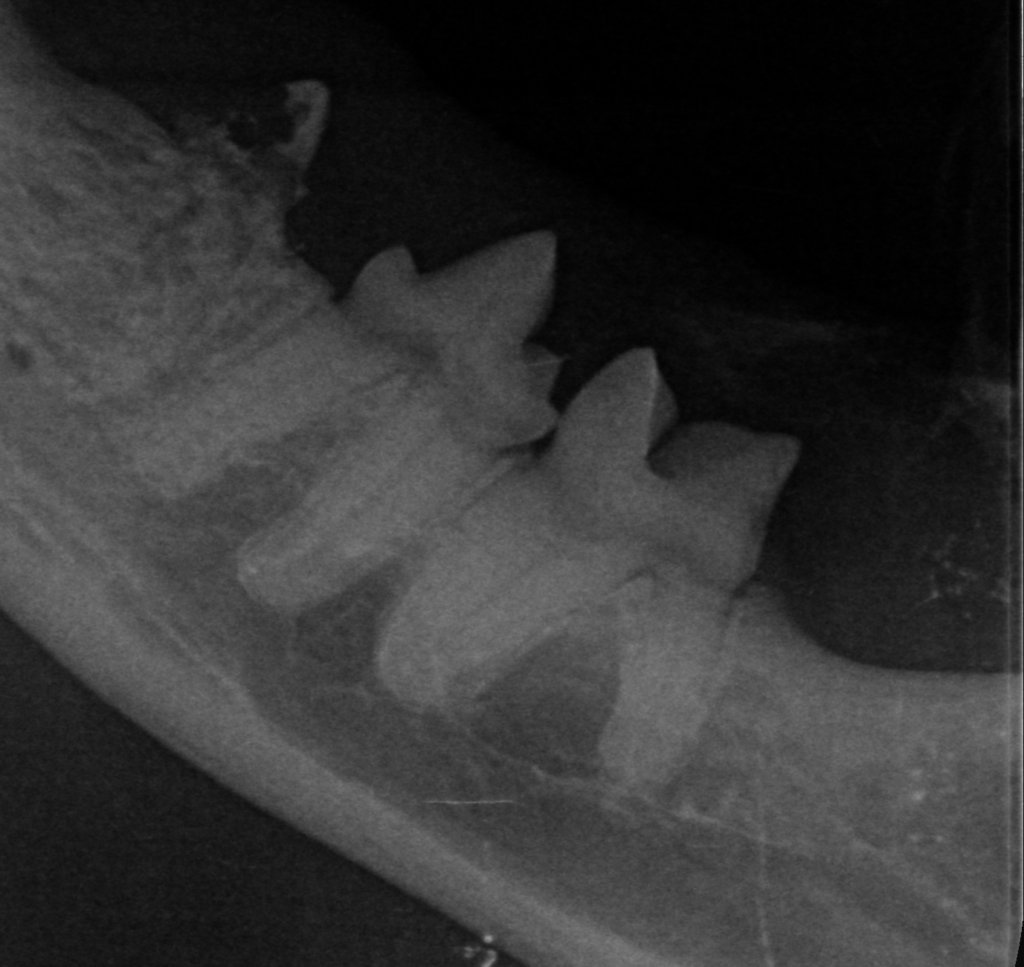
The Prevalence of Periodontal Disease Periodontal disease, inflammation and infection of the tissues supporting the teeth, affects a very large proportion of adult dogs and cats to some degree, making it among the most common conditions veterinarians encounter in companion animal practice, yet one that often goes unnoticed by owners since animals rarely show obvious
Veterinary Dentistry Read More »
Veterinary dentistry is the diagnosis, prevention, and treatment of oral and dental disease in animals, spanning routine cleanings to complex extractions and oral surgery.
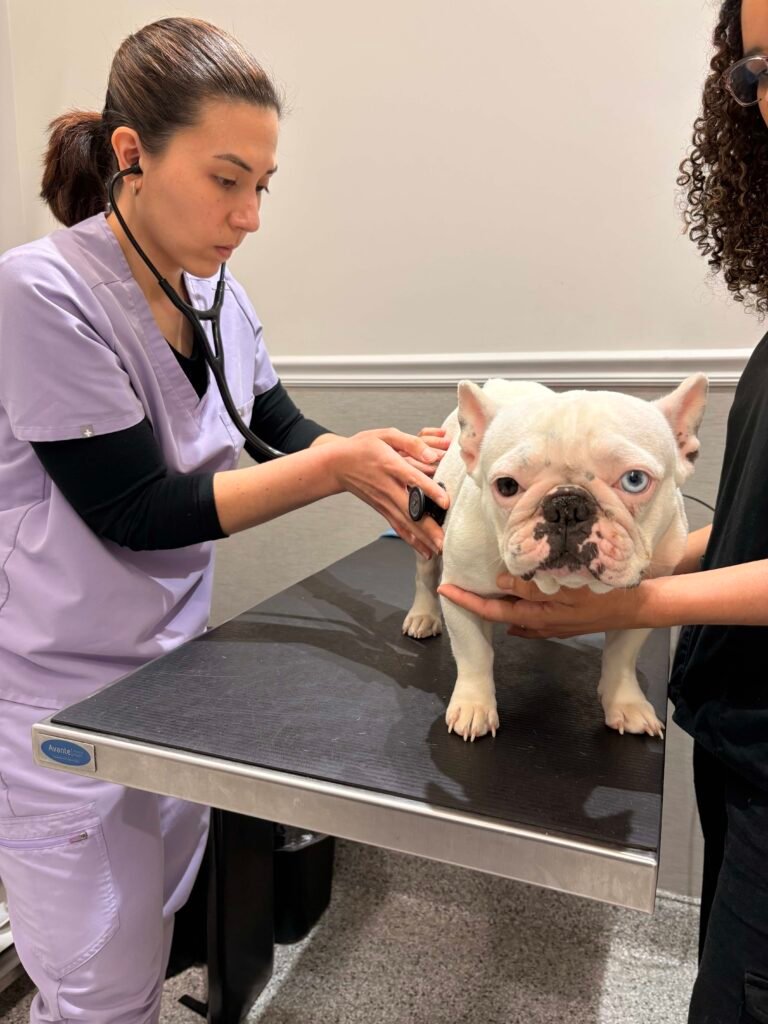
The Challenge of the Non-Verbal Patient Veterinary diagnostics faces a fundamental challenge absent from most human medicine: the patient cannot describe when or how symptoms began, where pain is located, or how a condition has progressed over time. Veterinarians must instead piece together a clinical picture from owner-reported history, which can be incomplete or inaccurate,
Veterinary Diagnostics Read More »
Veterinary diagnostics is the set of clinical tests and procedures used to identify disease and injury in animals, ranging from physical examination to advanced imaging and laboratory analysis.
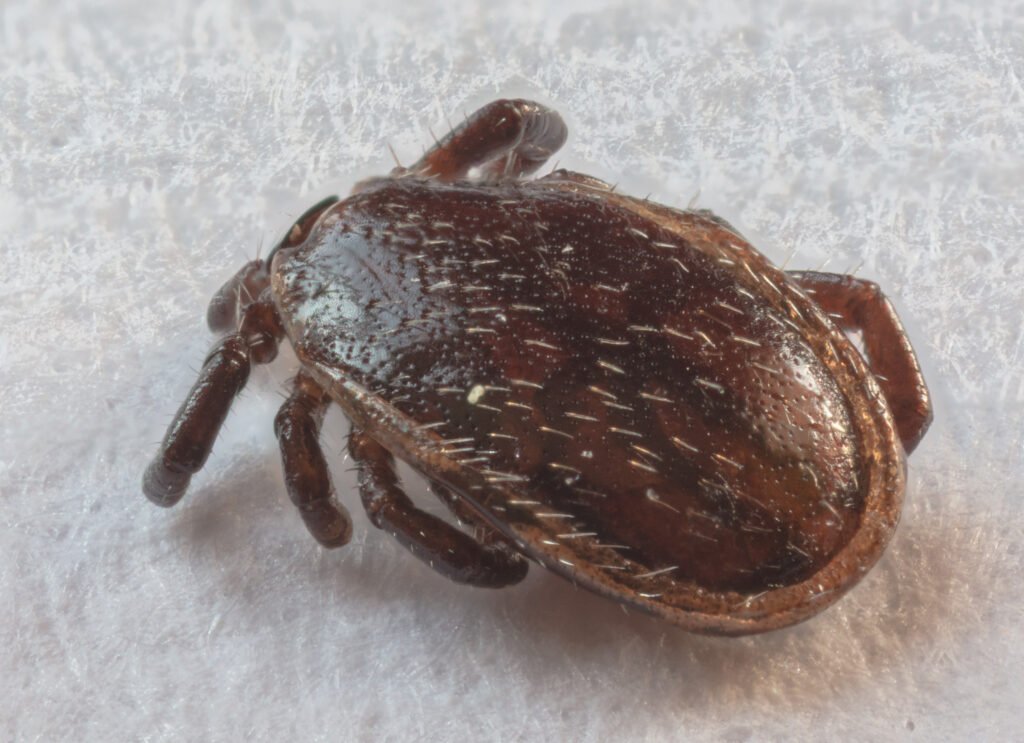
Categories of Veterinary Parasites Veterinary parasitology covers a wide range of organisms broadly divided into internal parasites, such as roundworms, tapeworms, heartworms, and protozoa, and external parasites, including fleas, ticks, and mites, each requiring different diagnostic approaches and treatment strategies. Internal parasites are typically identified through fecal examination or, for heartworm, a blood test, while
Veterinary Parasitology Read More »
Veterinary parasitology is the study and clinical management of parasitic organisms, including worms, protozoa, and external parasites, that infect domestic and wild animals.
Two Branches of the Discipline Veterinary pathology divides broadly into clinical pathology, which analyzes blood, urine, and other body fluids to assess organ function and detect abnormalities, and anatomic pathology, which examines tissue samples obtained through biopsy during life or necropsy after death to identify structural changes disease has caused. Both branches require specialized training
Veterinary Pathology Read More »
Veterinary pathology is the study of disease processes in animals through examination of tissues, organs, and body fluids, underpinning diagnosis and understanding of animal illness.
Cross-Species Metabolic Differences A central challenge in veterinary pharmacology is that drug metabolism varies substantially across animal species, driven by differences in liver enzyme activity, body composition, and physiology, meaning a dose and drug combination perfectly safe in one species can be ineffective or dangerous in another. Cats, in particular, have notably reduced activity of
Veterinary Pharmacology Read More »
Veterinary pharmacology is the study of how drugs affect animals, including dosing, metabolism, and safety considerations that differ significantly across species.
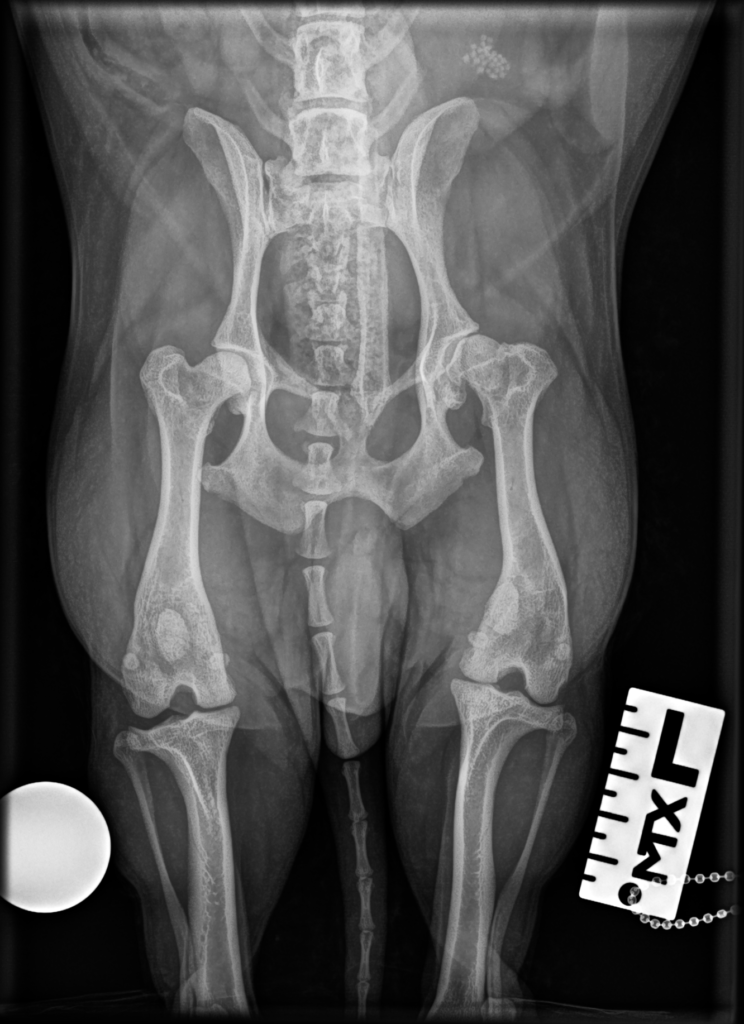
A Hierarchy of Imaging Modalities Veterinary radiology encompasses a range of imaging techniques of varying cost, availability, and diagnostic power, with conventional X-ray remaining the most widely available modality found in nearly every general practice clinic, while ultrasound, increasingly common even in general practice, provides detailed real-time views of soft tissue and abdominal organs that
Veterinary Radiology Read More »
Veterinary radiology is the use of imaging techniques including X-ray, ultrasound, CT, and MRI to diagnose disease and injury in animal patients.
Video news production refers to the process of creating video content for news coverage, spanning formats from short social media clips to longer documentary-style pieces, and increasingly produced by digital-native outlets alongside traditional broadcasters. The rise of online video consumption has pushed many print-origin publications to build video production capabilities that previously belonged primarily to
Video News Production Read More »
The process of creating video content for news coverage across various formats and platforms.
Visual effects, often abbreviated VFX, are imagery created or manipulated outside of what was actually captured directly on a film set, used to show something impossible, dangerous, or too expensive to film practically. Filmmakers generally split these techniques into practical effects, created physically in front of the camera, and digital effects, created afterward using computer
Visual effects Read More »
Imagery created or manipulated outside direct filming, split between practical, in-camera effects and digital, computer-generated effects.
Protecting an Organization Most Critical Records Vital records management identifies and protects the specific records an organization absolutely needs to resume operations and protect its legal rights following a disaster, distinguishing this small critical subset from the much larger body of routine records an organization maintains. Losing vital records can threaten an organization survival in
Vital Records Management Read More »
The identification and protection of an organization most critical records, those essential for continued operation or legal standing in the event of a disaster.
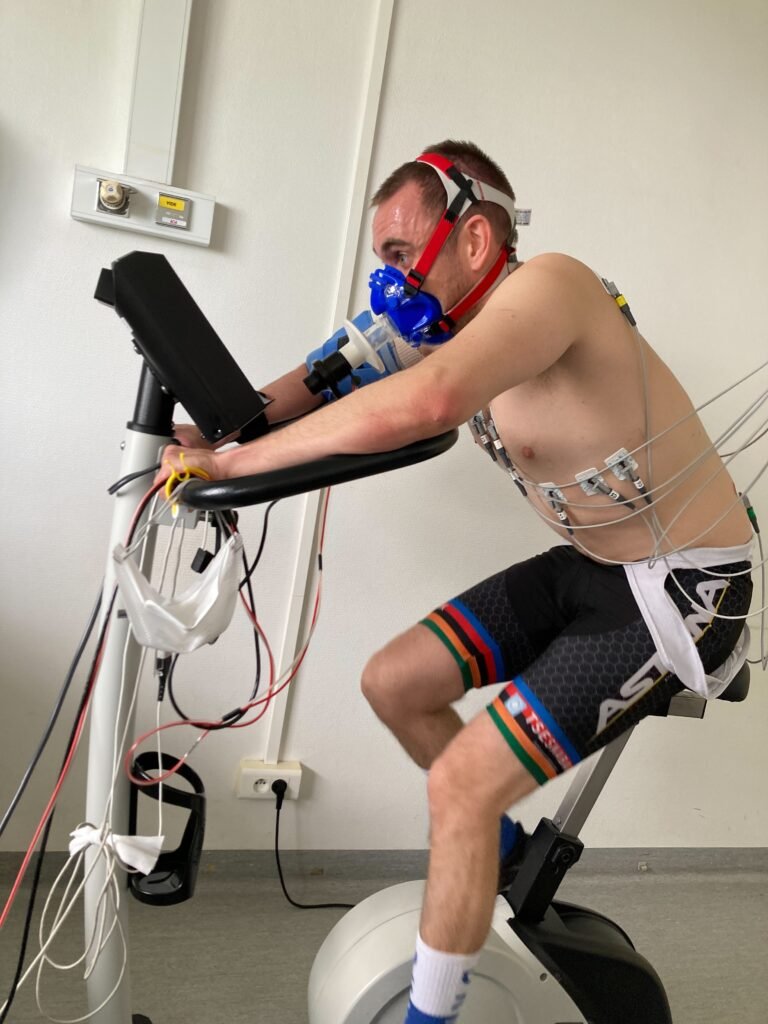
VO2 max, short for maximal oxygen uptake, is the maximum rate at which a person’s body can take in, transport, and use oxygen during intense exercise, expressed as milliliters of oxygen consumed per kilogram of body weight per minute. It is widely considered the single best laboratory measure of cardiovascular fitness, since it captures the
VO2 max Read More »
The maximum rate at which the body can take in, transport, and use oxygen during intense exercise.