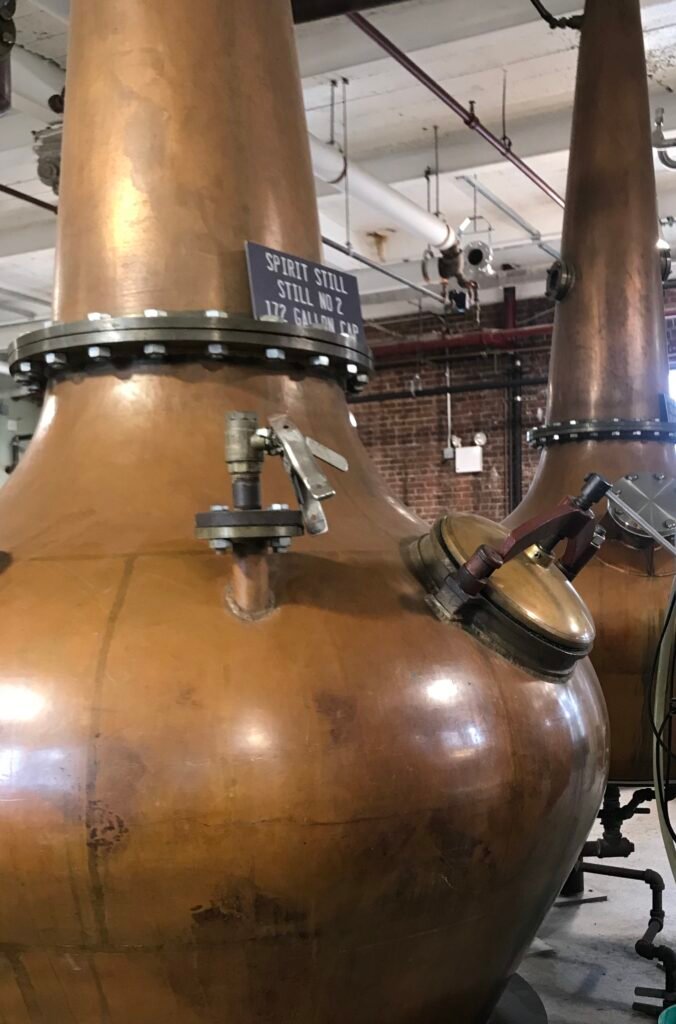
Distillation is the process of separating and concentrating alcohol from a fermented liquid by heating it to exploit the different boiling points of water and ethanol, producing spirits with substantially higher alcohol content than the original fermented base. Nearly all hard liquors, including whiskey, vodka, rum, gin, and brandy, begin as a fermented liquid before
Distillation Read More »
The process of separating and concentrating alcohol from a fermented liquid using differing boiling points.
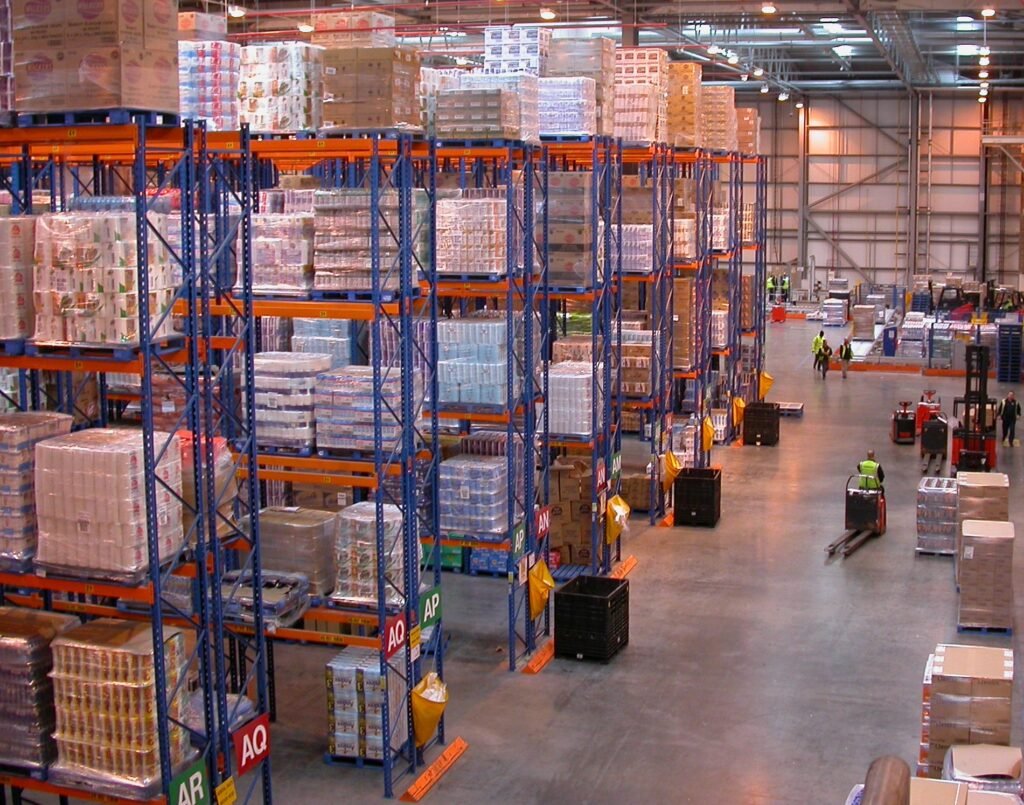
What a Distribution Center Does A distribution center is a facility built to receive large shipments of goods and quickly break them down into smaller shipments for delivery to stores, other warehouses, or directly to customers. Unlike a traditional storage warehouse, a distribution center is optimized for speed and throughput rather than holding inventory for
Distribution Center Read More »
A distribution center is a specialized warehouse facility designed to receive, store briefly, and redistribute goods efficiently to retailers, other warehouses, or end customers.
Diversification is an investment strategy that spreads capital across a variety of assets rather than concentrating it in one investment, with the goal of reducing overall portfolio risk without necessarily sacrificing expected returns. Markowitz and Modern Portfolio Theory The formal case for diversification was established by economist Harry Markowitz in his 1952 paper Portfolio Selection,
Diversification (Finance) Read More »
An investment strategy of spreading money across a variety of assets to reduce the risk that any single investment's poor performance significantly harms the overall portfolio.
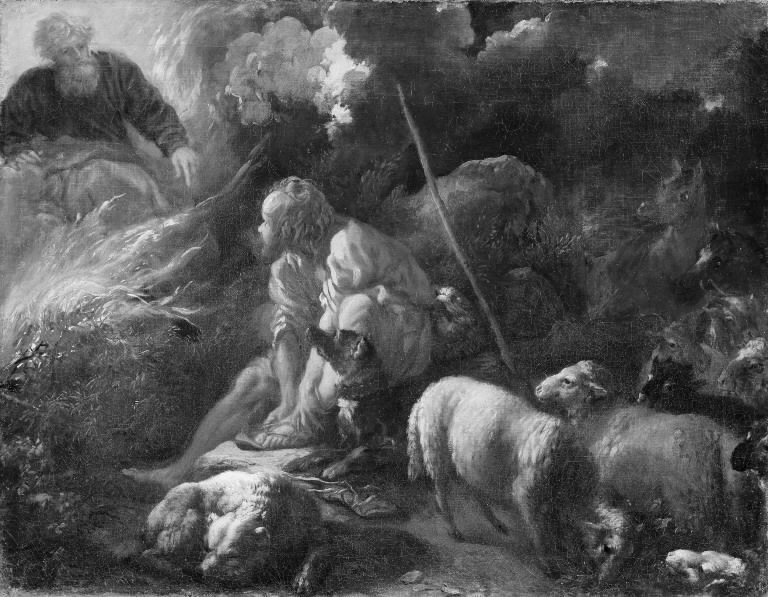
Overview Divine revelation refers to the disclosure of divine truth or will to humanity, understood within most religious traditions as knowledge that could not be obtained through ordinary human discovery alone. Traditions describe revelation as occurring through various channels, including sacred texts, prophetic figures, visionary experience, or direct encounter with the divine. General and Special
Divine Revelation Read More »
The disclosure of divine truth or will to humanity, often understood as occurring through sacred texts, prophets, religious experience, or the natural world.
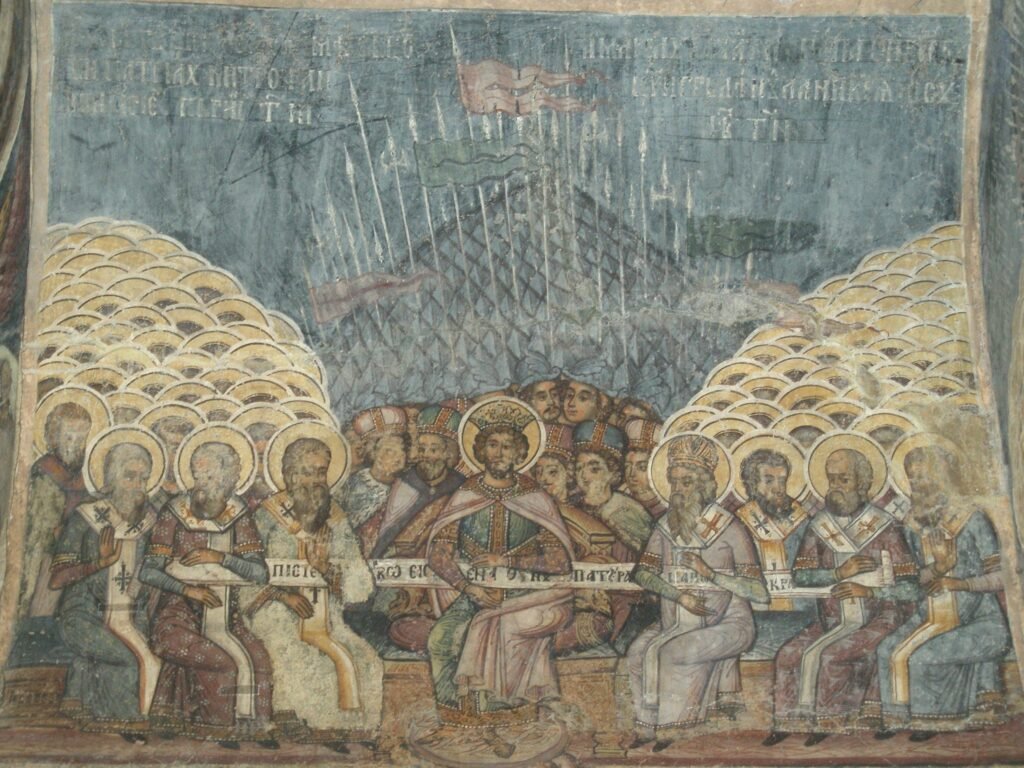
Overview Doctrine refers to a formally established teaching or body of beliefs that a religious community holds as authoritative and expects its members to accept. Unlike more open theological speculation, doctrine typically carries an official or binding status, shaping how a community understands scripture, defines orthodoxy, and distinguishes itself from other traditions or internal movements.
Doctrine Read More »
A formally established teaching or set of beliefs held and taught by a religious community as authoritative.
In simple terms A documentary film is a motion picture built primarily from footage of real people, places, and events, intended to inform or persuade an audience about the actual world rather than to tell a fictional story. [1] How it works Documentary filmmakers draw on a range of techniques: observational footage filmed as events
Documentary film Read More »
A documentary film is a motion picture built primarily from footage of real people, places, and events, made to inform or persuade rather than to tell a fictional story.
The Domain Name System, known as DNS, is the system that translates easy-to-remember website addresses, called domain names, such as example.com, into the numerical IP addresses that computers actually use to locate one another on the internet. Without DNS, anyone wanting to visit a website would need to memorize and type a string of numbers
Domain Name System Read More »
The system that translates human-readable domain names into the numerical IP addresses computers use to locate each other online.
Drought is a prolonged period of below-normal precipitation severe enough to cause a serious water shortage for some activity, population, or ecosystem. Unlike a flood or a storm, drought has no single clear starting point or visible event marking its arrival; it develops gradually as a rainfall deficit accumulates, and its real severity is usually
Drought Read More »
Drought is a prolonged period of below-normal precipitation severe enough to cause a serious water shortage.
Drywall, also called gypsum board or plasterboard, is a panel made primarily of gypsum plaster pressed between two sheets of thick paper, used to finish the interior walls and ceilings of most modern buildings. Drywall largely replaced traditional wet plaster wall construction over the course of the twentieth century because it installs much faster, requires
Drywall Read More »
A panel made of gypsum plaster between paper sheets, used to finish interior walls and ceilings.
Dual coding theory holds that the human mind processes and stores information using two separate but interacting systems, a verbal system for processing words and language, and a visual system for processing images and spatial information, and that combining both channels for the same material produces stronger learning and memory than relying on either one
Dual coding theory Read More »
A theory holding that combining verbal and visual information produces stronger learning than either channel alone.