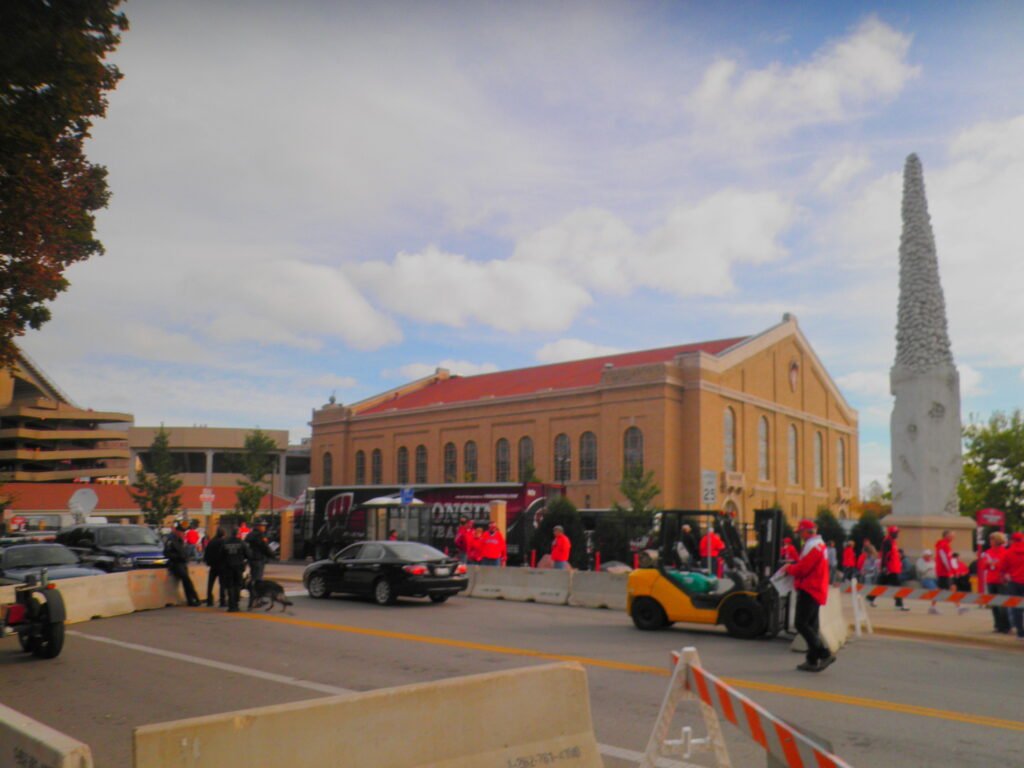
A facade is the exterior face of a building, most often referring specifically to its principal or most architecturally significant side, typically the one facing a street or public space. Far more than a decorative skin, a facade performs real structural and environmental work, carrying or supporting cladding loads, managing the flow of heat, air,
Facade Read More »
The exterior face of a building, typically its principal or most architecturally significant side.
Faceted classification is an approach to organizing information in which a subject is broken into independent categories, called facets, such as material, process, location, or purpose, that can be combined flexibly to describe a complex topic rather than forcing that topic into one fixed position within a single rigid hierarchy. The approach was developed in
Faceted Classification Read More »
Faceted classification is an approach to organizing information in which a subject is broken into independent categories, called facets, that can be combined flexibly rather than forced into one fixed hierarchical position.
Maintaining Guest-Ready Facilities Facilities management in hospitality encompasses the ongoing work of maintaining a property physical infrastructure, including heating, ventilation, and air conditioning systems, plumbing and electrical systems, elevators, kitchen equipment, and general building upkeep, all aimed at ensuring the property remains safe, comfortable, and fully operational for guests at all times. Although this work
Facilities Management in Hospitality Read More »
Facilities management in hospitality is the discipline of maintaining and operating the physical infrastructure, systems, and equipment of a hospitality property to ensure guest safety, comfort, and operational continuity.
Overview Facility management in sport covers the full range of activities needed to keep stadiums, arenas, and training venues safe, functional, and financially viable, spanning everything from field and turf maintenance to ticketing systems, concessions, and emergency planning for large crowds. Operational Priorities Facility managers must balance the often-competing demands of athlete safety, spectator experience,
Facility Management in Sport Read More »
The planning, operation, and maintenance of stadiums, arenas, and other venues used for sporting events and activities.
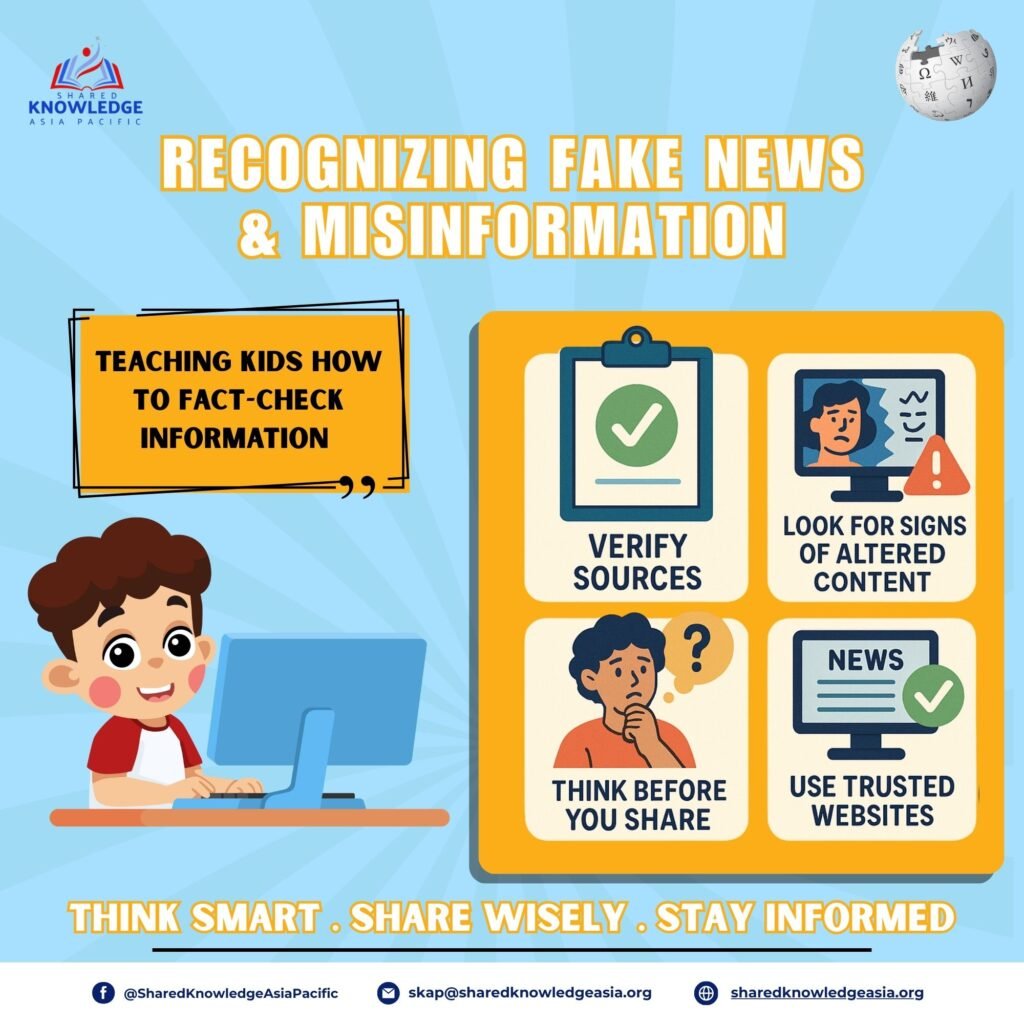
Fact-checking is the process of verifying the accuracy of claims, statements, or published content by comparing them against reliable sources, original documents, and expert knowledge before or after publication. It has become an increasingly formalized practice within journalism, with many news organizations employing dedicated fact-checkers and some outlets focusing entirely on verifying public statements and
Fact-Checking Read More »
The process of verifying the accuracy of claims against reliable sources before or after publication.
Family preservation is a child welfare approach built on the idea that most children are best served by staying in their own home when it can be made safe, rather than being removed into foster care. Agencies that emphasize family preservation offer intensive, time-limited services aimed at resolving the specific conditions that triggered a safety
Family Preservation Read More »
A child welfare approach that provides intensive support services to keep children safely in their own homes rather than removing them.
Family reunification is the process of safely returning a child in foster care to the parent or caregiver from whom they were removed, and it remains the most common permanency outcome nationally for children who enter foster care. Reunification becomes possible once a parent has addressed the specific safety concerns documented at the time of
Family Reunification Read More »
The process of safely returning a child in foster care to the parent or caregiver from whom they were removed.
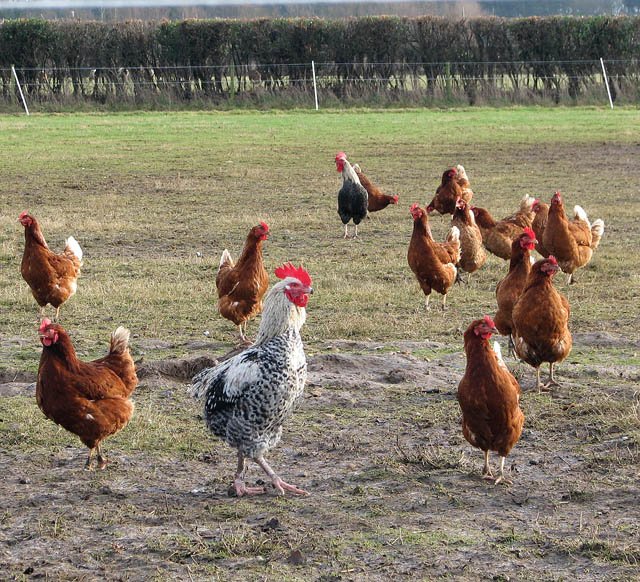
Foundational Welfare Frameworks Farm animal welfare standards trace significant conceptual origins to the Five Freedoms framework developed in the United Kingdom, which articulated basic welfare entitlements including freedom from hunger and thirst, freedom from discomfort, freedom from pain and disease, freedom to express normal behavior, and freedom from fear and distress. This framework has influenced
Farm Animal Welfare Standards Read More »
The codified requirements and voluntary certifications governing the housing, handling, and treatment of livestock raised for food production.
Image: “Yamamay Runway Show” by Miami Fashion Photographer James Santiago, licensed CC BY-SA 4.0 via Wikimedia Commons.
Fashion Design Read More »
The art and craft of creating clothing and accessories, combining aesthetic vision with technical pattern making, draping, and garment construction skills.
Image: “Woman with a Hat” (1905) by Henri Matisse, public domain via Wikimedia Commons.
Fauvism Read More »
An early 20th-century art movement defined by intense, non-naturalistic color and bold brushwork, widely considered the first major avant-garde movement of the century.