Food safety standards are formal, often legally binding requirements that define acceptable limits for contaminants, proper handling practices, and quality benchmarks that food products and facilities must meet before reaching consumers. Standards are set and enforced by government agencies, international bodies, and sometimes private industry certification programs, creating a layered system of food safety oversight.
Food Safety Standards Read More »
Formal requirements defining acceptable contaminant limits, handling practices, and quality benchmarks for food products.
Food sanitation encompasses the cleaning, disinfection, and hygiene practices used throughout food production, preparation, and service to prevent contamination and the spread of foodborne illness. It covers everything from handwashing protocols and equipment cleaning schedules to pest control and facility design, forming a foundational layer of food safety distinct from but closely related to HACCP-style
Food Sanitation Read More »
The cleaning, disinfection, and hygiene practices used throughout food production and service to prevent contamination.
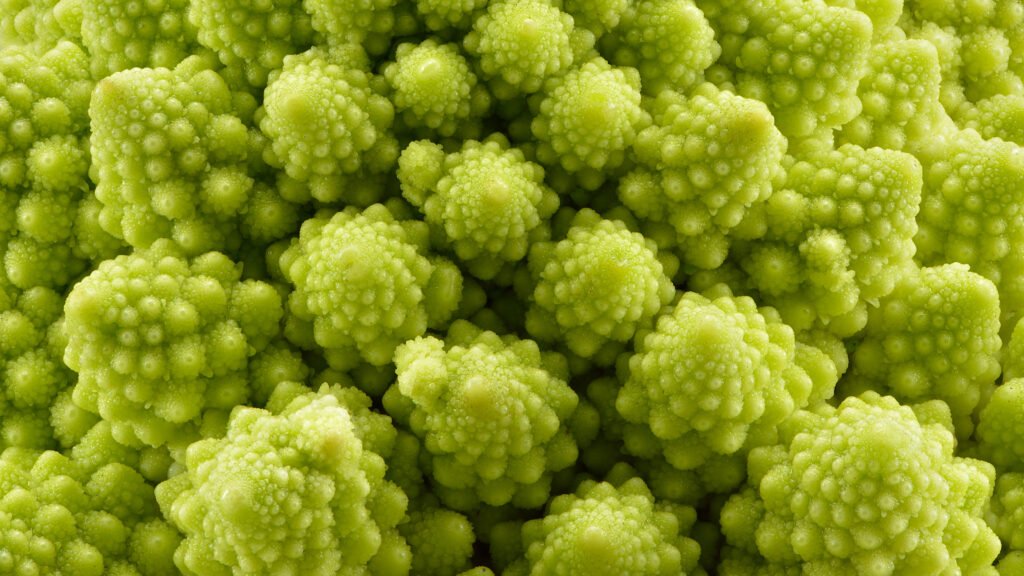
Food texture refers to the physical and structural properties of food that can be perceived through touch, including the mouth, as well as sight and sound, encompassing qualities such as crispness, chewiness, smoothness, and juiciness that significantly shape how a food is experienced and enjoyed independent of its flavor or aroma. Texture plays a critical
Food Texture Read More »
The physical and structural properties of food perceived through touch, sight, and sound, such as crispness or chewiness.
A food web is a map of who eats whom in an ecosystem, showing how energy and nutrients pass from one organism to the next. Unlike a food chain, which traces a single path from a producer to a top predator, a food web links together every food chain in a community, capturing the overlapping,
Food web Read More »
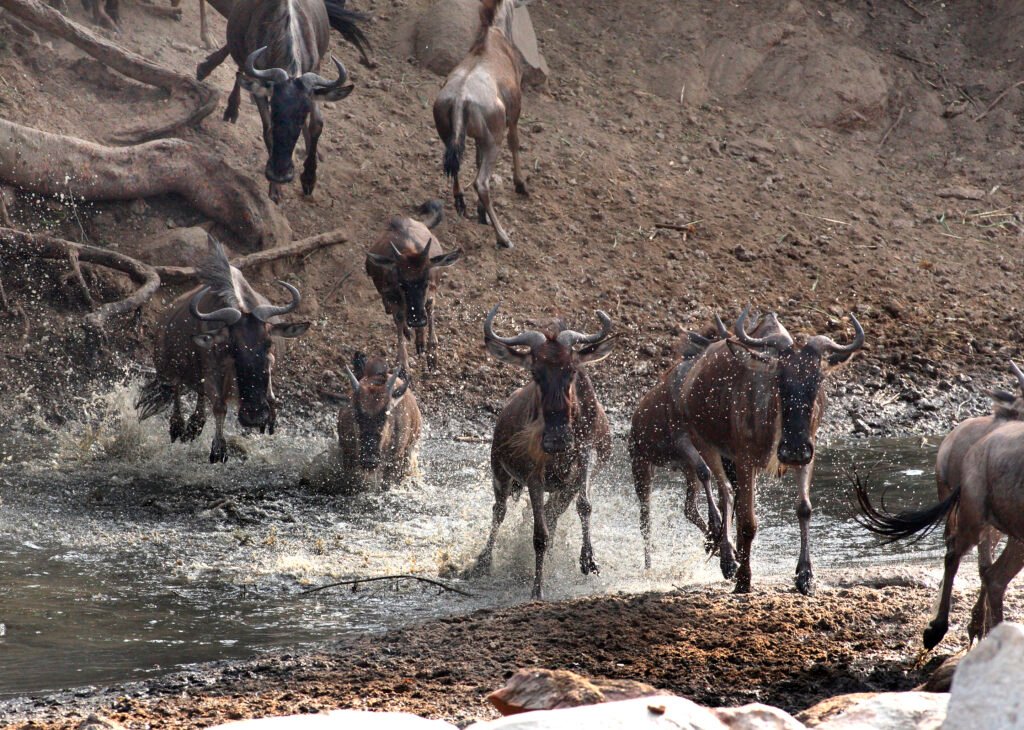
A food web is a network of interconnected feeding relationships showing how energy and nutrients move among producers, consumers, and decomposers in an ecosystem.
Foodborne illness is sickness caused by consuming food or beverages contaminated with harmful bacteria, viruses, parasites, or toxins. It represents a major public health burden worldwide, with the World Health Organization estimating hundreds of millions of cases and hundreds of thousands of deaths annually across the globe. Common Causes Bacterial pathogens including Salmonella, Campylobacter, and
Foodborne Illness Read More »
Sickness caused by consuming food or beverages contaminated with harmful bacteria, viruses, parasites, or toxins.
Scope of Forensic Accounting Forensic accounting applies accounting, auditing, and investigative skills to examine financial records for evidence of fraud, mismanagement, or disputes suitable for legal resolution. Unlike traditional accounting, which focuses on accurate recordkeeping and compliance, forensic accounting is inherently investigative, often undertaken specifically because a dispute, suspected fraud, or legal proceeding has already
Forensic Accounting Read More »
The specialized branch of accounting that applies investigative and analytical techniques to uncover financial fraud, embezzlement, and disputes suitable for legal proceedings.
Overview Forensic science applies methods from biology, chemistry, physics, and other scientific disciplines to questions arising in criminal and civil legal proceedings, most commonly the analysis of physical evidence collected from crime scenes. It plays a central role in modern criminal investigation, helping to establish facts such as the identity of a perpetrator, the cause
Forensic Science Read More »
Forensic science is the application of scientific methods and techniques to the investigation of crime, including the analysis of physical evidence such as DNA, fingerprints, and trace materials.
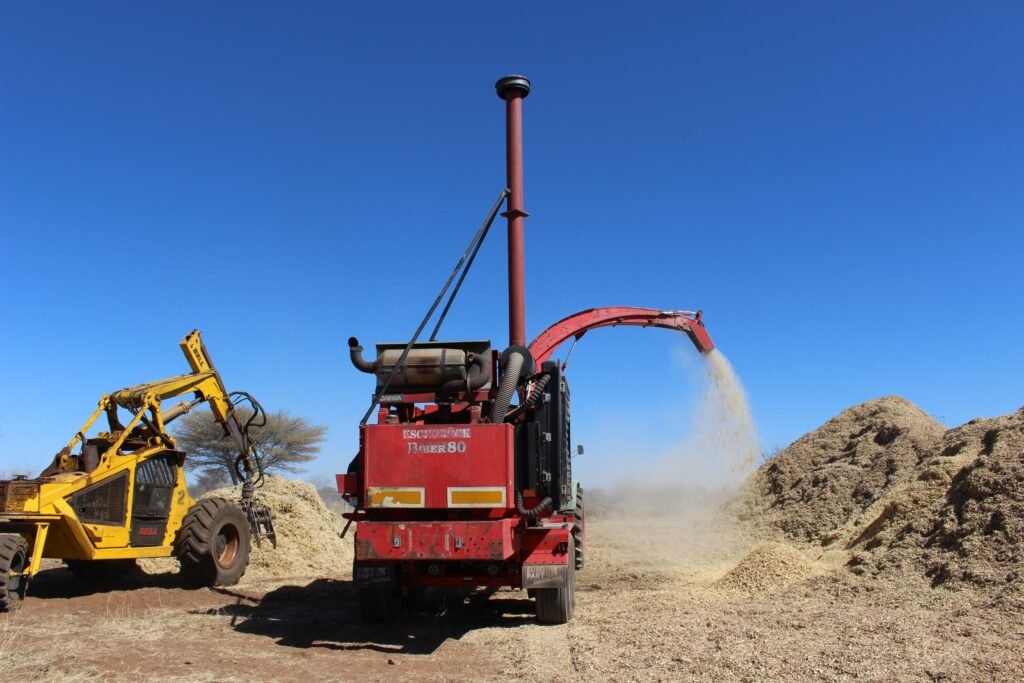
Forest biomass energy refers to the use of wood and other forest-derived organic material, including logging residues, sawmill byproducts, and purpose-grown energy crops, as a fuel source for generating heat or electricity. It represents one of the oldest forms of energy used by humans, now increasingly integrated into modern power plants and heating systems as
Forest Biomass Energy Read More »
Using wood and forest residues as a fuel source for heat and electricity generation.
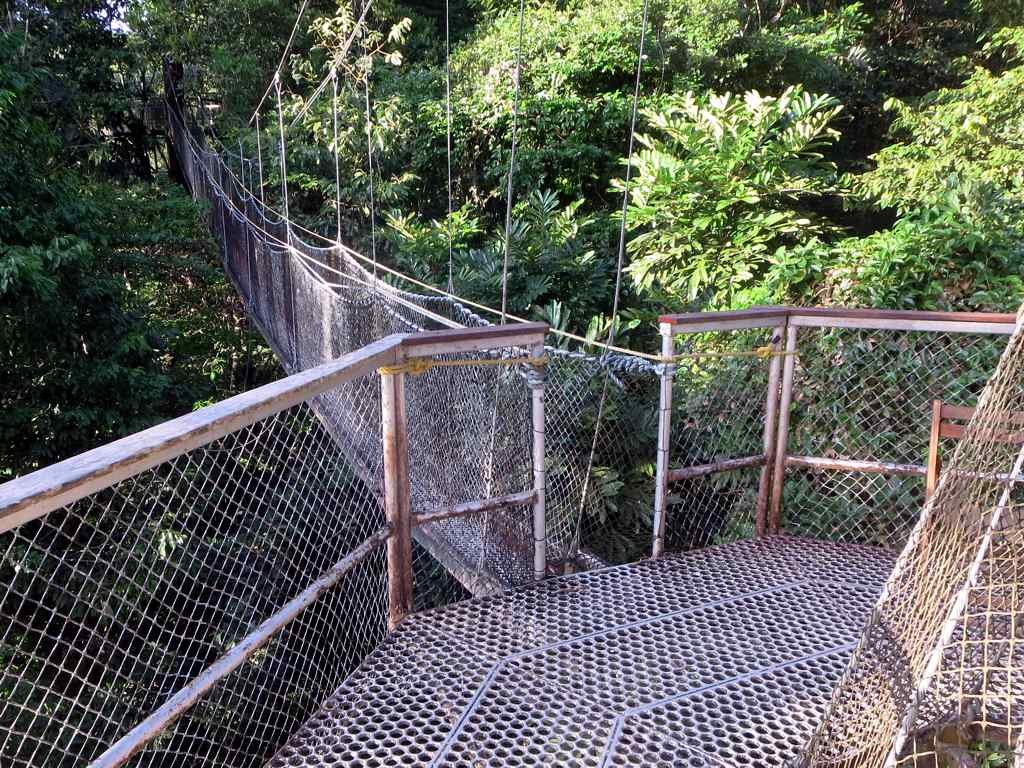
The forest canopy is the uppermost layer of a forest formed by the crowns of the tallest trees, intercepting most incoming sunlight before it reaches lower vegetation layers and shaping the physical and ecological conditions of the entire forest beneath it. Canopy Structure and Layers A mature forest often has several distinct vertical layers beneath
Forest Canopy Read More »
The uppermost layer of a forest formed by the crowns of the tallest trees, shaping light availability and conditions throughout the forest beneath it.
Forest carbon sequestration is the process by which forests absorb atmospheric carbon dioxide through photosynthesis and store it in living biomass, dead organic matter, and soil, making forests a significant component of the global carbon cycle and climate policy. How Forests Store Carbon Trees capture carbon dioxide during photosynthesis and incorporate the carbon into wood,
Forest Carbon Sequestration Read More »
The process by which forests absorb atmospheric carbon dioxide and store it in biomass, dead organic matter, and soil, a key part of the global carbon cycle.