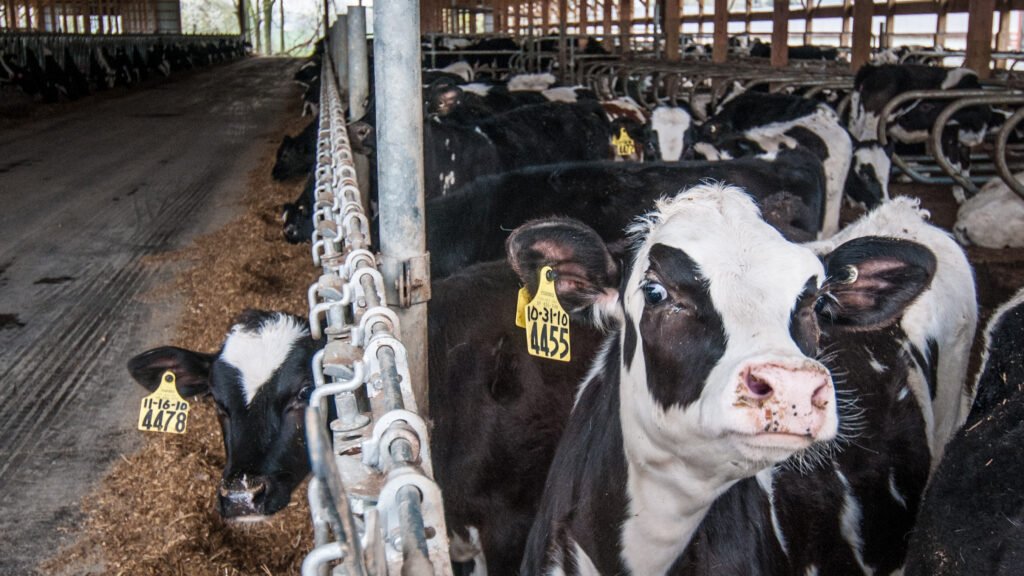
Defining and Measuring Animal Welfare Animal welfare science applies rigorous empirical methods to assess the physical and psychological wellbeing of animals under human care, moving the concept of welfare from a purely philosophical or intuitive judgment toward a measurable, evidence-based discipline. Researchers in this field draw on physiology, ethology, and increasingly cognitive science to develop
Animal Welfare Science Read More »
The scientific discipline that studies and measures the physical and psychological wellbeing of animals under human care using evidence-based assessment methods.
Animation is the technique of creating the illusion of movement by displaying a rapid sequence of still images, each slightly different from the one before it, so that the human eye and brain perceive continuous motion rather than a series of separate pictures. Animation can be created through drawing, painting, physical models, computer-generated imagery, or
Animation Read More »
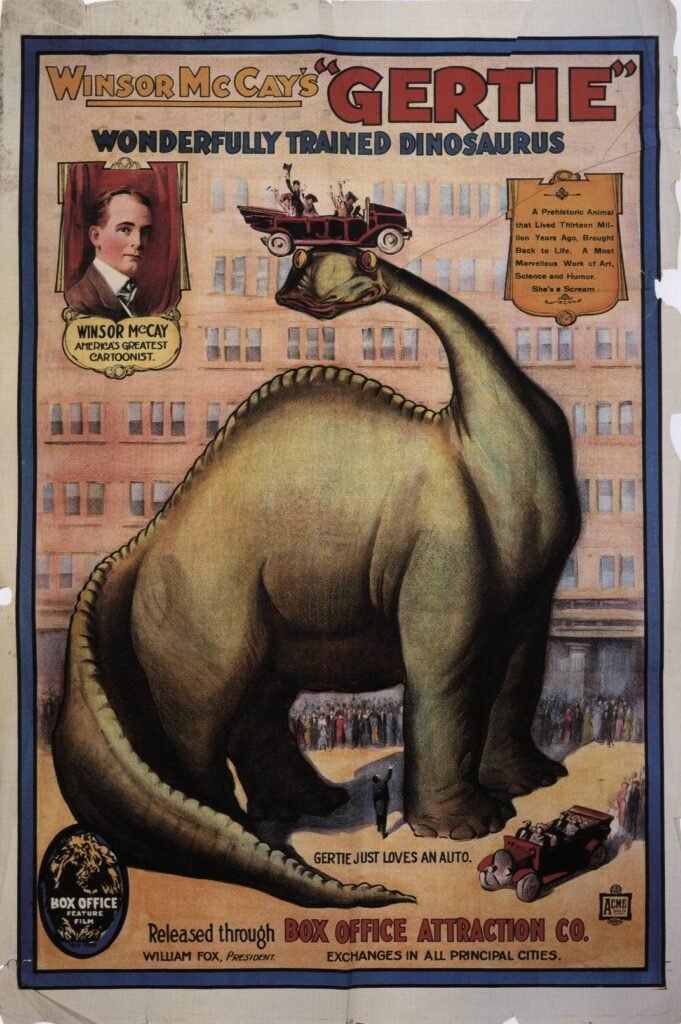
The technique of creating motion illusion from a rapid sequence of still images, from Gertie the Dinosaur (1914) to modern CGI.
Overview Animism is the belief that spirit, consciousness, or personhood is not limited to human beings but can also be present in animals, plants, rivers, mountains, and other elements of the natural world. The term was introduced by the anthropologist Edward Tylor in the nineteenth century as a way of describing what he considered an
Animism Read More »
The belief that spirits or a form of consciousness inhabit not only humans but also animals, plants, rivers, mountains, and other natural features or objects.
In simple terms Annexation is a state declaring that territory it holds by force is now legally its own. The claim is about sovereignty, the recognized legal title to land, not merely about who has troops on the ground. International law treats that claim as void. Force can change who controls territory; the modern rule
Annexation Read More »
Annexation is a state's claim to have taken legal sovereignty over territory seized by force, a claim international law treats as invalid.
Overview An anterior cruciate ligament injury involves damage to one of the key ligaments stabilizing the knee joint, most often occurring during sports that involve sudden changes of direction, rapid deceleration, or awkward landings from a jump, rather than through direct contact with another player. Diagnosis and Treatment Pathways Diagnosis typically combines physical examination with
Anterior Cruciate Ligament Injury Read More »
A tear or sprain of a key stabilizing ligament in the knee, common in sports involving sudden stops, pivots, or jumps.
Antibiotic resistance occurs when bacteria evolve the ability to survive exposure to antibiotics that would previously have killed them or stopped their growth, rendering those drugs partially or completely ineffective against the resistant strain. It is a natural evolutionary process accelerated dramatically by widespread antibiotic use, and the World Health Organization and major public health
Antibiotic resistance Read More »
The ability of bacteria to survive exposure to antibiotics that would previously have killed them.
In simple terms Antitrust law sets limits on how companies may compete. It targets conduct that protects a firm’s position by shutting rivals out, rather than by serving customers better. Outside the United States the same field is usually called competition law. The names differ; the core concerns are close. How it works Enforcement runs
Antitrust law Read More »
Antitrust law is the body of rules that stops firms from fixing prices, abusing a dominant position, or merging in ways that harm competition.
An anxiety disorder is a mental health condition characterized by excessive, persistent worry or fear that is disproportionate to the actual situation, difficult to control, and significant enough to interfere with daily functioning, relationships, or work. Anxiety disorders are distinguished from the normal, everyday anxiety most people experience occasionally, such as nervousness before a big
Anxiety disorder Read More »
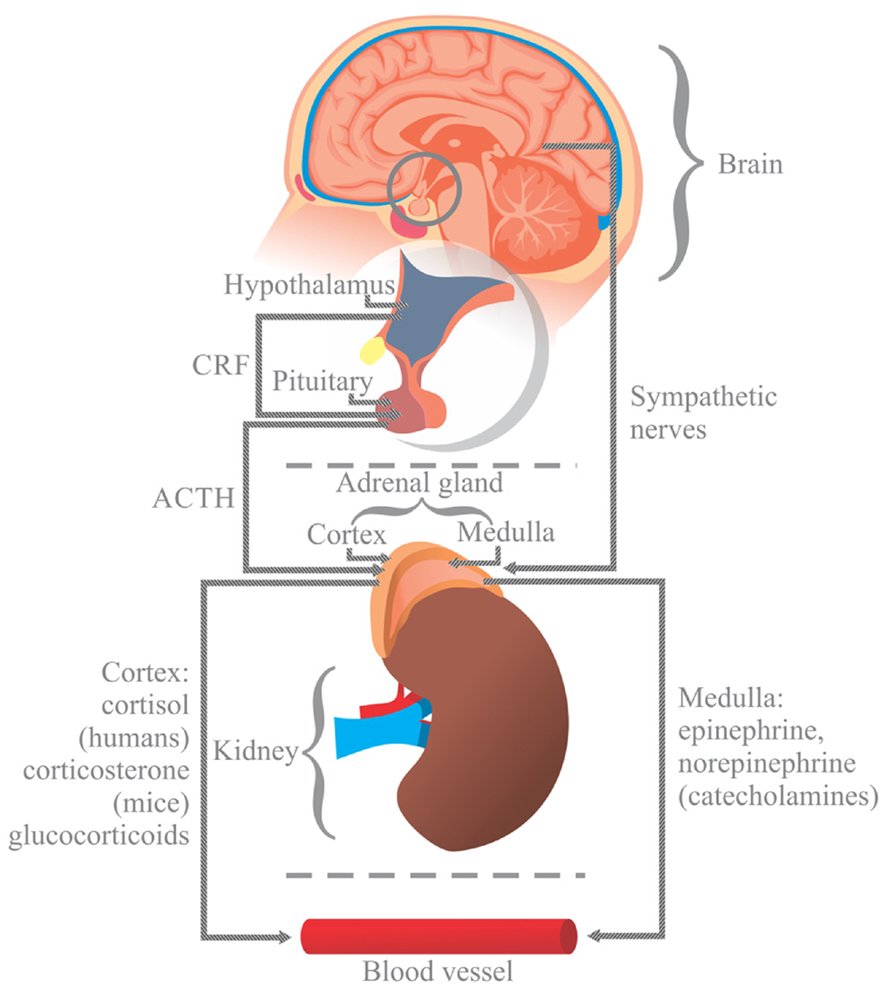
A mental health condition involving excessive, persistent worry or fear that interferes with daily functioning.
An apex predator is a predator that occupies the top of its ecosystem’s food chain and has no natural predators of its own as an adult, making it the final destination for the flow of energy through that particular chain. The term describes a species’ position within a food web rather than any specific behavior,
Apex predator Read More »
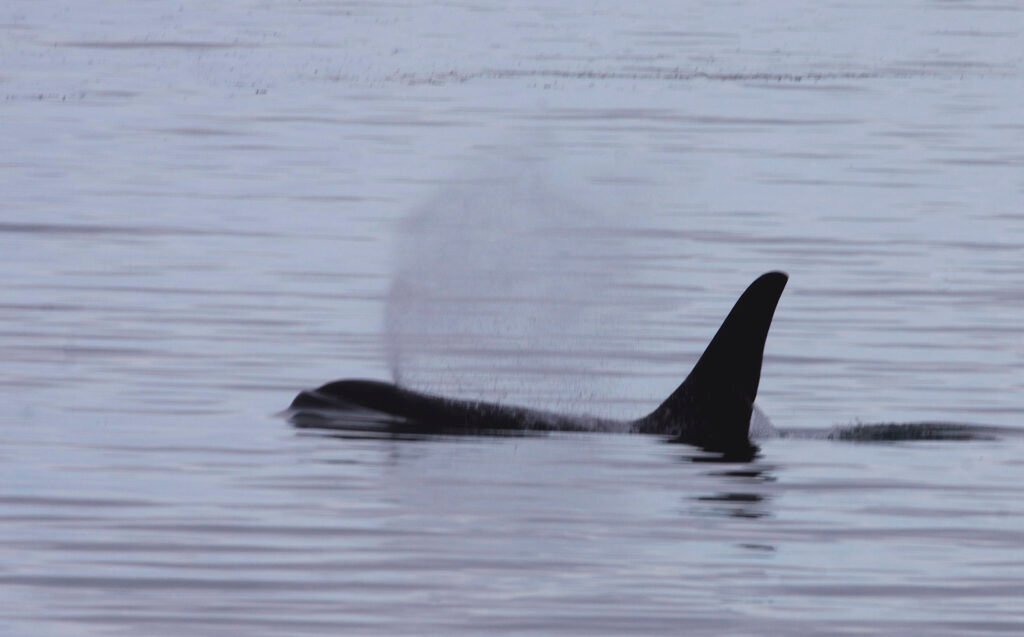
An apex predator sits at the top of its food chain with no natural predator of its own as an adult.
An application programming interface, or API, is a defined set of rules and tools that lets one piece of software communicate with another, specifying exactly what requests one program can make of another, what information must be included in that request, and what kind of response it can reasonably expect to receive back in return.
Application Programming Interface Read More »
A defined set of rules that lets one piece of software communicate with another, specifying requests and expected responses.