Overview The Protestant Reformation was a transformative sixteenth century religious movement that challenged the authority and certain doctrines of the Roman Catholic Church, ultimately producing lasting institutional divisions within Western Christianity that persist to the present day. It is conventionally dated from the actions of Martin Luther in 1517. Luther Challenge Martin Luther, an Augustinian
Protestant Reformation Read More »
The Protestant Reformation was a sixteenth century religious movement that challenged the authority of the Roman Catholic Church and produced lasting divisions within Western Christianity.
Public affairs connects an organization internal priorities to the external world of government policy, regulation, and civic life. Tracking the Policy Landscape A public affairs team typically monitors pending legislation, regulatory proposals, and local government decisions that could affect the organization, providing early warning that allows leadership to prepare a response well before a policy
Public Affairs Read More »
Public affairs is the specialized communication function that manages an organization relationships with government bodies, policymakers, and the broader civic environment.
Public policy is the set of laws, regulations, guidelines, and actions that a government adopts to address problems facing society. It represents the government’s chosen response, or deliberate non-response, to a given issue, and its actual implementation on the ground is generally carried out through the work of public administration. Defining public policy Scholars define
Public Policy Read More »
The set of laws, regulations, and actions a government adopts, or deliberately chooses not to adopt, to address problems facing society.
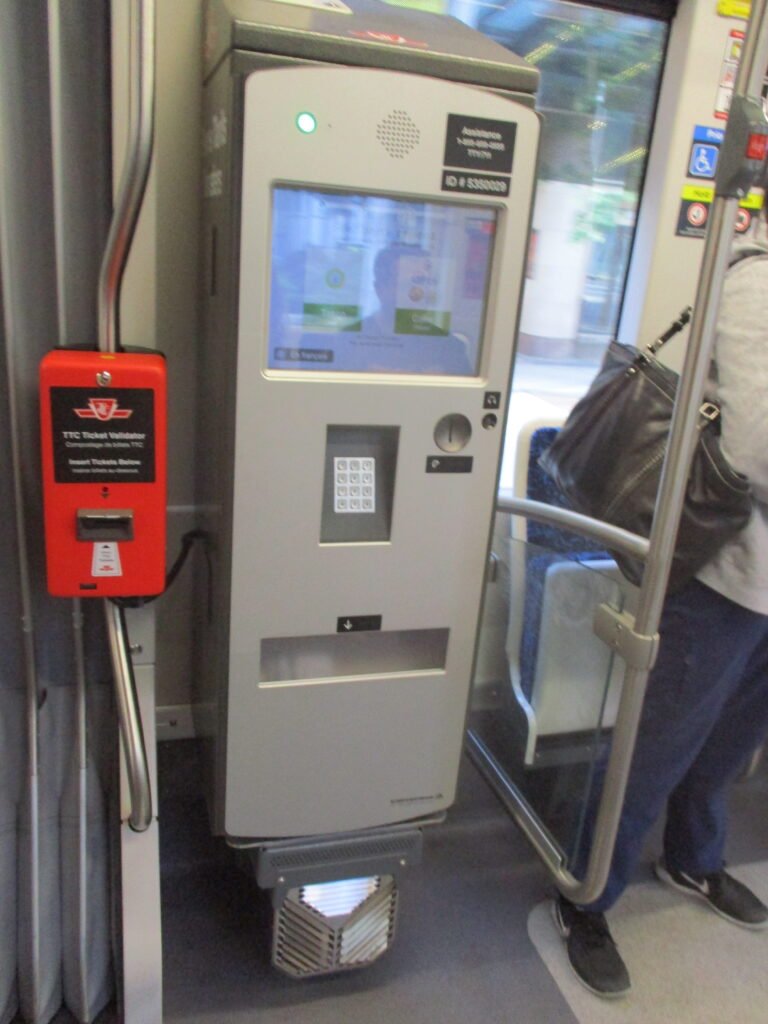
Fare Structure Choices Transit agencies choose among several basic fare structure models, including flat fares that charge the same amount regardless of trip length, distance-based or zone-based fares that charge more for longer trips, and time-based passes that let riders travel unlimited within a defined period for a fixed price. Each model carries trade-offs: flat
Public Transit Fare System Read More »
A public transit fare system is the structure and technology a transit agency uses to charge, collect, and account for rider payments across its network.
A punch list is a document compiled near the end of a construction project that itemizes remaining defects, omissions, or incomplete work that must be corrected before a project can be considered fully finished and accepted by the owner. The term is thought to derive from the historical practice of literally punching a hole next
Punch List Read More »
A document itemizing remaining defects and incomplete work that must be corrected before a construction project is accepted.
Quality assurance in food production is the systematic set of planned activities designed to ensure that a food product consistently meets defined quality, safety, and regulatory standards before it ever reaches a customer. Unlike quality control, which involves testing and inspecting finished products, quality assurance focuses on building reliable processes throughout production so that defects
Quality Assurance (Food) Read More »
The systematic, proactive activities that ensure a food product consistently meets defined quality, safety, and regulatory standards.
Quantity surveying is the professional practice of measuring, costing, and managing the financial aspects of a construction project, from early budget estimates during design through final cost settlement after completion. A quantity surveyor, sometimes called a construction cost consultant in markets where the specific title is less common, acts as the construction industry’s specialist in
Quantity Surveying Read More »
The professional practice of measuring, costing, and managing the financial aspects of a construction project.
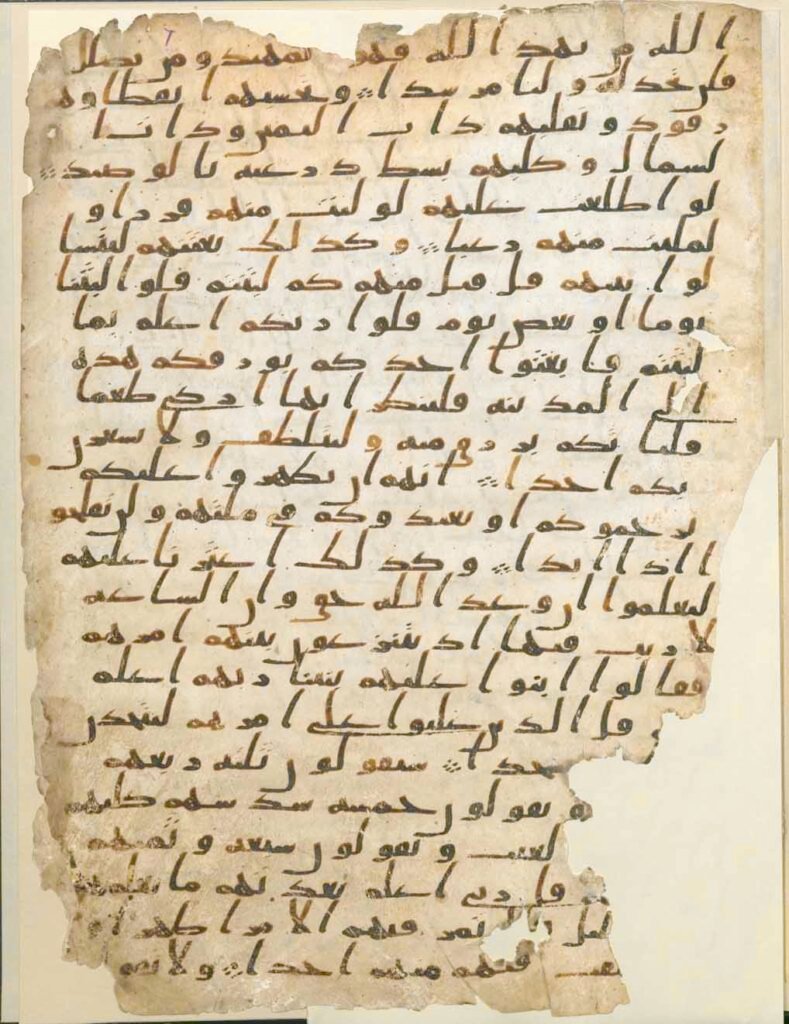
Overview The Quran is the central religious text of Islam, believed by Muslims to be the literal and unaltered word of God revealed to the Prophet Muhammad through the angel Gabriel over a period of approximately twenty-three years. Composed in Arabic and organized into 114 chapters, known as surahs, the Quran holds a place of
Quran Read More »
The central religious text of Islam, believed by Muslims to be the literal word of God revealed to the Prophet Muhammad over approximately twenty-three years.
In simple terms Radiocarbon dating estimates how long ago something that was once alive stopped taking in carbon. Living plants and animals absorb carbon that includes a trace of carbon-14, a radioactive form of the element. When the organism dies the intake stops, the carbon-14 decays at a fixed rate, and the amount left behind
Radiocarbon dating Read More »
Radiocarbon dating estimates the age of once-living material by measuring how much of its radioactive carbon-14 has decayed.
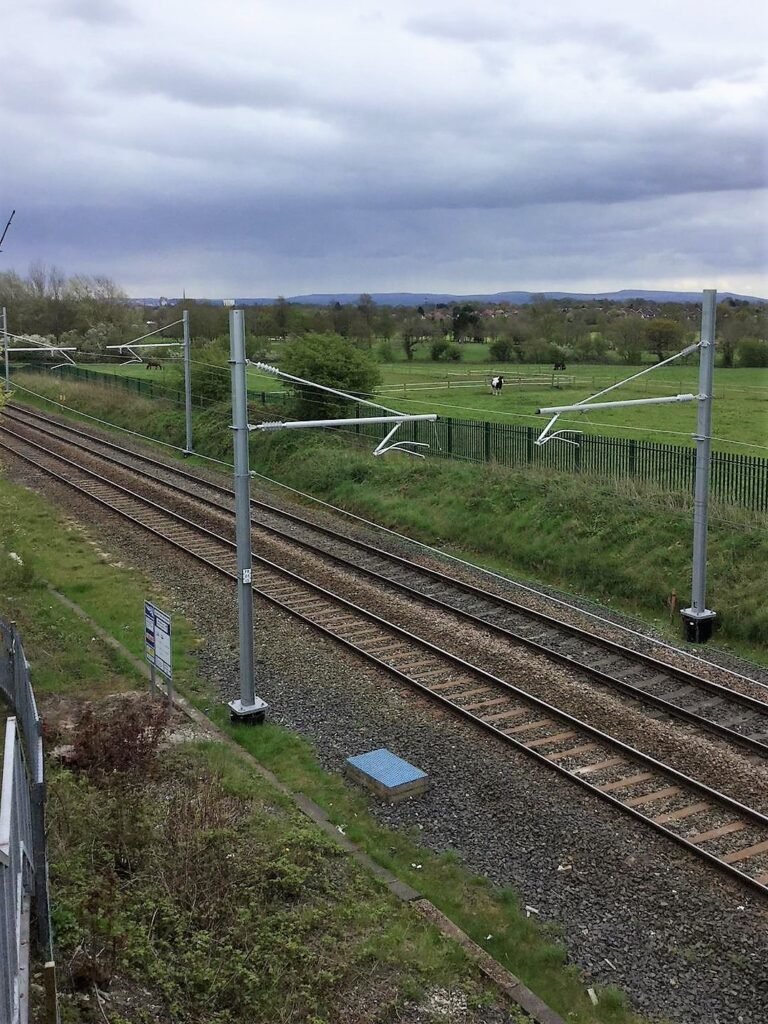
What Rail Electrification Means Rail electrification converts a railway from diesel or other onboard fuel power to electric power delivered externally through overhead catenary wires or a ground-level third rail. Electric trains draw power continuously from this infrastructure rather than carrying their own fuel supply, fundamentally changing how the train itself is designed and powered.
Rail Electrification Read More »
Rail electrification is the conversion of a railway to run trains powered by electricity delivered through overhead wires or a third rail, rather than by diesel or other onboard fuel.