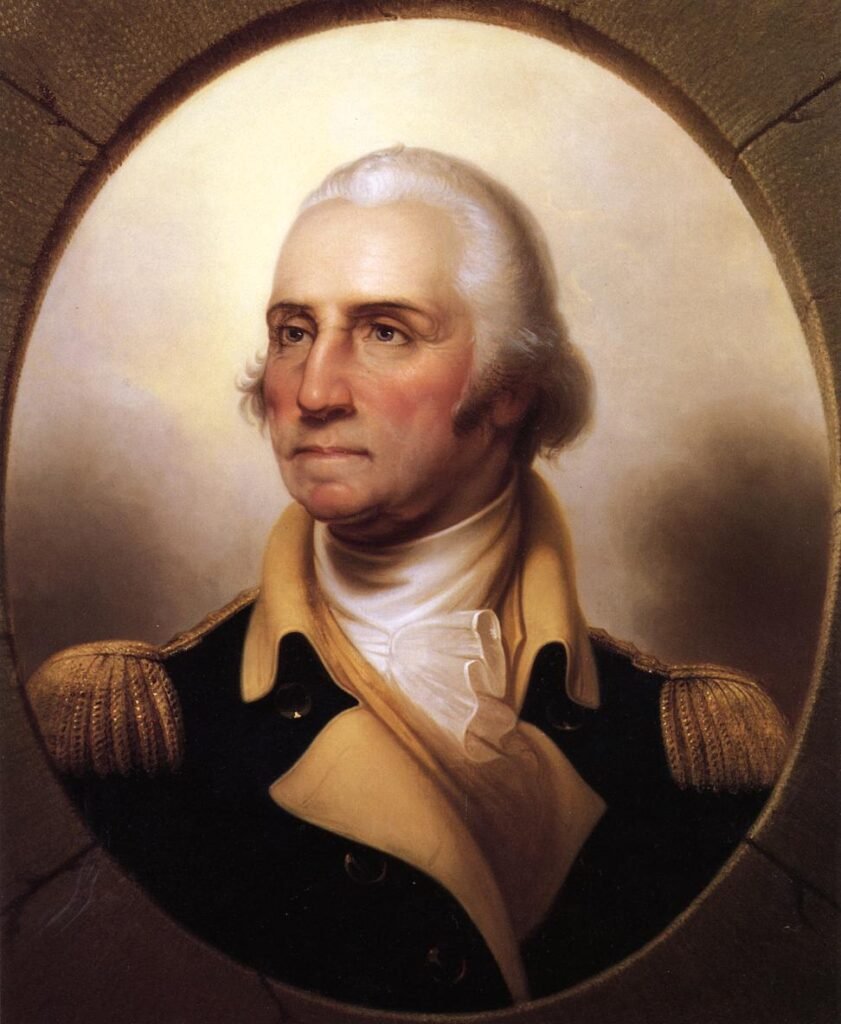
George Washington (1732 to 1799) was the commander of the Continental Army during the American Revolutionary War and the first president of the United States, serving from 1789 to 1797. He also presided over the Constitutional Convention of 1787. He is often called the Father of His Country, and he died at Mount Vernon, Virginia,
George Washington Read More »
Commander of the Continental Army and first president of the United States, who served from 1789 to 1797.
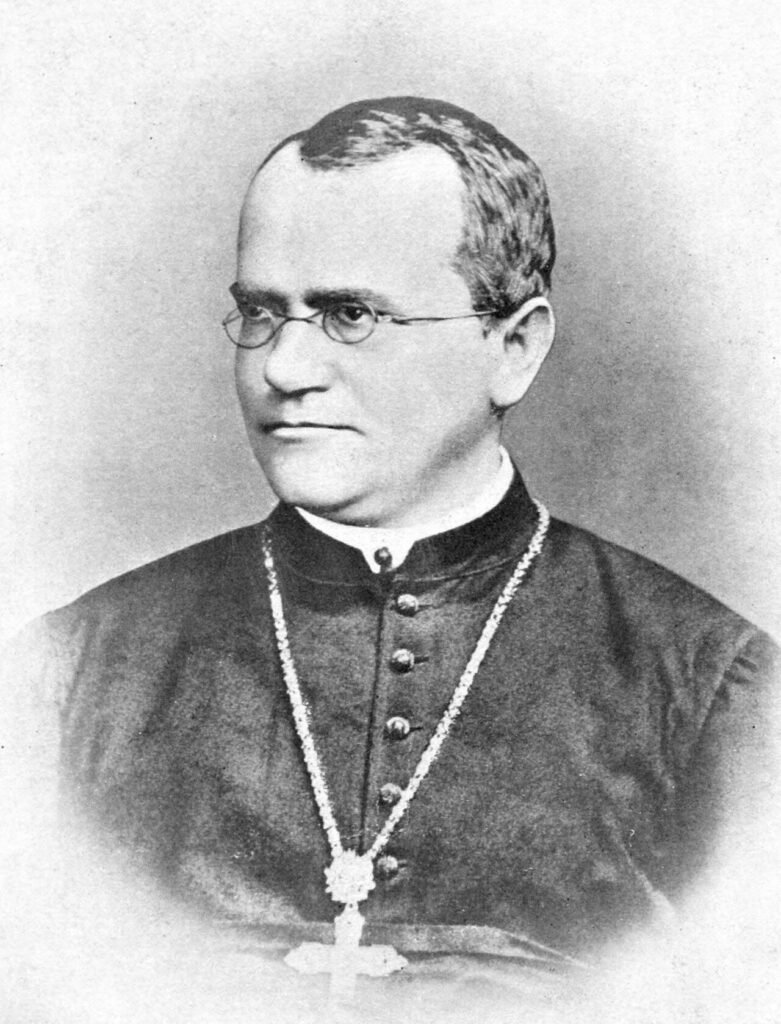
Gregor Johann Mendel (1822 to 1884) was a Moravian friar and scientist whose experiments with pea plants revealed basic patterns of inheritance. His work, carried out mainly between 1856 and 1863, went largely unnoticed in his lifetime. When it was rediscovered in 1900 it became the foundation of genetics. Early life of Gregor Mendel Mendel
Gregor Mendel Read More »
Gregor Mendel was a Moravian friar whose pea plant experiments in the 1850s and 1860s revealed the basic patterns of inheritance and founded genetics.
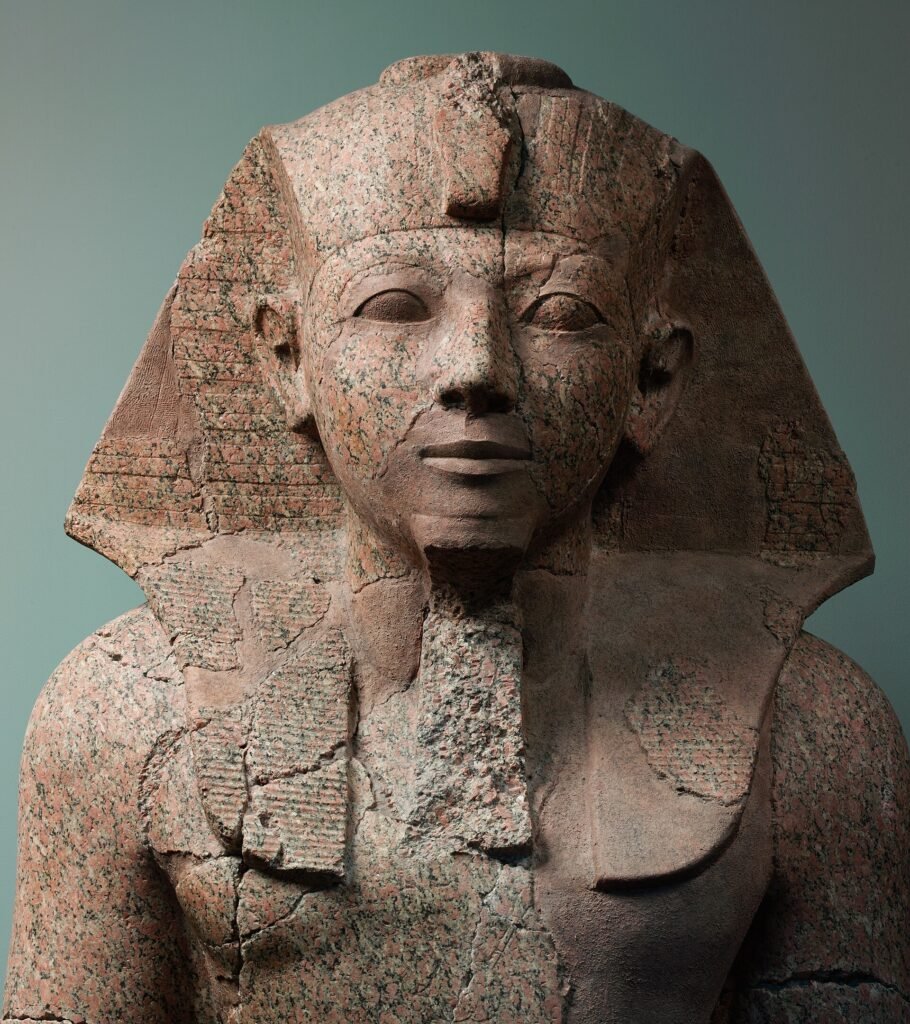
Hatshepsut was a ruler of ancient Egypt in the 18th Dynasty who reigned from about 1479 to 1458 BCE and took the full title and authority of pharaoh. She began as regent for her young stepson Thutmose III and then ruled as king in her own right. She is remembered for her mortuary temple at
Hatshepsut Read More »
Egyptian ruler of the 18th Dynasty (reigned about 1479 to 1458 BCE) who ruled as pharaoh and built the temple at Deir el-Bahari.
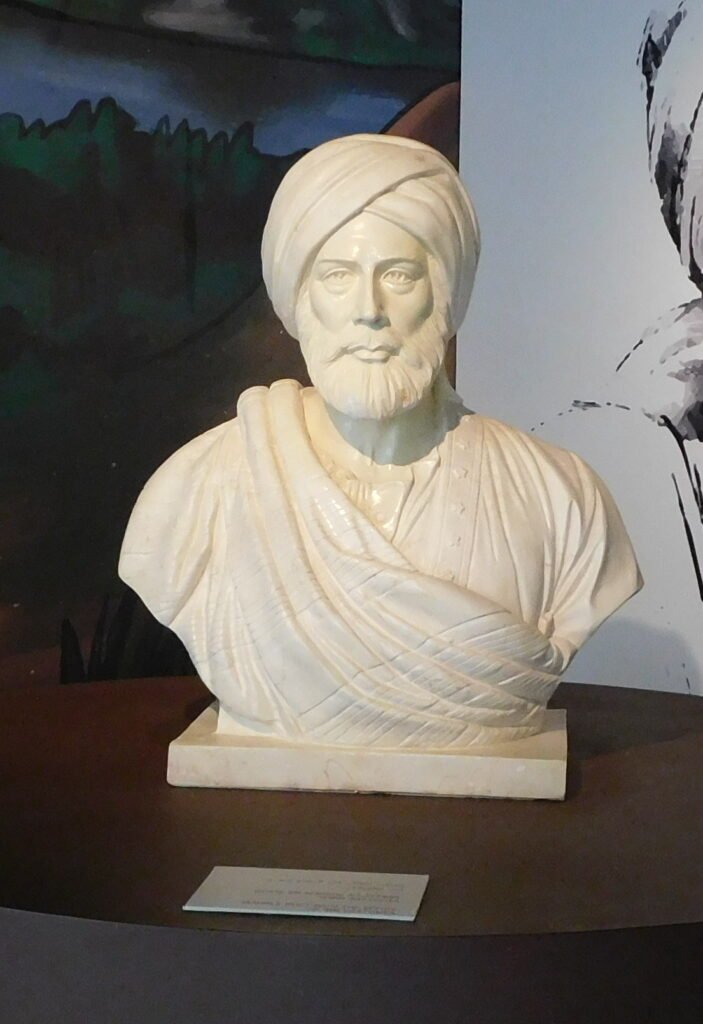
Ibn Battuta (1304 to about 1368) was a Moroccan scholar and judge who traveled for nearly 30 years across Africa, Asia and parts of Europe, covering roughly 75,000 miles (120,000 km). His travel book, the Rihla, is one of the most important eyewitness accounts of the 14th-century world. Early life of Ibn Battuta Ibn Battuta
Ibn Battuta Read More »
Ibn Battuta was a Moroccan judge and scholar who traveled about 75,000 miles from 1325 to the early 1350s and wrote the Rihla.
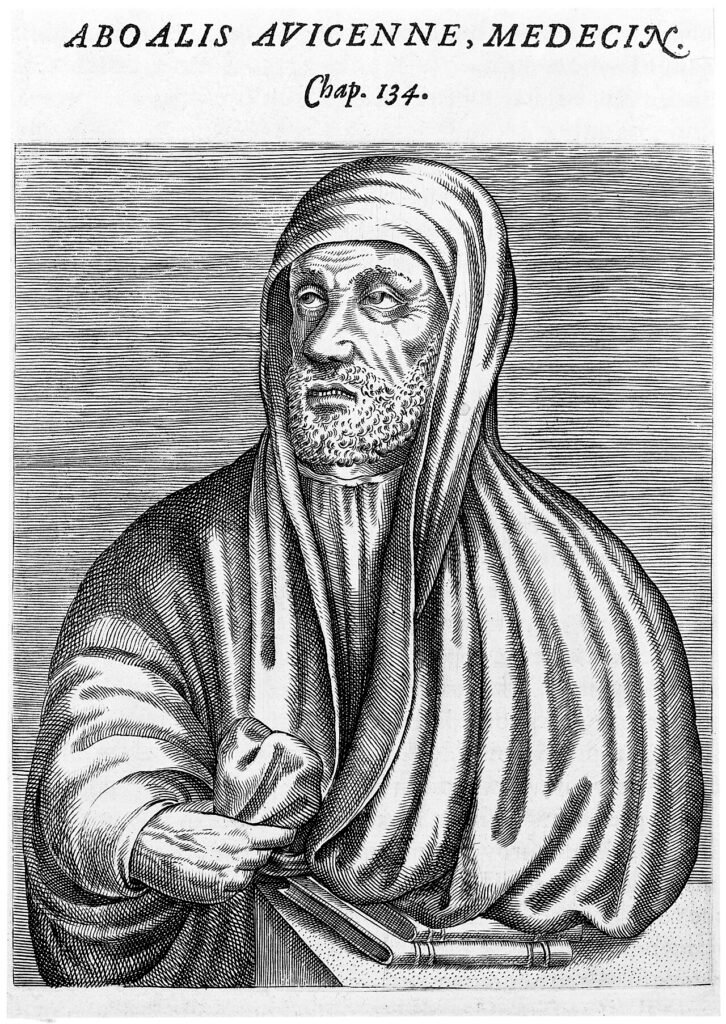
Ibn Sina (c. 980 to 1037), known in Europe as Avicenna, was a Persian physician and philosopher who worked at the courts of several rulers in Central Asia and Iran. His Canon of Medicine and Book of Healing became standard reference works across the Islamic world and in medieval Europe. Early life of Ibn Sina
Ibn Sina Read More »
Ibn Sina, called Avicenna in Europe, was a Persian physician and philosopher who wrote the Canon of Medicine and the Book of Healing.
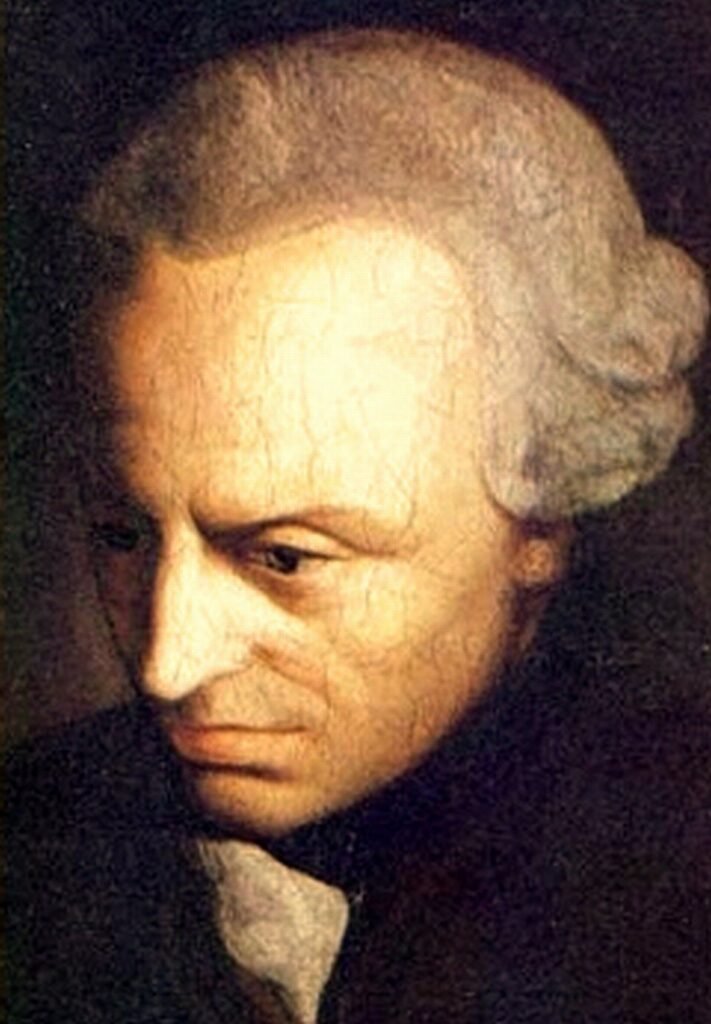
Immanuel Kant (1724 to 1804) was a German philosopher from Königsberg who argued that human knowledge is shaped by the structure of the mind and that moral duty rests on reason alone. His Critique of Pure Reason (1781) reshaped the study of knowledge and reality, and his ethics of duty remains a standard reference point
Immanuel Kant Read More »
German philosopher who argued that knowledge is shaped by the mind and that moral duty rests on universal reason.
Isaac Newton (1642 to 1727) was an English mathematician and natural philosopher who formulated the laws of motion and the law of universal gravitation and helped invent calculus. His 1687 book, the Principia, described the physical world in mathematical terms and guided science for more than two centuries. Newton also transformed the study of light
Isaac Newton Read More »
English mathematician and physicist who formulated the laws of motion and universal gravitation and helped invent calculus.
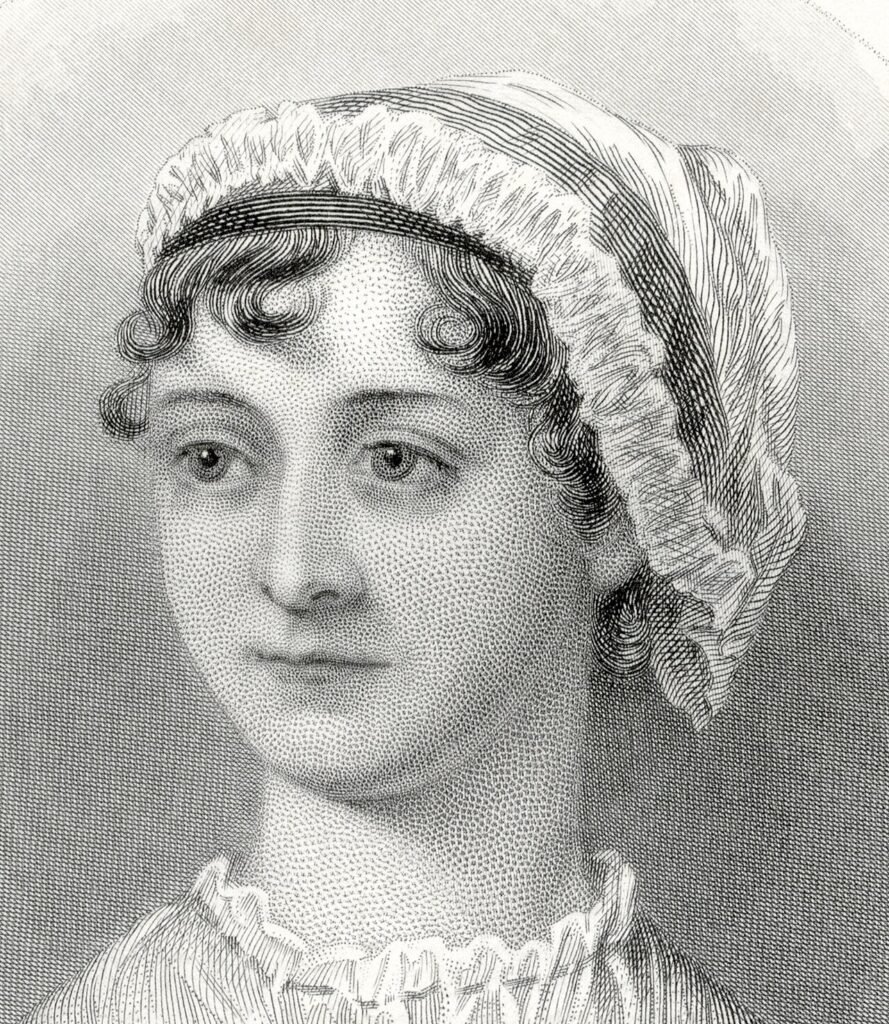
Jane Austen (1775 to 1817) was an English novelist known for six novels that examine love, money, class and manners in the lives of women in rural England around the turn of the nineteenth century. Her books include Pride and Prejudice, Sense and Sensibility, Emma and Persuasion, and they are admired for their wit, irony
Jane Austen Read More »
Jane Austen (1775 to 1817) was an English novelist who wrote Pride and Prejudice, Emma and four other novels about class, love and manners.
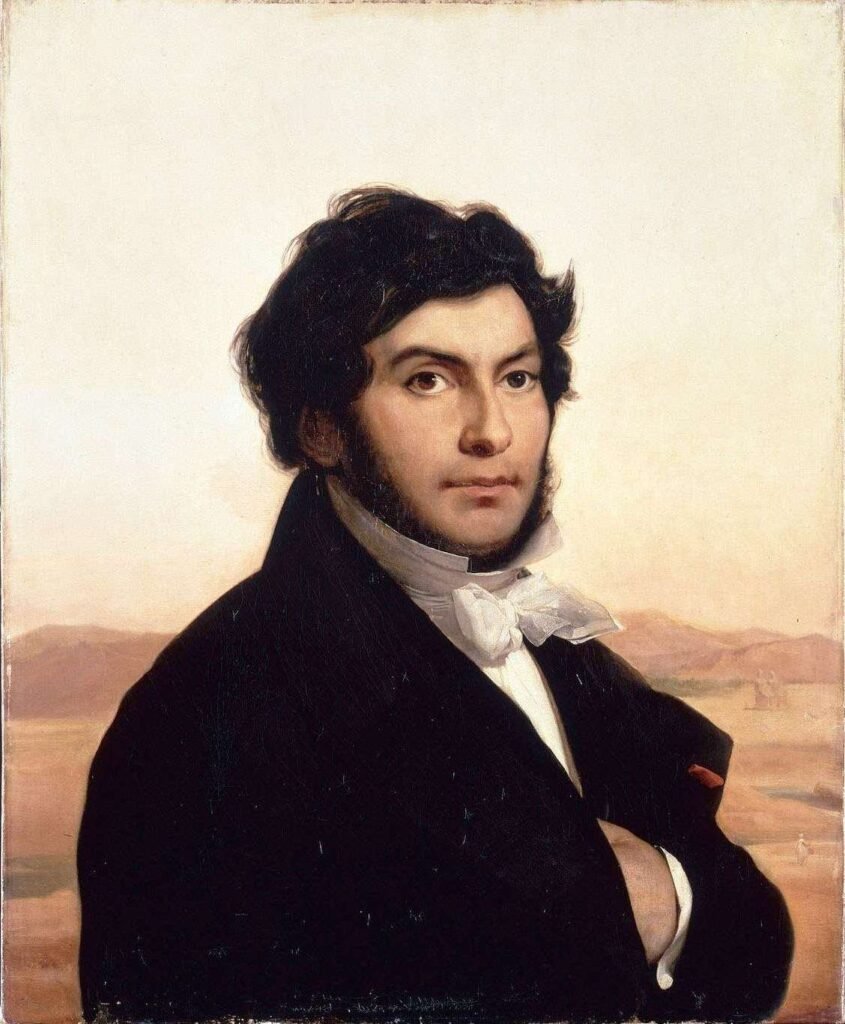
Jean-François Champollion (1790 to 1832) was a French scholar who deciphered ancient Egyptian hieroglyphs and is regarded as the founder of scientific Egyptology. In 1822 he showed that hieroglyphic writing combined signs for sounds with signs for ideas, which let scholars read inscriptions that had been unreadable for centuries. His work turned the Rosetta Stone
Jean-François Champollion Read More »
French scholar who deciphered Egyptian hieroglyphs in 1822 and founded scientific Egyptology.
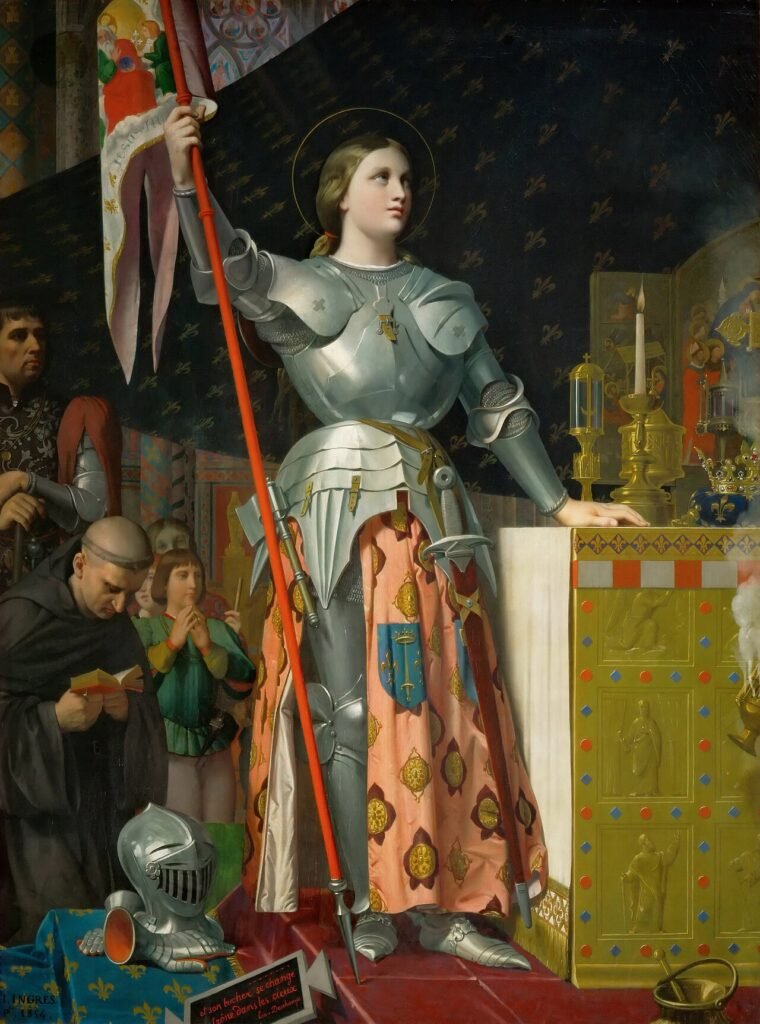
Joan of Arc (about 1412 to 1431), known in French as Jeanne d’Arc, was a peasant girl from northeastern France who said she was guided by divine voices and helped turn the Hundred Years’ War in favor of the French. She was burned at the stake for heresy at about age 19, and the Catholic
Joan of Arc Read More »
Joan of Arc was a French peasant girl who led armies in the Hundred Years' War, was executed in 1431 and was canonized in 1920.