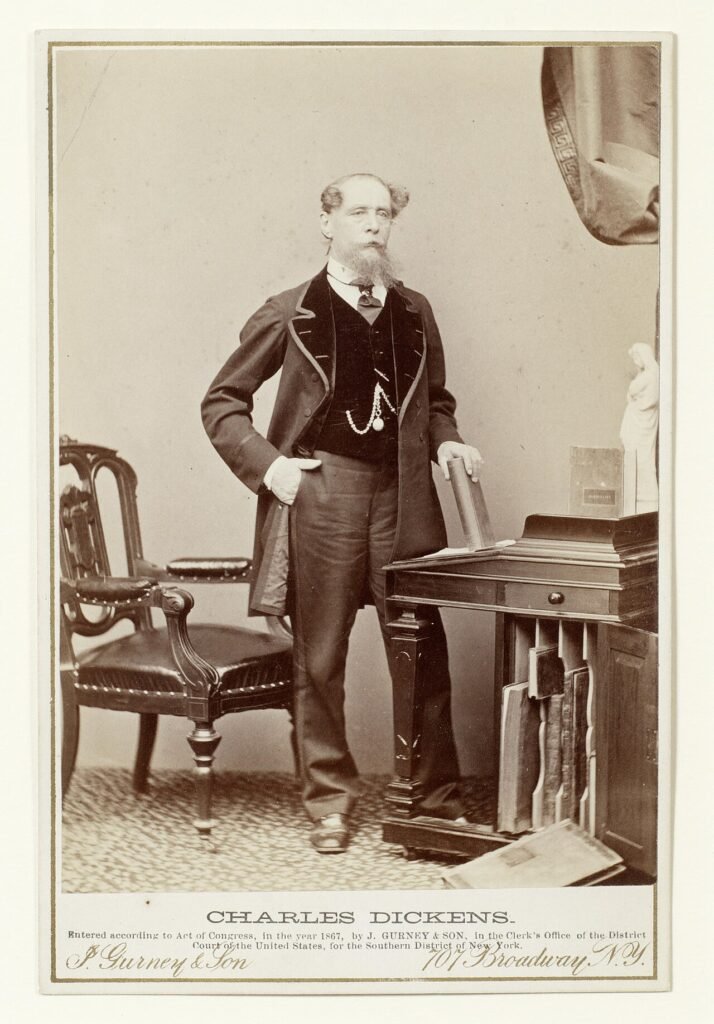
Charles Dickens (1812 to 1870) was an English novelist and the leading storyteller of the Victorian era, famous for characters such as Oliver Twist, Ebenezer Scrooge and Pip. His novels, most of which first appeared in serial installments, combine humor, social criticism and vivid portraits of London and its poor. He died at his home
Charles Dickens Read More »
Charles Dickens (1812 to 1870) was an English Victorian novelist who wrote Oliver Twist, A Christmas Carol and Great Expectations.
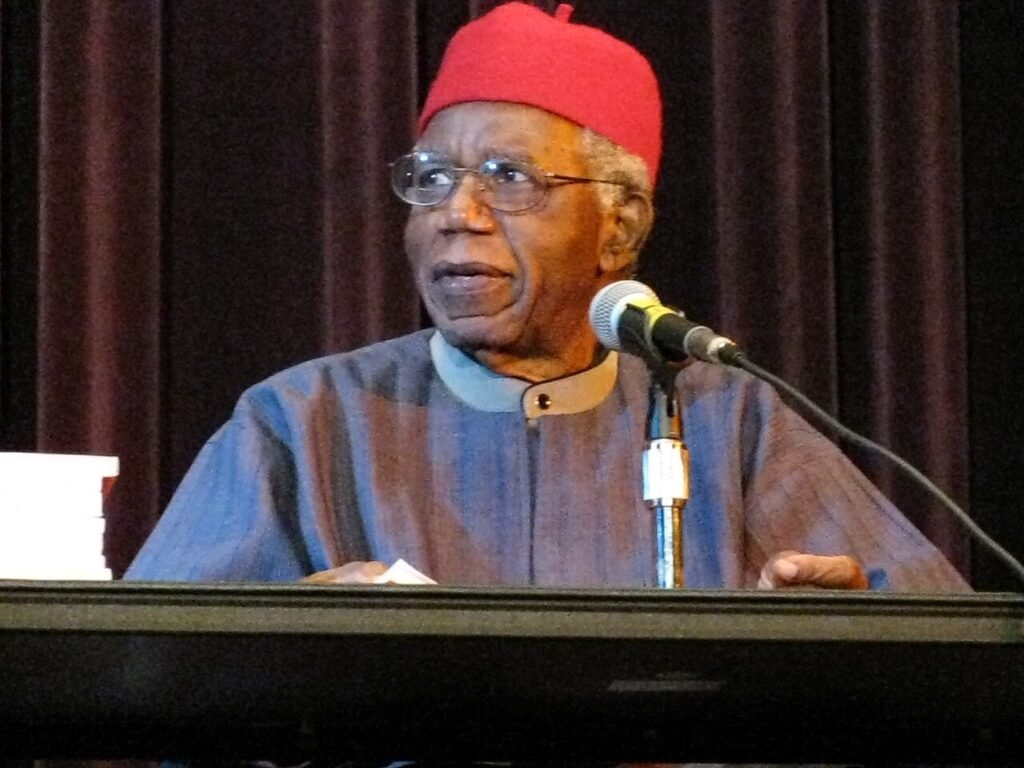
Chinua Achebe (1930 to 2013) was a Nigerian novelist, poet and essayist, widely regarded as a founding figure of modern African literature. His first novel, Things Fall Apart, published in 1958, tells the story of Igbo society before and during the arrival of European rule, and it remains the most studied African novel. He died
Chinua Achebe Read More »
Chinua Achebe (1930 to 2013) was a Nigerian novelist and poet whose novel Things Fall Apart is the most studied African novel.
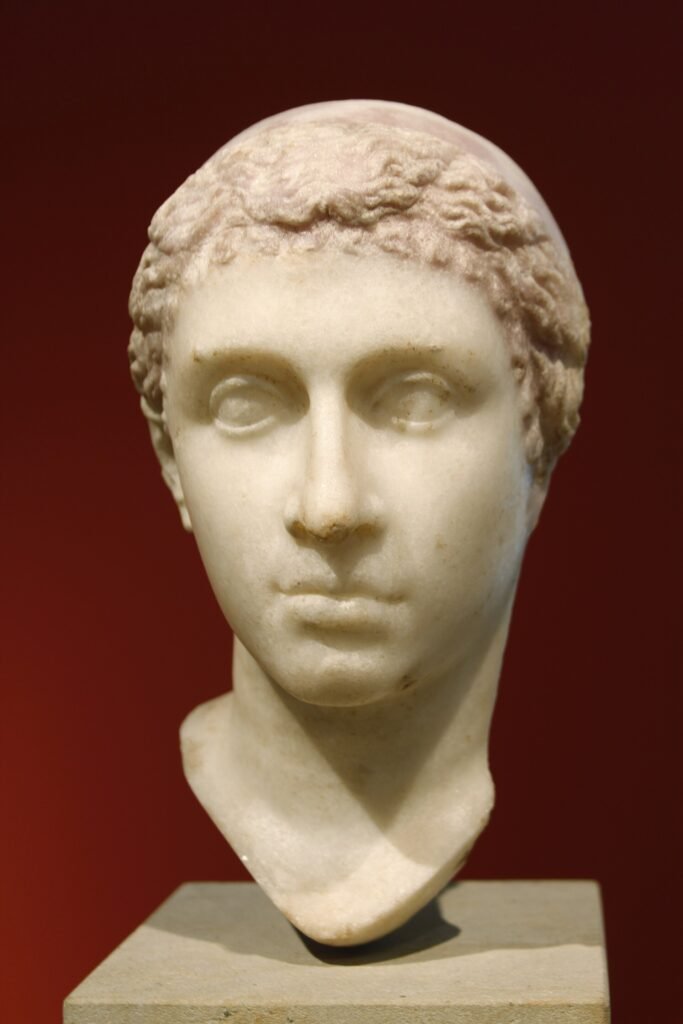
Cleopatra VII was the last active ruler of Ptolemaic Egypt, reigning from 51 BCE until her death in 30 BCE. Born into the Macedonian Greek dynasty founded by one of the generals of Alexander the Great, she presented herself as an Egyptian queen, and her alliances with the Roman leaders Julius Caesar and Mark Antony
Cleopatra Read More »
Last active ruler of Ptolemaic Egypt (69 to 30 BCE) whose alliances with Julius Caesar and Mark Antony ended in Egypt becoming a Roman province.
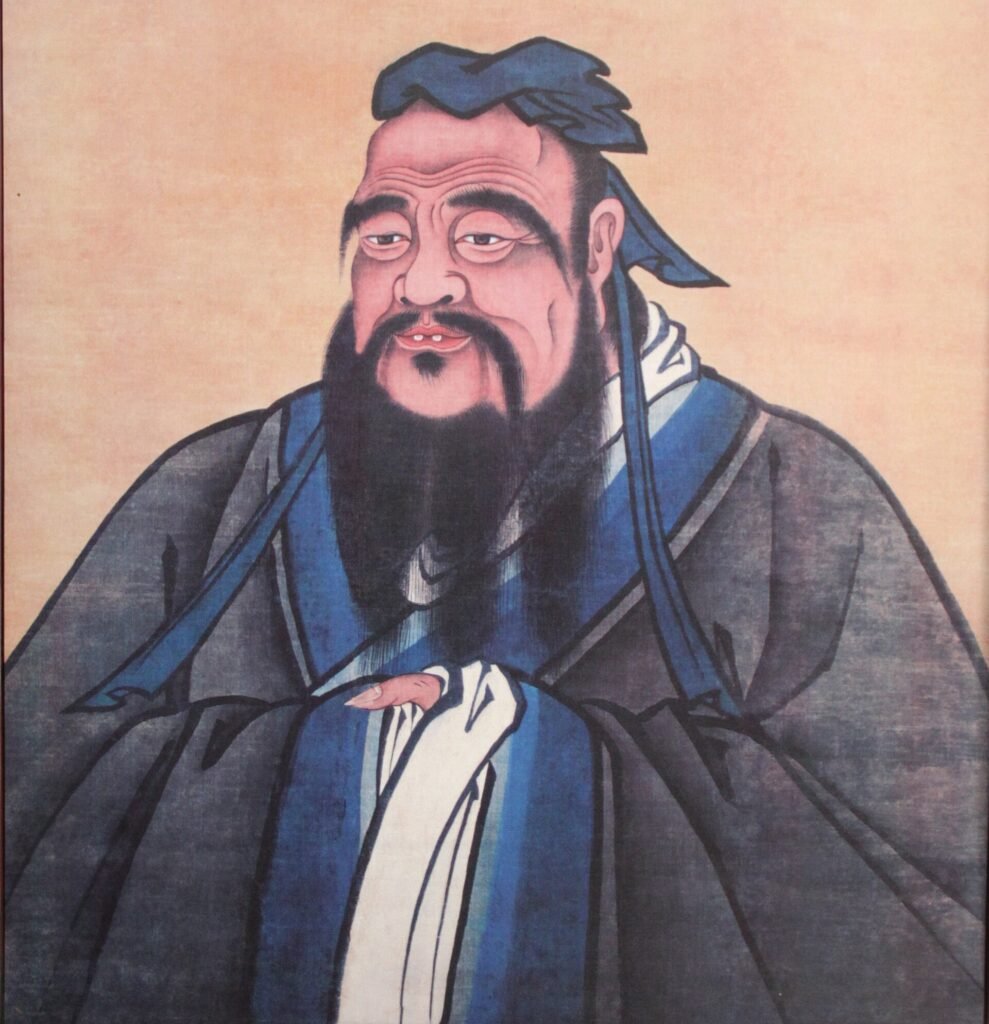
Confucius (traditionally 551 to 479 BCE) was a Chinese teacher and thinker whose conversations with students, recorded in the Analects, became the foundation of Confucianism. His name is a Latinized form of Kong Fuzi, meaning “Master Kong.” Little about his life can be confirmed, because the earliest accounts were written decades to centuries after his
Confucius Read More »
Chinese teacher and thinker (traditionally 551 to 479 BCE) whose sayings, recorded in the Analects, shaped East Asian ethics, education and government.
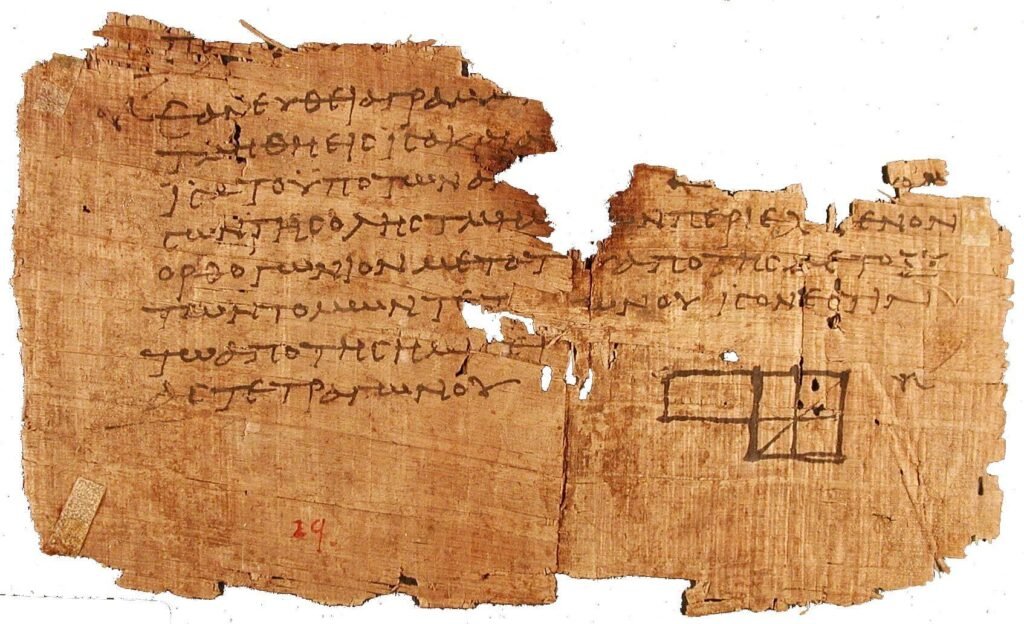
Euclid was a Greek mathematician who taught in Alexandria, Egypt, around 300 BCE and wrote the Elements, often described as one of the most influential textbooks ever written. Almost nothing is known about his life, and scholars give only approximate dates. The Elements presents geometry and number theory as a chain of logical proofs built
Euclid Read More »
Greek mathematician of Alexandria (about 300 BCE) who wrote the Elements, the foundational treatise on geometry and number theory.
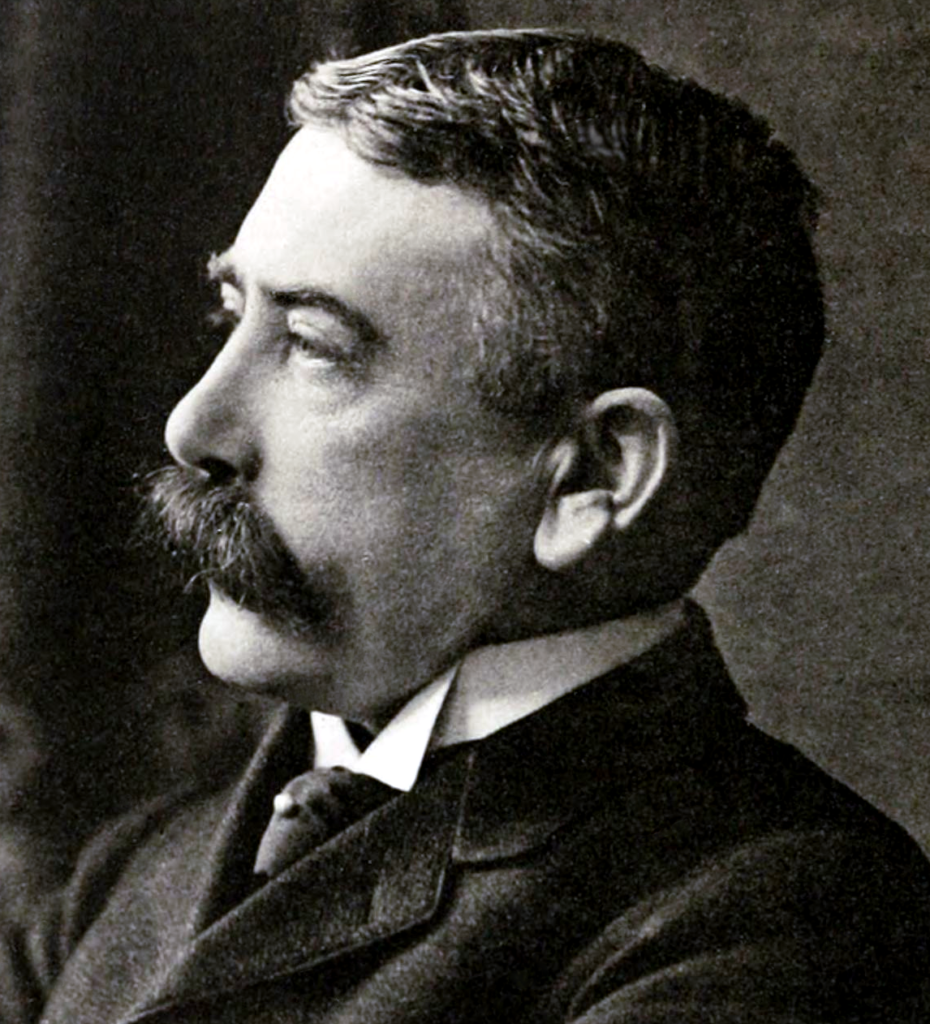
Ferdinand de Saussure (1857 to 1913) was a Swiss linguist whose ideas became the foundation of structural linguistics and, later, of structuralism across the humanities and social sciences. He argued that language should be studied as a system of signs, in which each element gets its value from its relations to the others. His ideas
Ferdinand de Saussure Read More »
Swiss linguist whose Course in General Linguistics founded structural linguistics and shaped structuralism.
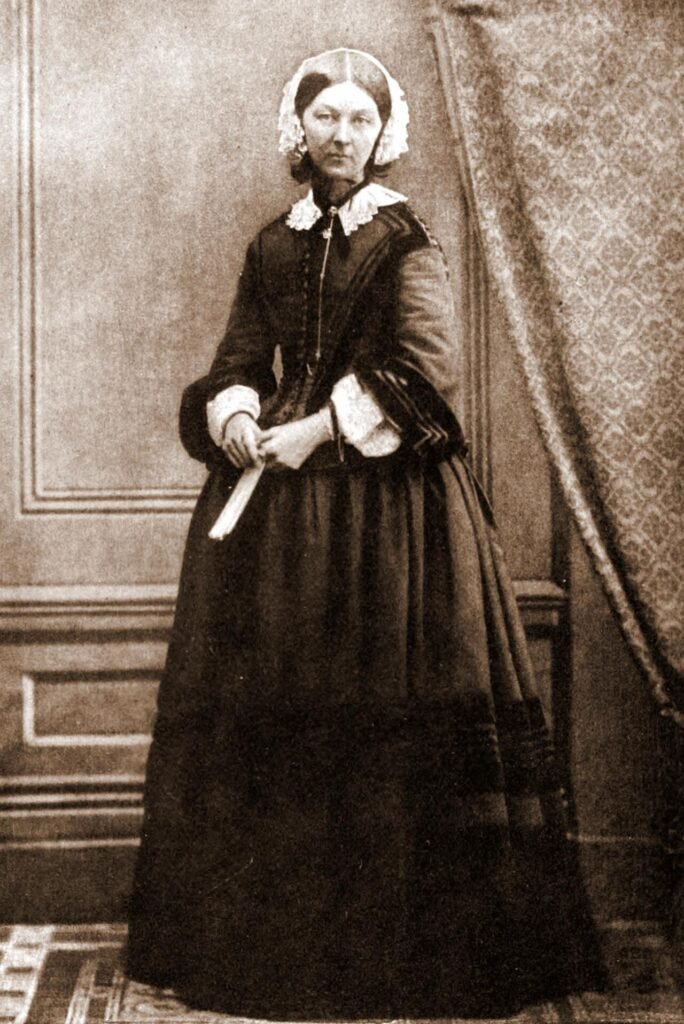
Florence Nightingale (1820 to 1910) was an English nurse, reformer and statistician who is regarded as the founder of modern nursing. She became famous for her work in army hospitals during the Crimean War and later used data and public campaigns to improve sanitation, hospital design and nurse training. Early life of Florence Nightingale Florence
Florence Nightingale Read More »
Florence Nightingale was an English nurse and statistician who founded modern nursing after her work in Crimean War hospitals.
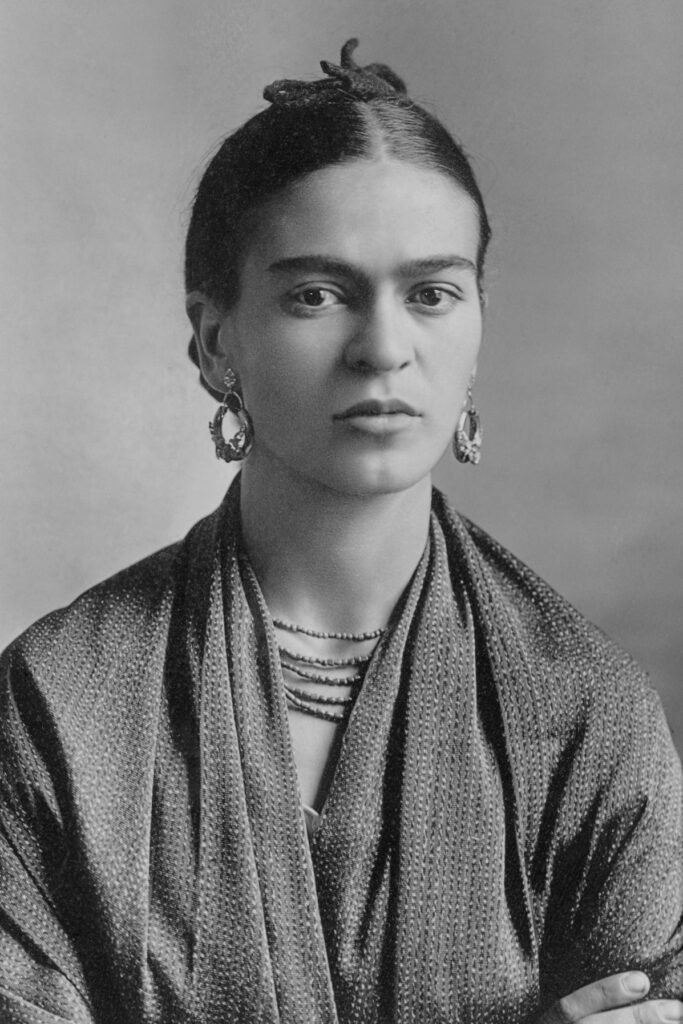
Frida Kahlo (1907 to 1954) was a Mexican painter best known for her self-portraits, which draw on Mexican folk art, her own physical suffering and the history of her country. She was born in Coyoacán, now part of Mexico City, and spent much of her life in the family home known as the Casa Azul.
Frida Kahlo Read More »
Frida Kahlo (1907 to 1954) was a Mexican painter famous for self-portraits that combine folk art, personal pain and Mexican history.
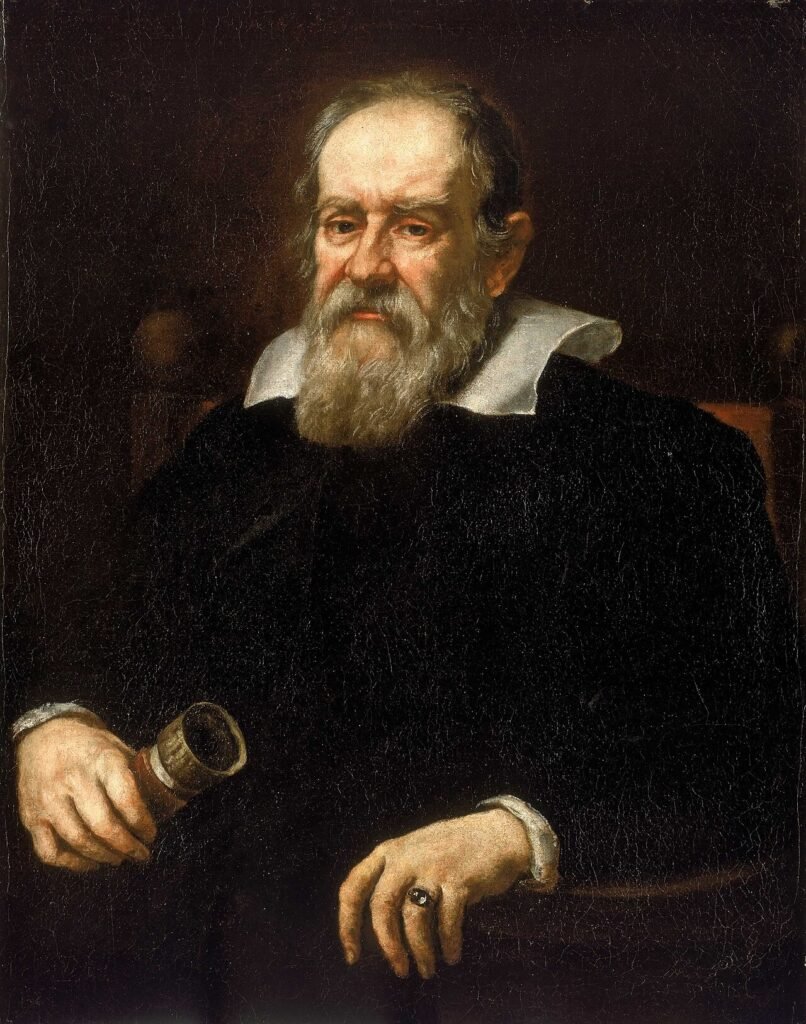
Galileo Galilei (1564 to 1642) was an Italian mathematician, astronomer and natural philosopher. He used an improved telescope to gather evidence that not everything in the sky circles the Earth, and he described how falling bodies move. In 1633 the Roman Inquisition convicted him of vehement suspicion of heresy, and he lived under house arrest
Galileo Galilei Read More »
Galileo Galilei was an Italian mathematician and astronomer who used the telescope, studied motion, and was tried by the Inquisition in 1633.
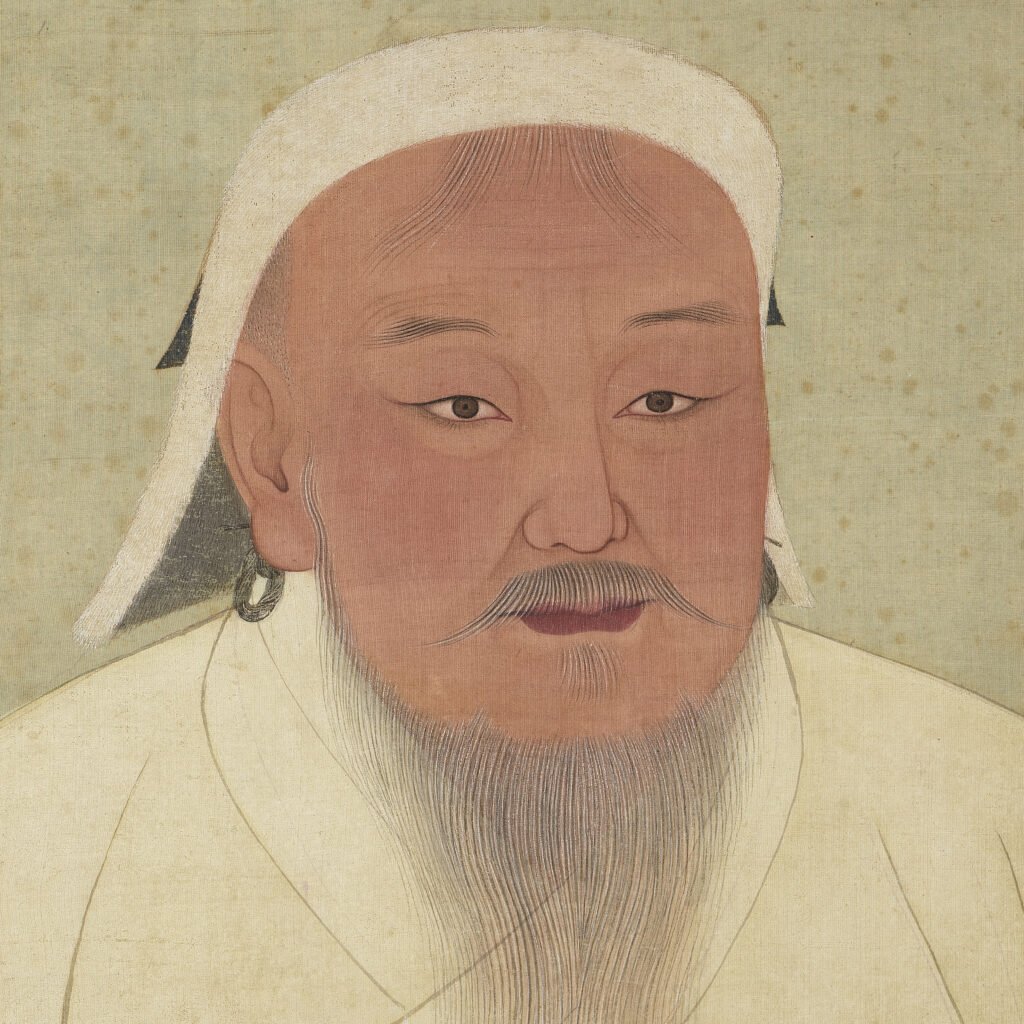
Genghis Khan (also spelled Chinggis Khan) was the founder of the Mongol Empire and ruled it as its first Great Khan from 1206 until his death in 1227. He was born Temujin, and he took the title Genghis Khan, probably meaning universal ruler, after uniting the Mongol tribes. His armies conquered large parts of northern
Genghis Khan Read More »
Founder of the Mongol Empire who united the Mongol tribes in 1206 and ruled as Great Khan until his death in 1227.