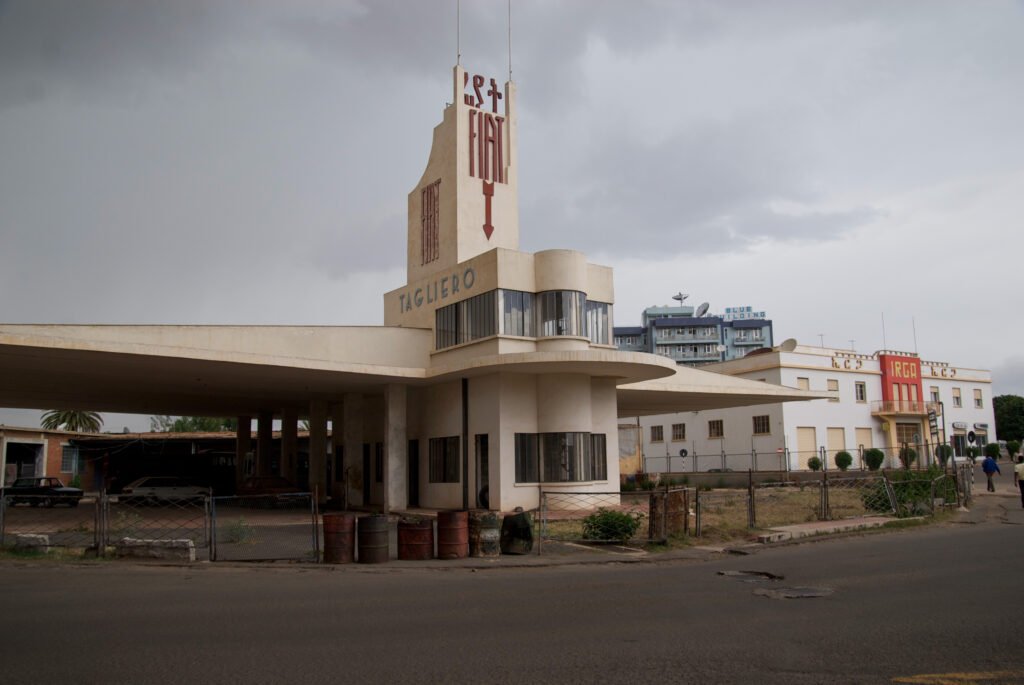
Eritrea occupies a long stretch of the Red Sea coast in the Horn of Africa. Its capital, Asmara, sits on a highland plateau and preserves one of the world’s largest and best-preserved collections of early twentieth-century Italian modernist architecture, a legacy of Italian colonial rule that earned the city UNESCO World Heritage status in 2017.
Eritrea: Geography, History, Government and Key Facts Read More »
Eritrea is a Red Sea nation in the Horn of Africa whose capital, Asmara, is a UNESCO-listed showcase of Italian modernist architecture.
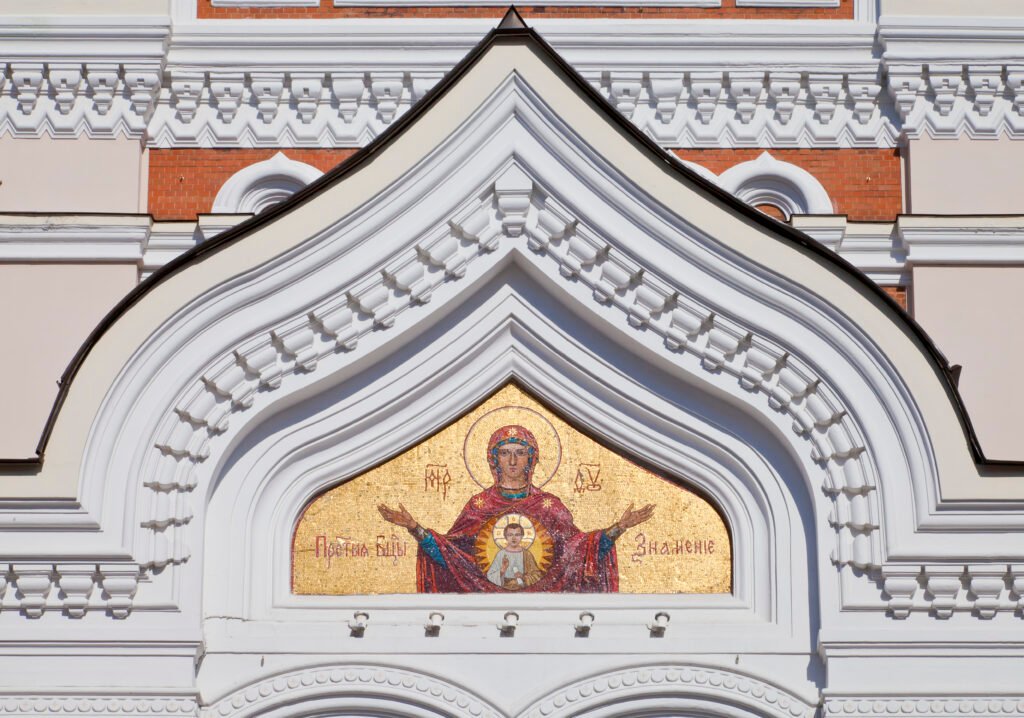
Estonia is the northernmost of the three Baltic states, facing the Gulf of Finland and the Baltic Sea. Its capital, Tallinn, preserves one of Europe’s best-maintained medieval old towns, a UNESCO World Heritage Site whose skyline is dominated by the onion domes of the Alexander Nevsky Cathedral rising above the surrounding city walls and spires.
Estonia: Geography, History, Government and Key Facts Read More »
Estonia is the northernmost Baltic state, known for Tallinn's medieval Old Town and its leadership in digital government.
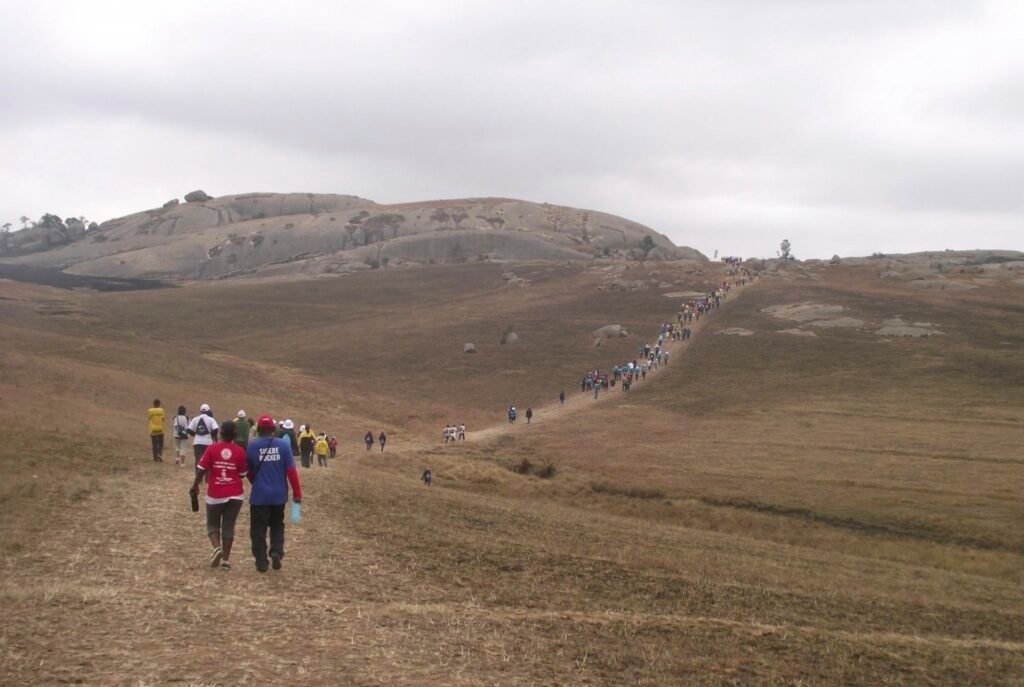
Eswatini is a small, landlocked kingdom in Southern Africa and one of the last remaining absolute monarchies in the world. Renamed from Swaziland to Eswatini by royal decree in 2018, it remains one of the least internationally visited African countries, despite natural landmarks such as Sibebe Rock, one of the largest exposed granite domes on
Eswatini: Geography, History, Government and Key Facts Read More »
Eswatini is a small, landlocked Southern African kingdom, one of the world's last absolute monarchies, renamed from Swaziland in 2018.
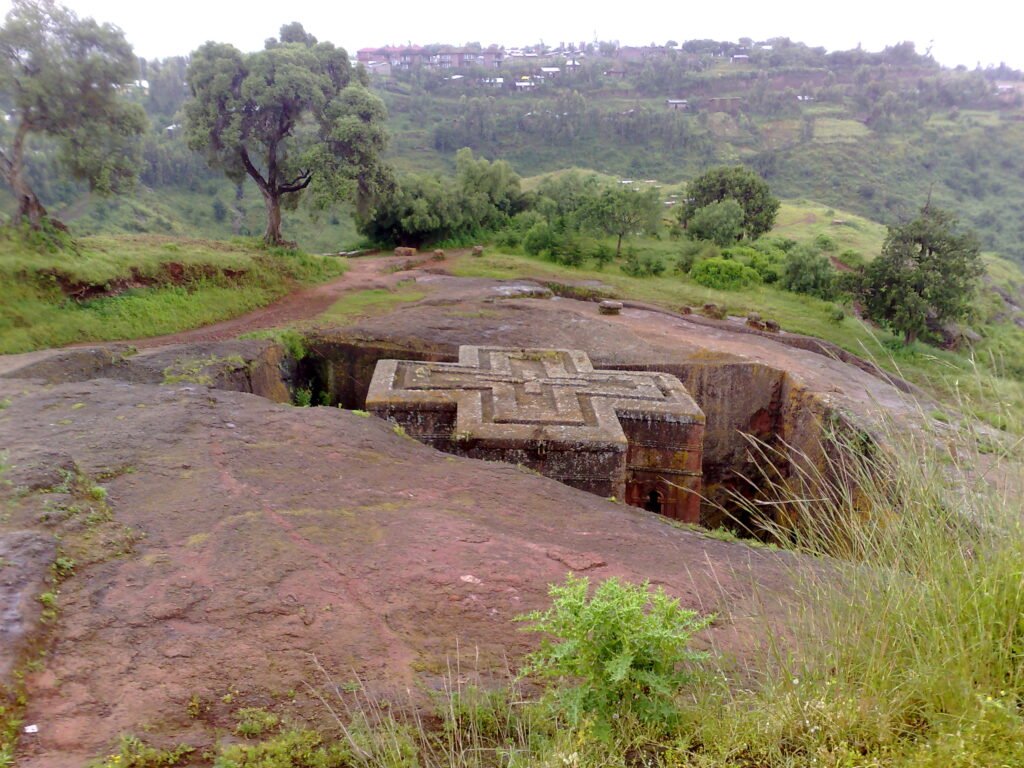
Ethiopia is a landlocked country in the Horn of Africa and the only African nation, along with Liberia, that was never formally colonized by a European power during the nineteenth-century Scramble for Africa. Its rugged highlands are home to Lalibela, a complex of eleven medieval churches carved directly out of solid rock, whose cross-shaped Church
Ethiopia: Geography, History, Government and Key Facts Read More »
Ethiopia is a Horn of Africa nation never colonized by Europe, home to the rock-hewn churches of Lalibela.
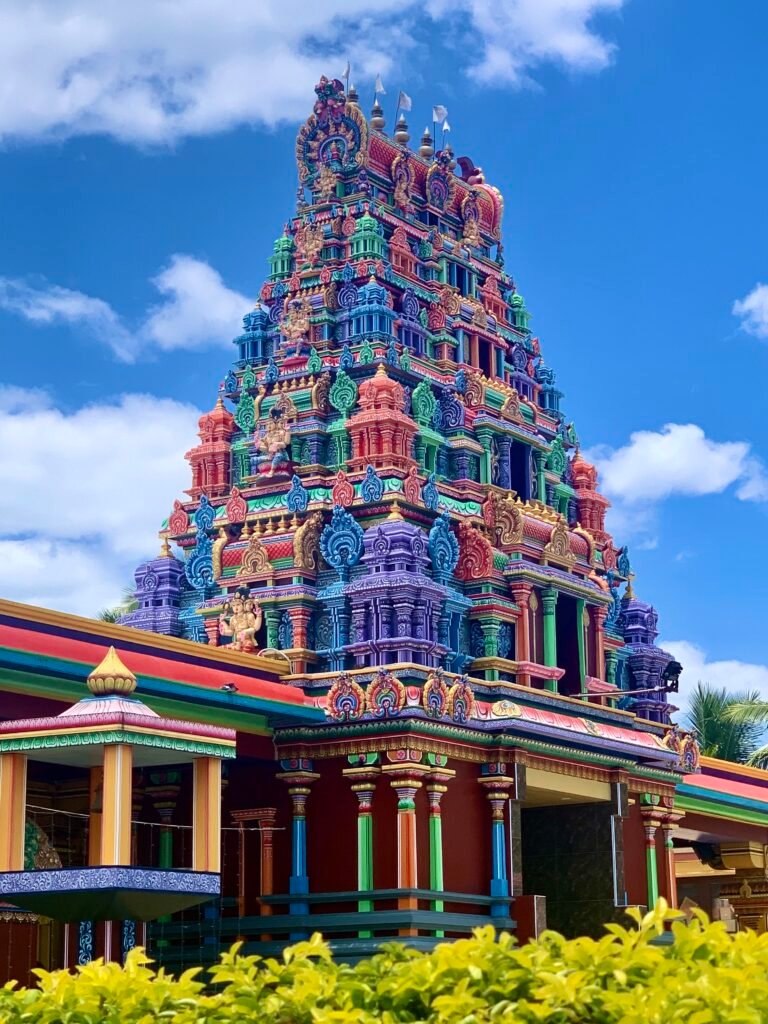
Fiji is a South Pacific archipelago of more than 300 islands, roughly a third of them inhabited, built on a cultural mix of Indigenous Melanesian and Polynesian heritage and a large population descended from Indian indentured laborers brought by British colonizers in the late nineteenth century. That mix is on vivid display in Nadi, where
Fiji: Geography, History, Government and Key Facts Read More »
Fiji is a South Pacific archipelago blending Indigenous Melanesian-Polynesian and Indo-Fijian heritage.
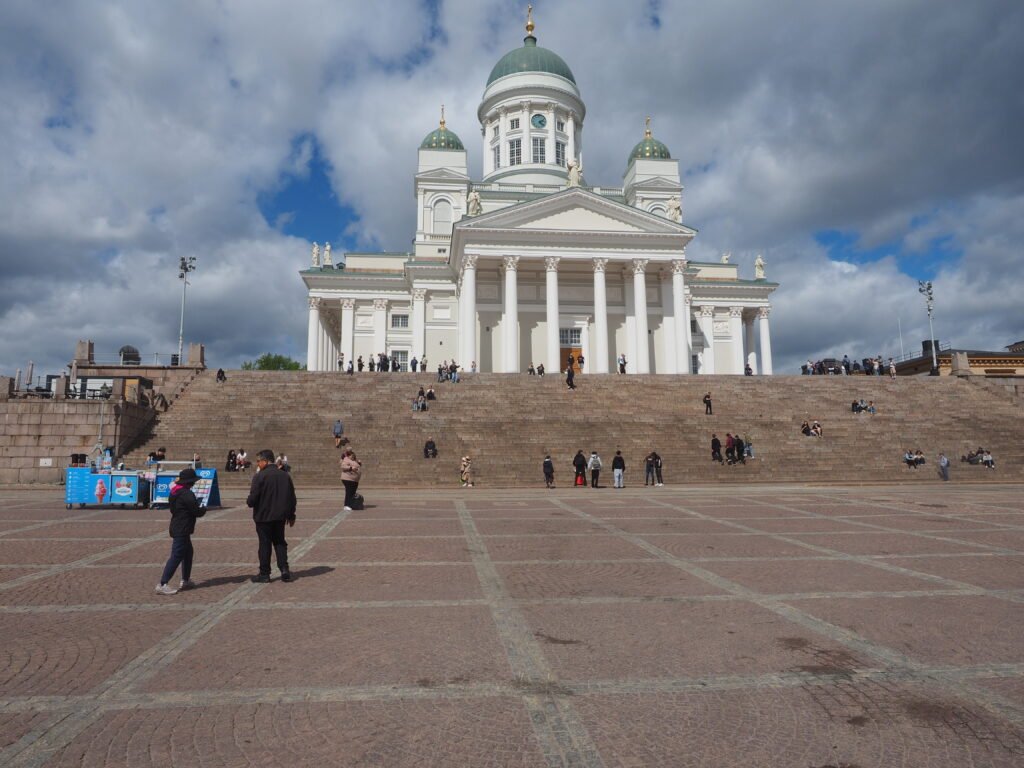
Finland is a Nordic country in Northern Europe known for its tens of thousands of lakes, extensive forests, and a distinctive neoclassical skyline in its capital, Helsinki, where the white-domed Helsinki Cathedral overlooks Senate Square as the city’s most recognizable landmark. Where Is Finland Located? Finland lies in Northern Europe, bordered by Sweden to the
Finland: Geography, History, Government and Key Facts Read More »
Finland is a Nordic nation of tens of thousands of lakes, known for its education system, design, and Helsinki's neoclassical cathedral.
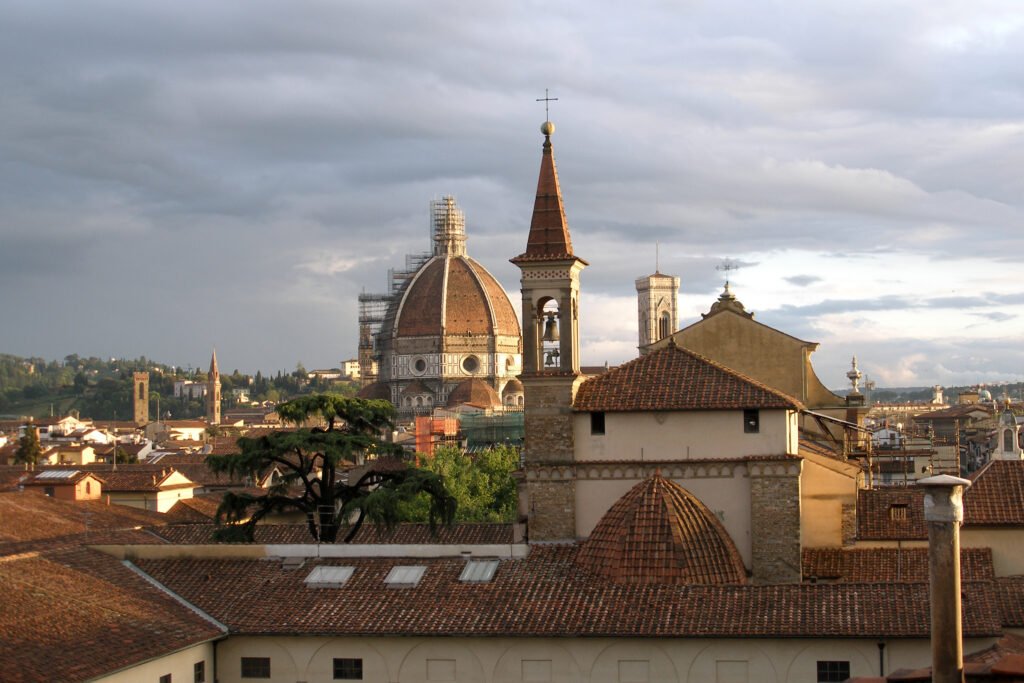
Florence is a city in the Tuscany region of central Italy, built along the Arno River. It rose from a Roman military colony into the city where the Renaissance began, and its historic center still holds one of the densest concentrations of Renaissance art and architecture anywhere in the world. Where Is Florence Located? Florence
Florence: Birthplace of the Renaissance Read More »
Florence is a city in Tuscany, Italy, on the Arno River, widely regarded as the birthplace of the Renaissance.
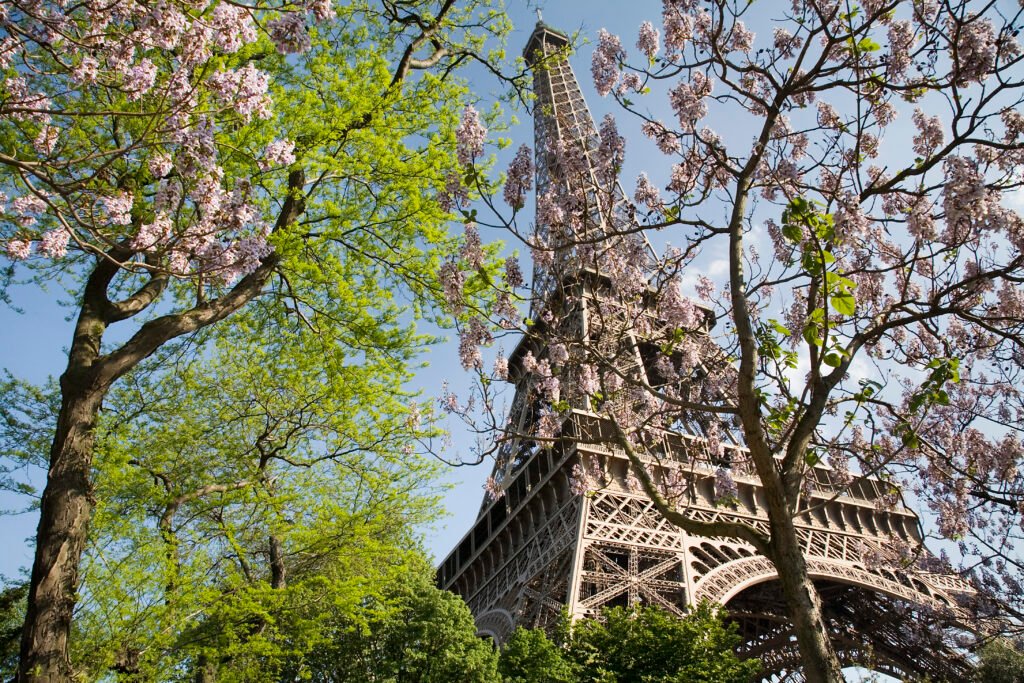
France is a Western European nation whose capital, Paris, is home to the Eiffel Tower, arguably the single most recognizable structure in the world and the enduring symbol of the country itself. Beyond Paris, France ranges from Atlantic and Mediterranean coastlines to the Alps and Pyrenees, and its language, cuisine, and art have shaped global
France: Geography, History, Government and Key Facts Read More »
France is a major Western European power whose capital, Paris, is home to the Eiffel Tower.
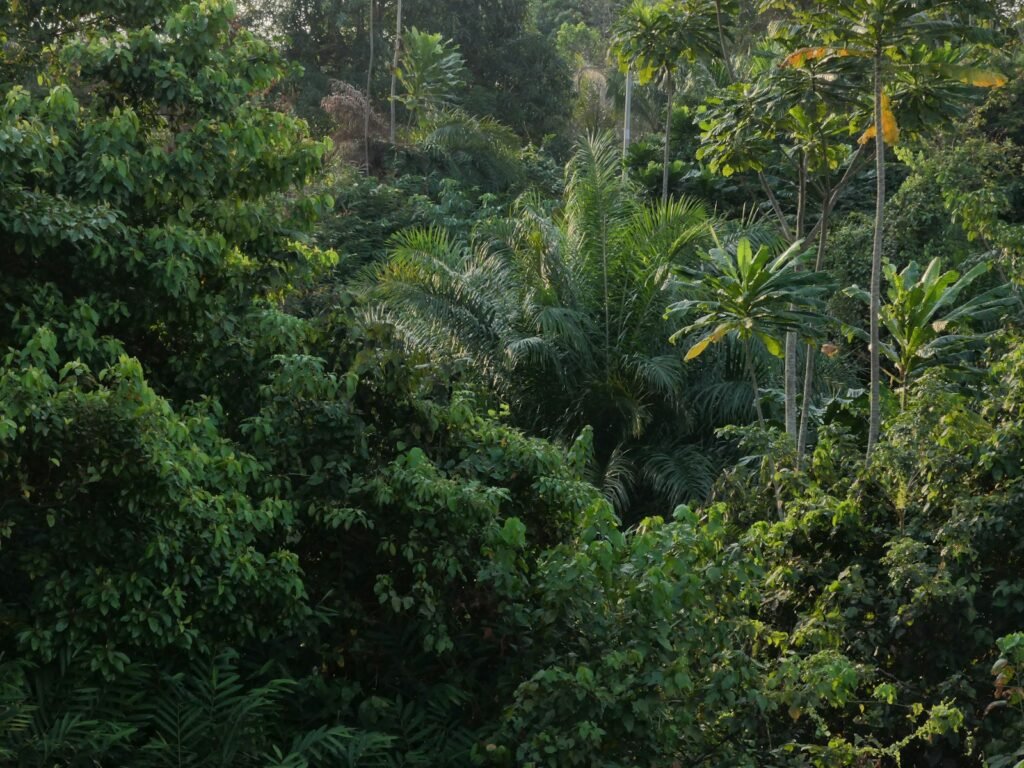
Gabon is a rainforest-covered nation on Central Africa’s Atlantic coast, straddling the equator between Cameroon, Equatorial Guinea, and the Republic of the Congo. Sparsely populated relative to its land area, it is known internationally for its dense biodiversity, its oil-dependent economy, and a 2023 military coup that ended 56 years of rule by the Bongo
Gabon: Geography, History, Government and Key Facts Read More »
Gabon is a rainforest-covered Central African nation on the equator, known for its biodiversity and a 2023 military coup that ended Bongo family rule.
What and Where Is Geneva? Geneva is Switzerland‘s second-largest city and the capital of the Canton of Geneva, sitting at the southwestern tip of Lake Geneva at the point where the Rhone River flows out toward France. It is the principal city of Romandy, the French-speaking part of Switzerland, and lies closer to Paris and
Geneva: Switzerland’s Diplomatic Hub Read More »
Geneva is a Swiss city on Lake Geneva that serves as a major global center for international diplomacy, finance, and humanitarian organizations.