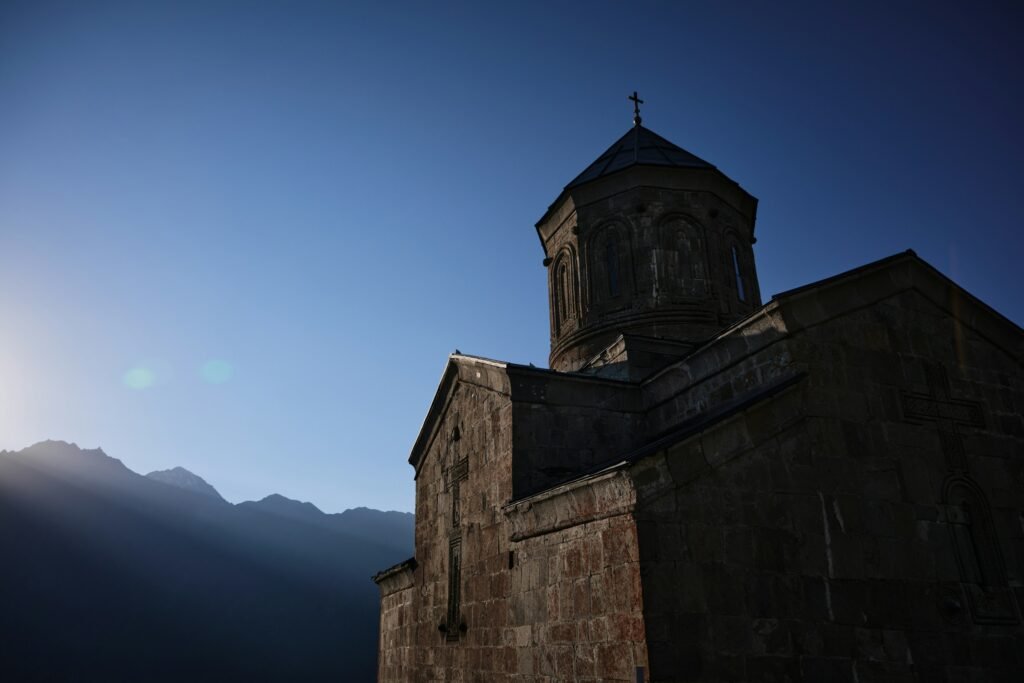
Georgia is a small nation in the South Caucasus, wedged between the Black Sea and the Greater Caucasus Mountains, where Eastern Europe meets Western Asia. Its capital, Tbilisi, sits on the Mtkvari River, but the country’s single most recognized image is Gergeti Trinity Church, a fourteenth century stone church set beneath the glaciated summit of
Georgia: Geography, History, Government and Key Facts Read More »
Georgia is a South Caucasus nation between the Black Sea and Russia, known for ancient Christian heritage and one of the world's oldest wine traditions.
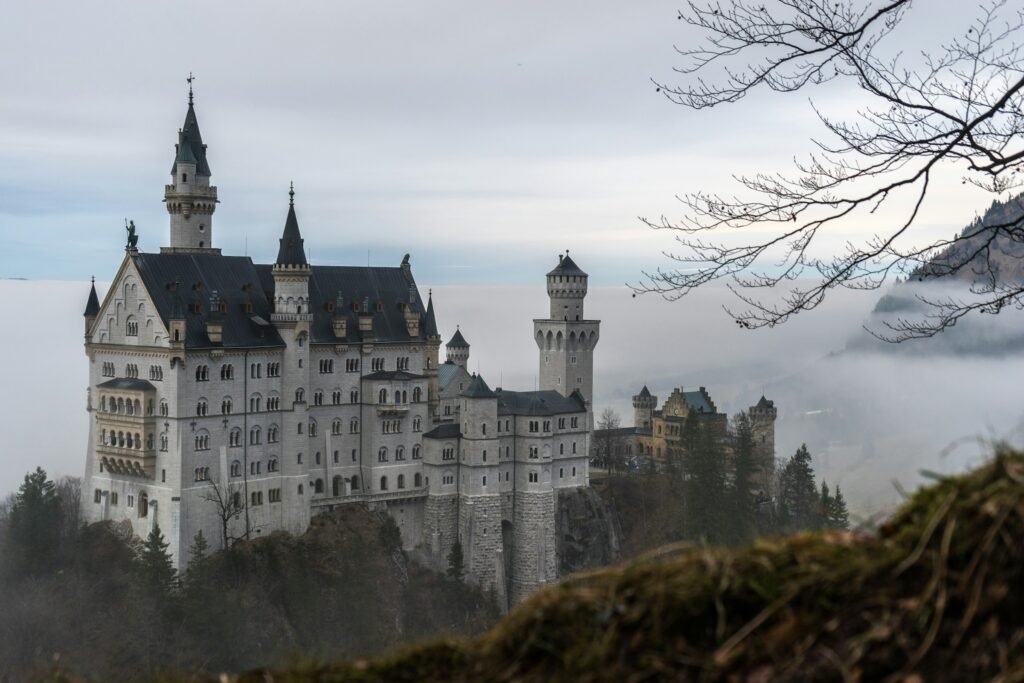
Germany is Central Europe’s most populous country and its largest economy, a federal republic whose 1990 reunification ended more than four decades of Cold War division. Its capital, Berlin, still carries the physical and symbolic marks of that division, but the country’s single most recognized image is Neuschwanstein Castle, the nineteenth century Bavarian palace whose
Germany: Geography, History, Government and Key Facts Read More »
Germany is Central Europe's largest economy and most populous nation, reunified in 1990 after four decades of Cold War division.
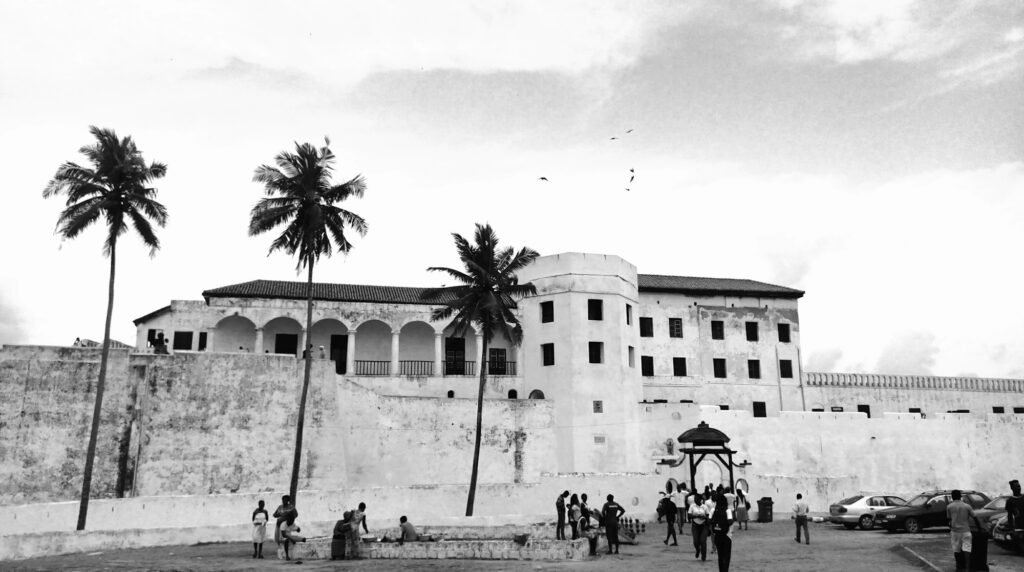
Ghana is a West African country on the Gulf of Guinea, bordered by Cote d’Ivoire, Burkina Faso, and Togo. Formerly the British colony of the Gold Coast, it became independent in 1957, the first country in sub-Saharan Africa to break from European colonial rule, and its capital, Accra, sits on the Atlantic coast.1 Geography Ghana
Ghana: Geography, History, Government and Key Facts Read More »
Ghana is a West African nation and the first sub-Saharan African country to gain independence, known for its UNESCO-listed coastal forts and kente cloth.
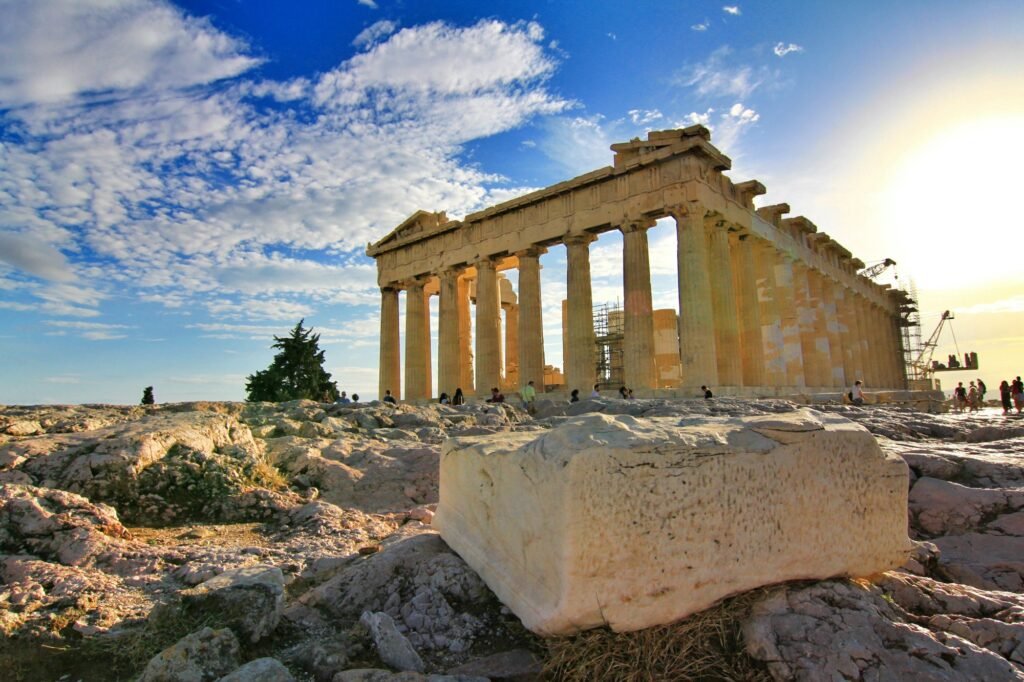
Greece is the southernmost country of the Balkan Peninsula in southeastern Europe, a nation whose Classical Athenian civilization laid foundations for Western philosophy, democracy, and science that are still felt worldwide. Its capital, Athens, is home to the Acropolis and the Parthenon, the temple that remains the single most recognizable symbol of ancient Greek achievement.1
Greece: Geography, History, Government and Key Facts Read More »
Greece is the birthplace of Western democracy and philosophy, home to the Acropolis and the ancient and modern Olympic Games.
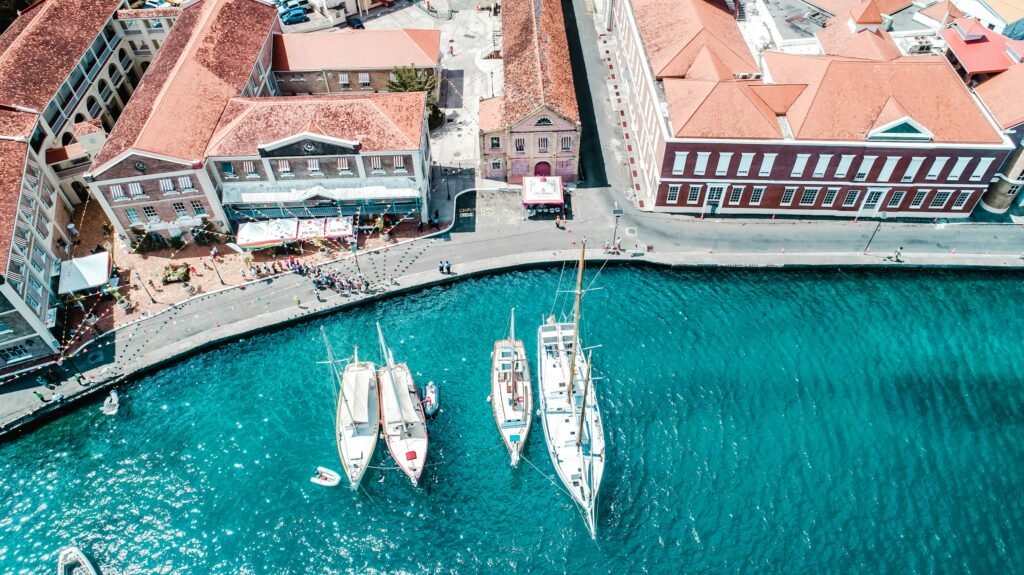
Grenada is a small island nation in the southeastern Caribbean best known as the “Spice Isle,” the world’s second-largest producer of nutmeg after Indonesia. Its capital, St. George’s, wraps around a horseshoe-shaped harbor called the Carenage, overlooked by the eighteenth-century Fort George, one of the most photographed views in the Eastern Caribbean. Beyond its spice
Grenada: Geography, History, Government and Key Facts Read More »
Grenada is a small Eastern Caribbean island nation known as the Spice Isle for its nutmeg production and its 1979-1983 political upheaval.
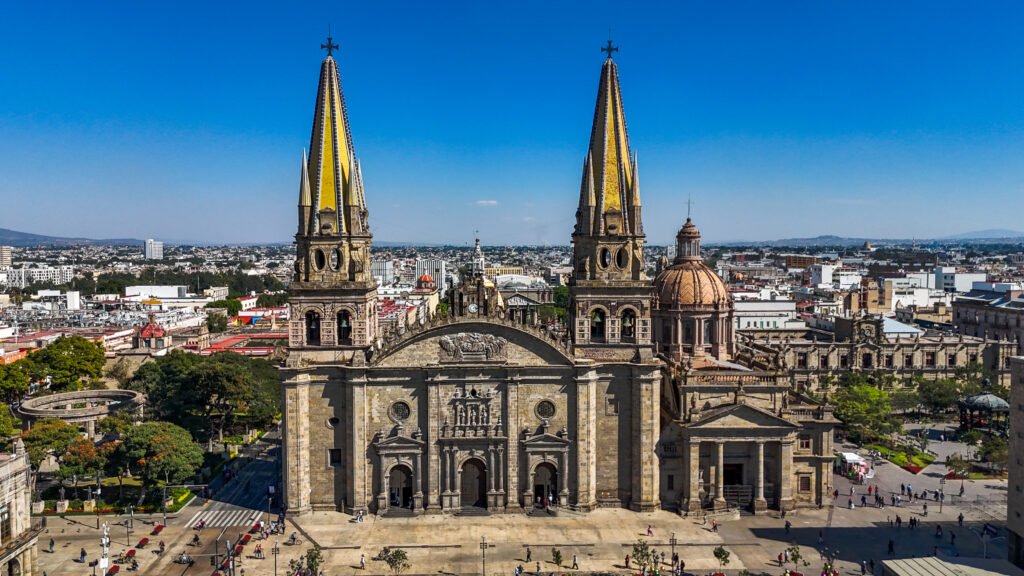
Guadalajara is the capital of the Mexican state of Jalisco and one of the country’s largest cities. Founded by Spanish colonists in the 16th century, it is widely regarded as the birthplace of mariachi music and is home to two distinct UNESCO-recognized landmarks within its historic center. Where Is Guadalajara Located? Guadalajara sits on a
Guadalajara: Jalisco’s Cultural Capital Read More »
Guadalajara is the capital of the Mexican state of Jalisco, founded in 1542 and home to the UNESCO-listed Hospicio Cabanas.
What and Where Guangzhou Is Guangzhou is the capital of Guangdong province in southern China, built along the Pearl River near the South China Sea coast, upstream from Hong Kong and Macao. It covers about 7,434 square kilometers and is home to roughly 19.1 million permanent residents, making it one of the largest cities in
Guangzhou: China’s Southern Trade Hub Read More »
Guangzhou is the Pearl River port city and Guangdong provincial capital that has anchored China's foreign trade for more than two thousand years.
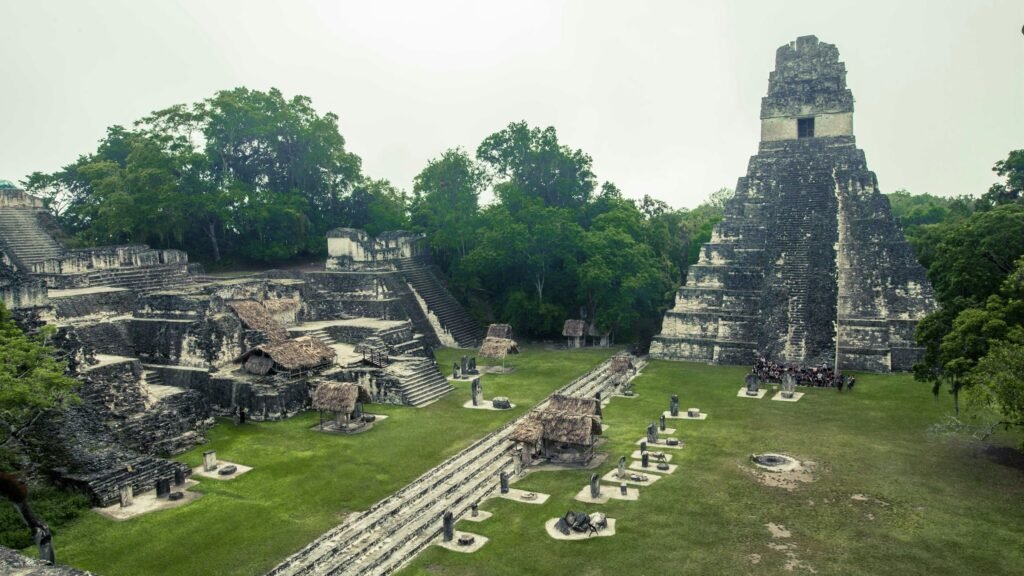
Guatemala is the most populous country in Central America and home to more Indigenous Maya people than any other nation in the region. Its ancient city of Tikal, whose stepped stone pyramids rise above the rainforest canopy of the Peten lowlands, is one of the most recognized archaeological sites in the Western Hemisphere and the
Guatemala: Geography, History, Government and Key Facts Read More »
Guatemala is Central America's most populous country, home to the Maya ruins of Tikal and a history shaped by a 36-year civil war.
Guinea-Bissau is a small country on the Atlantic coast of West Africa, bordered by Senegal to the north and Guinea to the south and east. Its capital, Bissau, sits on an estuary of the Geba River, and the country’s territory extends offshore into a low-lying archipelago of dozens of islands. Guinea-Bissau is a former Portuguese
Guinea-Bissau: Geography, History, Government and Key Facts Read More »
Guinea-Bissau is a small West African nation whose offshore Bijagos Archipelago was inscribed as a UNESCO World Heritage Site in 2025.
Guinea is a country on the Atlantic coast of West Africa, bordered by Guinea-Bissau and Senegal to the north, Mali to the northeast, Cote d’Ivoire to the southeast, and Liberia and Sierra Leone to the south. Its capital, Conakry, sits on a peninsula reaching into the Atlantic. Geographers often note that three of West Africa’s
Guinea: Geography, History, Government and Key Facts Read More »
Guinea is a West African nation on the Atlantic coast, source of the Niger, Gambia, and Senegal rivers, currently under transitional military rule.