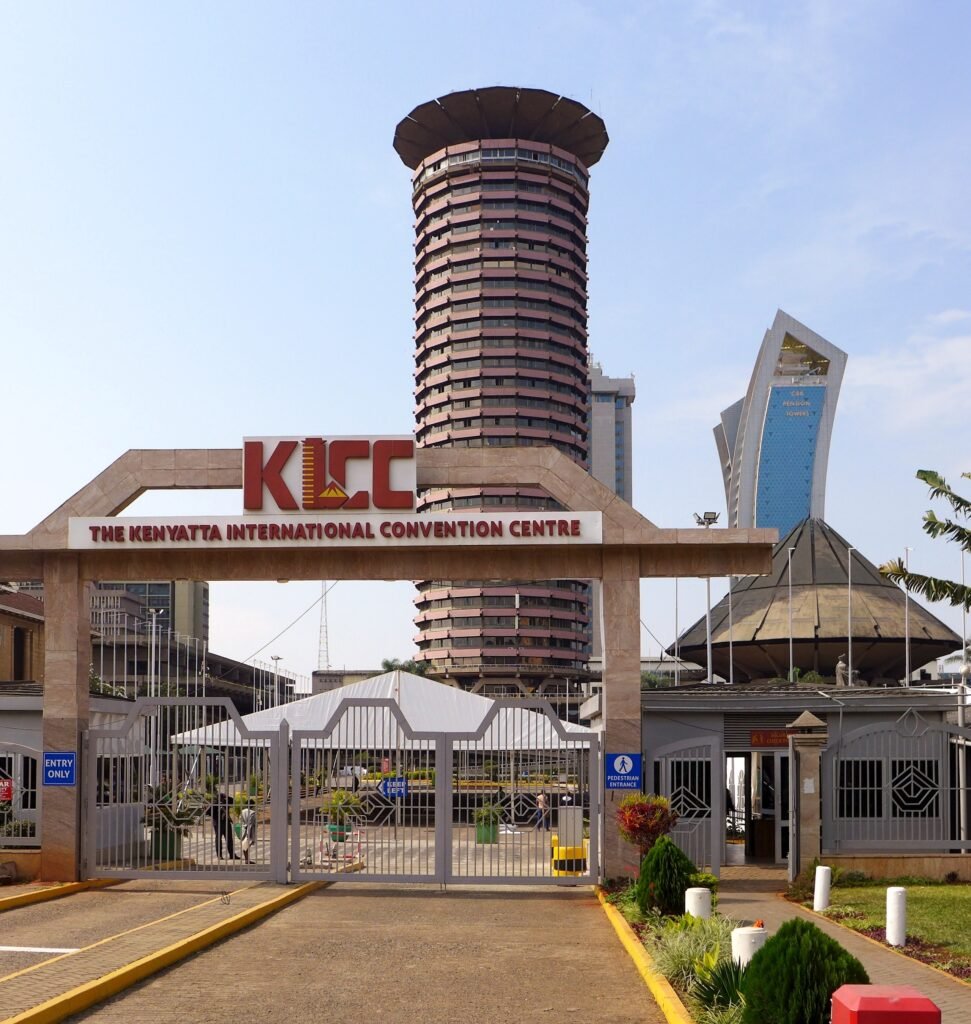
Nairobi is the capital and largest city of Kenya, built on a highland plateau in the country’s south-central interior. Founded in 1899 as a railway depot, Nairobi grew within a few decades into the administrative center of British East Africa and, after Kenyan independence in 1963, the national capital, and it is now East Africa’s
Nairobi: History, the KICC and Key Facts About Kenya’s Capital Read More »
Nairobi is Kenya's capital, a highland city founded in 1899 that borders a national park with free-roaming wildlife.
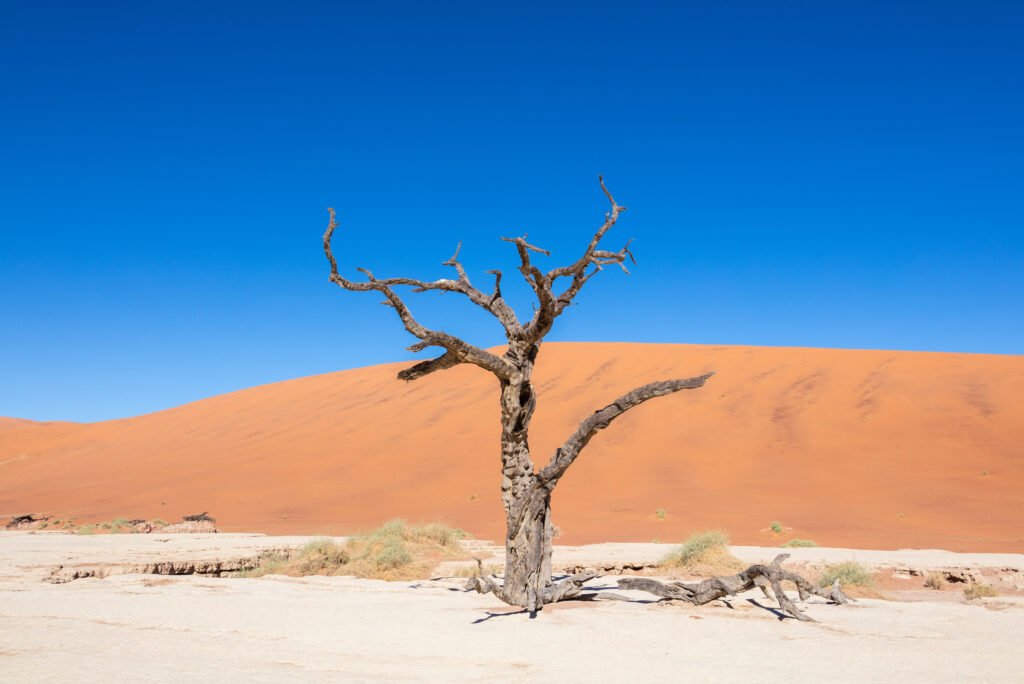
Namibia is a country on the southwest coast of Africa, bordered by the Atlantic Ocean to the west, Angola and Zambia to the north, Botswana to the east, and South Africa to the south. With a population of just over 3.1 million people spread across about 824,290 square kilometers, according to the World Bank, it
Namibia: Geography, History, Culture and Key Facts Read More »
Namibia is a sparsely populated southwest African country defined by the ancient Namib Desert and the iconic dunes of Deadvlei.
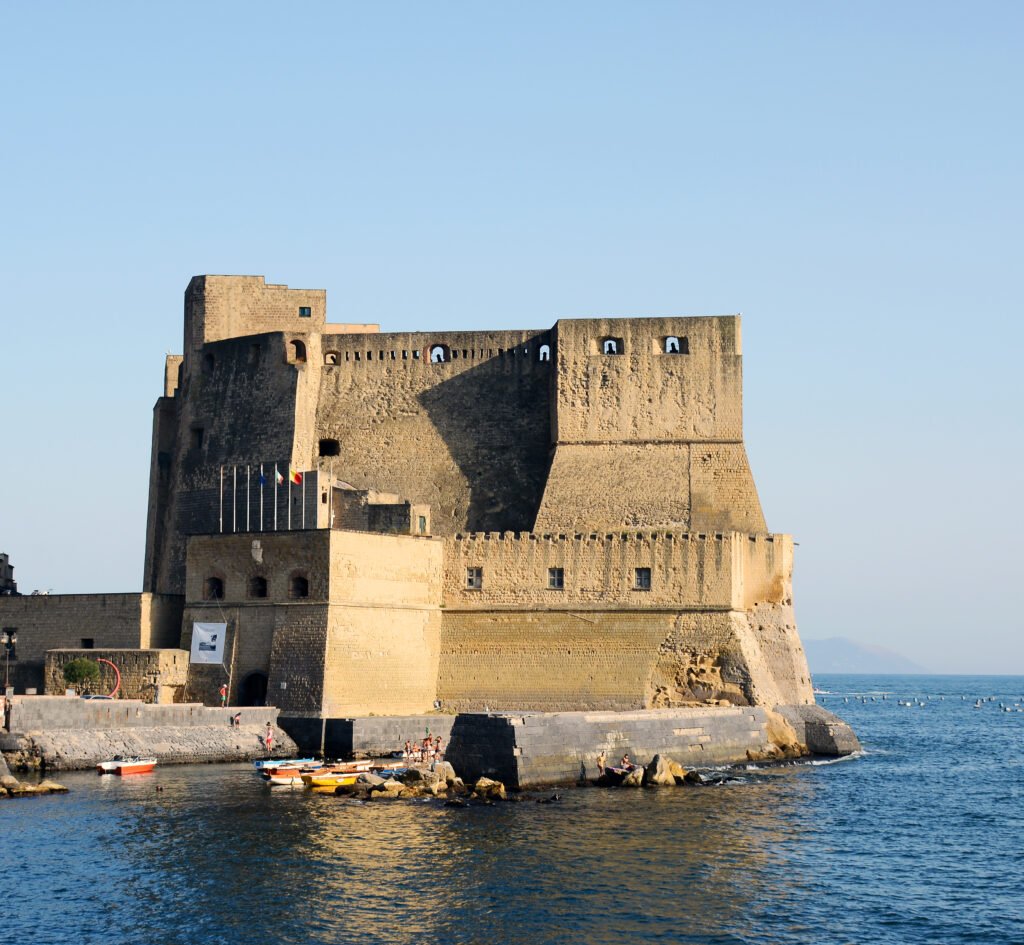
Naples is a port city in southern Italy on the Bay of Naples, overlooked by the active volcano Mount Vesuvius. One of the oldest continuously inhabited urban areas in Western Europe, it has been a Greek colony, a Roman city, and the capital of its own kingdom, and it is widely credited as the birthplace
Naples: Italy’s Ancient Bay City Beneath Vesuvius Read More »
Naples is a port city in southern Italy on the Bay of Naples, founded by Greek colonists and overlooked by Mount Vesuvius.
Nauru is a single-island country in the western Pacific Ocean, one of the smallest sovereign states on Earth at just 21 square kilometers. In June 2026 it formally notified the United Nations of a name change, becoming the Republic of Naoero, though “Nauru” remains the name most widely known internationally and is used throughout this
Nauru: Geography, History, Culture and Key Facts Read More »
Nauru, officially the Republic of Naoero since June 2026, is a tiny raised-coral island country in Micronesia, one of the world's smallest sovereign states.
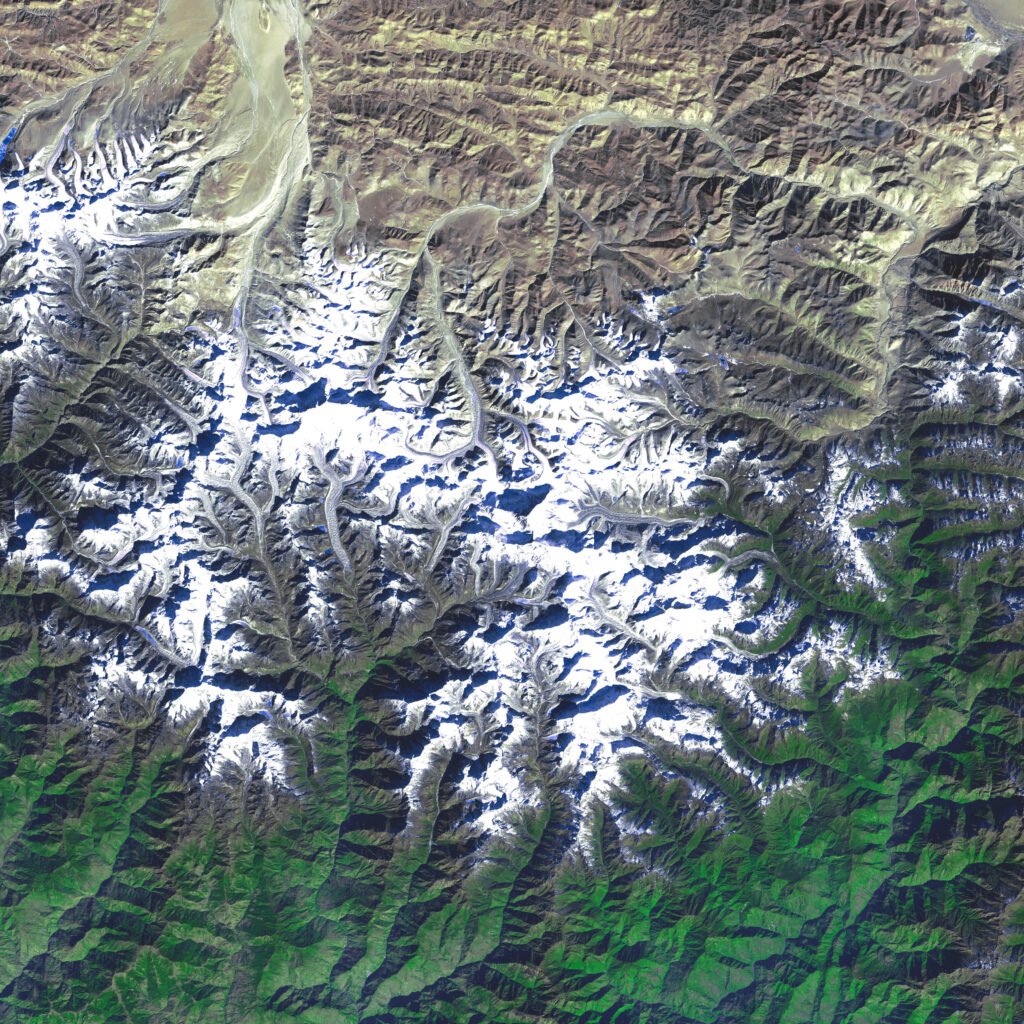
Nepal is a landlocked country in South Asia, wedged between India and China along the southern slope of the Himalayas. It covers about 147,516 square kilometers and is best known globally as home to Mount Everest, the world’s highest peak, and Lumbini, the traditional birthplace of the Buddha. Its capital and largest city is Kathmandu.
Nepal: Geography, History, Culture and Key Facts Read More »
Nepal is a landlocked South Asian country between India and China, home to Mount Everest and the Buddha's birthplace, Lumbini.
The Netherlands is a small, densely populated country in northwestern Europe, on the North Sea coast between Germany and Belgium. It is the largest of the four constituent countries of the Kingdom of the Netherlands, a parliamentary constitutional monarchy whose flat, partly reclaimed landscape of polders, dikes and canals has made it one of the
Netherlands: Geography, History, Culture and Key Facts Read More »
The Netherlands is a northwestern European country on the North Sea, bordered by Germany and Belgium, known for its low-lying, partly reclaimed landscape.
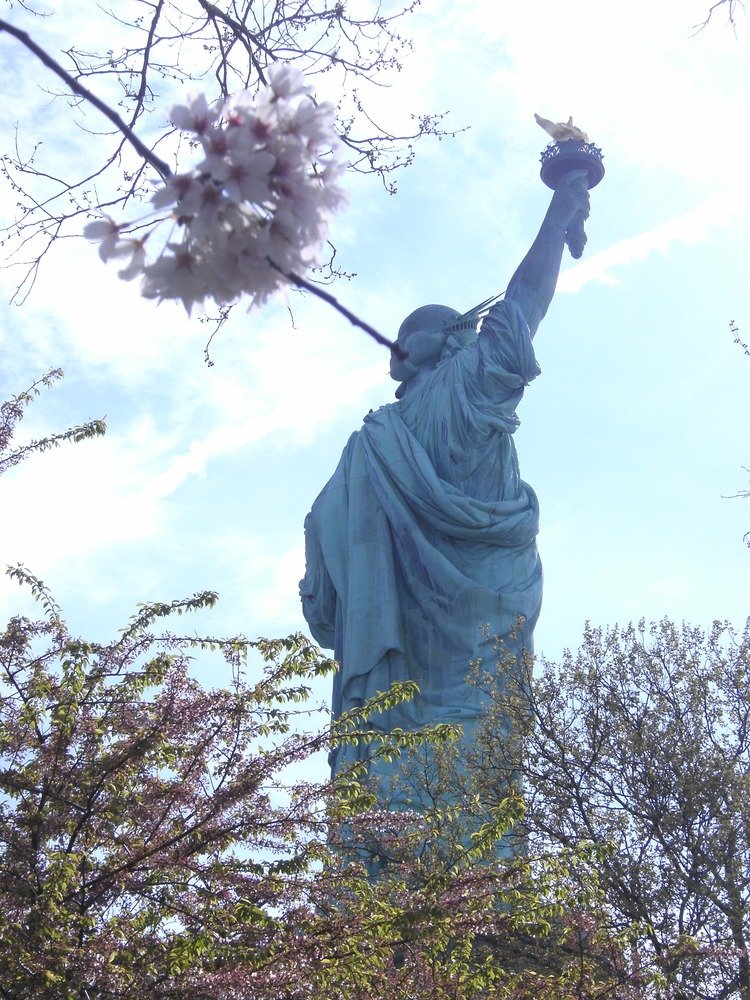
New York City is the largest city in the United States by population, located in the state of New York at the mouth of the Hudson River where it meets New York Harbor and the Atlantic Ocean. The city is made up of five boroughs, Manhattan, Brooklyn, Queens, the Bronx, and Staten Island, each of
New York City: History, Geography, Culture and Key Facts Read More »
New York City is the most populous city in the United States, a five-borough metropolis on New York Harbor known for global finance and culture.
New Zealand is an island country in the southwestern Pacific Ocean, made up of two main landmasses, the North Island and the South Island, along with Stewart Island and roughly 700 smaller offshore islands. Known in Māori as Aotearoa, it lies about 2,000 kilometers southeast of Australia and is one of the most geographically isolated
New Zealand: Geography, History, Culture and Key Facts Read More »
New Zealand is an island country in the southwestern Pacific Ocean, made up of the North Island, South Island and Stewart Island.
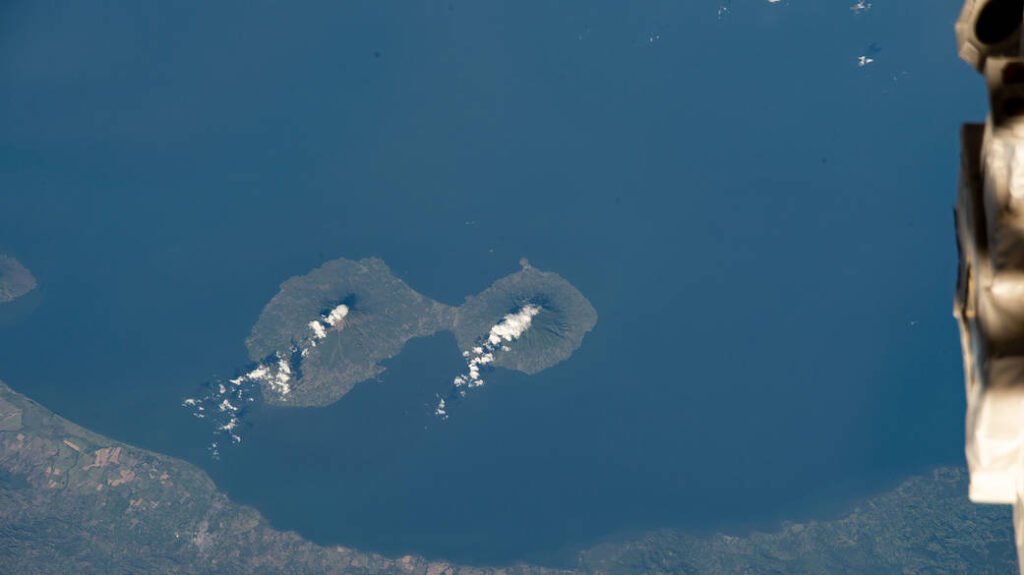
Nicaragua is the largest country in Central America by land area, a republic of roughly seven million people wedged between Honduras to the north and Costa Rica to the south, with coastlines on both the Pacific Ocean and the Caribbean Sea. It is best known for its chain of active volcanoes, its two great lakes,
Nicaragua: Geography, History, Culture and Key Facts Read More »
Nicaragua is a volcanic, lake-studded republic in Central America, the region's largest country by land area, bordered by Honduras and Costa Rica.
Niger is a landlocked country in West Africa, covering roughly 1,267,000 square kilometers of Sahara desert and Sahel scrubland, most of it too dry for farming without irrigation. It borders seven countries, more than almost any other country in the region: Algeria and Libya to the north, Chad to the east, Nigeria and Benin to
Niger: Geography, History, Culture and Key Facts Read More »
Niger is a landlocked Sahara-Sahel country in West Africa, home to about 27.9 million people and centered on the Niger River city of Niamey.