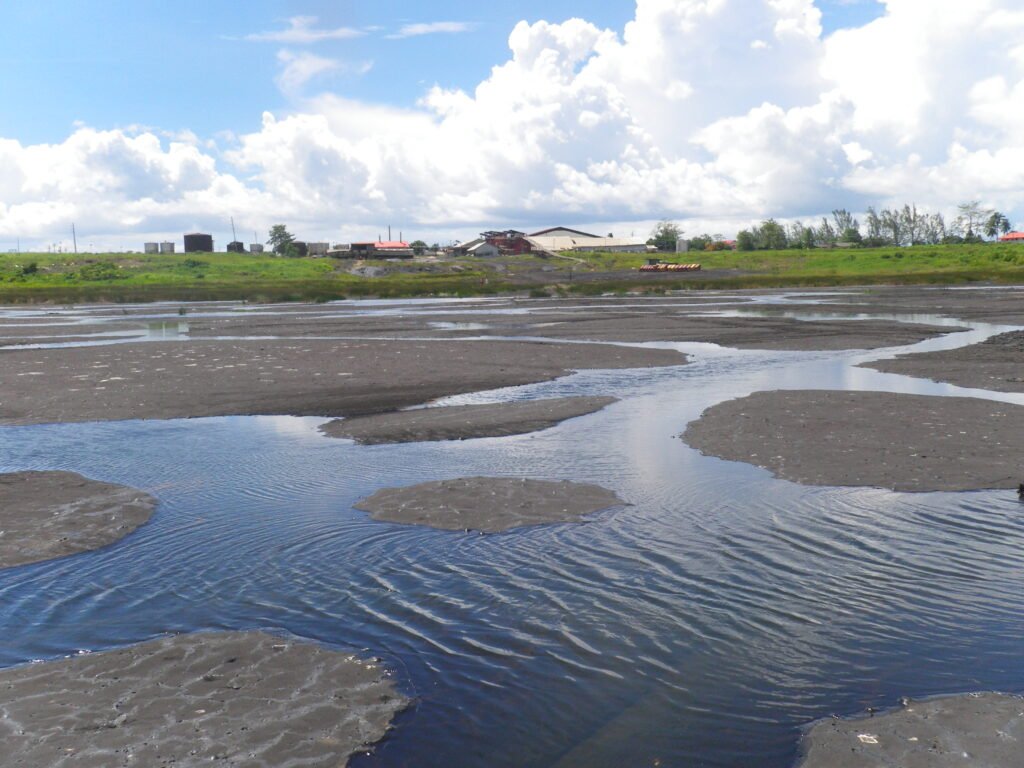
Trinidad and Tobago is a twin-island republic off the northeastern coast of South America, the southernmost nation in the Caribbean. Built on one of the region’s longest-running oil and natural gas industries, it is also known worldwide as the birthplace of steelpan music and one of the Caribbean’s largest Carnival celebrations. Where Is Trinidad and
Trinidad and Tobago: Geography, History, Government and Key Facts Read More »
Trinidad and Tobago is a twin-island Caribbean republic near Venezuela, built on oil and gas wealth and the birthplace of steelpan music.
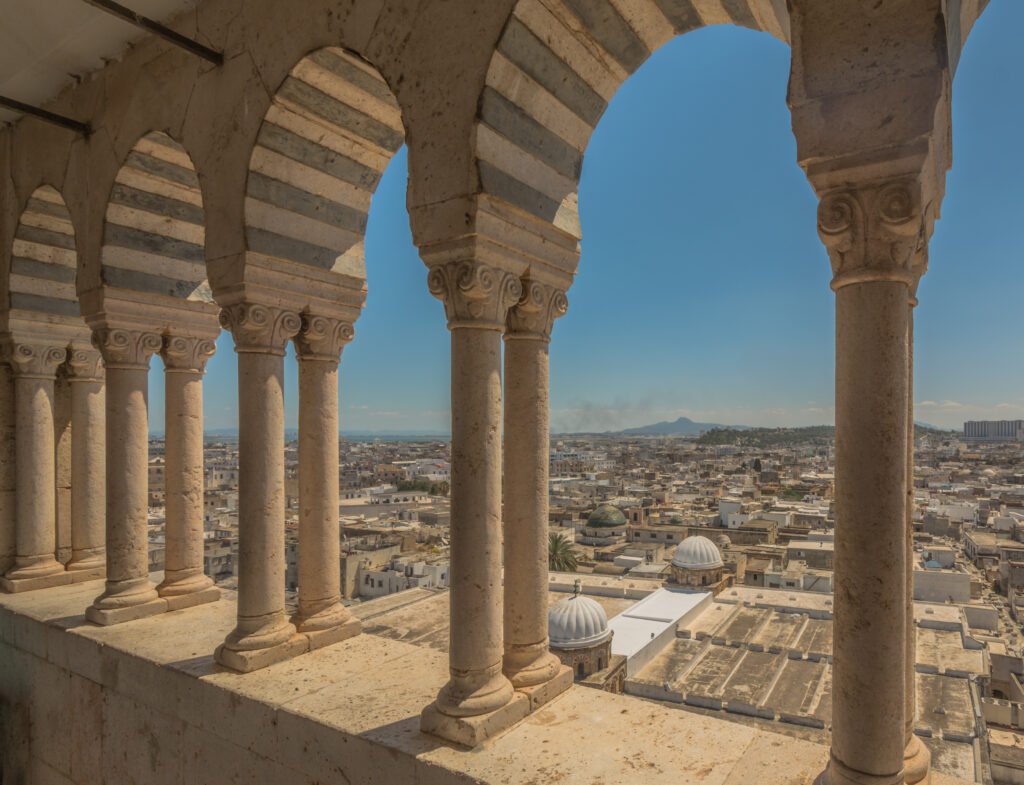
Tunis is the capital and largest city of Tunisia, built along the northern Mediterranean coast of North Africa. The city sits on the western shore of the Lake of Tunis, a shallow lagoon connected to the Gulf of Tunis and, beyond it, the Mediterranean Sea, with a dredged channel allowing ships to reach the modern
Tunis: History, the Medina and Key Facts About Tunisia’s Capital Read More »
Tunis is Tunisia's capital and largest city, a Mediterranean port built around a UNESCO-listed medina and the historic Zitouna Mosque.
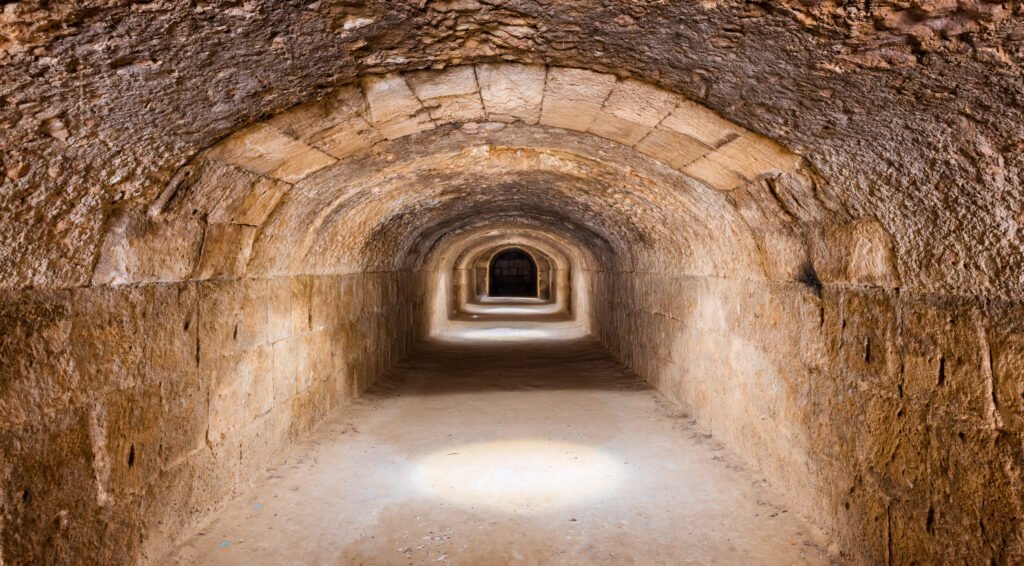
Tunisia is a North African country on the Mediterranean coast, the site of ancient Carthage and the starting point of the wave of uprisings known as the Arab Spring. Its compact size belies a history stretching from Phoenician and Roman antiquity through Arab and Ottoman rule to French colonization and, in the twenty-first century, a
Tunisia: Geography, History, Government and Key Facts Read More »
Tunisia is a North African Mediterranean nation, home to ancient Carthage and the birthplace of the Arab Spring.
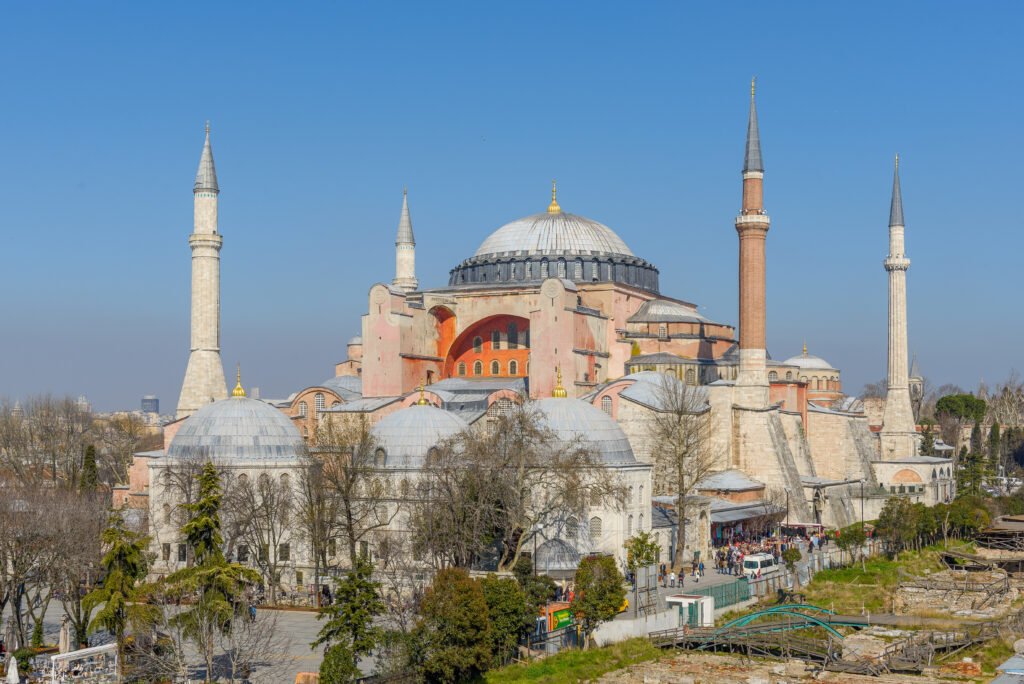
Turkey is a transcontinental country that stretches across the southeastern edge of Europe and the western edge of Asia, with the Bosporus and Dardanelles straits marking the boundary between the two continents. Bordered by the Black Sea to the north, the Aegean and Mediterranean Seas to the west and south, and eight countries across Europe,
Turkey: Geography, History, Culture and Key Facts Read More »
Turkey is a transcontinental country spanning Southeast Europe and Southwest Asia, bridging the Balkans, the Caucasus, and the Middle East.
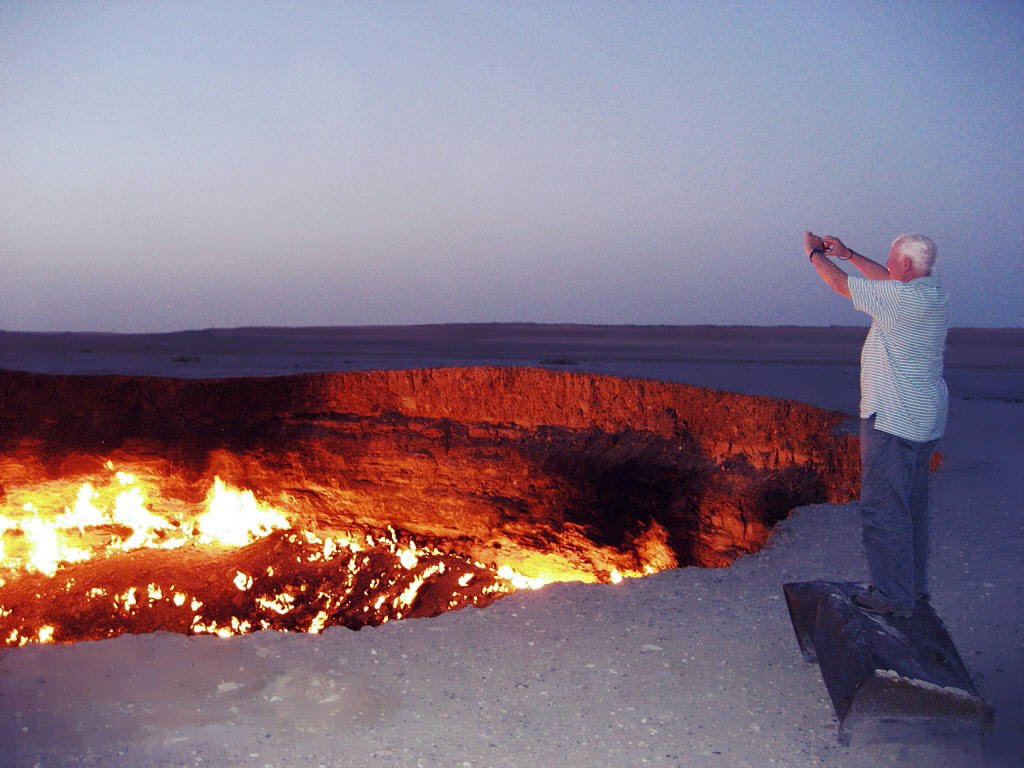
Turkmenistan is a landlocked country in Central Asia, bordered by the Caspian Sea to the west, Kazakhstan and Uzbekistan to the north and east, Afghanistan to the southeast, and Iran to the south. Much of its territory lies within the Karakum Desert, and the country is best known internationally for its vast natural gas reserves
Turkmenistan: Geography, History, Culture and Key Facts Read More »
Turkmenistan is a landlocked, desert dominated Central Asian country holding the world's fourth largest natural gas reserves.
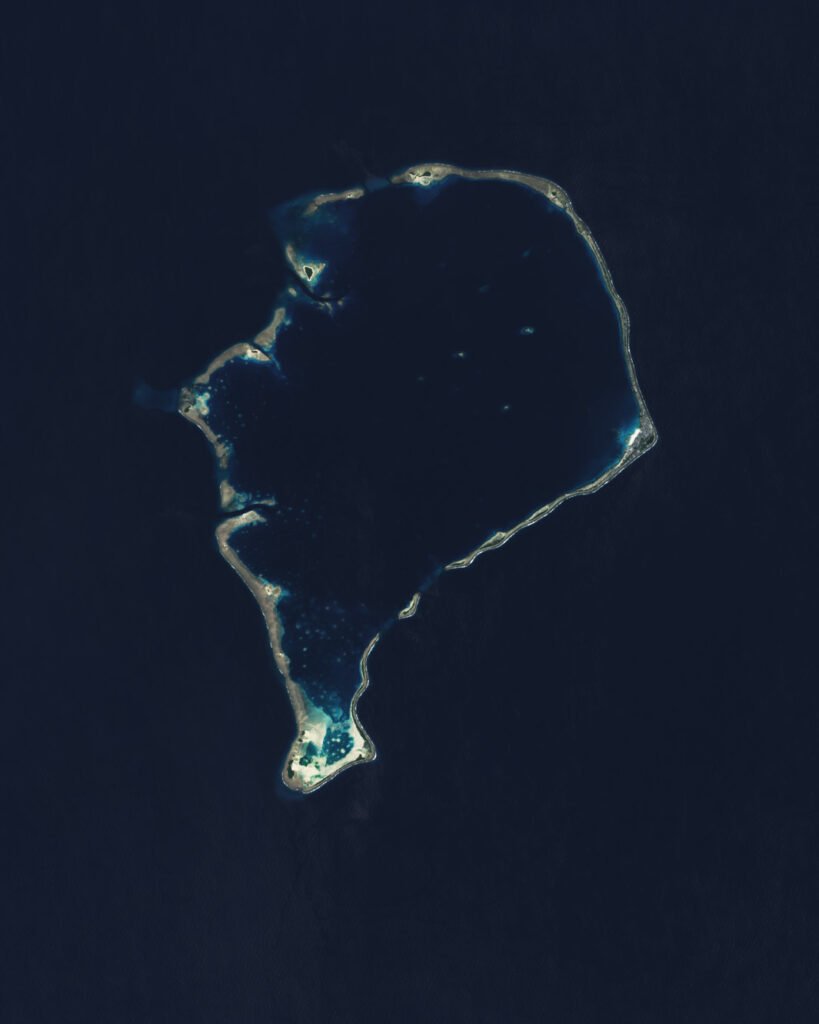
Tuvalu is a Polynesian island nation in the central Pacific Ocean, made up of nine coral atolls and islands with a combined land area of roughly 26 square kilometers, about 3 percent of the land area of New York City.[1] With a mean elevation of only about 2 meters above sea level, it is one
Tuvalu: Geography, History, Culture and Key Facts Read More »
Tuvalu is a nine island Polynesian nation in the central Pacific, among the lowest lying and most climate vulnerable countries on Earth.
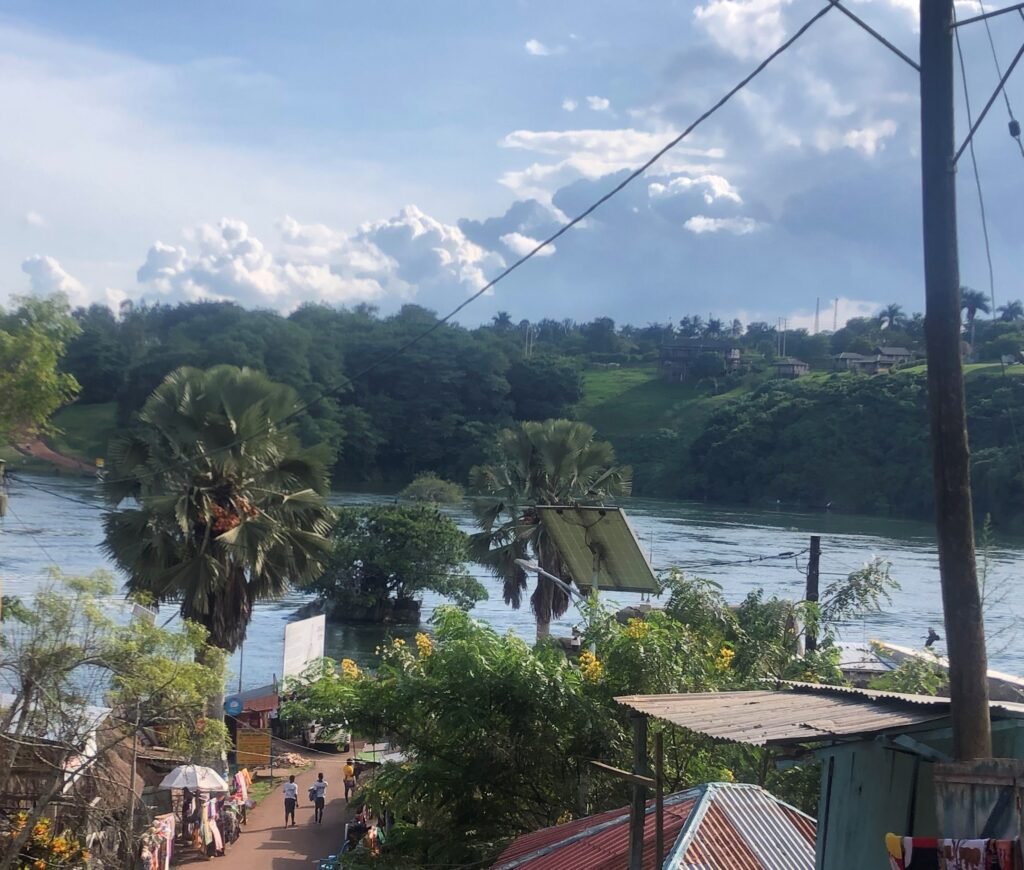
Uganda is a landlocked country in East Africa, known as the Pearl of Africa for its lakes, forests, and mountain gorillas, and historically famous as the site where the source of the White Nile was identified by nineteenth century European explorers. The equator crosses the country just south of the capital, Kampala, and much of
Uganda: Geography, History, Culture and Key Facts Read More »
Uganda is a landlocked East African country known as the Pearl of Africa, home to the source of the Nile and the mountain gorilla.
Ukraine is a large country in Eastern Europe, bordered by the Black Sea to the south and seven neighboring states, long known for its fertile agricultural land, its historic capital Kyiv, and, since February 2022, for resisting a full scale Russian invasion that has reshaped European security and caused enormous human and economic loss. Where
Ukraine: Geography, History, Culture and Key Facts Read More »
Ukraine is the largest country entirely within Europe, historically an agricultural powerhouse, and since 2022 engaged in resisting a full scale Russian invasion.
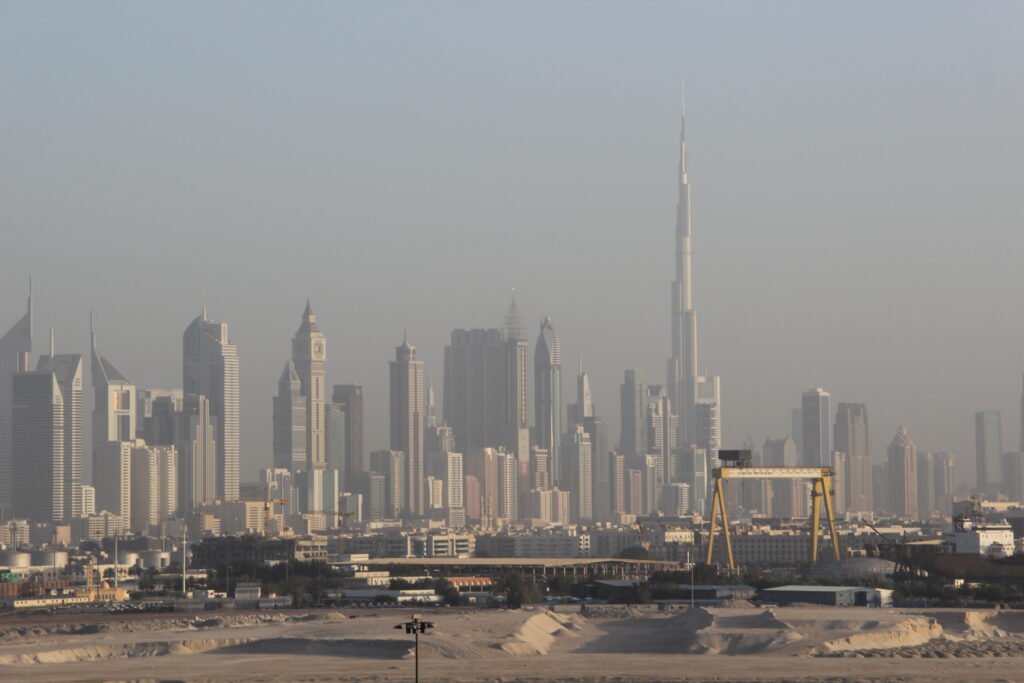
The United Arab Emirates is a federation of seven emirates on the Arabian Peninsula, known for transforming in little more than two generations from a region of pearling and fishing settlements into one of the world’s leading centers for oil wealth, aviation, trade, and tourism, symbolized today by Dubai’s Burj Khalifa, the tallest building on
United Arab Emirates: Geography, History, Culture and Key Facts Read More »
The United Arab Emirates is a federation of seven Arabian Peninsula emirates, home to Dubai's Burj Khalifa, the tallest building in the world.
The United Kingdom of Great Britain and Northern Ireland is an island nation off the northwestern coast of Europe, formed from the union of England, Scotland, Wales, and Northern Ireland. A former global empire and the birthplace of the Industrial Revolution and parliamentary democracy, it remains one of the world’s largest economies and is instantly
United Kingdom: Geography, History, Culture and Key Facts Read More »
The United Kingdom is an island nation uniting England, Scotland, Wales, and Northern Ireland, instantly recognized abroad through landmarks like Big Ben.