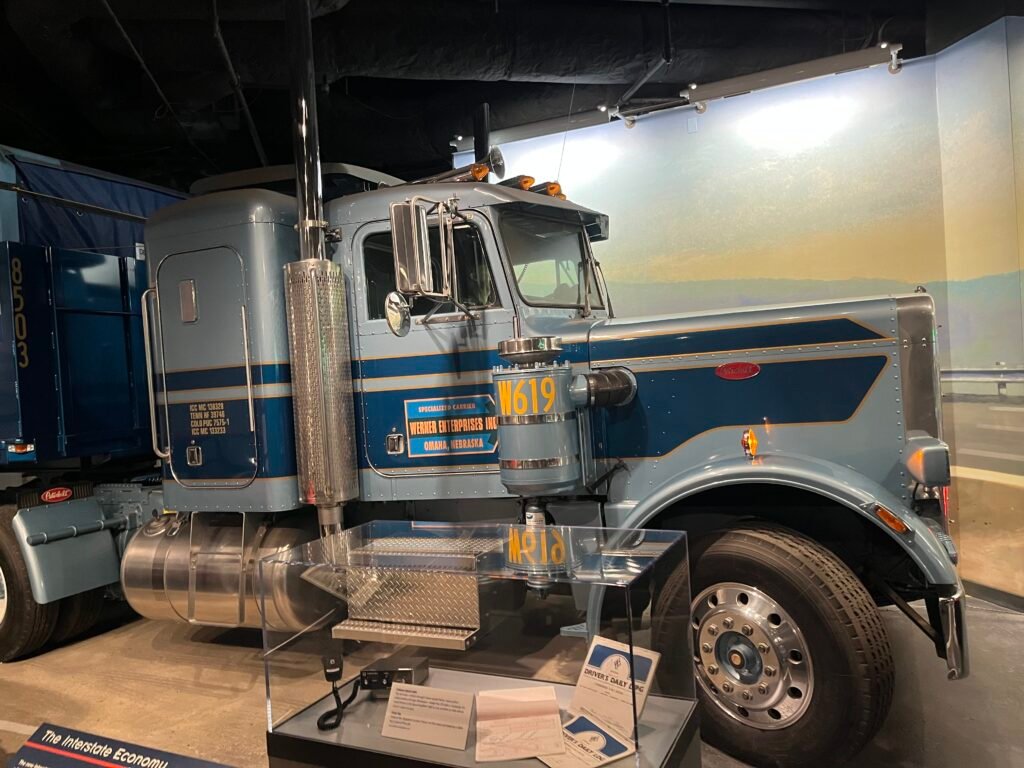
What Freight Transportation Covers
Freight transportation is the movement of physical goods, as opposed to passengers, from a point of origin to a destination using trucks, trains, ships, aircraft, or pipelines. It forms the physical backbone of global trade and domestic commerce, carrying everything from raw materials to finished consumer products.
Transportation Modes
Trucking offers door-to-door flexibility and dominates short- and medium-distance domestic freight. Rail moves bulk and containerized freight efficiently over long distances at lower cost than trucking, though with longer transit times. Ocean shipping carries the vast majority of international trade by volume, especially bulk commodities and containerized goods. Air freight is the fastest but most expensive mode, used for urgent or high-value shipments. Pipelines move liquids and gases such as oil and natural gas continuously over fixed routes.
Mode Selection Factors
Shippers choose a transportation mode based on cost per unit, required transit time, shipment size and weight, product value, and perishability. A high-value, time-sensitive electronics shipment might move by air, while a bulk commodity like coal or grain almost always moves by rail or ship because of the enormous cost advantage at scale.
Freight and the Broader Economy
Freight transportation volume is closely linked to overall economic activity, since nearly every physical good consumed or used in production must be transported at some point. Economists and policymakers track freight volume indices as a leading indicator of economic health, since rising freight activity often signals growing production and consumption.
Freight Rates and Fuel Costs
Freight rates fluctuate based on fuel prices, equipment and driver availability, seasonal demand, and the specific trade lane a shipment travels. Fuel surcharges are commonly added to base freight rates to pass changing fuel costs through to shippers, since fuel represents one of the largest variable expenses for carriers across every transportation mode. Rates on popular trade lanes with abundant capacity tend to be lower than rates on less-traveled routes where trucks or vessels are harder to source.
Infrastructure and Freight Capacity
The capacity of roads, railways, ports, and airports directly constrains how much freight can move efficiently through a given region. Bottlenecks at major ports, congested highway corridors, or rail yards with limited capacity can ripple through supply chains, delaying deliveries and raising costs well beyond the immediate location of the constraint. Governments and private infrastructure operators continuously invest in capacity expansion to keep pace with growing freight volumes.
Technology in Freight Transportation
Modern freight transportation increasingly relies on GPS tracking, electronic logging devices, and digital freight matching platforms to improve visibility and efficiency. Shippers can now track a shipment’s location in near real time across most major transportation modes, a significant improvement over the limited visibility that characterized freight movement just a few decades ago.
Environmental Considerations in Freight
Freight transportation accounts for a significant share of global transportation-related greenhouse gas emissions, with ocean and rail generally producing far less emissions per ton-mile than trucking or air freight. Companies increasingly evaluate the environmental footprint of their transportation choices alongside cost and speed, sometimes shifting volume toward lower-emission modes such as rail where transit time requirements allow it.
Labor and the Freight Industry
The freight transportation industry depends on a large workforce including truck drivers, rail crews, dockworkers, and warehouse staff, and faces persistent challenges attracting and retaining labor in several of these roles, particularly long-haul trucking. Driver shortages in trucking have periodically tightened capacity and raised rates, prompting carriers to invest in driver retention programs and, increasingly, automation research.
Freight Transportation Regulation
Freight transportation is subject to extensive safety and operational regulation covering vehicle weight limits, driver hours of service, equipment maintenance standards, and in international trade, customs and trade compliance requirements. Regulatory agencies in each mode, such as rail safety regulators or maritime authorities, set standards aimed at balancing safety with the practical needs of efficient freight movement.
Peak Season and Freight Capacity Cycles
Freight demand fluctuates predictably around seasonal retail patterns, with capacity tightening sharply ahead of major holiday shopping periods as retailers rush to restock inventory. Carriers and shippers plan months in advance for these peak periods, often locking in contract capacity early to avoid paying premium spot market rates once peak season demand outstrips available trucks, vessels, and aircraft.
Freight Transportation and Global Trade Agreements
International trade agreements that reduce tariffs and simplify customs procedures between countries often lead to measurable increases in freight volume along the trade lanes they affect, since lower regulatory friction makes cross-border shipping more cost-competitive against domestic sourcing alternatives, reshaping established freight flows over time as businesses adjust sourcing decisions.
Autonomous and Alternative Fuel Freight Vehicles
The freight industry is testing autonomous trucks and alternative fuel vehicles, including electric and hydrogen-powered trucks, aiming to address driver shortages and reduce emissions, though widespread adoption faces hurdles including charging or fueling infrastructure, vehicle range, and regulatory approval across different jurisdictions.
Looking Ahead for Freight Transportation
As global trade patterns continue to evolve and e-commerce reshapes delivery expectations, freight transportation is likely to keep investing in digital visibility tools, flexible multimodal routing, and sustainability improvements across every major mode of goods movement.
Ultimately, the choice of freight mode and route remains a continuous balancing act between cost, speed, reliability, and environmental impact, one that shippers revisit regularly as market conditions, fuel prices, and customer expectations shift over time.
Shippers that take a flexible, data-informed approach to mode and carrier selection tend to weather these shifting conditions more successfully than those locked into a single rigid transportation strategy regardless of changing market circumstances.
Key facts
- Array
Quick checkWhat factors determine which freight mode a shipper chooses?Show answer
Cost, transit time, shipment size and weight, and the urgency and value of the goods.
Sources
- Array
Editorially reviewed by Specialty Digest Editorial TeamLast reviewed November 4, 2026Researched and drafted with AI assistanceReport an issue