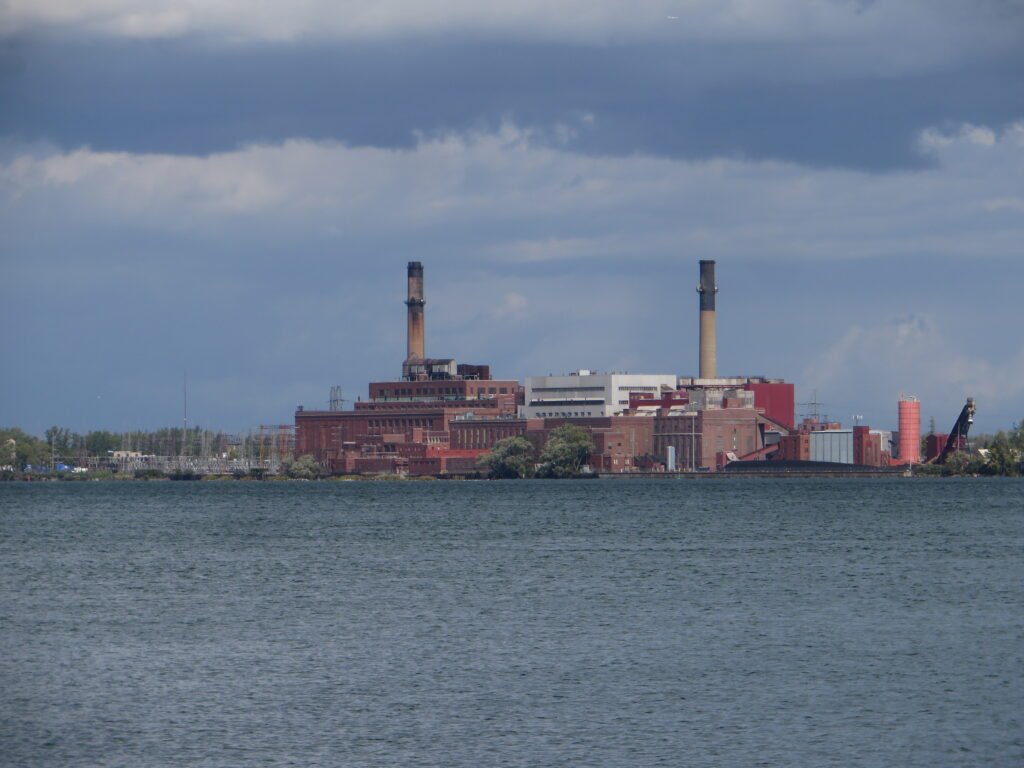
Acid rain refers to precipitation, including rain, snow, sleet, and fog, that has become abnormally acidic due to emissions of sulfur dioxide and nitrogen oxides into the atmosphere. These pollutants react with water, oxygen, and other chemicals to form sulfuric and nitric acids, which then fall to earth, sometimes hundreds of miles from their original source, and can damage forests, lakes, soils, and built structures.
While natural sources such as volcanoes contribute some acidifying compounds, the dramatic rise in acid rain observed from the mid-twentieth century onward was driven primarily by the burning of fossil fuels in power plants, factories, and vehicles. The phenomenon became one of the first widely publicized examples of transboundary air pollution, since emissions from one region or country could acidify rainfall and ecosystems far downwind.
Chemistry of Acid Formation
Sulfur dioxide released from burning coal reacts in the atmosphere with water vapor and oxidants to form sulfuric acid, while nitrogen oxides from vehicle exhaust and industrial combustion form nitric acid through a similar set of reactions. Both acids can remain suspended in the atmosphere for days, traveling considerable distances before returning to the surface as wet deposition in rain or snow, or as dry deposition in the form of acidic particles and gases.
The acidity of precipitation is measured on the pH scale, with unpolluted rain typically falling slightly on the acidic side of neutral due to naturally dissolved carbon dioxide. Acid rain in heavily industrialized regions has historically measured considerably more acidic, and in extreme recorded cases has approached the acidity of vinegar.
Ecological Effects on Forests and Soils
Acid deposition can leach essential nutrients such as calcium and magnesium out of forest soils while simultaneously mobilizing aluminum, which is toxic to many tree roots. Weakened root systems leave trees more vulnerable to drought, insect infestation, and disease, producing forest decline that can take decades to reverse even after acid levels fall.
High-elevation forests have proven especially sensitive, since they are frequently bathed in acidic cloud moisture in addition to rainfall. Red spruce decline in parts of the Appalachian Mountains became one of the most thoroughly studied examples of acid-driven forest stress in North America.
Impacts on Lakes and Aquatic Life
Lakes and streams with limited natural buffering capacity, often those situated on granite or other acid-insensitive bedrock, are particularly vulnerable to acidification. As pH drops, sensitive species such as mayflies and certain fish populations decline or disappear entirely, simplifying food webs and sometimes triggering cascading losses throughout the aquatic ecosystem.
Thousands of lakes in eastern North America and Scandinavia were documented as biologically damaged or dead during the peak decades of acid rain, prompting extensive liming programs in which crushed limestone was added to neutralize acidity and allow fish populations to recover in some water bodies.
Damage to Infrastructure and Monuments
Beyond ecological harm, acid deposition accelerates the corrosion of metal structures, bridges, and vehicles, and chemically erodes limestone and marble used in buildings, statues, and monuments. Many historic structures and sculptures around the world show visible pitting and loss of detail attributable to decades of acidic exposure.
Restoration of acid-damaged monuments is often costly and only partially reversible, since eroded stone surfaces cannot simply be restored to their original texture, making prevention through emissions reduction far more effective than remediation after the fact.
Policy Responses and Emissions Reductions
The 1990 amendments to the United States Clean Air Act introduced a landmark cap-and-trade program for sulfur dioxide emissions from power plants, setting a declining national emissions ceiling while allowing utilities to trade allowances to meet it cost-effectively. The program achieved substantial reductions in sulfur dioxide emissions at a lower cost than many analysts had initially projected.
Internationally, the Convention on Long-Range Transboundary Air Pollution, signed by dozens of countries beginning in 1979, established a framework for coordinated emissions reductions across borders, recognizing that no single nation could solve the problem of acid rain acting alone.
Current Status and Remaining Challenges
Acid rain in North America and much of Europe has declined substantially since its peak, reflecting decades of emissions controls, though some sensitive ecosystems have been slow to fully recover even as acidity levels in rainfall have fallen closer to historical norms. Soil chemistry changes caused by decades of acid deposition can persist long after emissions themselves are reduced.
In rapidly industrializing regions of Asia, by contrast, rising fossil fuel combustion has produced new acid rain concerns, illustrating that the underlying chemistry and policy lessons from earlier decades remain directly relevant even as the geography of the problem shifts.
Monitoring networks established during the height of the acid rain crisis continue to track rainfall chemistry today, providing scientists with one of the longest-running datasets available for studying how industrial emissions policy translates into measurable environmental outcomes over time.
Researchers also use ice core and lake sediment records to reconstruct acid deposition trends from before modern monitoring began, giving a longer historical baseline against which recent recovery can be measured.
FAQ
What causes acid rain?
Acid rain is caused primarily by sulfur dioxide and nitrogen oxide emissions from burning fossil fuels, which react in the atmosphere to form sulfuric and nitric acids that fall as precipitation.
Can acid rain be reversed?
Reducing emissions can allow affected ecosystems to gradually recover, but soil and water chemistry changes can persist for years or decades, and some damage to stone structures and monuments is permanent.
Is acid rain still a problem today?
It has declined significantly in regions with strong emissions controls, such as North America and Europe, but remains an active concern in parts of Asia and other rapidly industrializing regions.
More in Environmental Science
Editorially reviewed by Specialty Digest Editorial TeamLast reviewed November 4, 2026Researched and drafted with AI assistanceReport an issue