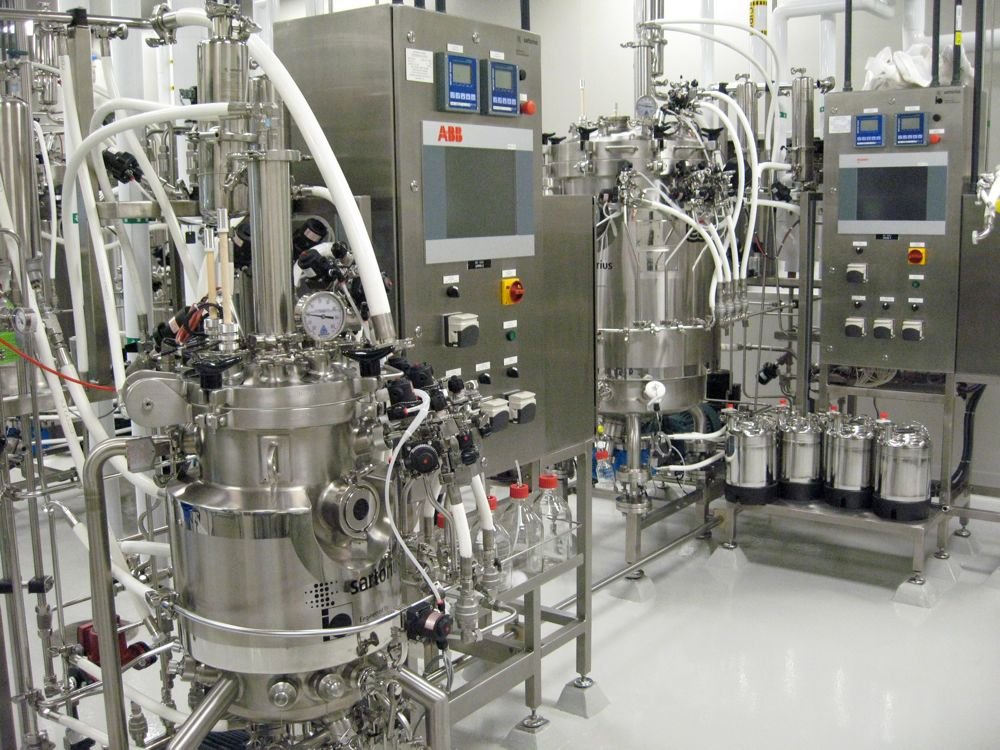
Biotechnology is the use of living organisms, cells or cell components, such as enzymes, to make products or develop new technologies. The journal Nature describes it as a broad discipline in which biological processes, organisms, cells or cellular components are exploited to develop new technologies. It covers old practices such as brewing and bread-making as well as modern ones such as genetically engineered medicines, crop traits and industrial enzymes.
History of biotechnology
People practiced biotechnology long before the word existed. Fermentation, in which microbes convert sugars into alcohol, acids or gas, has been used for thousands of years to make bread, beer, wine, cheese and yogurt, even though the microbes responsible were unknown. The selective breeding of crops and livestock is another early form of the field.
The modern industry grew out of recombinant DNA. The U.S. National Science Foundation (NSF) records that in 1973 researchers it supported cut open a plasmid, a small loop of DNA found in bacteria, inserted a gene from a different bacterial species and closed the loop. They then showed that bacteria carrying the altered plasmid passed the new DNA to their offspring. Scientists soon realized that the technique could direct bacteria or yeast to make proteins from other organisms. One of the researchers went on to co-found Genentech, which NSF calls the world’s first biotechnology company.
In 1980 the Nobel Prize in Chemistry recognized the DNA sequencing methods developed independently by Walter Gilbert and Frederick Sanger. The prize committee described those methods, together with recombinant DNA technique, as excellent tools for continued study of the structure and function of genetic material.
Insulin became the first major product. In 1923 it took 10,000 pounds of pancreas glands to make one pound of pure insulin crystals. Insulin taken from pigs and cows was limited in supply and, because it was not chemically identical to the human hormone, caused adverse reactions in some patients. Genentech partnered with the City of Hope National Medical Center in 1978 and inserted the human insulin gene sequence into bacteria, which produced insulin identical to the human molecule. According to NSF, the U.S. Food and Drug Administration licensed the product in October 1982, making it the first recombinant pharmaceutical approved in the United States.
How biotechnology works
Most biotechnology follows a similar pattern: find a biological system that does a useful job, improve it if necessary, and grow it at scale. Improvement may mean choosing the best natural strain or using genetic engineering, in which scientists add, remove or alter a gene. The host organisms, which may be bacteria, yeast or cultured animal cells, then grow in sealed tanks called bioreactors or fermenters, where temperature, nutrients, oxygen and acidity are controlled.
When growth is finished, the product has to be separated from the cells and the surrounding liquid and purified to a standard. For medicines this stage is demanding, because even small amounts of contamination matter. Many processes also rely on an enzyme, a protein that speeds up a specific chemical reaction. Industrial users apply enzymes to break down starch, treat fabrics or process food, often at lower temperatures than purely chemical methods require.
Types of biotechnology
Biotechnology is usually grouped by where it is applied, although the boundaries overlap. Medical biotechnology produces recombinant proteins such as insulin, antibodies, vaccines and genetic tests. Agricultural biotechnology develops crop varieties and animal breeds with added traits, and microbial products used on farms. Industrial biotechnology uses microbes and enzymes to make chemicals, fuels, materials and food ingredients. Environmental biotechnology applies microbes to treat wastewater and clean up contaminated sites.
Some products straddle categories. An enzyme made by engineered microbes in a fermenter may end up in a medicine, a laundry detergent or a baked good.
Applications of biotechnology
Medicine is the largest and best-documented area. Insulin made in bacteria and yeast replaced animal extracts, and the same approach now produces other proteins that the body cannot make in enough quantity. Vaccines, diagnostic tests and therapies built on gene sequencing and gene editing also belong here.
In agriculture, genetic engineering has produced crops that resist certain pests or tolerate certain herbicides, and farmers also use microbial treatments for soils and plants. In industry, fermentation tanks produce enzymes, organic acids, vitamins and ethanol, and biological methods supply some of the ingredients in detergents, textiles and foods. In the environment, microbes break down some pollutants in wastewater and soil.
Advantages and disadvantages of biotechnology
The advantages are practical. Biotechnology can supply medicines that were once scarce, as the insulin story shows, and can make products with less waste or at lower temperatures than chemical routes. It can also speed up the improvement of crops and microbes compared with conventional breeding.
The disadvantages are costs, risks and open questions. Development is expensive and slow, and products usually face safety review before they reach the market, under rules that differ from country to country. Modifying living organisms raises ethical and ecological questions, including how engineered organisms might behave outside a laboratory. Patents and high prices can limit access to the resulting products, particularly in lower-income countries.
Biotechnology vs. genetic engineering
The two terms are often used as if they meant the same thing, but genetic engineering is only one set of techniques inside biotechnology. A brewery that uses yeast to ferment beer is doing biotechnology without changing any genes. A company that inserts a human gene into bacteria to make a medicine is using both. Biotechnology is the wider field, defined by what it does with living systems, while genetic engineering is defined by the method of directly altering genetic material.
More in Biology
Key facts
- Nature defines biotechnology as a broad discipline in which biological processes, organisms, cells or cellular components are exploited to develop new technologies.1
- In 1973, NSF-supported researchers inserted a gene from one bacterial species into a plasmid of another and showed bacteria could pass it to offspring.2
- NSF calls Genentech the world's first biotechnology company.2
- In 1923 it took 10,000 pounds of pancreas glands to make one pound of pure insulin crystals.2
- The FDA licensed recombinant human insulin in October 1982, the first recombinant pharmaceutical approved in the United States.2
- The 1980 Nobel Prize in Chemistry recognized the DNA sequencing methods of Walter Gilbert and Frederick Sanger.3
Related concepts
In the news
Quick checkWhat was the first recombinant pharmaceutical approved in the United States?Show answer
The U.S. Food and Drug Administration licensed recombinant human insulin in October 1982, the first recombinant pharmaceutical approved in the United States.
Sources
- 1. Nature, Biotechnology subject overview, https://www.nature.com/subjects/biotechnology
- 2. U.S. National Science Foundation, Biotech Pioneers: rDNA and Insulin, https://nsf.gov/impacts/rdna-insulin
- 3. The Nobel Prize, The Nobel Prize in Chemistry 1980 press release, https://www.nobelprize.org/prizes/chemistry/1980/press-release/
Editorially reviewed by Specialty Digest Editorial TeamLast reviewed November 4, 2026Researched and drafted with AI assistanceReport an issue