Specialty Digest

Global English editionLearners’ Study Dashboard — in development
The Knowledge Library for All
Encyclopedia / Arts & Design

Film & Media Production

Specialty Knowledge entries in Film & Media Production.

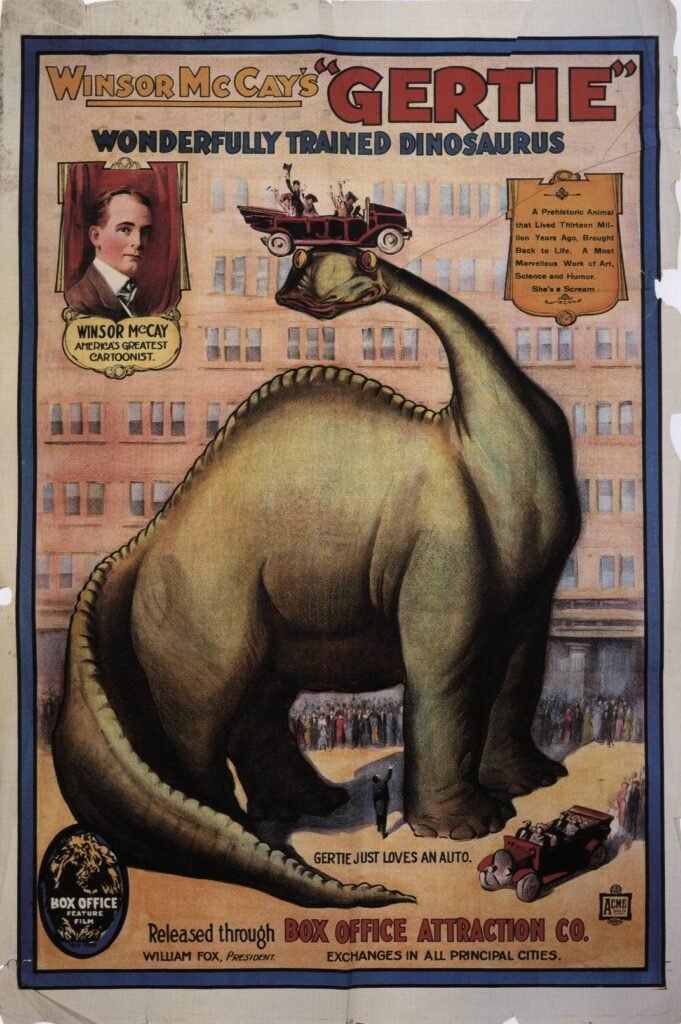
Gertie the Dinosaur 1914 film poster

Animation

Animation is the technique of creating the illusion of movement by displaying a rapid sequence of still images, each slightly different from the one before it, so that the human eye and brain perceive continuous motion rather than a series of separate pictures. Animation can be created through drawing, painting, physical models, computer-generated imagery, or

Animation Read More »

The technique of creating motion illusion from a rapid sequence of still images, from Gertie the Dinosaur (1914) to modern CGI.

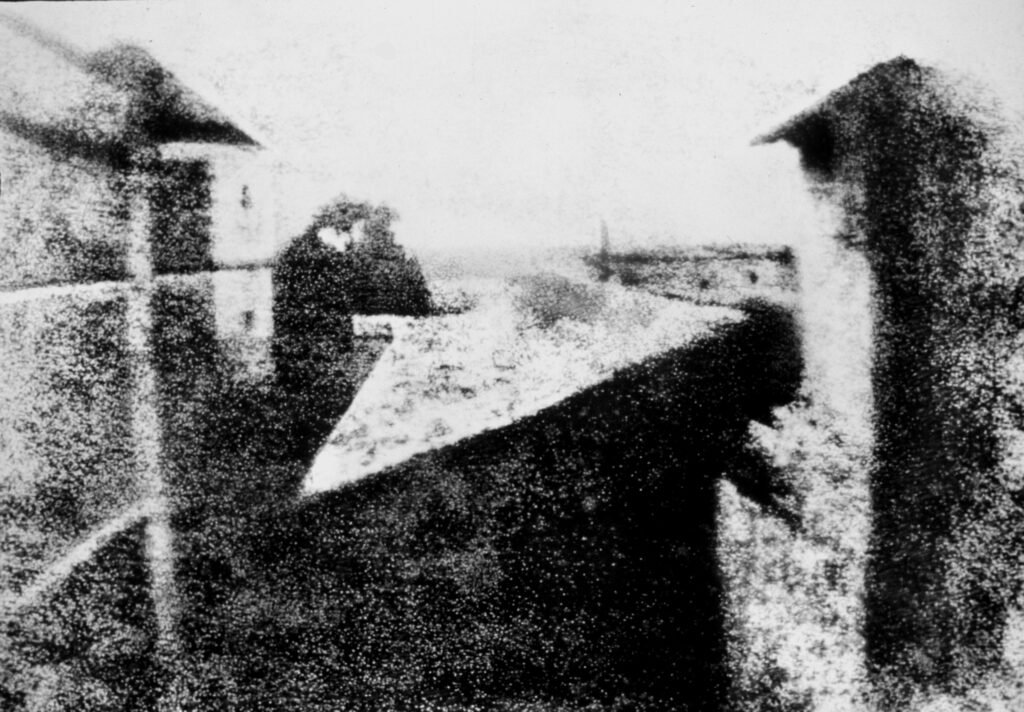
View from the Window at Le Gras, the earliest surviving camera photograph, made by Nicéphore Niépce in 1827

Camera

A camera is a device that records an image by focusing light onto a light-sensitive surface, which may be a chemically coated plate or film or an electronic sensor. The idea began with the camera obscura, a darkened chamber that projects a scene through a small opening, and it became photography in the 1820s and

Camera Read More »

A device that records an image by focusing light onto a light-sensitive surface, from early chemical plates to modern electronic sensors.

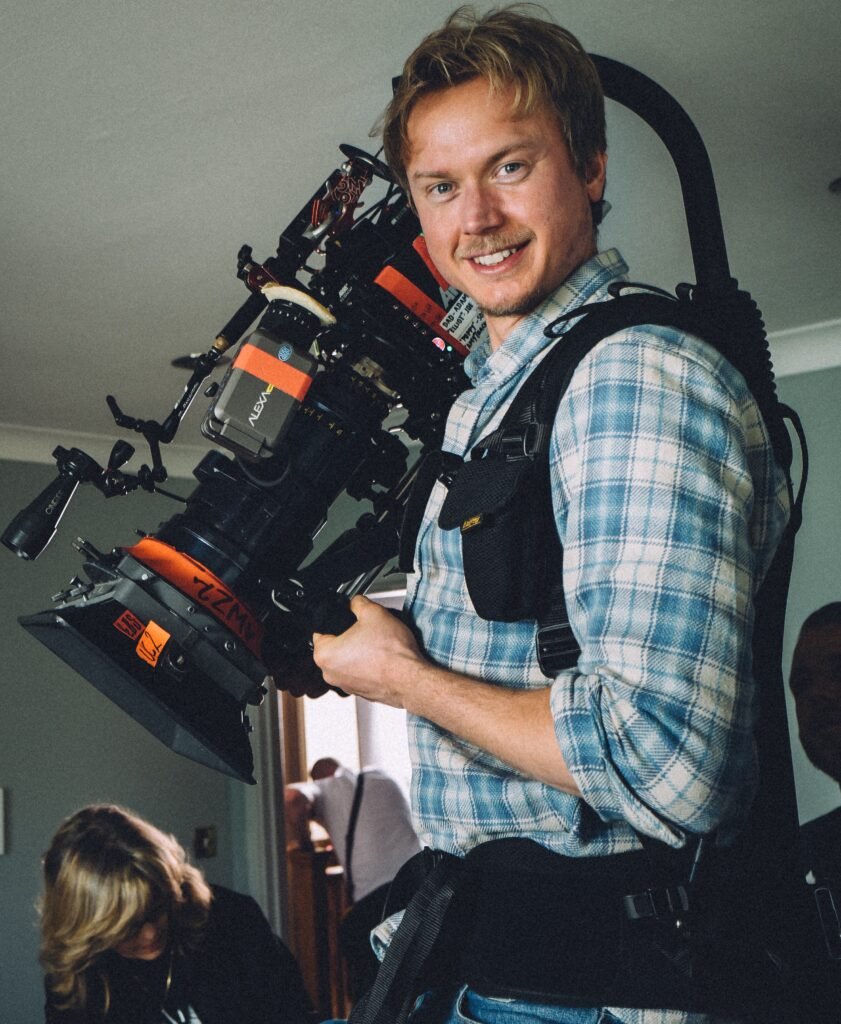
Cinematographer Benedict Spence operating a film camera

Cinematography

Cinematography is the art and technique of capturing moving images on film or digital sensors, encompassing how a scene is lit, framed, composed, and photographed to create a film’s overall visual style and emotional tone. The person responsible for these creative and technical decisions on a production, the cinematographer or director of photography, works closely

Cinematography Read More »

The art and technique of capturing moving images: lighting, framing, camera movement and lens choice, led by the director of photography.

Documentary film

In simple terms A documentary film is a motion picture built primarily from footage of real people, places, and events, intended to inform or persuade an audience about the actual world rather than to tell a fictional story. [1] How it works Documentary filmmakers draw on a range of techniques: observational footage filmed as events

Documentary film Read More »

A documentary film is a motion picture built primarily from footage of real people, places, and events, made to inform or persuade rather than to tell a fictional story.

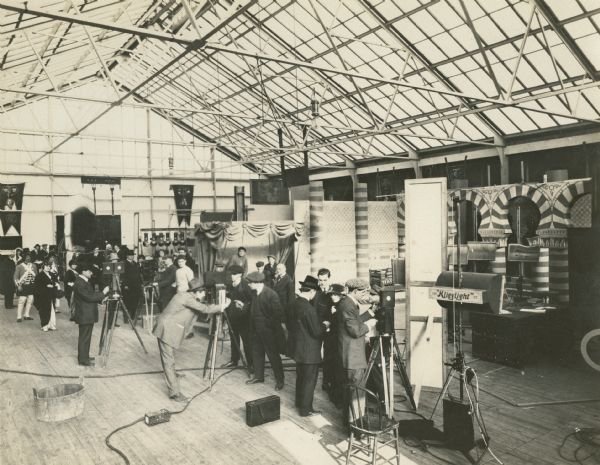
Early 1914 film studio set used to stage multiple scenes simultaneously

Mise-en-scene

Mise-en-scene is a French term, literally meaning ‘placing on stage,’ used in film studies to describe everything that appears in front of the camera and how those elements are arranged to shape a scene’s mood and meaning. It covers set design, costume, lighting, the positioning and movement of actors, and the overall composition of the

Mise-en-scene Read More »

Everything placed in front of the camera in a film scene, including set design, costume, lighting and composition.

Montage (filmmaking)

In simple terms Montage, in filmmaking, is the technique of assembling a sequence of distinct shots, through editing, to condense time, build an idea, or create meaning that no single shot could carry on its own. [1] How it works A montage sequence typically compresses events that would take far longer in real time into

Montage (filmmaking) Read More »

Montage is the film editing technique of assembling a sequence of distinct shots to condense time, build an idea, or create meaning that no single shot could carry alone.

View from the Window at Le Gras, the oldest surviving photograph, by Joseph Nicephore Niepce

Photography

Photography is the process and art of capturing a permanent image using light, originally through a light-sensitive chemical surface and today increasingly through digital sensors, a technology whose basic chemical and optical principles were worked out independently by several inventors in the early nineteenth century. Early invention French inventor Joseph Nicephore Niepce produced the earliest

Photography Read More »

The process and art of capturing a permanent image using light, chemically or digitally.

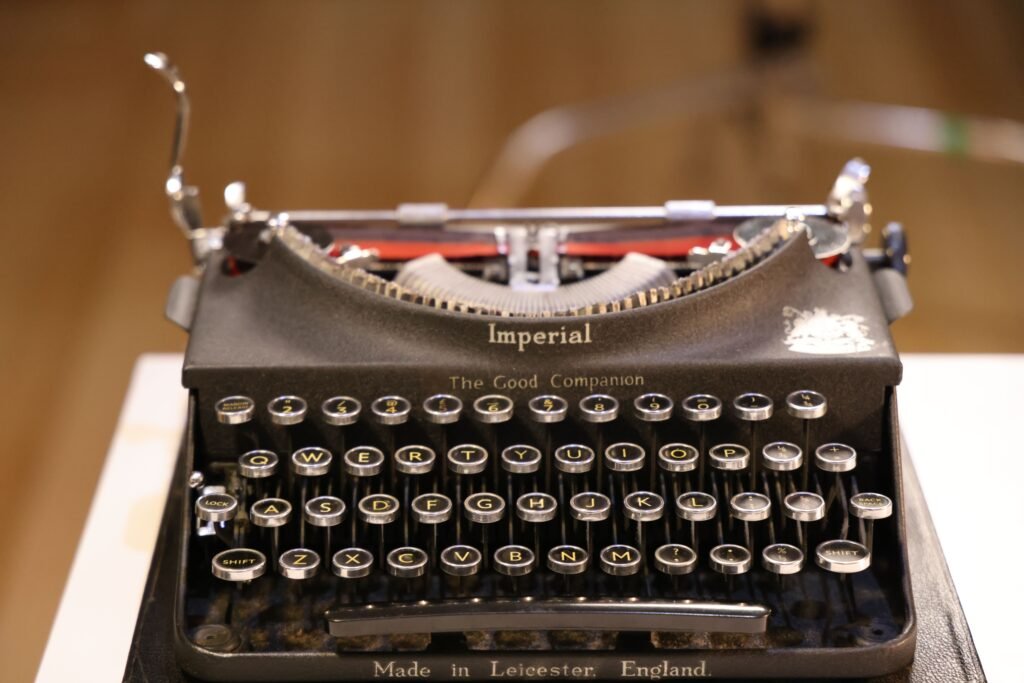
Close-up of a vintage typewriter used for writing scripts

Screenwriting

Screenwriting is the craft of writing scripts for film and television, combining story structure, dialogue, and a standardized visual format that tells a director, cast, and crew exactly what should appear on screen and in what order. A finished screenplay typically specifies scene headings, action description, character names, and dialogue in a consistent layout that

Screenwriting Read More »

The craft of writing scripts for film and television, combining story structure, dialogue and standardized formatting.

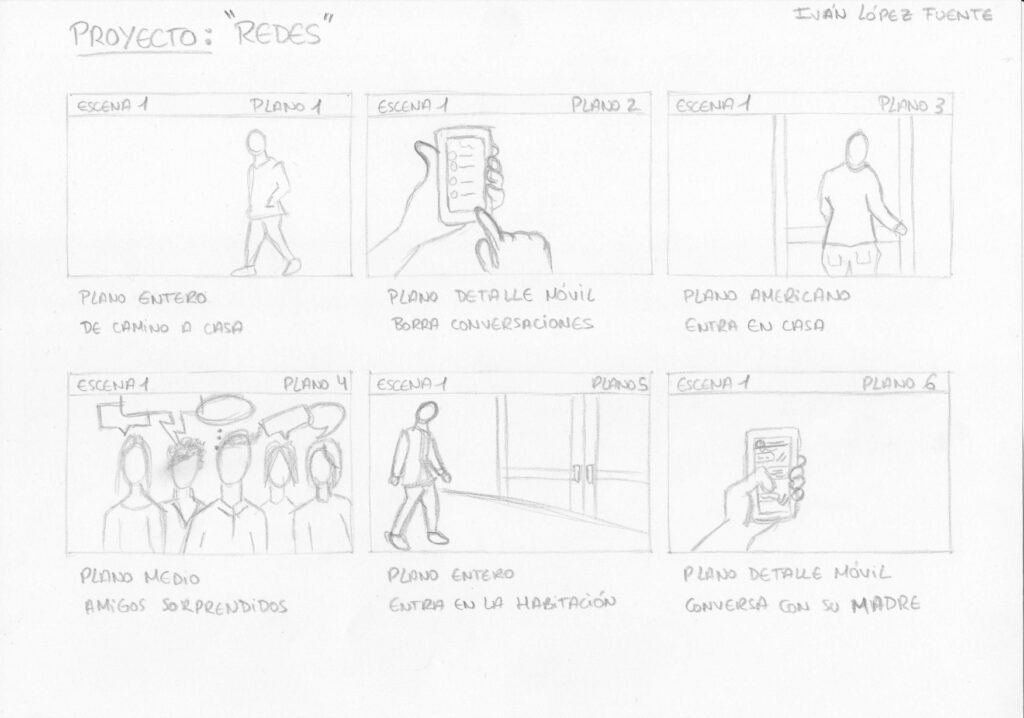
An example storyboard mapping out a sequence of scenes

Storyboard

A storyboard is a sequence of sketches, arranged in order, that maps out a story’s key scenes and visual flow before a film, television show, or animated production is actually shot or animated. Filmmakers use storyboards to plan camera angles and shot composition, check whether a story reads clearly, and catch plot holes or continuity

Storyboard Read More »

A sequence of sketches mapping out a story's scenes and visual flow before filming or animation begins.

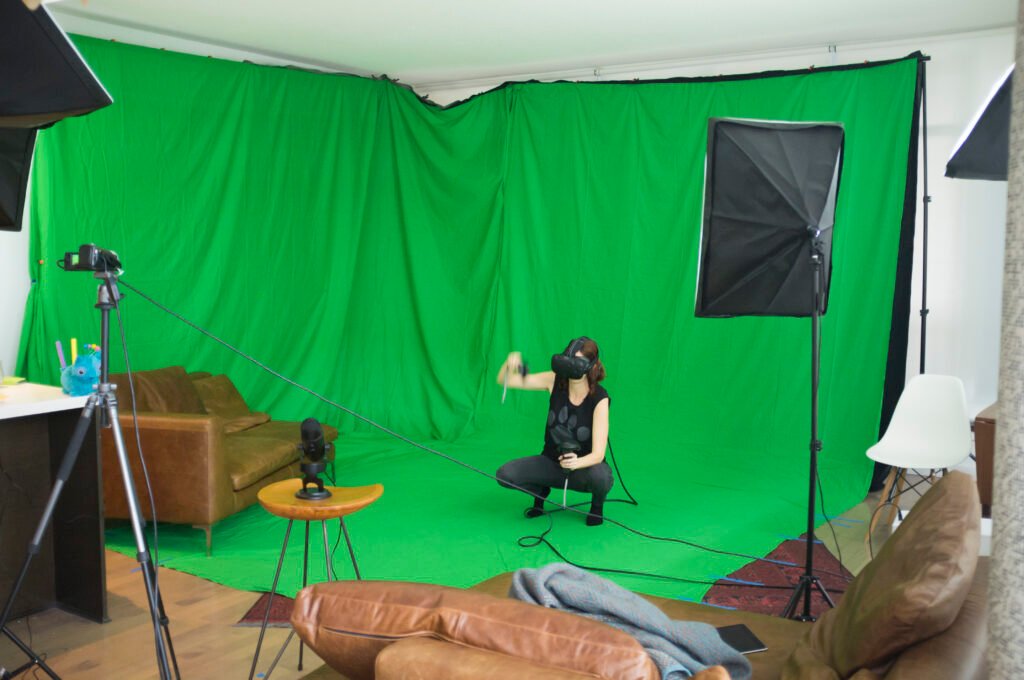
A green screen studio set used for compositing digital visual effects

Visual effects

Visual effects, often abbreviated VFX, are imagery created or manipulated outside of what was actually captured directly on a film set, used to show something impossible, dangerous, or too expensive to film practically. Filmmakers generally split these techniques into practical effects, created physically in front of the camera, and digital effects, created afterward using computer

Visual effects Read More »

Imagery created or manipulated outside direct filming, split between practical, in-camera effects and digital, computer-generated effects.